Table of Contents >> Show >> Hide
- What living with COPD really means
- Breathe smarter, not harder
- Quit smoking like your lungs sent the request in all caps
- Eat in a way that supports easier breathing
- Move your body, even if your couch has strong emotional appeal
- Use medicines correctly and do not freelance your inhaler routine
- Protect yourself from flare-ups, infections, and everyday lung irritants
- Make a COPD action plan before you need one
- Sleep, stress, and support matter more than people think
- Real-life experiences of living with COPD
- Conclusion
Living with COPD can feel like your lungs turned everyday life into a negotiation. Stairs? Maybe later. Grocery bags? One at a time. A cold winter morning? Suddenly it feels personal. Chronic obstructive pulmonary disease does not just affect breathing. It can reshape your routines, your energy, your confidence, your sleep, your appetite, and even how far you are willing to park from the front door.
The good news is that living with COPD is not the same as giving up. While COPD has no cure, the right mix of medical treatment, breathing strategies, exercise, nutrition, smoking cessation, and practical planning can help you breathe easier, stay active longer, and protect your quality of life. Think of it less like chasing perfection and more like building a smart daily system that helps your lungs do their job with less drama.
This guide covers the core habits that can make a real difference, from breathing techniques and quitting smoking to eating well, avoiding flare-ups, managing stress, and creating a life that feels bigger than your diagnosis.
What living with COPD really means
COPD is a long-term lung disease that makes it harder to move air in and out of the lungs. Over time, many people notice shortness of breath, chronic cough, wheezing, chest tightness, mucus production, and fatigue. Symptoms may be mild at first, which is why some people simply “adjust” their lives without realizing how much they are compensating. Taking the elevator instead of the stairs, skipping long walks, avoiding social plans, or sitting down to recover after simple chores can become the new normal before a formal diagnosis ever arrives.
That is why daily COPD management matters so much. The goal is not to win a superhero contest with your lungs. The goal is to reduce symptoms, stay active, prevent flare-ups, and keep doing the things that matter to you, whether that is walking the dog, cooking dinner, attending family events, or just making it through the day without feeling wiped out by noon.
Breathe smarter, not harder
When you live with COPD, breathing can become inefficient. Air can get trapped in the lungs, leaving less room for fresh air to move in. That is where breathing exercises come in. They may sound almost too simple to matter, but they can help slow your breathing, reduce panic, and make each breath more effective.
Pursed-lip breathing
This is one of the most helpful breathing techniques for COPD, especially when you feel short of breath during activity. Inhale slowly through your nose, then exhale through pursed lips as if you are gently blowing out a candle. Make the exhale longer than the inhale. This helps keep your airways open longer and can make breathing feel more controlled.
Use pursed-lip breathing when climbing stairs, bending over, carrying groceries, or anytime you feel your breathing getting ahead of you. It is one of those rare low-tech tricks that earns its reputation.
Diaphragmatic breathing
Also called belly breathing, this technique helps you use your diaphragm more efficiently instead of relying too much on the muscles in your neck, shoulders, and chest. Sit comfortably, relax your shoulders, breathe in through your nose, and let your belly rise. Then breathe out slowly through pursed lips. Practice when you are calm, not just when you are breathless, so your body learns the pattern before you need it under pressure.
Breathing exercises are not magic, but they are practical. And practical wins a lot of battles in COPD care.
Quit smoking like your lungs sent the request in all caps
If you smoke, quitting is the most important step you can take for COPD. Full stop. No wellness tea, breathing gadget, or inspirational refrigerator magnet comes close. Smoking keeps damaging the lungs and can make COPD symptoms worse over time. Continued smoking can also increase the risk of flare-ups and reduce how well treatments work.
Quitting is hard because nicotine addiction is real, not because you are weak. That is why the smartest approach is support plus treatment. Counseling and quit-smoking medication work better together than either one alone. Options may include nicotine replacement therapy, such as patches, gum, or lozenges, as well as prescription medicines like varenicline or bupropion. Many people also benefit from a quitline, text support, or a structured quit plan.
If you have tried to quit before, that does not mean you failed. It means you practiced. Many former smokers quit after several attempts. Each try teaches you something about your triggers, your routines, and the kind of support that helps you most. For some people, coffee is the trigger. For others, stress, driving, boredom, or hanging around other smokers does the ambush work.
A good quit plan often includes:
- A quit date
- A list of triggers and backup strategies
- Medication support if appropriate
- Help from a doctor, counselor, or quit coach
- A clear replacement behavior for cravings, such as walking, chewing gum, texting a friend, or doing pursed-lip breathing
And yes, irritability may show up. Nicotine withdrawal has terrible manners. But your lungs will still thank you.
Eat in a way that supports easier breathing
COPD is a lung condition, but food still matters more than many people expect. Breathing takes energy, and people with COPD may burn more calories just doing the work of breathing. Some lose weight and muscle without trying. Others gain weight, which can make the lungs work even harder. So the nutrition goal is not some trendy “COPD diet.” It is reaching and maintaining a healthy weight, keeping strength up, and giving your body the fuel it needs to fight infection and stay active.
What to eat more often
A balanced eating pattern that includes fruits, vegetables, lean protein, whole grains, legumes, and healthy fats is a strong foundation. Think grilled fish, chicken, beans, oatmeal, yogurt, nuts, olive oil, berries, and leafy greens. In other words, food that looks like food.
Small meals can help
Large meals can leave you feeling overly full, which may put pressure on your diaphragm and make breathing feel harder. Many people with COPD do better with smaller meals spread throughout the day. That can mean breakfast, a mid-morning snack, lunch, an afternoon snack, and a lighter dinner instead of three giant meals that leave you feeling like you swallowed a sofa cushion.
If you are losing weight
Unplanned weight loss in COPD is not something to shrug off. You may need more calories, more protein, or help from a dietitian. Focus on nutrient-dense foods rather than empty calories. Adding healthy fats, protein shakes, nut butters, eggs, Greek yogurt, cheese, beans, and fish can help support weight and muscle maintenance.
If you are carrying extra weight
Excess weight can increase the effort of breathing and raise the risk of other health problems. In that case, gradual weight loss with healthy eating and activity may help you feel better and move more easily.
Whatever your body size, hydration matters too. Drinking enough fluids can help keep mucus thinner and easier to clear, unless your doctor has told you to limit fluids for another medical reason.
Move your body, even if your couch has strong emotional appeal
Exercise with COPD may sound unfair, like asking someone with a flat tire to enter a road race. But physical activity is one of the best ways to improve stamina, strengthen muscles, use oxygen more efficiently, and reduce shortness of breath over time. The key is choosing the right kind of movement and pacing yourself wisely.
Many experts recommend pulmonary rehabilitation when possible. Pulmonary rehab is not just exercise class with nicer clipboards. It is a structured program that teaches breathing techniques, physical activity, energy conservation, nutrition, and self-management skills. It can help break the cycle where shortness of breath leads to inactivity, inactivity weakens your muscles, and weaker muscles make breathing feel even harder.
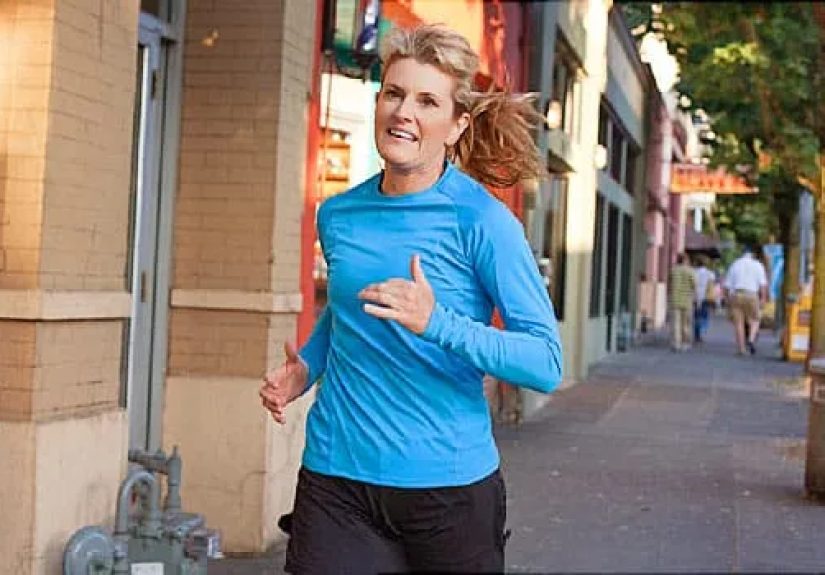
If you are starting on your own, go slowly. Short walks, seated exercises, light resistance training, and gentle stretching can all be helpful. Rest when needed. A simple strategy is to move a little, recover, then move again. That stop-and-start rhythm is not failure. It is pacing, and pacing is smart.
Try to spread activity throughout the week rather than doing too much on one “good” day and paying for it the next day. COPD likes consistency more than heroics.
Use medicines correctly and do not freelance your inhaler routine
COPD treatment often includes maintenance medicines, quick-relief medicines, inhalers, nebulizers, or in some cases oxygen therapy. These treatments can do a lot, but only if you use them correctly and consistently.
One common issue is inhaler technique. Many people think they are using an inhaler correctly when they are not. That is not a character flaw. Inhalers can be weirdly easy to misuse. Ask your doctor, nurse, pharmacist, or respiratory therapist to watch you use yours and correct any mistakes. A small tweak in timing or breathing technique can make a big difference in how much medicine actually reaches your lungs.
Also, do not skip maintenance medicine just because you are having a decent day. COPD management works best when you follow the daily plan your clinician prescribed. Quick-relief medicine is for symptom relief, not as a substitute for the whole routine.
Some people with low blood oxygen levels may need supplemental oxygen. If oxygen is prescribed, use it exactly as directed. It is not a sign that you “lost.” It is a tool, just like glasses, except less fashionable.
Protect yourself from flare-ups, infections, and everyday lung irritants
COPD flare-ups can sneak up fast. A flare-up, also called an exacerbation, means your symptoms are worse than usual and may keep getting worse without treatment. Common signs include more shortness of breath, increased coughing, more mucus, or mucus that changes color or thickness.
To lower the risk of flare-ups:
- Get recommended vaccines, including flu, COVID-19, and pneumococcal vaccines, and ask your clinician whether RSV vaccination is appropriate for your age and risk level
- Wash your hands often and avoid close contact with sick people when possible
- Take maintenance medicines as directed
- Know your triggers and avoid them when you can
Common COPD triggers include tobacco smoke, poor air quality, dust, chemical fumes, cleaning products, air fresheners, scented candles, incense, weather changes, and respiratory infections. If a product smells like it could strip paint, your lungs probably do not want a relationship with it.
At home, focus on clean indoor air. Reduce smoke exposure, use fragrance-free products when possible, dust regularly, and pay attention to outdoor air quality on bad air days. Some people also find that cold air, high pollen counts, or wildfire smoke sharply worsen symptoms.
Make a COPD action plan before you need one
A written COPD action plan can help you recognize early warning signs of a flare-up and know what to do next. This plan should be created with your healthcare provider, not invented at 2:00 a.m. while you are trying to remember whether that cough sounds “normal-ish” or “call somebody now.”
Your action plan may include:
- Your daily medicines
- How to recognize a flare-up
- When to increase or change treatment based on your clinician’s instructions
- Who to call during office hours, nights, weekends, or emergencies
- What symptoms mean you need urgent care or emergency help
Call your clinician promptly if symptoms are worsening and not settling. Seek urgent or emergency care right away for severe breathing trouble, confusion, blue lips or fingertips, chest pain, or trouble speaking in full sentences. When breathing becomes dangerous, this is not the moment to “see how it goes.”
Sleep, stress, and support matter more than people think
COPD is not only physical. It can bring stress, frustration, embarrassment, anxiety, and low mood. Feeling short of breath can trigger panic, and panic can make breathing worse. That loop is real. Breaking it matters.
Healthy coping strategies can include deep breathing, journaling, meditation, short breaks during the day, light activity, counseling, and support groups. Good sleep also matters. Poor sleep can leave you more tired, less active, and more vulnerable to stress the next day.
Support can come from family, friends, clinicians, pulmonary rehab teams, or patient groups. Some people feel isolated or guilty about needing help, especially if COPD has changed household roles. But asking for support is not a burden. It is part of managing a chronic disease well.
Real-life experiences of living with COPD
One of the hardest parts of COPD is that it changes how ordinary life feels. Many people describe the condition as life-changing not because every day is a disaster, but because every day requires more planning. You may start arranging errands for the morning because afternoons leave you drained. You may think about where the nearest chair is before going to a store. You may wonder whether the restaurant entrance has stairs, whether the weather will be too cold, or whether carrying laundry upstairs is worth the recovery time afterward.
People living with COPD often say spontaneity gets replaced by strategy. A weekend outing is no longer just a weekend outing. It becomes a checklist: inhaler packed, water packed, oxygen ready if needed, weather checked, walking distance considered, crowd size estimated, backup plan prepared. To someone on the outside, that may look like overthinking. To someone with COPD, it is just how you keep the day from going off the rails.
Another common experience is the emotional impact of slowing down. Grocery shopping, cooking, bathing, housework, and social events can all take more energy than they used to. Some people feel frustrated that they cannot move at their old pace. Others feel embarrassed using oxygen in public or needing extra breaks when out with family and friends. There can be grief in that adjustment, especially when the person with COPD used to be the one doing everything for everyone else.
At the same time, many people with COPD become highly skilled self-managers. They learn when to use pursed-lip breathing, how to pace chores, which triggers to avoid, how to stay current on vaccines, and why pulmonary rehab or routine exercise can make the next month better than the last one. They learn that disease management goes beyond medicine. It includes sleep, food, movement, stress control, cleaner air, and speaking up when symptoms change.
There can also be real barriers. Some people struggle to access pulmonary rehabilitation, lung specialists, transportation, or affordable medications. Others say they did not get enough education early on and had to piece together their COPD routine over time. That is why learning about the condition and asking practical questions at appointments can be so valuable. You deserve to understand your inhalers, your triggers, your action plan, and your warning signs.
Most of all, real-life COPD stories show resilience. People adapt. They find new routines. They protect their energy for what matters. They trade speed for strategy and still build meaningful lives. Living with COPD may change your pace, but it does not erase your ability to make good days, enjoy relationships, and take charge of your health one smart habit at a time.
Conclusion
Living well with COPD is not about pretending the disease is small. It is about refusing to let it run the whole show. The strongest COPD routine usually combines medical treatment with daily habits that support easier breathing and fewer flare-ups: quitting smoking, practicing breathing exercises, staying active, eating well, using medicines correctly, avoiding irritants, getting recommended vaccines, and keeping an action plan ready.
Some days will still be harder than others. That is part of chronic illness. But better COPD management can make those hard days less frequent and less overwhelming. Start with one change that feels doable today. Then build from there. Your lungs may never send a thank-you card, but they will notice.