Table of Contents >> Show >> Hide
- What Is the Maier Nonstick Pan Cleaning Brush?
- Why Nonstick Pans Need a Gentle Cleaning Tool
- Key Features of the Maier Nonstick Pan Cleaning Brush
- How to Use the Maier Brush on Nonstick Cookware
- What Not to Do With a Nonstick Pan Cleaning Brush
- Maier Brush vs. Sponge: Which Is Better?
- Maier Brush vs. Scrub Pad
- Best Uses for the Maier Nonstick Pan Cleaning Brush
- How to Clean the Brush Itself
- Who Should Consider Buying the Maier Nonstick Pan Cleaning Brush?
- Who Might Not Need It?
- Nonstick Pan Cleaning Tips That Make the Brush Work Better
- Real-World Experience Notes: Living With the Maier Nonstick Pan Cleaning Brush
- Conclusion
- SEO Tags
Some kitchen tools announce themselves with drama. A stand mixer flexes. A chef’s knife gets a velvet-lined drawer. A copper pan basically demands its own lighting designer. Then there is the Maier Nonstick Pan Cleaning Brush: humble, wooden, practical, and quietly heroic when last night’s omelet has decided to become modern art on your frying pan.
The Maier Nonstick Pan Cleaning Brush is designed for one very specific mission: cleaning stuck-on food from delicate cookware without bullying the nonstick surface. That sounds simple, but anyone who has ever ruined a nonstick skillet with the wrong scrubber knows the stakes. Nonstick pans are convenient, but they are not indestructible. Treat them gently and they reward you with easy eggs, graceful pancakes, and fish fillets that do not require a legal separation from the pan. Treat them harshly and they turn into sticky, scratched kitchen regret.
This guide explores what makes the Maier brush useful, how it fits into a smart nonstick cookware cleaning routine, when to use it, when not to use it, and why a small German-made dish brush can earn a surprisingly permanent place beside the sink.
What Is the Maier Nonstick Pan Cleaning Brush?
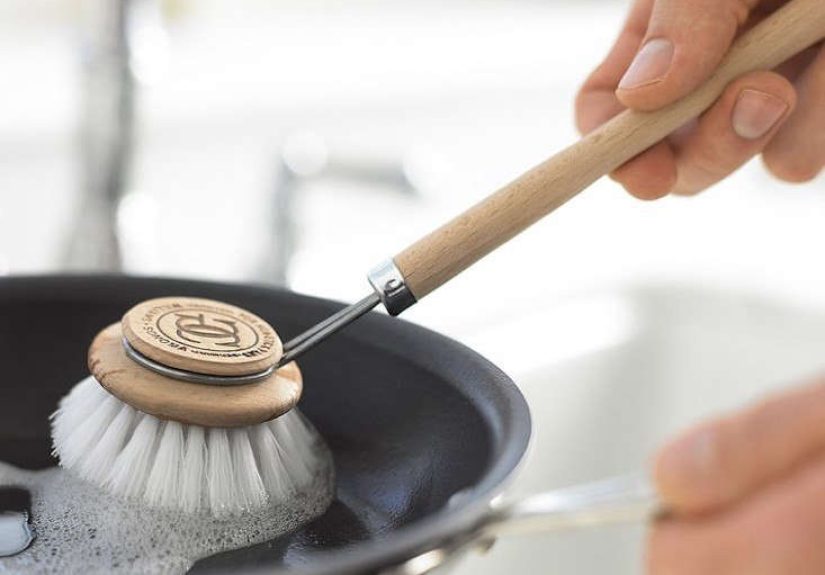
The Maier Nonstick Pan Cleaning Brush is a wooden dishwashing brush made for cleaning cookware, especially nonstick pots and pans. Its design is refreshingly straightforward: a beechwood handle, polypropylene bristles, a hanging loop, and an overall length of about 11 1/2 inches. It is marketed as safe for nonstick surfaces because the bristles are stiff enough to loosen stuck-on food but flexible enough to avoid the aggressive scraping that can damage coatings.
In other words, it is not trying to be a gadget. There is no motor, no soap-dispenser button, no LED display, and no app asking for permission to access your breakfast data. It is a brush. A good brush. And in the world of nonstick cookware care, “good brush” is a higher compliment than it sounds.
Why Nonstick Pans Need a Gentle Cleaning Tool
Nonstick cookware works because its cooking surface is designed to reduce food adhesion. That surface may be PTFE-based, ceramic-coated, hard-anodized with a nonstick layer, or part of another modern coating system. The exact technology varies by brand, but the cleaning rule is usually the same: avoid metal scrubbers, abrasive pads, harsh powders, and anything that treats the pan like a driveway that needs pressure washing.
Many cookware manufacturers recommend hand-washing nonstick pans with warm water, mild dish soap, and a nonabrasive sponge or soft-bristle brush. The reason is simple: scratches, overheated residue, and harsh cleaning routines can reduce the pan’s ability to release food. Once that slick surface is compromised, breakfast becomes a wrestling match.
The Maier brush belongs in the “gentle but useful” category. Its bristles are firm enough to remove softened food bits, but the material is far safer for nonstick interiors than steel wool, metal scouring pads, or abrasive scrub sponges. For everyday cooking messes, that balance is exactly what you want.
Key Features of the Maier Nonstick Pan Cleaning Brush
Beechwood Handle
The brush uses a beechwood handle, giving it a classic, natural look that feels more like old-school kitchen craftsmanship than disposable cleaning clutter. Beechwood is commonly used in kitchen tools because it is sturdy, smooth, and comfortable to hold. The handle also gives the brush a warmer, more attractive appearance than many plastic scrubbers, which is helpful if your sink area is already hosting a tiny convention of soap bottles, sponges, and mystery lids.
Polypropylene Bristles
The bristles are made from polypropylene, a durable synthetic material often used in cleaning tools. For nonstick pan cleaning, the important point is that these bristles are not metal and are not designed to grind aggressively into the surface. They can help remove food residue, sauce film, and softened stuck-on bits without the scratch risk associated with harsher scrubbers.
Stiff Yet Flexible Scrubbing Power
The ideal nonstick cleaning brush needs to be firm, but not furious. If the bristles are too soft, they simply pet the burnt cheese and wish it a nice day. If they are too harsh, they may damage the pan. The Maier brush sits in the practical middle: stiff enough for real cleaning, flexible enough for controlled pressure.
Long Handle for Better Reach
At about 11 1/2 inches long, the brush gives your hand some distance from hot water, slippery soap, and greasy cookware. That extra reach is especially useful when cleaning deeper sauté pans, saucepans, griddles, and larger skillets. It also helps you apply pressure from a comfortable angle instead of folding your wrist into a kitchen yoga pose nobody asked for.
Hanging Loop
The hanging loop is a small feature that matters. Brushes last longer when they can dry properly. Hanging the brush after use helps air circulate around the bristles and handle, reducing the soggy sink-side swamp effect that makes cleaning tools smell like they have secrets.
How to Use the Maier Brush on Nonstick Cookware
Using the Maier Nonstick Pan Cleaning Brush correctly is easy, but timing matters. The best routine begins before food residue becomes stubborn. Let the pan cool slightly after cooking. Never shock a hot pan with cold water, because sudden temperature changes can warp cookware. Once the pan is warm rather than sizzling hot, add warm water and a few drops of mild dish soap.
For light residue, use the brush in small circular motions. Focus on the areas where oil, egg, sauce, or starch has settled. Do not press as if you are trying to erase a parking ticket. A steady, moderate motion works better and is gentler on the surface.
For stuck-on food, soak the pan first. Even five to ten minutes in warm, soapy water can make a dramatic difference. If the residue is more stubborn, fill the pan with warm soapy water and let it sit longer. Some cookware-care routines also recommend briefly simmering soapy water in the pan to loosen residue, but always follow the manufacturer’s instructions for your specific cookware.
After brushing, rinse thoroughly and dry the pan with a soft towel. Drying matters because water spots, lingering residue, and stacked-pan friction can shorten the fresh, clean feeling of your cookware. If stacking pans, place a soft towel or pan protector between them to reduce surface rubbing.
What Not to Do With a Nonstick Pan Cleaning Brush
A nonstick-safe brush is helpful, but it is not a magic wand. The Maier brush should not be used with harsh abrasive powders inside nonstick pans. It should not be paired with bleach-based cleaners, oven cleaner, steel wool, or metal scrapers. It should not be used to attack burnt polymerized oil with the rage of a thousand dishwashers.
If a pan has blackened buildup, peeling coating, deep scratches, or areas where food sticks no matter what you do, the problem may not be the cleaning tool. The pan may be worn out. Nonstick cookware has a lifespan, and once the surface is damaged or flaking, it is usually time to replace it rather than scrub harder.
Also, do not leave the wooden handle soaking in water for long periods. Wood and prolonged soaking are not best friends. After use, rinse the brush, shake off excess water, and hang it to dry. This keeps the bristles cleaner and helps protect the handle.
Maier Brush vs. Sponge: Which Is Better?
Sponges are convenient, but they are not always the most efficient tool for pans. A sponge can smear grease around, trap food particles, and collapse under pressure when dealing with stuck-on bits. A brush, by contrast, gives more targeted scrubbing power. The bristles reach into curves, edges, and textured areas better than a flat sponge.
For nonstick pans, the best choice is not always brush versus sponge. It is often brush plus sponge. Use the Maier brush to loosen food residue, then wipe the pan clean with a soft sponge or cloth. This two-step approach is especially helpful when cleaning eggs, cheese, pancake batter, reduced sauces, and other foods that cling in thin layers.
Maier Brush vs. Scrub Pad
Scrub pads vary widely. Some are labeled non-scratch and may be safe for certain cookware, while others are too abrasive for nonstick surfaces. The problem is that many people grab whatever pad is near the sink, and that is how a $40 pan meets a $1 disaster.
The Maier brush is easier to identify as a cookware-friendly tool because it is built around bristles rather than abrasive fibers. It can still clean effectively, but it does not rely on sanding action. That makes it a better everyday choice for people who want to protect nonstick coatings while still getting the pan properly clean.
Best Uses for the Maier Nonstick Pan Cleaning Brush
Egg Pans
Eggs are the emotional test of nonstick cookware. A good pan releases them easily; a tired pan turns them into yellow confetti. The Maier brush is useful for removing small egg films around the pan’s edges without scraping the coating.
Pancake and Crepe Pans
Pancake batter can leave a thin cooked-on layer, especially if sugar, fruit, or chocolate chips are involved. After soaking, the brush can lift residue without damaging the surface.
Griddles
Nonstick griddles often collect oil and browned batter in corners or along edges. A long-handled brush makes cleanup easier because it covers more area and gives better leverage than a small sponge.
Sauté Pans and Saucepans
For everyday sauces, vegetables, noodles, and rice dishes, the brush helps remove soft residue quickly. It is particularly useful when food particles settle around rivets or curved pan walls.
How to Clean the Brush Itself
A cleaning tool needs cleaning too. That may sound unfair, but the sink is not a fairy tale. After each use, rinse the bristles thoroughly under warm water. Add a drop of dish soap if the brush has touched oily residue, then work the soap through the bristles with your fingers. Rinse again, shake off the water, and hang the brush by its loop.
Do not store it bristle-down in a puddle. Do not bury it under wet sponges. Do not leave it in the bottom of the sink like a tiny wooden submarine. Proper drying keeps the brush fresher and more pleasant to use.
Who Should Consider Buying the Maier Nonstick Pan Cleaning Brush?
This brush makes sense for anyone who cooks regularly with nonstick cookware and wants a simple, durable cleaning tool. It is especially useful for people who hand-wash pans, prefer wooden kitchen tools, or dislike disposable scrubbers that wear out quickly.
It is also a smart choice for households where cookware gets damaged because everyone uses a different cleaning method. A dedicated nonstick pan brush creates a clear visual rule: this is the tool for delicate cookware. Sometimes kitchen organization is less about fancy labels and more about making the right choice obvious.
Who Might Not Need It?
If you rarely use nonstick cookware, a soft sponge may be enough. If most of your pans are stainless steel or cast iron, you may want a different brush or scraper designed for those surfaces. If your cookware already has peeling coating or heavy carbonized buildup, a gentle brush may not solve the bigger problem.
The Maier brush is best viewed as a maintenance tool, not a rescue tool. It helps keep good pans in good condition. It is not designed to resurrect a skillet that has survived metal forks, high heat, dishwasher cycles, and one suspicious roommate with a scouring pad.
Nonstick Pan Cleaning Tips That Make the Brush Work Better
Clean Soon After Cooking
Residue is easier to remove before it dries into a stubborn layer. Let the pan cool slightly, then clean while the mess is still cooperative.
Use Warm Water and Mild Soap
Warm water helps loosen grease, while mild dish soap breaks down oil. The brush then has less heavy lifting to do.
Soak Before Scrubbing
Soaking is not laziness. It is strategy. Softened food comes off with less pressure, which is better for the pan.
Avoid Cooking Spray Buildup
Many cookware-care guides warn that aerosol cooking sprays can leave residue that becomes difficult to remove over time. A small amount of oil or butter is often easier to clean and better for long-term pan performance.
Use Low to Medium Heat
High heat can damage nonstick coatings and bake oils onto the surface. Better heat control means easier cleaning later.
Real-World Experience Notes: Living With the Maier Nonstick Pan Cleaning Brush
The most noticeable experience with a brush like the Maier Nonstick Pan Cleaning Brush is how quickly it changes the rhythm of cleanup. Instead of pressing a sponge into the pan and hoping friction will somehow become a personality trait, the bristles do the detail work. They reach around the curve where the pan wall meets the base, sweep through oily patches, and loosen tiny cooked-on bits that a sponge tends to glide over.
One practical example is the classic weekday egg pan. After making scrambled eggs, there is often a thin film left behind, especially around the edges. With only a sponge, that film may require repeated wiping. With the Maier brush, a short soak and a gentle circular scrub usually make the residue lift faster. The pan feels clean without needing aggressive pressure, and that is the whole point. You are not trying to win a fight with breakfast. You are trying to clean a pan so tomorrow’s breakfast does not inherit today’s mistakes.
The brush also feels useful when cleaning nonstick griddles. Large flat surfaces can be awkward with a small sponge because your fingers end up doing more work than the cleaning tool. A handled brush gives better reach and leverage. It can move across the surface in long strokes, then switch to smaller circles for corners and edges. If your griddle has collected pancake batter, melted cheese, or a faint oil film, the brush gives you more control than a floppy sponge.
Another experience worth mentioning is sink hygiene. Sponges can become unpleasant quickly if they hold onto food particles and moisture. A brush is not automatically cleaner, but it is easier to rinse visibly. Food bits tend to release from the bristles under running water, and the hanging loop encourages proper drying. That small habit can make the sink area feel tidier.
The wooden handle also changes the feel of the tool. It is lightweight, simple, and comfortable, with a classic kitchen look that fits well beside wood spoons, cutting boards, and natural-fiber towels. It does not feel like a disposable scrubber. That can make users more likely to treat it as a real kitchen tool instead of something that gets abandoned next to the drain after two weeks.
There are a few realistic limitations. The brush is not ideal for heavy burnt-on residue that has bonded to the pan through overheating. In those cases, soaking and patience matter more than pressure. It also needs proper drying because of the wooden handle. Leaving it submerged in water would be asking too much of any wood-handled brush. But with normal care, it works well as an everyday maintenance tool.
The best experience comes when the brush becomes part of a simple routine: cook at moderate heat, let the pan cool slightly, add warm soapy water, soak if needed, brush gently, rinse, dry, and store carefully. That routine may not sound glamorous, but neither does flossing, and dentists seem pretty committed to the idea. The Maier brush succeeds because it makes the right habit easier. It protects the pan, speeds up cleanup, and helps keep nonstick cookware performing the way it should.
Conclusion
The Maier Nonstick Pan Cleaning Brush is not complicated, and that is exactly why it works. Its beechwood handle, polypropylene bristles, hanging loop, and nonstick-safe design make it a practical tool for everyday cookware care. It is especially useful for eggs, pancakes, griddles, sauté pans, and other nonstick surfaces that need gentle but effective cleaning.
The biggest lesson is simple: nonstick cookware lasts longer when you stop treating cleanup like a demolition project. Use warm water, mild soap, patience, and a brush designed for the job. The Maier brush helps remove stuck-on food without inviting scratches, and that makes it a small but valuable upgrade for any kitchen where nonstick pans do regular duty.
If your pan is still in good shape, this brush can help keep it that way. If your pan is already scratched, peeling, or permanently sticky, the brush may not save itbut it can help you treat the next pan much better. Consider it the quiet kitchen sidekick that protects your cookware, your breakfast, and possibly your mood before coffee.