Table of Contents >> Show >> Hide
- The Story in Plain English (No Internet Chaos Translator Needed)
- Why This Story Hit a Nerve
- Wife Restricting His Social Life: Boundary or Control?
- Was the 23YO Wrong to Ask?
- Why the 23YO Regrets Intervening (Even If the Concern Was Valid)
- Relationship Red Flags the Story Highlights
- How to Intervene Without Making It Worse
- What the Man in the Story Might Be Experiencing
- What About the Wife? Can We Judge From One Story?
- Workplace Lesson: Be Human, But Be Smart
- So, Did the 23YO “Do the Wrong Thing”?
- Extended Experiences and Real-World Patterns (Additional 500+ Words)
- Conclusion
Office coffee, free donuts, light small talk and suddenly everyone is in a relationship ethics seminar they did not sign up for. That’s the uncomfortable (and strangely relatable) setup behind a viral story in which a man opened up about his wife restricting his social life, a 23-year-old coworker questioned him, and then spiraled into guilt after the situation appeared to escalate.
On the surface, this sounds like internet drama with a long title and a short fuse. But underneath it is a genuinely important issue: where is the line between healthy boundaries in marriage and controlling behavior in a relationship? And just as important: what should a coworker do when they hear something that sounds like a red flag?
This article breaks down the story, the relationship dynamics, the warning signs people often miss, and the “helpful vs. harmful” ways to intervene. We’ll also unpack why the 23-year-old may regret speaking up even if speaking up wasn’t the wrong move.
The Story in Plain English (No Internet Chaos Translator Needed)
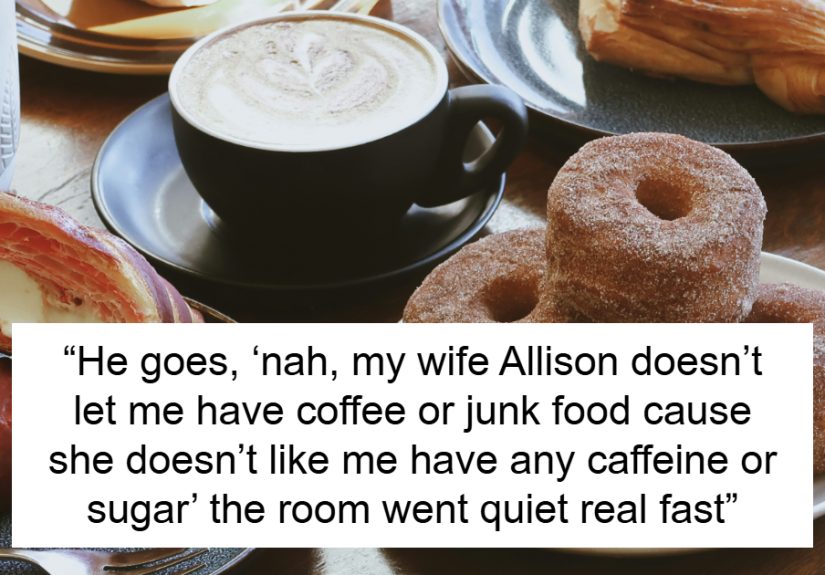
In the viral workplace story, a new employee reportedly kept skipping team lunches and social activities. During a casual coffee-and-donuts moment, he shared that his wife restricted things like caffeine and sugar. That prompted a coworker (the 23-year-old) to ask whether these restrictions also explained why he wasn’t joining office social events.
The man then reportedly admitted that he was not really “allowed” to socialize independently. The coworker and boss expressed concern and encouraged him to rethink the dynamic. Later, after he brought the issue up at home, the conflict escalated, he was kicked out, and he began looking into separation. The 23-year-old then worried: Did I cause this?
That question “Did I ruin someone’s marriage by saying one thing?” is the emotional center of this whole situation. It’s also where a lot of bystanders get stuck.
Why This Story Hit a Nerve
People reacted strongly because the story touches three things that make everyone sweat a little:
- Control vs. care: “I’m just worried about your health” can be genuine concern… or a cover for control.
- Marriage privacy vs. outside perspective: How much should outsiders comment on someone else’s relationship?
- Bystander guilt: If you speak up and things blow up, it can feel like you lit the match even when the room was already full of gas.
And yes, that last one is brutally human. Most people don’t regret helping because they were cruel. They regret helping because the outcome was painful.
Wife Restricting His Social Life: Boundary or Control?
Healthy boundaries are about your own limits
A healthy boundary sounds like: “I’m uncomfortable when we cancel family plans for last-minute work drinks. Can we plan social time better?” That is a person describing their needs and asking for a change.
A controlling rule sounds like: “You can’t go out unless I’m there,” or “You’re not allowed to have lunch with coworkers.” That shifts from self-protection to ownership of the other person’s choices.
In other words: boundaries define what I will do; control dictates what you are allowed to do. Same volume, very different song.
Why control can be hard to spot at first
Controlling behavior in marriage or dating relationships often starts small and may be framed as concern, loyalty, health, or “respect.” It can sound like:
- “I just want what’s best for you.”
- “Your friends are a bad influence.”
- “Couples should do everything together.”
- “If you loved me, you wouldn’t need to go out without me.”
One request may not mean much. But a pattern of limiting food, social contact, time, movement, money, communication, or independent decisions can signal unhealthy relationship dynamics and in some cases, emotional abuse or coercive control.
Social isolation is a major red flag
Restricting a partner’s friendships, family contact, or social life is one of the biggest warning signs people mention after the fact: “Now that I look back, they were slowly cutting me off.”
Social isolation in a relationship matters because it reduces outside perspective. When someone loses access to friends, coworkers, or family, they also lose reality checks, emotional support, and practical help. It becomes easier for controlling behavior to feel “normal.”
Was the 23YO Wrong to Ask?
Probably not but how the question was asked matters.
There’s a difference between:
- Curious concern: “Hey, are you okay? You don’t have to answer, but that sounded concerning.”
- Public confrontation: “That sounds controlling. Why do you let your wife do that?”
The first invites reflection. The second can trigger shame, defensiveness, or panic especially in a workplace setting with an audience. People in controlling relationships may already feel embarrassed, confused, or conflicted. If they feel exposed, they may withdraw instead of opening up.
That said, asking a question did not “create” the problem. If a single question reveals a serious issue, the issue was already there. The coworker may have accelerated awareness, but awareness is not the same thing as causing harm.
Why the 23YO Regrets Intervening (Even If the Concern Was Valid)
1) Regret often follows outcomes, not intentions
Humans are terrible at separating “I cared” from “it got messy.” If someone speaks up and the couple later fights or separates, the helper often rewrites the story in their head: “If I had stayed quiet, none of this would have happened.”
But relationships don’t collapse because of one donut conversation. They usually crack along stress lines that already existed.
2) Bystanders feel responsible for decisions they don’t control
The coworker likely influenced a conversation not the man’s marriage, not the wife’s response, and not the legal separation process. Adults still make their own choices. That includes the choice to seek counseling, confront a partner, or consult a lawyer.
3) Workplace settings make everything feel extra awkward
The office is where people discuss spreadsheets, not usually emotional dependency and marriage conflict. When a private issue surfaces publicly, even compassionate coworkers can replay the moment for weeks: “Was I inappropriate? Did I embarrass him? Should I have said something later in private?”
That discomfort is understandable. It’s not proof the concern was invalid.
Relationship Red Flags the Story Highlights
Based on common guidance from U.S. relationship safety and health organizations, these are the big warning signs that made people react to this story:
1) Restricting independent socializing
If one partner cannot see coworkers, friends, or family unless the other is present, that may indicate control rather than closeness. Healthy relationships support connection, privacy, and independent identity.
2) Monitoring everyday behavior beyond normal concern
Food, caffeine, clothing, phone use, social plans, and hobbies can become “micro-rules” in controlling dynamics. One or two preferences are not unusual. A broad system of permissions is.
3) Fear-based compliance
If a person avoids harmless social activities because they fear conflict at home, that’s a strong sign something is off. It doesn’t automatically define the entire relationship, but it absolutely deserves concern.
4) Isolation plus guilt
A common pattern in emotionally abusive relationships is isolation followed by guilt or self-blame: the person feels they are “causing problems” just by having normal needs.
How to Intervene Without Making It Worse
If you’re the coworker/friend in a situation like this, the goal is not to become the hero of someone else’s marriage movie. The goal is to be a safe, steady person.
Do this
- Talk privately if possible. Public discussions can increase shame and pressure.
- Lead with concern, not diagnosis. “I’m concerned about what you shared” works better than “Your spouse is abusive.”
- Listen more than you lecture. People need space to think out loud without being pushed into instant decisions.
- Ask open questions. “How are things at home?” “Do you feel like you can make your own choices?”
- Offer support options. Counseling, HR resources (if appropriate), trusted friends/family, or confidential hotlines.
- Respect their pace. Pushing someone to “just leave” can backfire and increase isolation.
Don’t do this
- Don’t shame them. “How can you let this happen?” adds humiliation, not clarity.
- Don’t make it about your outrage. Your anger may be valid, but their safety and autonomy come first.
- Don’t force a confrontation plan. What sounds brave to you may be unsafe for them.
- Don’t spread it around the office. This is concern, not gossip content.
What the Man in the Story Might Be Experiencing
People in controlling relationships are not always ready to label what’s happening. They may feel:
- Confused (“Maybe this is normal marriage compromise?”)
- Embarrassed (“Why didn’t I notice this sooner?”)
- Loyal (“I don’t want to make my spouse look bad.”)
- Afraid of conflict (“Bringing this up will cause a huge fight.”)
- Guilty (“Maybe I’m overreacting.”)
That’s why a calm question can matter. Not because it magically “fixes” anything, but because it can interrupt normalization. Sometimes the first helpful moment in a bad dynamic is simply hearing, “That doesn’t sound okay.”
What About the Wife? Can We Judge From One Story?
Not fully and we shouldn’t pretend otherwise.
Viral stories are one-sided by design. We don’t know the full relationship history, medical issues, prior agreements, trauma context, or how accurately the events were reported. A spouse setting limits around health, spending, or socializing is not automatically abusive.
But here’s the key point: even without a complete picture, certain patterns can still be red flags. If a person describes being blocked from normal social contact, heavily controlled, or afraid to make ordinary choices, concern is appropriate. Certainty may be impossible. Concern is still reasonable.
Workplace Lesson: Be Human, But Be Smart
The office is often where people first notice changes: withdrawal, skipped lunches, anxiety around texts, sudden isolation, or fear of “getting in trouble.” Coworkers are not therapists, but they are often witnesses.
The best workplace approach is a balance:
- Be compassionate.
- Be discreet.
- Be nonjudgmental.
- Know your limits.
- Encourage professional support when needed.
Translation: You can hand someone a flashlight. You do not need to drag them through the cave.
So, Did the 23YO “Do the Wrong Thing”?
The most reasonable answer is: the concern was valid, the delivery may have been imperfect, and the guilt is understandable.
That’s not a cop-out. That’s adulthood.
Real-life intervention is messy. People don’t get a script, a private room, and a therapist-approved timing window. Sometimes they blurt out concern during a donut conversation. Sometimes they wish they’d handled it differently. Both can be true at once.
If there’s a takeaway here, it’s this: when someone describes a partner controlling their social life, don’t dismiss it as “just marriage stuff.” Ask carefully. Listen deeply. Avoid shame. Offer support. And remember that speaking up with care may feel uncomfortable but silence can be costly, too.
Extended Experiences and Real-World Patterns (Additional 500+ Words)
To make this more practical, let’s talk about the kinds of experiences people commonly describe in situations similar to “wife restricting his social life” or any partner limiting outside relationships. These examples are not a diagnosis of the viral story; they’re composite patterns that show up again and again in conversations about controlling behavior, emotional abuse signs, and unhealthy relationship dynamics.
One common experience starts with what looks like devotion. A partner says they love spending time together and want more “couple time.” At first, it feels flattering. Then invitations from friends become a problem. The person starts hearing things like, “Why do you need them when you have me?” or “Your friends don’t respect our relationship.” Soon, social plans require emotional negotiations, and the easiest path becomes staying home. The person may not even realize they’ve become isolated because the change happened slowly one canceled dinner, one skipped birthday, one awkward argument at a time.
Another experience involves “rules” that are technically about something else. It might begin with diet, productivity, religion, money, or health. Again, any one of these topics can be handled in healthy ways by couples. The issue is not the topic it’s the method. In a healthy relationship, partners discuss preferences and compromises. In a controlling relationship, one person acts like a manager issuing policy updates. The controlled partner may start saying things like, “I’m not allowed,” even when talking about everyday choices. That wording can be revealing because it signals permission-based living rather than mutual decision-making.
A third pattern shows up in social and work settings. Coworkers notice someone never joins lunch, never stays for a team celebration, or suddenly becomes tense when their phone buzzes. If the person shares a little bit “My spouse doesn’t like me hanging out” the group often freezes. Nobody wants to pry. Nobody wants to offend. But someone, usually the youngest or most direct person in the room, blurts out the obvious question. Ironically, that unscripted question can become the first honest mirror the person has seen in months. The regret later comes because people confuse “I named a problem” with “I caused the problem.”
There’s also the guilt spiral that helpers experience. They replay their tone, timing, and wording. They wonder whether a private conversation would have been better. (Often, yes.) They worry they escalated things. What many later learn is that healthy relationships can survive a question. Unhealthy dynamics often react explosively because the control depends on silence. So while tact matters, the presence of fallout does not automatically mean the concern was wrong.
Finally, people who have lived through controlling relationships often describe the same turning point: not a dramatic rescue, but a small moment of clarity. A coworker saying, “That sounds really isolating.” A friend asking, “Do you feel free to make your own choices?” A family member listening without judgment. Those moments matter because they restore perspective. They remind the person that support exists outside the relationship and that their discomfort is not “being dramatic.” If you’ve ever been the 23-year-old in a story like this, the best lesson is not “never say anything.” It’s “say something with care, privacy, and humility.” You may not control the outcome, but you can avoid adding shame while still offering a lifeline.
Conclusion
The viral story is memorable because it mixes awkward workplace comedy with a serious relationship question. A man describes restrictions. A young coworker speaks up. The situation explodes. Everyone feels uncomfortable. Welcome to real life.
But beneath the discomfort is a useful truth: controlling behavior often hides in ordinary conversations. The sooner people learn to recognize the difference between loving concern and social isolation, the better we get at protecting healthy relationships and helping people in unhealthy ones.
If you ever hear someone describe a partner restricting their friendships, monitoring their choices, or making them afraid to socialize, don’t panic and don’t perform. Be steady. Be kind. Ask one good question. Then listen.