Table of Contents >> Show >> Hide
- Quick verdict (for people who don’t want to scroll forever)
- What is Medical Care Alert?
- How Medical Care Alert works (step-by-step)
- Medical Care Alert systems and pricing
- Monitoring, response time, and why seconds matter
- Caregiver notifications: the underrated feature
- Fall detection: helpful, but not magic
- Setup and daily use
- Reputation and trust signals
- Returns, cancellations, and the fine print you should actually read
- Pros and cons (the honest list)
- Medical Care Alert vs. other medical alert companies
- Practical buying tips (so you don’t regret the purchase)
- Is Medical Care Alert worth it?
- Real-world experiences: what it feels like to use Medical Care Alert (about )
If you’ve ever had that little thought“What if Mom falls… and her phone is in the kitchen… and her pride refuses to crawl?”then you already understand why medical alert systems exist.
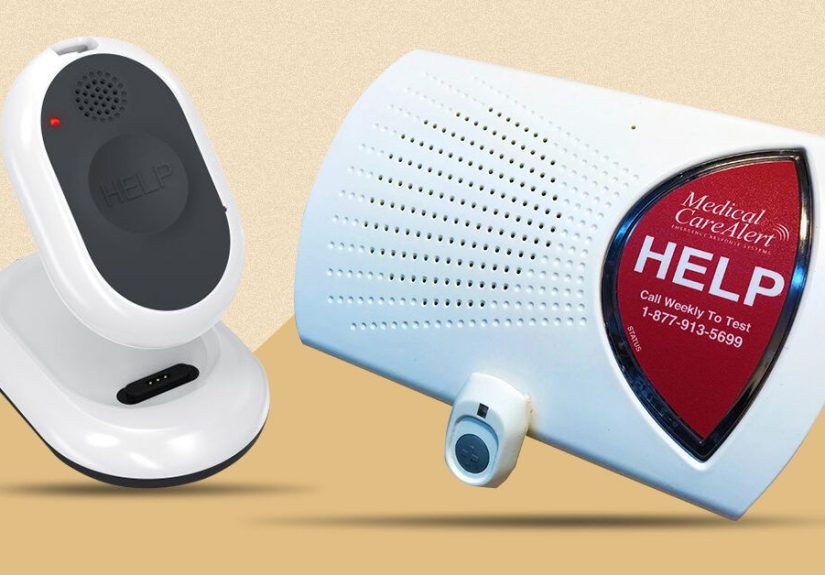
Medical Care Alert is one of the better-known personal emergency response system (PERS) brands in the U.S., offering 24/7 monitored help buttons for at-home use, on-the-go GPS devices, and a smartwatch option.
This review breaks down what Medical Care Alert is, how it works, what it costs, and the real-world “gotchas” people should understand before subscribing.
Quick verdict (for people who don’t want to scroll forever)
Medical Care Alert is worth a close look if you want fast, no-fuss emergency monitoring at a competitive monthly rateespecially for seniors who mostly need protection at home and want simple equipment.
It’s also a strong option for families who value quick response times and caregiver text notifications.
- Best for: seniors aging in place, fall-risk households, caregivers who want text updates, budget-minded shoppers.
- Not ideal for: people who want a “smart home” style app ecosystem, ultra-premium wearables, or lots of health-tracking extras.
What is Medical Care Alert?
Medical Care Alert (offered by American Response Technologies, Inc.) is a Michigan-based, family-owned company that provides monitored medical alert systems in all 50 states.
The core idea is simple: wear a help button (pendant, wrist button, smartwatch, or GPS device). If an emergency happensfall, dizziness, chest pain, medication reaction, or “I can’t get up and I’m not auditioning for a survival show”you press the button and get connected to a U.S.-based monitoring center for help.
How Medical Care Alert works (step-by-step)
1) You set up a personal profile
During setup you provide key details: address, medical conditions, medications, allergies, emergency contacts, and any special instructions (gate codes, lockbox info, “the dog is friendly but dramatic,” etc.).
This matters because in a stressful moment, you don’t want to recite your medication list from memory like it’s karaoke night.
2) You press the button (or fall detection triggers)
When you activate the device, you’re connected to an emergency operator who can talk with you through the base unit or the wearable device (depending on the system).
If you add automatic fall detection, the device may place a call even if you don’t press anythingbut it’s important to understand that no fall detection device catches 100% of falls, so pressing the button is still the gold standard whenever possible.
3) The operator sends help
Depending on the situation and your preferences, the operator can contact family, a neighbor, a caregiver, or dispatch EMS.
Medical Care Alert also promotes notifying caregivers via SMS text message when help is dispatched, which is a big deal if you’re the adult child who keeps their phone on “Do Not Disturb” but still panics when it rings.
Medical Care Alert systems and pricing
Medical Care Alert typically offers three main categories: an in-home system, a mobile GPS system (often called Home & Away), and a smartwatch.
Pricing can vary by promotions and billing frequency, but published starting rates generally land in the “reasonable” lane compared to many competitors.
In-Home System (Landline or Cellular)
This is the classic setup: a base unit in the home and a wearable help button.
Reviews commonly highlight an in-home range around 1,000 feet from the base station, which is helpful for people who spend time in the yard or garage and still want coverage.
Many in-home wearables are designed to be water-resistant, which matters because bathrooms and showers are prime “oops” zones.
- Starting cost: about $29.95/month (published starting rate).
- Fall detection add-on: typically +$10/month.
- Why people choose it: simple setup, no daily charging for the wearable button, solid home range.
Home & Away GPS (Mobile Medical Alert)
If the user leaves the house regularlywalks, errands, church, coffee runs, or just enjoys not being home 24/7 like it’s a subscriptionmobile GPS is the right category.
Medical Care Alert’s mobile options emphasize nationwide coverage and location tools (GPS and other locating methods depending on the device).
Expect to charge the device; published guidance often suggests charging daily even if battery life can stretch longer.
- Starting cost: about $39.95/month (published starting rate).
- Fall detection add-on: typically +$10/month.
- Nice-to-have features: two-way voice on the device; location services; caregiver notifications (varies by model).
Smartwatch
The smartwatch option is for people who prefer wrist-worn help access rather than a pendant.
It can feel more “normal” sociallylike a watch instead of a medical devicethough the tradeoff is usually more frequent charging.
Some published pricing includes an ongoing monthly monitoring fee plus a one-time equipment cost.
- Starting cost: about $39.95/month (published starting rate).
- One-time equipment fee: about $149.95 (commonly cited).
- Best for: seniors who already wear a watch daily and don’t want to remember a pendant.
Billing cadence, promotions, and the “what will I actually pay?” question
Medical alert companies often advertise monthly rates, but may encourage quarterly, semi-annual, or annual billing.
Some published guidance suggests you can get a free month when paying annually.
The most practical advice: treat the published monthly rate as a baseline, then confirm your billing frequency, shipping costs, and any return conditions before you finalize the order.
Monitoring, response time, and why seconds matter
Medical Care Alert emphasizes U.S.-based monitoring and trained emergency operators.
In independent testing reported by a major aging-focused organization, Medical Care Alert logged an average response time of 17 secondswhich is genuinely fast for the industry.
Two quick notes about response times:
- Fast pickup is only one part of the emergency. Dispatch speed, location accuracy, and the user’s ability to communicate still matter.
- Consistency matters more than a single hero moment. A company with “fast on average” but occasional slowdowns can still be frustratingso it helps to read patterns in reviews, not just the best ones.
Caregiver notifications: the underrated feature
Many families care about two outcomes: (1) help gets to the user quickly, and (2) the family doesn’t find out three hours later.
Medical Care Alert is often described as sending SMS text alerts to designated contacts when emergency help is dispatched.
That’s valuable because it reduces the “communication gap” where a caregiver is unaware an incident occurred.
Fall detection: helpful, but not magic
Automatic fall detection can be a lifesaver for users who may lose consciousness, become disoriented, or can’t reach the help button after a fall.
But here’s the honest truth: fall detection is an assist feature, not a guarantee.
Even Medical Care Alert’s own fall detection information emphasizes that no device detects every fall and that users should press the help button whenever they can.
The best way to think about fall detection is “seatbelt,” not “force field.” You still drive carefully. You still remove tripping hazards. You still use night lights. But you’re glad it’s there.
Setup and daily use
How hard is it to install?
Most reviews describe Medical Care Alert systems as self-installation friendly.
For in-home systems, setup usually involves placing and plugging in the base unit and testing the wearable button.
Mobile and smartwatch devices require charging and activation steps, plus testing the connection.
How easy is it to use day-to-day?
The day-to-day success of any medical alert system depends on two behaviors:
(1) the user actually wears the device, and (2) the device is charged if it needs charging.
The in-home pendant often wins for “always ready.”
Mobile devices and smartwatches win for convenience outside the homebut they introduce the “battery chore,” which can be a dealbreaker for some households.
Reputation and trust signals
Medical Care Alert is listed as a BBB-accredited business with an A rating on its BBB profile, with details about years in business and complaint history.
That doesn’t guarantee perfection, but it’s a meaningful trust signalespecially for a category where customers are often dealing with high-stress circumstances and recurring billing.
Returns, cancellations, and the fine print you should actually read
Medical Care Alert commonly promotes a risk-free trial period (often cited as 14 days), and multiple sources note no long-term contracts.
That’s good. But here’s the part people sometimes miss: you typically need to return equipment for cancellation to fully complete, and some fees can apply depending on the situation.
- Trial window: commonly cited as 14 days.
- Shipping: some reviews mention a shipping charge (often around the low teens) unless you choose certain longer billing options that include free shipping.
- Restocking/programming fees: some policies describe a fee if equipment is returned without being connected and tested.
- Equipment return condition: like many providers, damaged or unreturned equipment can create additional chargesso keep boxes, get tracking, and take a quick photo before shipping back (future-you will be grateful).
Pros and cons (the honest list)
Pros
- Fast response time reported in third-party testing.
- Competitive pricing at published starting rates.
- U.S.-based monitoring and trained operators emphasized across multiple sources.
- Caregiver text notifications on dispatch.
- Free lockbox is commonly cited as included (helps EMS access the home).
Cons
- Devices can be “basic.” Great for simplicity, less exciting for tech lovers.
- Smartwatch has an equipment fee in addition to monthly monitoring.
- Mobile devices require charging and charging discipline can be a real-world friction point.
- Returns can feel annoying if you don’t follow the instructions carefully (common pain point in the broader category).
Medical Care Alert vs. other medical alert companies
Medical Care Alert tends to compete on value: a straightforward service with published pricing that often undercuts premium brands.
Where some competitors lean hard into feature-heavy apps, advanced health metrics, or sleek wearables, Medical Care Alert often wins with:
fast response, practical caregiver communication, and a “just works” approach.
If you’re comparison shopping, here are the questions that matter more than brand names:
- Where will it be used? Home-only, or home + out-and-about?
- Who will wear it? Will they actually keep a pendant on? Would a watch get better compliance?
- What’s the charging reality? If charging won’t happen, pick the least battery-dependent option.
- Do you need fall detection? If yes, budget for the add-on and understand its limits.
- How will family be notified? Text alerts are a big plus for caregivers.
Practical buying tips (so you don’t regret the purchase)
Tip #1: Test it immediately (and keep the box)
When the system arrives, do a test call right away and confirm everything works where it will be used (bedroom, bathroom, backyard).
Keep the box and packing materials during the trial period. Returning equipment without the original packaging is the kind of “small problem” that becomes a “why is this my Saturday?” problem.
Tip #2: Put charging into the routine (for mobile and smartwatch users)
For on-the-go devices, create a simple routine: charge while brushing teeth, during breakfast, or overnightwhatever the user will actually do.
Consistency beats good intentions.
Tip #3: Consider HSA/FSA eligibility and Medicare realities
Many medical alert systems can be eligible expenses for HSA/FSA accounts (rules vary by plan administrator), and guidance commonly notes that Original Medicare does not cover medical alert systemsthough some Medicare Advantage plans may offer benefits that help.
If you’re planning reimbursement, ask your plan what documentation they want.
Is Medical Care Alert worth it?
For the right household, yes. If your priority is quick access to help, caregiver notifications, and straightforward pricing, Medical Care Alert checks a lot of boxes.
The biggest deciding factors are lifestyle (home-only vs. mobile) and the user’s willingness to wear/charge the device consistently.
In other words, the best medical alert system is the one that gets used.
Real-world experiences: what it feels like to use Medical Care Alert (about )
Let’s talk about the part most reviews gloss over: the “human experience” of living with a medical alert system.
Because in real life, nobody wakes up excited to accessorize with an emergency pendant. But after a week or two, something funny happenspeople often stop thinking of it as “the panic button” and start treating it like a seatbelt.
The first week: learning the habit
The first seven days are usually about routine. Many users leave the wearable button on the nightstand, then remember it only after they’ve already walked into the bathroom (which is basically the Olympics of slipping hazards).
Caregivers often help by placing the device where it’s impossible to missnext to glasses, next to the toothbrush, or on top of the remote control (because that will definitely be found).
Once the user starts wearing it consistently, anxiety drops. Not “I’m invincible” dropsmore like “Okay, I’m not alone if something happens” drops.
Testing day: oddly comforting
A lot of people expect test calls to feel awkward, like calling customer service to confess you don’t know how to reset a password.
But test calls often do the opposite: they build confidence.
Users learn what the operator sounds like, how loud the speaker is, and how the conversation flows.
Caregivers learn whether Mom can hear well enough without rushing to the phone.
The best part? When a user realizes, “Oh… pressing the button isn’t a dramatic event. It’s just… pressing a button.”
That psychological barrier is huge, especially for people who hate “making a fuss.”
The fall detection reality check
Families love fall detection because it feels like an extra layer of protection for “what if they can’t press the button.”
In practice, fall detection is helpfulbut it’s not a mind reader.
Sometimes it may trigger when someone drops into a recliner with the enthusiasm of a sitcom dad.
Other times it might not trigger during a slow slide down the wall.
The best experience is when families treat fall detection as backup, not the main plan.
Users are encouraged to press the button whenever they’re able, even if the fall detection feature exists.
Caregiver peace of mind (and fewer “just checking” calls)
One of the most tangible changes caregivers report is fewer “Are you okay?” calls.
Not because caregivers stop caringbecause they stop worrying every time there’s a missed call.
When caregiver notifications are part of the workflow, families feel more in the loop.
It’s especially helpful when a senior lives alone and values independence: the system can reduce the feeling of being constantly monitored while still giving the family a safety net.
The moment it pays for itself
The most common “this was worth it” moment isn’t always dramatic. Sometimes it’s dizziness and a need for assistance standing up.
Sometimes it’s a minor fall with no injurybut the user can’t get up safely.
Sometimes it’s a medication mix-up and a caregiver wants help checking symptoms.
What makes the experience positive is speed and clarity: the user presses a button, hears a calm voice, and the next steps are handled.
For many households, that’s the entire point: fewer unknowns, less panic, and a plan that doesn’t rely on luck.