Table of Contents >> Show >> Hide
- Why Medicare scam calls keep working
- Warning signs a Medicare call is a scam
- 1. The call is unexpected
- 2. They ask for your Medicare number
- 3. They want payment details
- 4. They create panic
- 5. They promise “free” medical equipment or services
- 6. They tell you to trust the caller ID
- 7. They ask you to press a number or call back a different number
- 8. They sound official, but weirdly vague
- Common Medicare scam call scripts
- What to do while the scam call is happening
- What to do after a suspicious Medicare call
- How to lower your risk going forward
- Real-life experiences people commonly report
- Final thoughts
Some phone calls arrive with all the subtlety of a marching band. Others sound calm, polished, and suspiciously helpful. Medicare scam calls usually fall into the second category. The caller may sound professional, know your name, and claim to be “updating your benefits,” “verifying your card,” or “helping you qualify” for something free. Translation: they are probably trying to walk off with your Medicare number, your bank information, or both.
These scams work because they borrow the language of health care, government, and urgency. They also target a group that already gets plenty of legitimate insurance mail, benefit notices, enrollment reminders, and provider calls. In that noise, a fake call can sound just real enough to make someone pause. That pause is where the scam begins.
This guide breaks down the biggest warning signs, the most common scripts scammers use, and the exact steps to take if you get one of these calls. The goal is simple: help you protect your Medicare benefits, your personal information, and your peace of mind.
Why Medicare scam calls keep working
Medicare scam calls are a form of government impersonation fraud mixed with medical identity theft. Scammers pretend to represent Medicare, Social Security, a health plan, a medical supplier, or even a fraud investigator. Sometimes they promise a reward. Sometimes they threaten a penalty. Either way, they want you off balance.
They also lean on technology. Caller ID spoofing can make a call look like it is coming from a government office, a local number, or a familiar health organization. That means the number on your screen is not proof of anything. It is more like a Halloween costume for phone numbers.
Once a scammer gets your Medicare number or other personal details, they may try to bill for equipment, fake services, or tests you never needed. In worse cases, stolen information can create medical identity theft problems that affect your records, billing, and future care. So yes, this is about money, but it is also about protecting your health history from becoming a junk drawer full of fraud.
Warning signs a Medicare call is a scam
1. The call is unexpected
If someone claiming to be from Medicare calls out of the blue and asks for personal information, treat that as a giant red flag. Medicare generally does not cold-call people to sell products, replace cards, or demand sensitive information. If you did not start the conversation, skepticism is your friend.
2. They ask for your Medicare number
Your Medicare number should be guarded like a credit card number. If a stranger asks you to “confirm,” “verify,” or “read back” your number, that is not routine housekeeping. That is often the whole scam.
3. They want payment details
Scammers may ask for bank account information, credit card numbers, or routing details to “ship a new card,” “activate benefits,” or “cover a small processing fee.” Real Medicare benefits do not work like a late-night infomercial checkout page.
4. They create panic
Fraud loves urgency. A caller may say your coverage will be canceled today, your card is expiring immediately, or your account is under investigation. Pressure is a tactic, not proof.
5. They promise “free” medical equipment or services
Free braces, knee sleeves, back supports, genetic tests, remote monitoring devices, or at-home screenings are classic hooks. The word “free” is doing a lot of suspicious heavy lifting here. If the offer depends on you giving your Medicare number over the phone, back away.
6. They tell you to trust the caller ID
Caller ID can be spoofed. A call that appears to come from Medicare, Social Security, HHS, or even your local area code can still be fake. A convincing display is not the same thing as a verified caller.
7. They ask you to press a number or call back a different number
Robocalls often urge you to “press 1 now” to keep benefits or speak with an agent. That is usually a trap. It can confirm your number is active and lead to more scam calls later.
8. They sound official, but weirdly vague
Scammers often combine polished language with fuzzy details. They may say “your file,” “your updated benefits,” or “your new card” without clearly identifying your plan, recent request, or the reason for the call. Real organizations usually have context. Scammers have theater.
Common Medicare scam call scripts
The “new Medicare card” scam
The caller says Medicare is issuing a new plastic card, a chip card, or an upgraded card and needs to verify your number or collect a fee. This script has been around for years because it still catches people during periods of confusion. If you need a replacement card, go through official Medicare channels yourself. Do not order one from a random voice with a headset and a sense of destiny.
The “free brace” or “free device” scam
This one is a repeat offender. The caller promises a back brace, knee brace, wrist support, or monitoring device at no cost. They may say your doctor already approved it or that Medicare is covering a special promotion. That is your cue to end the call, not your shopping cart.
The “genetic testing” or screening scam
Scammers may claim you qualify for a cheek swab, cancer screening, or advanced lab test. They position it as preventive care or a personalized health breakthrough. In reality, they may be fishing for your Medicare number to bill for fraudulent services.
The “benefits review” scam
The caller says they are conducting a yearly review to make sure you are getting all eligible benefits. Sounds responsible. Sounds organized. Sounds fake unless you initiated that review with a trusted plan representative or official program.
The “threat” scam
Some calls skip the fake kindness and go straight to intimidation. They say your coverage will be suspended, your benefits are at risk, or legal action is possible unless you verify information immediately. Government agencies do not settle urgent account issues through panic theater.
What to do while the scam call is happening
First, do not argue. You do not win a prize for debating a scammer. Do not confirm your Medicare number, Social Security number, date of birth, bank information, or address. Do not press buttons on a robocall. Do not call back the number on your screen.
The best move is usually the simplest one: hang up.
If you are unsure whether a call might be real, end it and contact Medicare or your health plan using a phone number from an official website, your card, or a statement you know is legitimate. In scam prevention, independently dialing the number is a superpower.
What to do after a suspicious Medicare call
If you did not share any information
That is the ideal outcome. Report the call and move on. You can contact 1-800-MEDICARE to report Medicare impersonators or suspicious benefit-related calls. You can also report the scam to the FTC. If the call involved spoofing, robocalls, or repeated spam, reporting helps investigators identify patterns even when the scammer vanishes like a cheap magician.
If you shared your Medicare number
Act quickly. Call 1-800-MEDICARE and explain what happened. Ask what steps to take to protect your account and benefits. Then review your Medicare Summary Notice or plan statements carefully for charges, supplies, tests, or provider visits you do not recognize.
If you shared financial information
Contact your bank or credit card company right away. Ask them to watch for fraudulent charges, close compromised accounts if needed, and help secure your funds. Then report the incident through official fraud-reporting channels.
If identity theft may be involved
Go to IdentityTheft.gov and start a recovery plan. If medical identity theft may have happened, keep copies of records, statements, and fraud reports. Incorrect medical claims or records can create future billing and care problems, so documentation matters.
If you are age 60 or older and lost money
You may also contact the National Elder Fraud Hotline at 1-833-FRAUD-11. For Medicare-focused help, the Senior Medicare Patrol can help beneficiaries, caregivers, and families detect and report suspicious charges or scams.
How to lower your risk going forward
Treat your Medicare number like money
Do not hand it out casually. Give it only to trusted providers, insurers acting on your behalf, or official helpers you contacted first.
Review your Medicare Summary Notice
This is one of the best fraud detection tools most people ignore until something strange appears. Check for services you did not receive, equipment you never ordered, or provider names you do not know.
Use call-blocking tools
Your phone carrier or mobile device may offer call-blocking or spam-labeling features. They are not perfect, but they can cut down on nuisance calls and make obvious scams easier to spot.
Register with the National Do Not Call Registry
This will not stop criminals, because criminals are not famous for respecting rules. But it can reduce legitimate telemarketing calls, which makes suspicious calls easier to notice.
Slow the conversation down
Scammers want speed. You want time. If a call sounds official, hang up and verify it yourself. A real agency can survive a callback. A scammer usually cannot.
Talk about scams with family members
Fraud thrives in silence and embarrassment. A quick family conversation about common Medicare scams can save someone from a bad decision made under pressure. Sometimes the best anti-scam technology is a relative who says, “That sounds weird. Hang up.”
Real-life experiences people commonly report
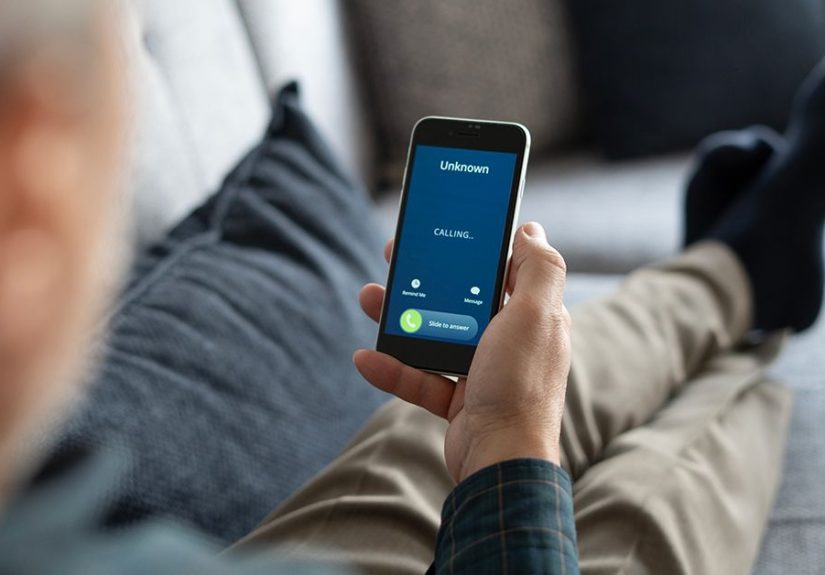
Many Medicare scam stories follow the same pattern, even when the details change. A person answers the phone because the number looks local. The caller already knows their name, which lowers suspicion. Then comes a calm explanation: there is a new card coming, a benefit update, or a special device that Medicare now covers. The script sounds reasonable enough that the target stays on the line a little longer than planned. That extra minute is where the pressure starts.
One common experience involves the “helpful representative.” The caller sounds patient and polite, almost like a customer service worker having a very normal Tuesday. They explain that they only need to “confirm” a Medicare number or mailing address. The word confirm is important because it makes the request sound harmless, as if the caller already knows the information and simply needs your blessing. Later, the person realizes they were not confirming anything. They were handing over the keys.
Another frequent experience happens during Medicare Open Enrollment or after someone receives legitimate insurance mail. That timing makes scam calls especially convincing. A beneficiary may think, “Well, I have been getting Medicare notices lately, so maybe this is related.” The scammer counts on that exact thought. Confusion creates credibility. It is not logic, but it works.
Families also describe cases where a parent or grandparent was offered a “free” back brace, knee brace, or monitoring watch. The caller may say a doctor approved it, a plan update made it available, or supplies are limited and action is required right away. The target may not even want the product, but the phrase “no cost to you” lowers defenses. Later, strange charges show up on statements, or more scam calls begin because the number has now been marked as responsive.
Some of the most stressful experiences involve threats. A caller says benefits will stop, paperwork is incomplete, or fraud has been detected on the account. Even people who are normally cautious can freeze when they hear words like “suspension,” “cancellation,” or “investigation.” Fear narrows thinking. That is why scam prevention experts always emphasize the same thing: urgency is a warning sign, not a reason to comply.
People who catch the scam in time often describe a turning point. Sometimes it is a request for bank information. Sometimes it is the moment the caller becomes pushy. Sometimes it is a relative in the background saying, “Hang up right now.” The lesson is not that victims were careless. The lesson is that scammers are practiced, persuasive, and shameless. The smartest response is not feeling embarrassed afterward. It is reporting the call, checking statements, and warning others before the same script reaches the next phone.
Final thoughts
Medicare scam calls are designed to sound ordinary until the moment they are not. A request to verify your card becomes a demand for personal data. A promise of free equipment turns into fraud. A caller who sounds official is just a stranger until you verify them yourself.
The safest rule is wonderfully unglamorous: never trust an unexpected caller with your Medicare number, financial information, or fear. Hang up, verify independently, and report anything suspicious. It may not feel dramatic, but it is exactly how you protect your benefits and keep scammers from turning your health coverage into their side hustle.