Table of Contents >> Show >> Hide
- What Is Miosis?
- How the Pupil Becomes Constricted
- Common Causes of Miosis
- Symptoms That May Come With Constricted Pupils
- How Doctors Diagnose Miosis
- Treatment for Miosis
- When Constricted Pupils Are an Emergency
- Can Miosis Be Prevented?
- What Real-Life Miosis Experiences Often Look Like
- Final Thoughts
Most people don’t spend much time thinking about their pupils. They’re like the backstage crew of vision: quiet, useful, and only suddenly interesting when something goes wrong. But when pupils become unusually small and stay that way, your eyes may be trying to wave a tiny black flag that says, “Hey, please investigate this.” That condition is called miosis.
Miosis means the pupil is abnormally constricted. In plain English, your pupil looks smaller than expected, especially in situations where it should open wider, like in dim light. Sometimes it’s harmless. Sometimes it’s medication-related. And sometimes it points to a neurologic or eye problem that deserves prompt attention. In other words, tiny pupils can carry surprisingly large messages.
This guide breaks down the causes of miosis, how doctors figure out what’s behind it, and what treatment for constricted pupils may look like depending on the cause. We’ll keep it medically sound, easy to read, and just humorous enough to stop this from feeling like a textbook wearing dress shoes.
What Is Miosis?
The pupil is the dark opening in the center of the iris. Its job is simple but important: control how much light enters the eye. In bright light, pupils normally get smaller. In darkness, they usually get larger. That light-adjusting reflex helps protect the eye and improve vision.
Miosis happens when the pupil becomes constricted beyond what’s expected. Some people call this “pinpoint pupils,” though not every case of miosis is dramatic enough to look like a dot made by an overcaffeinated ballpoint pen.
Small pupils are not automatically a medical emergency. They can happen as a normal response to light, during near focus, or as an effect of certain medications. The real question is this: Is the pupil size appropriate for the situation, and are there other symptoms tagging along for the ride?
How the Pupil Becomes Constricted
Two muscle systems in the iris control pupil size. One system tightens the pupil, and the other opens it up. Miosis usually happens when the constricting system is overactive, the dilating system is underactive, or the eye is reacting to a medication, injury, inflammation, or nerve problem.
That is why constricted pupils are a sign, not a stand-alone disease. Think of miosis as a clue. Helpful clue? Yes. Final answer? Not even close.
Common Causes of Miosis
1. Medications and drugs
One of the best-known causes of miosis is opioid use. Prescription opioids, heroin, and other opioid substances can cause pupils to become very small. In overdose situations, pinpoint pupils may appear along with slowed breathing, extreme sleepiness, and reduced responsiveness. That combination is a medical emergency.
Other medications can also shrink the pupil. Eye drops such as pilocarpine, which may be used for certain eye conditions, are designed to make the pupil smaller. So yes, sometimes miosis is alarming, and sometimes it is literally the medication doing exactly what it was hired to do.
2. Horner syndrome
Horner syndrome is a classic cause of one-sided miosis. It usually affects only one eye and often comes with a droopy upper eyelid and reduced sweating on the same side of the face. The smaller pupil may be more noticeable in dim light because it does not dilate properly.
This syndrome is not a diagnosis you stop at. It is usually a signal that something has interrupted part of the sympathetic nerve pathway. Causes may include stroke, tumor, spinal cord problems, neck trauma, or carotid artery dissection. That is why a new small pupil with eyelid drooping and neck or head pain deserves urgent medical evaluation.
3. Eye inflammation, including uveitis or iritis
Inflammation inside the eye can lead to miosis, eye pain, redness, sensitivity to light, and blurred vision. Conditions such as anterior uveitis or iritis may cause the pupil to constrict and become sluggish. Over time, inflammation can also lead to synechiae, where the iris sticks to nearby structures. That can make the pupil smaller, irregular, or less reactive.
In these cases, the pupil is not being dramatic for fun. It is reacting to irritation and inflammation, and the eye needs professional treatment.
4. Cluster headaches
Cluster headaches are famous for causing severe pain around one eye, often with tearing, redness, nasal congestion, and eyelid swelling. Some people also develop a small pupil on the painful side. When that happens, the picture can resemble Horner syndrome.
If you have a known history of cluster headaches, this may fit the pattern. But if these symptoms are new, especially with neurologic changes, do not assume it is “just a headache.” The brain is not a great place for guesswork.
5. Brain and nerve problems
Certain neurologic conditions can cause miosis, including brainstem stroke. Trauma, bleeding in or around the brain, or other disruptions of nerve pathways may also affect pupil size. When miosis appears suddenly with weakness, speech difficulty, confusion, severe headache, facial droop, or trouble walking, emergency care is essential.
6. Eye injury
Trauma to the eye can damage muscles or nerves that control the pupil. An injured eye may become painful, swollen, red, and abnormally constricted. If miosis happens after an injury, especially with vision changes, that is not something to “watch and see” while hoping for a miracle and a snack. It needs urgent evaluation.
7. Rare infectious or neurologic causes
Less commonly, miosis may be linked to conditions such as neurosyphilis or toxic exposures. These are not the usual culprits, but they matter when the history and symptoms point in that direction. Medicine loves patterns, but it also loves surprises. Unfortunately, some of those surprises arrive wearing fake mustaches.
Symptoms That May Come With Constricted Pupils
Miosis itself may not always cause obvious symptoms. Some people notice it only in the mirror or in a photo. Others develop symptoms because the underlying cause affects more than just pupil size.
Possible associated symptoms include:
- Eye pain
- Redness
- Blurred vision
- Light sensitivity
- Headache
- Drooping eyelid
- Unequal pupils
- Reduced sweating on one side of the face
- Confusion, sleepiness, or slowed breathing
- Neck pain or neurologic symptoms
Those details matter because diagnosis of constricted pupils depends heavily on context. A small pupil after a prescribed eye drop is a different story from a small pupil with chest-to-floor sleepiness after opioid exposure.
How Doctors Diagnose Miosis
The diagnosis of miosis starts with history and physical examination. Doctors want to know when it began, whether it affects one eye or both, what medications you take, whether there was trauma, and whether symptoms such as pain, headache, eyelid droop, vision changes, or weakness are present.
Looking at light and dark responses
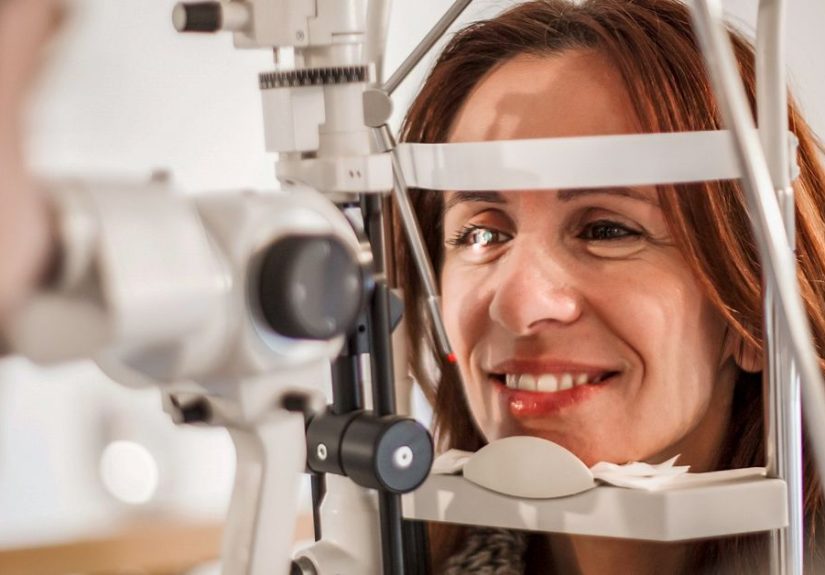
An eye care professional or physician checks how the pupils react in bright light and in darkness. This helps determine which pupil is behaving abnormally and whether the problem lies more with constriction or dilation.
Eye examination
A full eye exam may include checking vision, eye pressure, and the front structures of the eye. If inflammation is suspected, the provider may look for signs of uveitis, synechiae, corneal injury, or other structural problems.
Neurologic evaluation
If the pattern suggests a nerve or brain issue, a neurologic exam follows. Doctors may look for facial asymmetry, weakness, speech changes, abnormal eye movements, imbalance, or sensory deficits.
Imaging tests
When the story raises concern for Horner syndrome, stroke, carotid dissection, mass, or other neurologic disease, imaging such as MRI or CT may be necessary. In some cases, imaging of the brain, neck, chest, or spinal cord is needed because the nerve pathway involved in pupil dilation takes a surprisingly long road trip through the body.
Special eye-drop testing
For suspected Horner syndrome, ophthalmologists or neuro-ophthalmologists may use special pharmacologic testing. Apraclonidine drops are commonly used to help confirm the diagnosis in the right clinical setting.
Testing for toxins or overdose
If opioid intoxication is suspected, the clinical picture matters more than a dramatic detective monologue. Tiny pupils, slowed breathing, and decreased responsiveness demand immediate emergency action first, with additional testing as needed.
Treatment for Miosis
Miosis treatment depends entirely on the underlying cause. There is no universal “make pupils normal again” button. If only medicine were that convenient.
Medication-related miosis
If a prescribed medication is causing small pupils but no dangerous symptoms, treatment may simply involve monitoring or adjusting the medication under medical guidance. Never stop a prescribed medicine on your own without checking with your clinician.
Opioid overdose
If miosis is part of a suspected opioid overdose, emergency treatment is critical. Naloxone can reverse the effects of opioid overdose and restore breathing, but emergency medical help is still necessary. Pinpoint pupils plus slowed breathing is not the moment for internet bravery.
Horner syndrome
There is no one-size-fits-all treatment for Horner syndrome itself. Care focuses on finding and treating the underlying cause. That may mean treating vascular disease, removing a tumor, addressing trauma, or managing another neurologic condition.
Uveitis, iritis, and synechiae
Inflammatory eye disease may be treated with steroid eye drops, other anti-inflammatory medicines, and dilating drops to reduce pain and help prevent or break adhesions. If infection is involved, antimicrobial treatment may be needed as well.
Cluster headache
When miosis appears as part of cluster headache, treatment focuses on the headache disorder. Acute therapies and preventive treatments may reduce attacks and improve associated symptoms.
Eye injury or neurologic disease
Trauma, stroke, and other serious neurologic problems require targeted treatment based on the diagnosis. That may involve emergency care, medications, procedures, surgery, or hospitalization.
When Constricted Pupils Are an Emergency
Seek urgent or emergency care if miosis happens with any of the following:
- Slow or stopped breathing
- Extreme drowsiness or inability to wake up
- Sudden eyelid drooping with neck or head pain
- Weakness, facial droop, trouble speaking, or confusion
- A painful red eye or sudden vision changes
- Recent eye injury
- The worst headache of your life
In those situations, a constricted pupil is not random trivia. It may be one piece of a much bigger medical problem.
Can Miosis Be Prevented?
Prevention depends on the cause. Some cases are not preventable, but you can lower risk by:
- Using prescription medications exactly as directed
- Knowing the overdose risks of opioids
- Seeking treatment for new headaches, droopy eyelids, or neurologic symptoms
- Protecting your eyes during sports and hazardous work
- Getting prompt care for painful or red eyes
- Keeping follow-up appointments for eye and neurologic conditions
What Real-Life Miosis Experiences Often Look Like
Medical articles can sound clean and tidy, but real life usually shows up with wrinkles, confusion, and a half-finished cup of coffee. People rarely walk into a clinic announcing, “Greetings, I suspect parasympathetic dominance affecting my pupils.” They say things like, “My eye looks weird,” “My eyelid seems droopy,” or “Why do I look like I’ve been staring into the sun for three days?”
One common experience is the person who notices one pupil looks smaller in the mirror while getting ready for work. At first, they blame bad bathroom lighting, because bathroom lighting has betrayed humanity for generations. But then they notice a mild eyelid droop on the same side, maybe a strange headache or neck pain, and that’s when the story changes. In cases like this, a quick evaluation can uncover Horner syndrome and, more importantly, the problem causing it.
Another real-world pattern happens in inflammatory eye disease. Someone develops a painful red eye, light sensitivity, and blurry vision. The pupil looks tight and stubborn, almost like it refuses to participate. They may think it is pink eye, allergies, or fatigue, but the exam shows iritis or anterior uveitis. Once treatment starts, patients often describe the biggest relief as not just seeing better, but finally being able to look at daylight without feeling like the sun has declared war.
There is also the medication story. A person starts a new eye drop or uses a prescribed ophthalmic medicine and then notices smaller pupils, dim vision in low light, or trouble adjusting between bright and dark spaces. In that case, the change may be expected, but it still feels unsettling the first time. Many patients say the strange part is not pain; it is the odd awareness that something tiny in the eye suddenly feels very noticeable.
Then there are the emergency situations, where miosis is only one clue in a bigger, more dangerous picture. Family members may describe someone as unusually sleepy, breathing slowly, or impossible to wake up. They notice pinpoint pupils almost by accident, maybe while shaking the person’s shoulder or calling 911. In those moments, recognizing the pattern matters. Fast action can save a life.
People with cluster headaches often describe a different kind of experience altogether: brutal one-sided pain, a watery red eye, nasal congestion, and a smaller pupil on the same side. These patients usually do not come in saying, “I’m worried about miosis.” They come in saying something more honest, like, “My head feels possessed.” Fair enough. The pupil change is real, but the pain is what dominates the memory.
Even when miosis turns out to be benign or medication-related, patients often remember the emotional part most clearly: the surprise of seeing something different in the mirror, the worry that it could mean a stroke or brain problem, and the huge relief of getting a real explanation. That is why education matters. Understanding constricted pupils does not mean self-diagnosing every weird eye moment. It means knowing when not to shrug and when to get help.
Final Thoughts
Miosis may look like a small issue, but its meaning can range from totally expected to medically urgent. Constricted pupils can be caused by medications, opioids, Horner syndrome, cluster headaches, inflammation inside the eye, trauma, or neurologic disease. The right response depends on the whole picture, not just the pupil itself.
If your pupils are small but stable because of a known medication, the explanation may be simple. If miosis appears suddenly, affects one eye, comes with pain, drooping, breathing problems, or neurologic symptoms, it deserves prompt care. When it comes to pupil changes, tiny details can tell very big stories.