Table of Contents >> Show >> Hide
- Why Dahlias Are Winning the Fall Flower Race
- What Makes Dahlias Better Than Mums for Many Arrangements?
- The Best Dahlia Types for Fall Arrangements
- How to Build a Gorgeous Fall Arrangement with Dahlias
- How to Make Cut Dahlias Last Longer
- Where Dahlias Work Best in Fall Decorating
- Are Mums Officially Out?
- Final Thoughts
- Experiences People Commonly Have When Decorating with Dahlias in Fall
- SEO Tags
Every fall, mums show up like that reliable friend who always brings the same casserole to Thanksgiving. Helpful? Absolutely. Exciting? Well, let’s not get carried away. This season, a more dramatic flower is stealing the spotlight in centerpieces, porch displays, farmers market bouquets, and dining table arrangements: the dahlia.
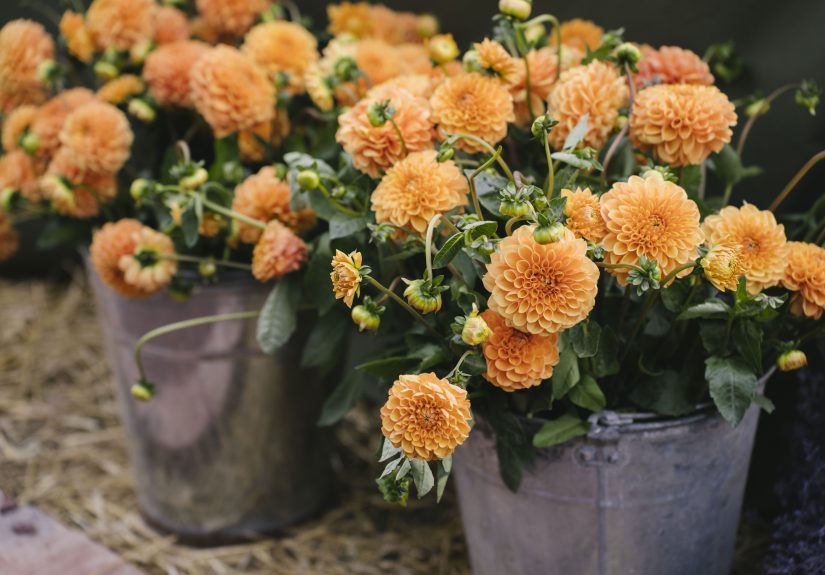
With their layered petals, painterly color range, and almost suspiciously photogenic shapes, dahlias are becoming the bloom people reach for when they want fall flowers that feel rich, fresh, and a little more elevated than the usual autumn formula. They still fit the season perfectly, but they do it with more flair. Think deep burgundy instead of basic bronze. Think peachy-caramel petals beside berry branches and eucalyptus. Think “harvest dinner in a magazine spread,” not “plastic scarecrow guarding the mailbox.”
Dahlias are especially appealing because they bridge late summer abundance and autumn moodiness better than almost any other cut flower. They bloom during that golden stretch from late summer into fall, and their colors slide beautifully into the season’s palette: rust, plum, apricot, copper, wine, blush, buttery gold, even creamy near-neutrals for softer tablescapes. In other words, they understand the assignment.
If you’ve noticed more designers, home gardeners, and market shoppers swapping mums for dahlias in fall arrangements, you’re not imagining things. The shift makes sense. Dahlias offer more variety in shape, more personality in color, and more flexibility in styling. They can look rustic, refined, romantic, modern, or wildly abundant depending on how you use them. Mums still have their place, but dahlias are the bloom currently making fall feel less predictable and a whole lot more gorgeous.
Why Dahlias Are Winning the Fall Flower Race
The biggest reason dahlias are taking over fall arrangements is simple: they have range. A single stem can look sculptural and luxurious, while a mixed bunch can feel loose, garden-inspired, and effortless. Unlike some traditional fall flowers that instantly read “seasonal décor,” dahlias can be styled to feel classic rather than themed.
That matters because today’s fall decorating leans less toward over-the-top novelty and more toward natural texture, layered color, and pieces that work in real homes. Dahlias fit that mood beautifully. They bring warmth without looking stiff, drama without looking fussy, and color without screaming, “I bought everything in aisle seven of a craft store.”
Another reason people love them is the incredible diversity of forms. Ball dahlias are tidy, symmetrical, and wonderfully polished. Decorative dahlias feel lush and generous. Waterlily types have a softer, flatter elegance. Pompon dahlias add playful texture. Dinnerplate varieties deliver full theatrical chaos in the best possible way. When one flower family gives you all of that, it becomes easy to build arrangements with depth and character.
Dahlias also play nicely with other fall elements. Pair them with dried grasses, eucalyptus, seeded branches, rose hips, scabiosa, zinnias, sunflowers, asters, or even mini gourds nearby on the table, and suddenly the arrangement feels layered and seasonal without becoming cheesy. They are equally at home in a rustic ceramic pitcher, a moody compote bowl, a vintage brass vessel, or a plain glass vase from your kitchen cabinet.
What Makes Dahlias Better Than Mums for Many Arrangements?
They offer more visual drama
Mums are cheerful, dependable, and undeniably autumnal, but dahlias tend to have more movement and dimension. Their petals can curl, layer, spiral, or flatten in ways that make even simple bouquets look thoughtfully designed. You do not need a professional florist’s touch to make dahlias look good. Frankly, they do a lot of the heavy lifting themselves.
They come in richer, more nuanced colors
Fall arrangements look especially sophisticated when the palette includes complex shades rather than just standard orange and yellow. Dahlias excel here. You can find blooms in smoky mauve, dusty rose, brick red, coral-peach, creamy white, deep aubergine, and sunset blends that look hand-painted. These tones work beautifully with wood tables, linen runners, candles, and all the cozy trimmings people pull out once the weather cools.
They feel less predictable
There is nothing wrong with a classic mum planter on the porch. But for indoor arrangements, entertaining, gifting, or more design-forward decorating, dahlias feel fresher. They still say “fall,” but in a way that feels more tailored and current. They are the floral equivalent of upgrading from a basic sweater to one that actually fits and has good buttons.
They suit both casual and formal styling
A bundle of dahlias can be dropped into a stoneware pitcher for an easy farmhouse look or arranged with roses and berries for a more polished centerpiece. That flexibility is a huge advantage. One flower, many moods, zero identity crisis.
The Best Dahlia Types for Fall Arrangements
If you want to recreate the dahlia-forward fall look, choosing the right forms matters almost as much as choosing the right colors.
Ball dahlias
These are among the best choices for arrangements because they are durable, symmetrical, and long-lasting. Their rounded shape helps anchor a bouquet visually, and they mix beautifully with airy fillers and foliage. If you want an arrangement that looks polished but not uptight, start here.
Informal decorative dahlias
These have a fuller, fluffier look that brings movement and softness. They are ideal when you want arrangements that feel abundant and romantic. In fall, they look especially lovely in dusty apricot, burgundy, or blush tones mixed with foraged branches and textural greens.
Waterlily dahlias
For a slightly more elegant, low-profile look, waterlily dahlias are excellent. Their shape is refined and open, which makes them useful in centerpieces where height needs to stay moderate so guests can actually see one another over dinner. Revolutionary concept, I know.
Dinnerplate dahlias
These are statement flowers, best used sparingly. One or two large blooms can become the stars of a mantel display or a dramatic entry arrangement. Use too many, and your bouquet may start to look like it is trying out for a reality show.
How to Build a Gorgeous Fall Arrangement with Dahlias
You do not need floral school credentials to create something beautiful. You just need good stems, a container that feels sturdy, and enough restraint to stop before turning it into a shrub explosion.
Start with a fall color story
Pick two or three main shades instead of every autumn color in existence. A few reliable combinations include:
- Burgundy, blush, and deep green
- Dusty orange, plum, and brown
- Peach, cream, and muted sage
- Rust, gold, and berry tones
This keeps the arrangement intentional rather than chaotic. Dahlias are already visually rich, so a limited palette helps them shine.
Choose a supporting cast
Dahlias work beautifully with zinnias, asters, roses, eucalyptus, smoky foliage, ornamental grasses, and berry-laden branches. You can also add textural elements like dried seed heads or preserved leaves for a more seasonal feel. The goal is contrast: round blooms against airy stems, soft petals against rougher textures.
Build structure first
Begin with greenery or branching stems to create shape. Then place your largest dahlias first so the design has focal points. After that, fill in with medium blooms and finish with lighter accents. A loose, asymmetrical arrangement often feels more modern and natural than something perfectly round.
Let the flowers breathe
One of the easiest mistakes is packing stems too tightly. Dahlias are detailed flowers. Give them room so each bloom can be appreciated. If every petal is elbowing another petal for attention, the whole arrangement looks crowded.
How to Make Cut Dahlias Last Longer
Dahlias are beautiful, but they are not the kind of flower you can ignore for a week and expect gratitude. They reward proper care.
Cut them at the right stage
Dahlias should usually be harvested when they are nearly or fully open, because unlike some flowers, they do not continue opening much after being cut. If you harvest too early, you may end up with a bloom that never reaches its potential.
Harvest in the cool part of the day
Morning or evening is best, when stems are better hydrated. This helps reduce stress on the flowers and improves vase performance.
Use clean tools and a clean vase
Dirty tools and grimy containers encourage bacteria, which shortens vase life. Cleanliness is not glamorous, but neither is watching your arrangement collapse two days early.
Strip lower leaves
Remove any foliage that would sit below the waterline. Leaves left in water break down quickly, creating bacterial soup. Your flowers deserve better than soup.
Refresh the water often
Change the water regularly and recut stems if needed. Ball dahlias are especially valued because they can last longer than many people expect when handled well. If an arrangement lives in a cool room away from direct sun and heating vents, it usually performs much better.
Where Dahlias Work Best in Fall Decorating
Dining tables
Dahlias are ideal for centerpieces because they bring fullness and color without always needing huge volume. Use shorter vessels and medium-sized blooms for a dinner table, then tuck in berries, herbs, or trailing greens to soften the edges.
Entry consoles
A moody arrangement of burgundy and apricot dahlias in a ceramic vase can instantly make an entry feel seasonal and welcoming. It says, “Yes, this house has candles, and yes, someone probably baked something with cinnamon.”
Kitchen islands and breakfast nooks
A casual bunch of dahlias in a pitcher or mason jar can warm up everyday spaces without feeling too formal. This is where they truly outperform many traditional fall flowers: they look luxurious but still relaxed.
Holiday entertaining
Whether you are hosting a harvest dinner, a Friendsgiving, or Thanksgiving itself, dahlias fit beautifully into tablescapes with linens, fruit, brass candlesticks, and foraged details. They add color without requiring a theme party to justify their existence.
Are Mums Officially Out?
Not at all. Mums are still beloved for good reason. They are affordable, classic, easy to find, and strongly associated with autumn. But when people want arrangements that feel more layered, artful, and elevated, dahlias increasingly have the advantage.
Think of it this way: mums are the dependable seasonal standard, while dahlias are the bloom that makes someone stop, lean in, and ask, “Wait, what is that flower?” In a world where people want seasonal décor that feels both personal and beautiful, that extra spark matters.
So no, mums are not being kicked out of fall entirely. They are just no longer the only stars of the show. Dahlias have arrived in dramatic fashion, and frankly, they are not being subtle about it.
Final Thoughts
If you are ready to refresh your autumn décor, dahlias are one of the smartest flowers you can bring home. They capture the warmth of fall without falling into cliché. They offer texture, shape, and color complexity that makes arrangements feel designer-worthy even when assembled on a kitchen counter with a pair of scissors and a hopeful attitude.
The real magic of dahlias is that they make fall arrangements feel alive. They are not stiff or predictable. They shift beautifully from garden-inspired casual to full-on centerpiece glamour. Whether you choose tidy ball dahlias, soft decorative forms, or a few oversized statement blooms, they bring a freshness that many traditional fall flowers simply cannot match.
So yes, move over mums. There is a vibrant new favorite in town, and it is bringing layered petals, rich color, and just enough drama to make autumn arrangements feel exciting again.
Experiences People Commonly Have When Decorating with Dahlias in Fall
One of the most interesting things about dahlias in fall arrangements is how often people describe the same reaction: surprise. They may buy a bunch on impulse at a farmers market, thinking the flowers are pretty, then get them home and realize they change the entire mood of a room. A dining table that felt ordinary suddenly feels intentional. An entryway that looked flat becomes warm and welcoming. A porch vignette that leaned a little too pumpkin-heavy suddenly gets balance, softness, and color depth.
Another common experience is that dahlias make people feel more creative than they expected. With mums, many shoppers already know what the arrangement will look like before they start. With dahlias, there is more room to play. Someone might mix caramel-toned dahlias with eucalyptus and berries for a refined centerpiece, then try another bunch in a rustic pitcher with zinnias and seed pods for something looser and more playful. The flower almost invites experimentation, which is part of its charm.
Home entertainers also tend to notice that guests respond to dahlias differently. People often comment on the blooms up close because the petals have so much detail. Ball types look almost geometric. Decorative forms seem hand-painted. Larger blooms have a lush, layered effect that photographs beautifully in candlelight and still looks impressive in daylight. In practical terms, that means dahlias do more than fill a vase; they become part of the event experience.
Gardeners who grow their own often talk about the pleasure of cutting stems in the cool morning and bringing them inside for the first real fall arrangement of the year. That ritual marks the seasonal shift in a way that feels personal. Instead of buying generic décor, they are moving the garden indoors. The arrangement becomes a record of what is blooming right now: maybe a few copper dahlias, some plum foliage, a late zinnia, and a branch clipped from the yard. That kind of arrangement feels collected rather than purchased, and people tend to remember it longer.
There is also the simple experience of discovering that dahlias feel special without feeling fussy. Many people expect dramatic flowers to be difficult to style, but dahlias often look good even in informal arrangements. A handful of stems, a clean vase, and a little negative space can be enough. That ease builds confidence. Once people use dahlias successfully one time, they often reach for them again the next fall because the flowers made them look far more talented than they felt.
Perhaps the strongest shared experience is that dahlias make fall decorating feel less repetitive. For anyone tired of seeing the same porch pots, the same yellow-orange combinations, and the same predictable centerpieces, dahlias offer a way out. They still belong to the season, but they bring freshness, personality, and beauty that feels a little more individual. And honestly, that may be why they are taking over fall arrangements in the first place.
![18 Best Types of Charts and Graphs for Data Visualization [+ How to Choose]](https://corkopencoffee.org/wp-content/uploads/2026/05/18-best-types-of-charts-and-graphs-for-data-visualization-how-to-choose-qKM1PBYG-thumb.jpg)