Table of Contents >> Show >> Hide
- What “Muscle Weakness” Actually Means
- The Pattern Is the Clue: How Weakness Behaves
- Common Causes of Muscle Weakness (From “Not a Big Deal” to “Don’t Wait”)
- When Muscle Weakness Is an Emergency
- How Muscle Weakness Is Diagnosed
- Treatment Options: What Helps (and What Usually Doesn’t)
- Practical Self-Check: Questions Worth Asking Yourself
- FAQ: Quick Answers to Common Questions
- Bottom Line
- Experiences: What Muscle Weakness Can Look Like in Real Life (500+ Words)
You know that moment when your grocery bag suddenly feels like it’s filled with bowling balls… and you
start wondering if your arms have quietly resigned? Muscle weakness can be that harmless (hello, skipped
lunch + bad sleep) or a sign your body is waving a big, neon “check me out” flag.
This guide breaks down what muscle weakness really means, the most common causes, how clinicians diagnose it,
and what treatment typically looks likeplus practical tips and a longer “real-world experiences” section
at the end to make this topic feel less like a textbook and more like… life.
What “Muscle Weakness” Actually Means
People use the word weakness to describe a few different sensations, and mixing them up can
send you down the wrong rabbit hole:
-
True muscle weakness: Your muscle can’t produce normal forceeven when you’re trying.
Example: you cannot stand from a chair without using your arms. -
Fatigue: You can generate strength at first, but you “run out of gas” quickly.
Example: you start strong in a workout, then fade fast. -
Pain-limited effort: The muscle might be strong enough, but pain (or fear of pain)
makes you hold back. Example: a shoulder injury makes lifting feel impossible. - Deconditioning: Not a character flawjust physiology. Less activity means less strength.
Why it matters: different problems point to different causes. “I’m tired” often nudges the conversation toward
sleep, mood, anemia, infection, or overtraining. “I can’t lift my foot” steers the conversation toward nerves,
muscles, the brain/spinal cord, or the junction where nerves talk to muscles.
The Pattern Is the Clue: How Weakness Behaves
Clinicians love patterns because the nervous system and muscles are organized like a very picky wiring diagram.
A few high-value questions can narrow the possibilities fast:
1) How quickly did it start?
- Minutes to hours: think urgent causes (especially if one-sided or with speech/vision issues).
- Days to weeks: infections, inflammation, medication effects, nerve disorders.
- Months to years: endocrine problems, nutritional issues, degenerative neurologic disease, inherited muscle disorders, aging-related loss of muscle.
2) Where is the weakness?
-
Proximal weakness (hips/shoulders): trouble climbing stairs, rising from a chair, lifting arms to wash hair.
This often suggests a muscle process (myopathy) or systemic/metabolic problem. - Distal weakness (hands/feet): trouble with grip, buttoning, foot drop. Often points to nerves.
- One side only: can indicate a brain/spinal cord issueor a localized nerve/muscle injury.
- Face/throat involvement: droopy eyelids, double vision, slurred speech, chokingthink neuromuscular junction or certain neurologic causes.
3) Is it symmetric or asymmetric?
Many muscle diseases cause symmetric weakness (both sides similarly). A single weak limb or patchy weakness
more often suggests a nerve, spine, or brain problem.
4) Are there “extra” symptoms?
- Numbness/tingling: often nerve involvement.
- Muscle pain/tenderness: can occur with inflammation, injury, medication-related muscle problems, or rhabdomyolysis.
- Fever, weight loss, rash: infection or autoimmune disease becomes more likely.
- Shortness of breath: can be a sign respiratory muscles are involvedalways taken seriously.
Common Causes of Muscle Weakness (From “Not a Big Deal” to “Don’t Wait”)
Muscle weakness is a symptom, not a single disease. Here are the major buckets clinicians considerplus examples
so it’s not just a list of scary words.
Everyday & Reversible Causes
- Sleep deprivation, stress, poor nutrition: your nervous system and muscles don’t run well on fumes.
- Deconditioning: after illness, injury, a sedentary stretch, or prolonged bed rest.
- Overtraining: too much intensity, not enough recoveryespecially with endurance sports.
- Dehydration: can worsen performance and cramping; sometimes reflects broader electrolyte issues.
Medication- or Toxin-Related
-
Statin-associated muscle symptoms: can include aches, cramping, and sometimes weakness.
Severe muscle injury is rare, but the “muscle problem” conversation often starts here if symptoms line up with timing. - Corticosteroids (long-term): can lead to steroid myopathyoften proximal weakness.
- Alcohol: heavy use can contribute to muscle injury and weakness (acute or chronic patterns).
- Drug interactions: certain combinations increase the risk of muscle toxicity in susceptible people.
Metabolic & Endocrine Causes
- Electrolyte problems: low potassium, calcium, magnesium, or phosphate can impair muscle function.
- Thyroid disease: both low and high thyroid states can be linked with muscle weakness.
- Diabetes complications: neuropathy (nerve damage) may cause weakness, especially distally.
- Vitamin deficiencies: certain deficiencies (like B12) can affect nerves and lead to weakness patterns.
Neurologic Causes
- Stroke or transient neurologic events: often sudden weakness on one side, sometimes with face droop, speech changes, vision problems, or coordination issues.
- Spinal cord compression: weakness with back pain, numbness, balance issues, or bladder/bowel symptoms can be urgent.
- Peripheral neuropathy: weakness with sensory changes, often in a “glove and stocking” pattern.
- Motor neuron disease (example: ALS): progressive weakness with characteristic neurologic findings.
Neuromuscular Junction Causes
-
Myasthenia gravis: classically causes fatigable weaknessoften worse with activity and later in the day.
Eye muscles (droopy eyelids, double vision) and swallowing can be involved.
Muscle Diseases (Myopathies)
- Inflammatory myopathies (myositis): often symmetric proximal weakness; sometimes associated with pain, fatigue, or rash (depending on subtype).
- Inherited muscle disorders: may present in childhood or adulthood depending on type.
- Rhabdomyolysis: severe muscle injury that can cause weakness and dark urine; triggers include extreme exertion, trauma, infections, and medications in certain settings.
The key takeaway: weakness is not one diagnosis. It’s a “why is the system underperforming?” question, and the answer
depends heavily on the pattern, timing, and exam findings.
When Muscle Weakness Is an Emergency
Get emergency help right away (don’t drive yourself) if weakness is paired with any of the following:
- Sudden one-sided weakness, facial droop, slurred speech, confusion, vision loss, severe dizziness, or trouble walking.
- Rapidly worsening weakness over hours to days, especially if it starts in the legs and climbs upward.
- Trouble breathing, shortness of breath at rest, or inability to speak full sentences comfortably.
- Choking, severe swallowing trouble, or drooling due to weakness.
- Severe muscle pain with dark/cola-colored urine or markedly decreased urination.
- Back/neck pain with weakness, numbness, or new bladder/bowel control problems.
If you’re thinking, “That sounds intense,” goodthose are the scenarios where minutes and hours can matter.
How Muscle Weakness Is Diagnosed
Diagnosis usually follows a stepwise approach. The goal is to confirm true weakness, localize where the problem is
happening (brain, spinal cord, nerve, neuromuscular junction, or muscle), and identify the underlying cause.
Step 1: History (aka the detective work)
- Onset and progression: sudden vs gradual; stable, improving, or worsening.
- Distribution: proximal vs distal; symmetric vs asymmetric; focal vs generalized.
- Triggers: new meds, dose changes, recent viral illness, heavy exertion, heat exposure, alcohol binges.
- Associated symptoms: pain, numbness/tingling, cramps, rash, fever, weight change, swallowing/breathing issues.
- Functional impact: stairs, chair rise, grip strength, foot dragging, frequent falls.
Step 2: Physical and neurologic exam
Clinicians test strength across key muscle groups and often grade it using a standardized scale (commonly the Medical Research Council scale).
They also check reflexes, sensation, coordination, gait, and signs that help distinguish nerve vs muscle vs brain/spinal cord causes.
Step 3: Targeted tests
The tests chosen depend on the suspected category. Common examples include:
- Blood tests: electrolytes, kidney function, thyroid markers, glucose/A1C, inflammatory markers, vitamin levels in select cases.
- Creatine kinase (CK): often elevated when muscle fibers are injured (certain myopathies, rhabdomyolysis), but can be normal in other causes.
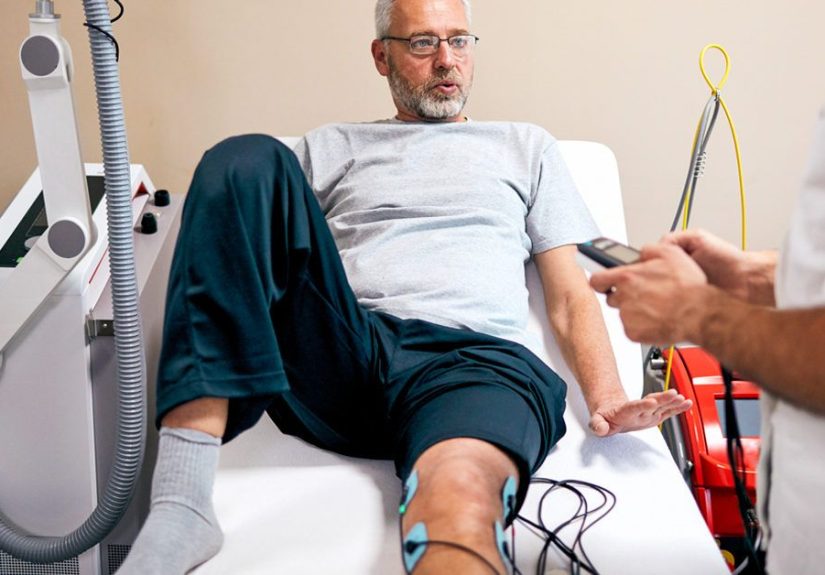
- Electrodiagnostic testing: EMG and nerve conduction studies can help separate nerve disorders from muscle disorders and evaluate neuromuscular junction problems.
- Imaging: MRI of brain/spine when stroke, spinal cord compression, or structural issues are suspected; muscle MRI may be used in some myopathies.
- Autoimmune testing: antibody tests in suspected inflammatory myopathy or myasthenia patterns.
- Genetic testing: when an inherited condition is suspected.
- Muscle biopsy: occasionally needed when inflammatory or unusual muscle disease is suspected and other tests don’t settle it.
A practical truth: most “mystery weakness” cases become less mysterious once the pattern, exam, and a few focused tests line up.
Treatment Options: What Helps (and What Usually Doesn’t)
There’s no one-size-fits-all fix because weakness is a symptom. Treatment targets the causeplus supportive strategies
to restore function and prevent complications.
1) Treat the underlying cause
-
Medication-related weakness: a clinician may adjust the dose, switch medications, check for interactions,
or order labs if muscle injury is suspected. Don’t stop prescription meds abruptly without medical guidance. - Electrolyte imbalance: correction can improve strength, sometimes dramatically, depending on severity and cause.
- Thyroid-related weakness: improves as thyroid levels are normalized (timeline varies).
- Inflammatory myopathies: often treated with immunosuppressive strategies under specialist care; physical therapy is commonly part of recovery.
- Myasthenia gravis: treatment may include symptomatic therapies and immune-directed approaches; urgent care is needed if breathing/swallowing is affected.
- Rhabdomyolysis: typically requires urgent evaluation; severe cases may need IV fluids and monitoring for kidney injury.
2) Restore function and confidence
- Physical therapy: helps rebuild strength, balance, and movement patterns safely.
- Occupational therapy: focuses on daily activitiesgrip, fine motor tasks, energy conservation, adaptive tools.
- Graded exercise: especially for deconditioning: slow, progressive resistance training is often the most effective path back.
3) Support the whole system
- Protein and overall nutrition: enough calories and protein support muscle repair and rebuilding.
- Sleep: the least glamorous performance enhancer that actually works.
- Hydration: helps with performance and can reduce crampingthough persistent weakness needs evaluation, not just more water.
- Mental health support: anxiety and depression can amplify fatigue and reduce activity, which can worsen deconditioning over time.
What usually doesn’t help: random supplements as a substitute for diagnosis. If weakness is persistent, progressive,
focal, or paired with red flags, the correct move is evaluationnot a shopping spree in the vitamin aisle.
Practical Self-Check: Questions Worth Asking Yourself
- Is this new or has it been creeping in for months?
- Is it mostly fatigue, pain-limited, or truly “I can’t do the movement”?
- Is it proximal (stairs, chair rise) or distal (grip, foot drop)?
- Did anything change recentlyillness, new medication, dose change, intense workout block, poor sleep stretch?
- Any red flags: breathing, swallowing, one-sided sudden weakness, dark urine?
Bringing clear answers to a clinician speeds up diagnosis. Think of it as handing them a good map instead of a vague “somewhere over there.”
FAQ: Quick Answers to Common Questions
Is muscle weakness the same as fatigue?
Not exactly. Fatigue is running out of energy; true weakness is reduced force output. They can overlap, but the distinction changes the workup.
Can dehydration cause weakness?
Dehydration can make you feel weak and reduce performance. If weakness is significant, persistent, or accompanied by cramps, palpitations, confusion,
or severe symptoms, electrolyte issues or other problems may be involved and should be checked.
Why do some people get weakness from cholesterol meds?
Some people develop muscle symptoms during statin therapy, ranging from mild aches to (rarely) significant muscle injury.
Timing, dose, interactions, and individual susceptibility matter. A clinician can help determine whether symptoms are medication-related and what to do next.
How long does recovery take?
It depends on the cause. Deconditioning can improve over weeks to months with consistent resistance training. Metabolic issues may improve quickly once corrected.
Autoimmune or neurologic causes may require longer-term treatment and rehabilitation.
Bottom Line
Muscle weakness isn’t a diagnosisit’s a clue. The most useful approach is to focus on the pattern (onset, location, symmetry, and associated symptoms),
watch for red flags, and get an appropriate evaluation when symptoms are persistent, progressive, or worrying.
With the right cause identified, many people improve substantiallysometimes quickly, sometimes gradually, often with a mix of targeted treatment and smart rehab.
Experiences: What Muscle Weakness Can Look Like in Real Life (500+ Words)
People rarely wake up thinking, “Ah yes, today I will experience a carefully categorized neuromuscular symptom.”
Most notice something smalland then their brain does what brains do best: either ignore it for three weeks or
assume it’s a rare disease found only in medical dramas.
One common experience is the stairs test. Someone who’s been busy, stressed, and sitting more than usual
starts avoiding stairs because climbing makes their thighs feel like they’ve been replaced with overcooked spaghetti.
If they can still generate strength but “gas out” quickly, fatigue, sleep debt, and deconditioning may be playing a role.
Often, they’ll also notice that a gentle, consistent return to activity helpswalking regularly, then adding light resistance
(think bodyweight squats or sit-to-stands) and progressing slowly.
Another scenario is post-illness weakness. After a bad viral infection, a person may feel like their “battery”
is smaller for a while. Some describe it as moving through wet cement. If the weakness is generalized and improving week by week,
it may reflect recovery plus temporary deconditioning. But if weakness is worsening, asymmetric, or accompanied by numbness,
walking instability, or new neurologic symptoms, that’s when clinicians look harder for nerve or inflammatory problems.
Medication timing creates its own storyline. A person starts a new prescription or increases a dose, and within weeks they notice
new muscle aches, cramping, or weaknessespecially with activity. The experience is often frustrating because it can be subtle:
you can still do the thing, but it feels harder than it should. Clinicians typically take this seriously without panickingreviewing
medication lists for interactions, checking labs when appropriate, and adjusting therapy if the timeline fits.
Then there’s fatigable weakness, which people often describe as “I’m fine at first, then I’m suddenly not.”
Someone may wake up okay, but by late afternoon their eyelids droop, their speech feels effortful, or chewing feels strangely tiring.
This pattern is different from general tiredness because it can involve specific muscles and predictably worsens with use.
People who experience this often say the weirdest part is how inconsistent it feelsgood moment, bad moment, repeat.
For others, the experience is proximal weakness that changes daily life: getting out of low chairs becomes a two-step
plan (rock forward, push off with hands), lifting arms overhead feels like a chore, and carrying laundry becomes an extreme sport.
When this is progressive and symmetric, clinicians often consider muscle disease, endocrine issues, or inflammatory conditionsespecially if
there’s also muscle tenderness, new rashes, fevers, or unexplained weight changes.
Older adults frequently describe a quieter version: “I’m not sick, I’m just… not as strong.” That may reflect age-related loss of muscle mass
and power, especially if protein intake is low or activity has decreased. The most encouraging part of this story is that
strength responds to training at any ageoften dramaticallywhen resistance exercise is safe and consistent.
Many people are surprised that modest, regular workouts (and enough protein) can restore function they assumed was “just aging.”
Across these experiences, the most helpful mindset is balanced: don’t dismiss weakness that is new, progressive, focal, or paired with red flags
but don’t catastrophize normal physiology either. If something feels off, especially if it affects daily function, getting evaluated is not overreacting.
It’s just you being the responsible owner of your one (1) body.