Table of Contents >> Show >> Hide
- What Is Musculoskeletal Syndrome of Menopause?
- Common Symptoms of Musculoskeletal Syndrome of Menopause
- What Causes It?
- How It Is Diagnosed
- Treatment for Musculoskeletal Syndrome of Menopause
- When to Talk to a Doctor
- Can You Prevent Musculoskeletal Problems During Menopause?
- What Women Commonly Experience: Composite Stories From Real-Life Patterns
- Final Thoughts
Menopause is famous for hot flashes, night sweats, and the occasional “Why am I angry at this innocent dishwasher?” moment. But there is another side of menopause that gets far less attention: the way hormonal changes can affect your joints, muscles, tendons, and bones. That cluster of issues is increasingly being described as musculoskeletal syndrome of menopause.
If that phrase sounds new, that is because it is. It is best understood as an umbrella term, not a single disease with one magic test. It groups together common midlife complaints such as joint pain, stiffness, muscle aches, loss of strength, tendon pain, frozen shoulder, and accelerated bone loss. In plain English: menopause may not just make you warm and cranky. It can also make your body feel oddly creaky, weaker than usual, or older than it did six months ago.
The good news is that these symptoms are real, increasingly recognized, and often treatable. You do not have to accept every ache as “just aging.” You also do not need to assume every sore knee is menopause. The smart approach is somewhere in the middle: understand the connection, rule out other problems, and build a treatment plan that actually matches your symptoms and risk factors.
What Is Musculoskeletal Syndrome of Menopause?
Musculoskeletal syndrome of menopause refers to the collection of bone, joint, muscle, tendon, and connective-tissue changes that can show up during perimenopause and after menopause. Many women first notice it in the years leading up to their final period, when hormone levels are fluctuating wildly and your body starts acting like it never got the office memo about teamwork.
Rather than appearing as one neat problem, it can look like several smaller ones happening at once. A woman may notice:
- Morning stiffness in her hands or feet
- Aching hips, knees, lower back, or shoulders
- Reduced grip strength or trouble opening jars
- More muscle soreness after workouts she used to handle easily
- Hip or tendon pain when lying on one side
- Loss of flexibility or range of motion
- Bone thinning discovered on screening, sometimes before any fracture occurs
Because these changes overlap with normal aging, osteoarthritis, autoimmune disorders, thyroid disease, vitamin deficiencies, and overuse injuries, musculoskeletal symptoms in menopause are often under-recognized. That is why the newer umbrella term is useful: it encourages patients and clinicians to look at the whole pattern instead of treating every complaint like a random unrelated annoyance.
Common Symptoms of Musculoskeletal Syndrome of Menopause
1. Joint Pain and Stiffness
This is one of the most common complaints. The pain may affect the hands, knees, hips, shoulders, neck, or lower back. Some women describe a dull ache; others report stiffness after sitting, sleeping, or standing up from the couch like it has personally betrayed them.
Joint symptoms may be worse in the morning or after inactivity. For some, the discomfort moves around. For others, it settles into a few stubborn spots and becomes a daily companion nobody invited.
2. Muscle Aches, Weakness, and Faster Fatigue
Menopause can affect muscle mass and muscle function, not just comfort. That means you may feel weaker, less steady, or more tired after ordinary activity. Stairs may feel ruder than before. Grocery bags may suddenly seem to contain cinder blocks.
This is not always dramatic. Sometimes it shows up as reduced endurance, slower recovery from workouts, or a general feeling that your body has become less cooperative.
3. Tendon Pain and Soft-Tissue Problems
Perimenopausal and postmenopausal women may also develop tendon-related problems, especially around the shoulders, elbows, hips, and Achilles tendon. Lateral hip pain is a good example. Many women assume it is bursitis or “sleeping wrong,” when the real issue may be tendon irritation around the hip.
4. Frozen Shoulder
Frozen shoulder, also called adhesive capsulitis, deserves its own dramatic spotlight because it can be incredibly painful. It often starts with unexplained shoulder pain and progresses to stiffness and loss of motion. Reaching overhead, clasping a bra, or pulling on a shirt can become a whole event.
5. Loss of Bone Density
Bone loss is the quietest symptom because it usually does not hurt until it causes a fracture. During and after menopause, falling estrogen contributes to faster bone loss, which increases the risk of osteopenia and osteoporosis. In other words, bones may become weaker even when you feel mostly fine.
6. Reduced Balance, Function, and Confidence
When joint pain, muscle weakness, and bone loss overlap, the result is not just discomfort. It can change how you move, exercise, sleep, work, and think about your body. Many women cut back on activity because they hurt, then feel worse because they move less. It is a sneaky cycle.
What Causes It?
Estrogen Decline
The leading biological driver is the drop in estrogen during the menopause transition. Estrogen influences bone remodeling, muscle repair, connective tissue integrity, and inflammation. When levels fall, the musculoskeletal system may become more vulnerable to pain, stiffness, weakness, and tissue breakdown.
Changes in Inflammation and Tissue Quality
Lower estrogen may affect how the body regulates inflammation and maintains collagen-rich tissues such as tendons, ligaments, and joint structures. That may help explain why some women suddenly develop tendon pain, frozen shoulder, or more widespread aches around midlife.
Loss of Muscle Mass and Strength
Age-related muscle loss happens gradually over time, but menopause may speed up the process. Reduced muscle support can place more stress on joints, worsen posture, and increase the risk of falls, especially when sleep is poor and physical activity drops.
Bone Remodeling Changes
Bone is constantly being broken down and rebuilt. After menopause, that balance shifts in the wrong direction for many women, with bone breakdown outpacing bone formation. This is why bone density screening becomes so important in midlife and beyond.
Sleep Disruption, Stress, and Reduced Activity
Menopause does not happen in a vacuum. Hot flashes, insomnia, mood changes, caregiving stress, and reduced exercise can magnify pain and stiffness. A body that sleeps badly tends to hurt more. A body that moves less tends to get weaker and stiffer. Menopause loves a pile-on.
Not Everything Is Menopause
This point matters. New pain during midlife can be influenced by menopause, but it may also reflect osteoarthritis, rheumatoid arthritis, thyroid disease, vitamin D deficiency, medication side effects, autoimmune disease, injury, or plain old overuse. Menopause can be part of the picture without being the whole picture.
How It Is Diagnosed
There is no single lab test labeled “yes, this is musculoskeletal syndrome of menopause.” Diagnosis is usually based on a combination of:
- Age and menopause stage
- Timing of symptoms
- Physical exam and movement assessment
- Medical history, including prior injuries and autoimmune conditions
- Targeted testing when needed, such as blood work or imaging
- Bone density testing when fracture risk is a concern
If symptoms are severe, one-sided, swollen, red, associated with fever, or causing major weakness, the goal is not to blame hormones and move on. It is to evaluate thoroughly.
Treatment for Musculoskeletal Syndrome of Menopause
1. Strength Training Is a Big Deal
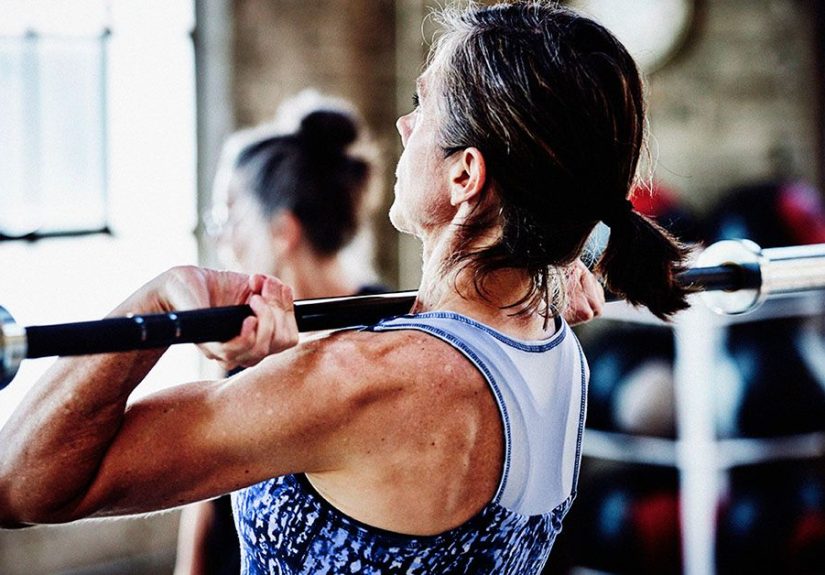
If there were a celebrity treatment in this article, it would be resistance exercise. Strength training helps maintain muscle mass, improve joint support, protect bone, and preserve function. It does not need to start with dramatic deadlifts and a motivational montage. Bodyweight exercise, resistance bands, machines, free weights, and supervised programs all count.
The key is progression. Many women benefit from working with a physical therapist or knowledgeable trainer, especially if they have pain, poor balance, or fear of injury.
2. Keep Moving, Even If You Need to Modify
Walking, stair climbing, hiking, dancing, Pilates, yoga, and low-impact cardio can help reduce stiffness and support bone and heart health. Movement is medicine, but the dose matters. Too little can worsen pain; too much too soon can flare it. Think consistency, not punishment.
3. Physical Therapy and Rehab
Rehab can be especially helpful for frozen shoulder, hip pain, weakness, balance issues, and recurrent aches that are making daily life harder. A physical therapist can help restore range of motion, strengthen weak areas, improve posture, and teach strategies that do not aggravate symptoms.
For women with frozen shoulder or tendon problems, early treatment often matters. Waiting six months while hoping your shoulder will “figure itself out” is not always a winning strategy.
4. Menopausal Hormone Therapy
Hormone therapy is not prescribed solely as a cure-all for every joint ache, but it can be an important part of treatment for appropriate candidates. It is the most effective therapy for bothersome hot flashes and other classic menopause symptoms, and it also helps prevent bone loss. Some women notice that their joint or muscle symptoms improve when their overall menopause symptoms are treated, though response varies.
Hormone therapy is not right for everyone. The decision should be individualized based on age, time since menopause, personal risk factors, and medical history. This is a conversation for a clinician, not your cousin’s group chat.
5. Nutrition for Bone and Muscle Health
Food is not a miracle cure, but it absolutely belongs in the plan. Focus on:
- Enough protein to support muscle repair and maintenance
- Calcium-rich foods for bone health
- Vitamin D, especially if levels are low
- Fruits, vegetables, beans, nuts, and whole grains for overall health
- Limiting smoking and excessive alcohol, both of which can hurt bone health
If intake is low or deficiency is suspected, supplements may be appropriate. That decision should be personalized, especially with vitamin D and calcium.
6. Pain Relief and Targeted Medical Care
Depending on the diagnosis, treatment may include topical anti-inflammatory gels, oral pain relievers, corticosteroid injections, or therapies aimed at a specific condition such as osteoarthritis, tendinopathy, or osteoporosis. If bone density testing shows osteopenia or osteoporosis, your clinician may recommend medication specifically to reduce fracture risk.
7. Sleep, Recovery, and Stress Management
Poor sleep can amplify pain perception and fatigue. Managing hot flashes, insomnia, and stress often makes musculoskeletal symptoms more manageable too. Mind-body approaches, such as meditation, gentle yoga, tai chi, or cognitive behavioral strategies, may help some women feel and move better.
When to Talk to a Doctor
See a clinician if you have:
- Persistent or worsening joint or muscle pain
- Loss of range of motion, especially in one shoulder
- New weakness, falls, or balance problems
- A fracture after a minor fall
- Pain with swelling, redness, heat, or fever
- Symptoms that interfere with sleep, exercise, or daily tasks
Also ask about bone density screening if you are 65 or older, or if you are younger but postmenopausal and have risk factors for fracture. Early screening can catch silent bone loss before a broken wrist or hip makes the diagnosis for you.
Can You Prevent Musculoskeletal Problems During Menopause?
You cannot prevent menopause, because biology remains annoyingly committed to its schedule. But you can lower the odds of severe complications and protect function by acting early. The best long-game habits include regular strength training, weight-bearing movement, a protein-adequate diet, good calcium and vitamin D intake, smoking cessation, smart alcohol limits, and timely evaluation of symptoms that are not improving.
Prevention also means not normalizing misery. The earlier a woman recognizes the pattern, the more options she usually has.
What Women Commonly Experience: Composite Stories From Real-Life Patterns
The examples below are composite experiences based on common symptom patterns reported during perimenopause and menopause. They are not individual medical records.
One common story starts with confusion. A woman in her late 40s notices that her hands feel stiff in the morning, her hips ache when she sleeps on her side, and her workouts leave her sore for days. She assumes she is just out of shape or sleeping badly. Then her period becomes irregular, hot flashes appear, and suddenly the dots start connecting. What seemed like a string of random annoyances begins to look more like one hormonal season affecting her whole body.
Another woman notices a dramatic drop in strength. She has always been active, but now carrying laundry upstairs feels harder, and her knees complain after long walks. She is frustrated because she is “doing all the right things,” yet her body feels less responsive. What often helps in this situation is not more punishment, but a smarter plan: progressive strength training, enough protein, better recovery, and a check-in about whether other menopause symptoms suggest she may benefit from medical treatment.
Then there is the shoulder story, which tends to arrive like a villain in a thriller. At first, it is just a weird twinge reaching into the back seat. A few weeks later, putting on a coat hurts. Then washing hair becomes an Olympic event. Many women with frozen shoulder say the worst part is not just pain. It is the bewilderment. There was no big injury, no dramatic accident, yet one shoulder suddenly behaves like it filed for independence. Getting the problem recognized early can shorten the suffering and help restore motion faster.
Some women experience the emotional side just as strongly as the physical one. They worry that pain means they are getting old overnight or becoming fragile. That fear can lead them to move less, cancel exercise classes, and avoid activities they used to enjoy. Ironically, that often makes stiffness, weakness, and bone health worse. Once they learn that the menopause transition can affect muscles, tendons, and bones, the fear tends to soften. Knowledge does not erase pain, but it can replace panic with strategy.
Many women also describe relief when a clinician finally takes the symptoms seriously. Being told, “This is common, and here is what we can do,” can be powerful. For some, the turning point is physical therapy. For others, it is hormone therapy, improved sleep, osteoporosis treatment, or a return to strength training with the right guidance. Progress is rarely instant. It often looks like sleeping better, moving with less hesitation, carrying groceries without bracing, or realizing one day that the stairs are no longer your sworn enemy.
The biggest shared experience may be this: women feel better when they stop treating these symptoms as personal failure. Menopause-related musculoskeletal changes are not laziness, weakness, or bad attitude. They are real body changes that deserve real care.
Final Thoughts
Musculoskeletal syndrome of menopause is a useful name for a very real midlife problem: the combination of joint pain, muscle changes, tendon trouble, and bone loss that can show up when estrogen declines. It is not imaginary, and it is not something you are supposed to grin through while pretending your shoulder is “fine” and your knees are “just being dramatic.”
The most effective approach is usually layered. Get evaluated. Rule out other causes. Build strength. Protect bone. Consider physical therapy. Discuss hormone therapy when appropriate. And above all, do not let a treatable symptom rewrite your life around fear and limitation. Menopause may change your musculoskeletal system, but it does not get to claim the final word.