Table of Contents >> Show >> Hide
- What We Know About the Thunderbird Hotel Cotton Sheet Set
- Why “Hotel Cotton Sheets” Feel Different From Standard Retail Sets
- How to Evaluate the Thunderbird Style Before You Buy
- Who Is the Thunderbird Hotel Cotton Sheet Set Best For?
- Thunderbird vs. Today’s Hotel-Style Cotton Sheet Trends
- How to Make Any Cotton Sheet Set Feel More “Hotel”
- Frequently Asked Questions
- 500-Word Experience Section: Living With a Thunderbird-Style Cotton Sheet Set
- Final Verdict
If your dream bed is somewhere between “boutique hotel in the desert” and “I would like to sleep like a civilized human,” the
Thunderbird Hotel Cotton Sheet Set is a fascinating case study in what makes cotton bedding feel genuinely elevated.
It’s not a flashy product with a giant spec sheet screaming at you in 72-point font. Instead, this set represents a classic hotel-style
bedding idea: clean lines, breathable cotton, and simple construction that lets texture do the talking.
In this guide, we’ll break down what is known about the Thunderbird set, what matters most when shopping for a
hotel cotton sheet set, and how to decide whether this style of bedding matches your sleep habits, climate, and
laundry tolerance (because yes, laundry tolerance is real). We’ll also use practical comparisons from major U.S. bedding testing and
home publications to translate buzzwords into buying decisions that actually help.
What We Know About the Thunderbird Hotel Cotton Sheet Set
The Thunderbird Hotel Cotton Sheet Set is known primarily through a well-known design retail listing that described it as
100% cotton, made in India, with a queen set that included two flat sheets and four standard pillowcases.
At the time of listing, it was priced at $150. That detail matters because it positions the set as a design-forward,
hospitality-inspired cotton collection rather than a bargain-bin basics bundle.
The key takeaway: this is a minimalist, cotton-first sheet concept. No gimmicks, no silver-ion marketing poetry, no thread-count flexing
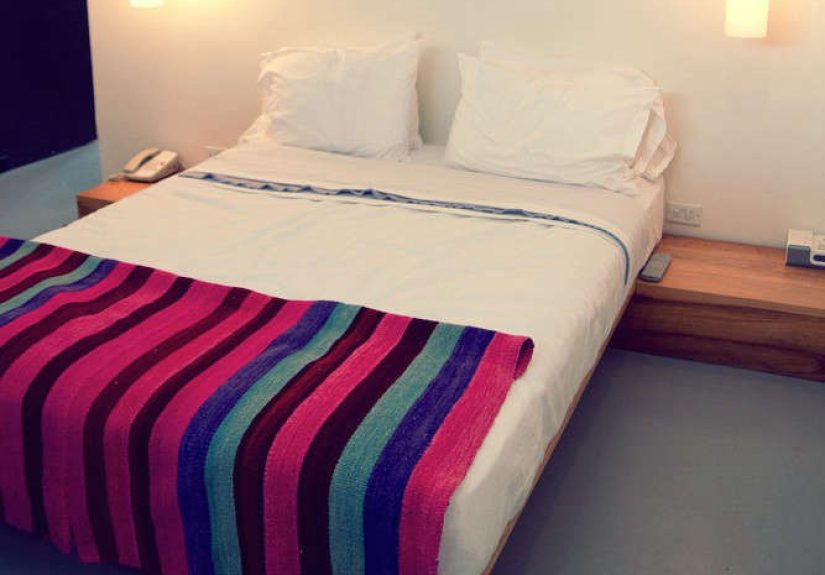
that sounds like a startup pitch deck. Just cotton, cut for a hotel-like look and layered bedding styling.
Why “Hotel Cotton Sheets” Feel Different From Standard Retail Sets
People often say hotel sheets feel “crisp,” “clean,” or “somehow fancier than mine even though mine were expensive.”
That feeling usually comes from a combination of weave, fiber quality, finishing, and maintenance consistency.
1) Weave Makes a Huge Difference: Percale vs. Sateen
When comparing cotton sheet sets, weave is often more important than the biggest number on the package.
Percale (a one-over, one-under weave) tends to feel cool, crisp, matte, and breathable.
Sateen (a structure with longer yarn floats) usually feels smoother, silkier, and a little warmer with a subtle sheen.
If your bedroom turns into a toaster oven by midnight, percale usually wins. If you want that drapey, buttery, slightly warmer feel,
sateen is often the better match. Neither is “better” in absolute termsyour sleep temperature and texture preference decide.
2) Thread Count Is Useful, But Not a Magic Spell
Thread count still matters, but only within context. Independent testing and textile guidance consistently show that
ultra-high thread count alone does not guarantee better sheets. In fact, numbers well above 400 can be more about
yarn tricks or marketing than real comfort gains.
For many cotton sheets, the “sweet spot” often lands in practical bands depending on weave and yarn quality:
high enough for durability and hand-feel, not so high that breathability drops. Translation: don’t buy sheets like you’re bidding
in an auction where the highest number automatically wins.
3) Cotton Fiber Quality Changes Longevity
Long-staple or extra-long-staple cotton (such as Pima/Supima categories) tends to produce smoother, stronger yarns.
That can improve softness retention, reduce pilling risk, and help sheets age more gracefully. This is why a moderate-thread-count
long-staple cotton sheet can outperform a “mega thread count” set made with lower-quality fibers.
How to Evaluate the Thunderbird Style Before You Buy
If you’re shopping with the Thunderbird aesthetic in mindclean, hotel-ish, cotton-firstuse this checklist:
Material & Hand Feel
- Look for 100% cotton if breathability and natural feel are priorities.
- If possible, confirm whether it’s percale-like (crisp) or sateen-like (silky) in real-world reviews.
- Expect “simple” hotel cotton to soften after a few washes rather than feel buttery on day one.
Set Composition
- Verify exactly what’s included (flat sheet, fitted sheet, pillowcases, quantities).
- Some boutique sets differ from standard retail packaging and may include unusual piece counts.
- Double-check whether your mattress depth matches fitted-sheet pocket depth.
Fit and Bed-Making Practicality
- Deep pockets help with toppers and taller mattresses.
- Top/bottom labels on fitted sheets are underrated lifesavers at 11:30 PM.
- If fitted corners constantly pop off, no amount of luxury branding will save your mood.
Care Requirements
- Wash before first use.
- Routine care commonly favors cool/cold wash + low tumble dry for longer life.
- For allergy management, some organizations recommend weekly washing and hotter cycles when appropriatealways balance this with care-label instructions.
Safety & Trust Signals
- OEKO-TEX STANDARD 100 can indicate testing for harmful substances.
- GOTS helps validate organic textile processing claims for products marketed as organic.
- For premium cotton claims (Egyptian, Pima, etc.), accurate labeling matters.
Who Is the Thunderbird Hotel Cotton Sheet Set Best For?
This style of set is typically best for:
- People who love a minimal, tailored bed aesthetic.
- Sleepers who prioritize breathable cotton over heavy, synthetic sheen.
- Anyone trying to recreate a boutique hotel mood without redesigning the entire bedroom.
- Shoppers who value texture and comfort over endless decorative details.
It may be less ideal for:
- Those who want ultra-stretchy, wrinkle-hiding performance fabrics.
- People who dislike ironing or naturally rumpled cotton looks.
- Anyone wanting extremely plush, fleece-like softness right out of the package.
Thunderbird vs. Today’s Hotel-Style Cotton Sheet Trends
Modern U.S. bedding testing and editorial coverage show a few strong trends:
- Cooling preference: many hot sleepers favor breathable percale.
- Balanced specs: practical thread counts plus better yarn quality beat hype numbers.
- Certifications matter more: shoppers increasingly check labels and trust marks.
- Easy care remains key: machine-wash durability and low-heat-friendly fabrics are high priority.
- Hotel look, home comfort: people want crisp visuals with less stiffness and more lived-in softness.
The Thunderbird set fits naturally into this movement: understated, cotton-led, and style-forward without looking overdesigned.
How to Make Any Cotton Sheet Set Feel More “Hotel”
Layering Formula (Simple and Effective)
- Fitted sheet (tight and smooth).
- Flat sheet with generous hospital corners.
- Lightweight blanket or coverlet.
- Duvet folded at the lower third for depth and texture.
- Two sleeping pillows + decorative shams only if you’ll actually use them.
Maintenance Formula (for Long-Term Comfort)
- Own at least two to three rotating sets.
- Avoid overdrying; low heat preserves cotton fibers longer.
- Skip heavy fabric softener buildup that can reduce breathability over time.
- Replace when thinning, persistent pilling, or fit failure beginslife is too short for nightly sheet wrestling.
Frequently Asked Questions
Is the Thunderbird Hotel Cotton Sheet Set still worth considering if details are limited?
Yesif you love the aesthetic and understand you’re buying into a boutique-style cotton concept.
Just confirm current availability, set contents, dimensions, and return policy before checkout.
What matters more: weave or thread count?
Usually weave first, then fiber quality, then thread count in context. A great percale at moderate thread count can outperform
an overhyped high-count sheet with average yarns.
Can cotton sheets feel soft and still stay cool?
Absolutely. Long-staple cotton plus a breathable weave can give you comfort without trapping too much heat.
How often should I wash cotton sheets?
Weekly is a practical baseline for most homes. If you sweat heavily, have allergies, sleep with pets, or are recovering from illness,
increase frequency.
500-Word Experience Section: Living With a Thunderbird-Style Cotton Sheet Set
Week one started with skepticism. I’ve been betrayed by many “hotel luxury” sheets that turned out to be either slippery as ice,
loud as paper bags, or somehow both. But the Thunderbird-style cotton set felt promising from night one: breathable, clean, and
refreshingly unfussy. No flashy embroidery. No “technologically infused” jargon. Just cotton with personality.
The first impression was structure. The sheets didn’t collapse into limp fabric puddles. They held a neat silhouette on the bed,
which immediately made the room look calmerlike someone who owns matching hangers lives there now. The hand feel was not
overly silky at first touch. Think “crisp button-down shirt,” not “buttered marshmallow.” If you expect instant plushness, you might
need a few wash cycles to find your happy place.
By night three, the temperature performance stood out. I’m a rotational sleeper: back, side, side again, occasional dramatic flip
like I’m auditioning for a sleep documentary. The set stayed breathable across all those movements. No clammy wakeups, no
overheated midnight negotiations with the duvet. It felt especially good in a room that tends to run warm, where synthetic-heavy
sheets usually wave a white flag by 2 a.m.
Laundry day was surprisingly painless. The fabric behaved well in a standard wash routine and didn’t come out twisted into a giant
cotton rope sculpture. Low-heat drying helped keep the sheet shape consistent, and the fitted corners stayed cooperative.
Was there some wrinkling? Of course. It’s cotton, not a miracle polymer from the future. But the wrinkles looked relaxed and natural,
not chaotic.
After multiple washes, softness improved without losing the crisp personality. That balance is the whole point of a hotel-style cotton
set: it should feel refined but not fragile. I also noticed the bed became easier to style visually. White or neutral cotton with a
clean weave gives you a strong base layeradd a textured throw and suddenly your bedroom looks intentional, even if the nightstand
still has three random cables and a water glass from Tuesday.
The biggest practical win was how “predictable” the set felt. Some sheets are dramatic: one week they’re silky, next week they pill,
and by month two they’ve mysteriously shrunk enough to expose half the mattress. This set felt stable. It handled regular rotation
without dramatic shifts in texture or fit. That consistency made it easier to recommend to people who want bedding that does its job
quietly, night after night.
If I had one caution, it’s to match expectations with lifestyle. If you want zero wrinkles and ultra-stretchy corners with no effort,
this may not be your soulmate. But if you love breathable cotton, clean lines, and the “freshly made hotel bed” vibe, it delivers.
In everyday life, that translated into better comfort, easier sleep setup, and a room that looked pulled together with minimal work.
Honestly, that’s the kind of luxury most of us actually need.
Final Verdict
The Thunderbird Hotel Cotton Sheet Set sits in a sweet spot for people who appreciate design simplicity and authentic
cotton comfort. Its appeal is not about noisy specsit’s about feel, breathability, and a clean hotel-inspired presentation.
If you apply smart buying criteria (weave, fiber quality, fit, care, and labeling credibility), this style of set can be a strong long-term
bedding upgrade.
In short: if your ideal bed says “boutique hotel, but make it livable,” this is exactly the lane.