Table of Contents >> Show >> Hide
- What Exactly Is a Mushi Nabe (and Why Is It Different From “Any Pot + Steamer Basket”)?
- How a Donabe Steamer Actually Works
- How to Use a Mushi Nabe Donabe Steamer (Step-by-Step)
- What to Steam in a Mushi Nabe
- Timing Cheat Sheet (So You Don’t Overthink It)
- Three Real Menus You Can Make Without Turning It Into a Project
- Choosing the Right Size (and Why “Bigger” Isn’t Always Better)
- Seasoning and Care: How to Keep Your Donabe Happy (and Uncracked)
- Troubleshooting: Common Mushi Nabe Problems (and Fixes)
- Bonus Feature: Using Mushi Nabe Cold (Yes, Really)
- Wrap-Up: Who Should Buy a Mushi Nabe Donabe Steamer?
- Real-World Experiences: 7 “Mushi Nabe Moments” That Make You Fall for Steam Cooking (Extra )
If your weeknight dinner routine is starting to feel like a rerun you didn’t consent to, meet the
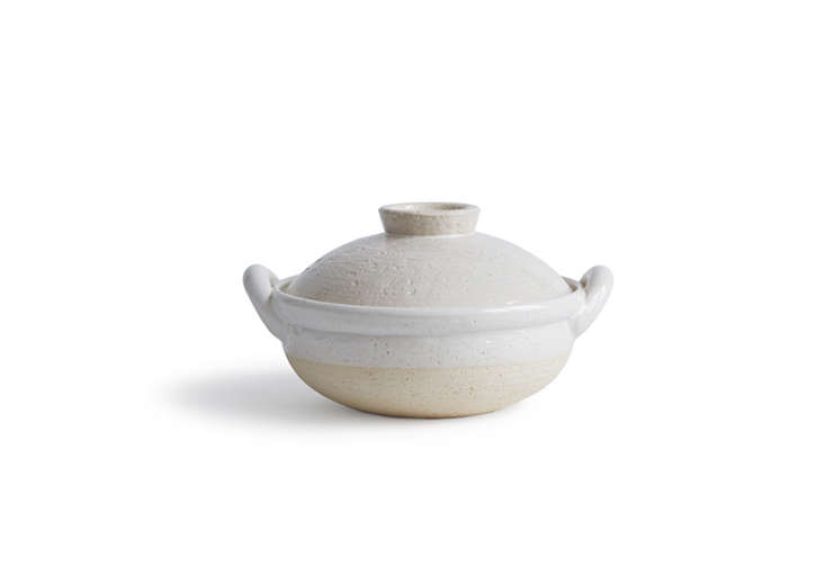
Mushi Nabe donabe steamer: a Japanese clay pot designed to turn plain old steaming into
something that feels… suspiciously luxurious. It’s the kind of cookware that makes broccoli look like it
took a spa day and came back with better boundaries.
In the U.S., the Mushi Nabe is best known as a removable-grate donabe steamer (often made in
Japan’s Iga region and sold through specialty kitchen shops). You fill the base with water (or broth),
bring it to a boil, and let steam do the heavy liftinggently cooking vegetables, seafood, dumplings,
and even egg custards. Remove the steam grate and it behaves like a classic donabe for hot pot, soups,
and braises. One pot, multiple personalities, zero drama.
What Exactly Is a Mushi Nabe (and Why Is It Different From “Any Pot + Steamer Basket”)?
Let’s address the stainless-steel elephant in the room: yes, you can steam food with a $5 steamer basket.
But a Mushi Nabe isn’t trying to win the “most practical object in the kitchen” award. It’s designed to
make steam cooking feel intentional and table-worthysomething you bring out when you want dinner to feel
like an event, not a survival tactic.
Key design features
-
Earthenware base + fitted lid: Clay builds heat more gently than thin metal, and many donabe
styles hold onto heat longer once warmed. -
Ceramic steam grate/tray: Instead of a metal insert, the steamer platform is made to match the
potstable, roomy, and made for stacking ingredients without a wobbly balancing act. -
“Two-in-one” versatility: Remove the grate and you’ve got a donabe for hot pot, simmering, and
braising. -
Tabletop-friendly vibe: Many people use it with a portable gas burner so diners can add items
in batcheslike hot pot, but steamier.
Some makers also describe donabe cooking as benefiting from the material’s heat properties (including
“far-infrared” marketing language). Whether you’re into the science-y talk or not, the practical takeaway is
simple: the pot is built to steam quickly and keep food tasting clean and bright.
How a Donabe Steamer Actually Works
Steaming is basically cooking with hot water vapor, which transfers heat efficiently without dunking your food
in liquid. That means:
- Vegetables stay vivid (and don’t get waterlogged).
- Fish stays delicate (instead of flaking into sadness).
- Dumplings stay bouncy (instead of soggy on the bottom).
A Mushi Nabe takes this concept and makes it easy to do in a way that feels “built-in,” not “improvised.”
The steam rises through openings in the ceramic grate, cooks the food above, and condensation drips back down,
maintaining a steady steam environment.
How to Use a Mushi Nabe Donabe Steamer (Step-by-Step)
Most instructions across U.S. retailers and donabe educators follow the same rhythm. Here’s a practical baseline
you can trust:
Basic steaming setup
-
Add water to the base: Fill the pot about 70% of the base depth with water.
(Enough to generate steam for the session, not so much that it splashes up into your food.) - Insert the steam grate and cover: Lid on. Heat until boiling over medium-high heat.
-
Load ingredients carefully: Lift the lid away from you (steam is rude). Arrange food on the grate.
Don’t block every holesteam needs pathways. -
Steam in batches: Put the lid back, steam to doneness, then remove items and repeat.
This is where it becomes a choose-your-own-adventure dinner party.
What liquid should you use?
- Plain water for the cleanest flavor.
- Dashi for gentle Japanese umami.
- Sake + water for seafood (lightly aromatic, not boozy).
- Ginger slices + scallion in the water for chicken and greens.
Pro tip: If you’re steaming something with drips (like marinated fish), place cabbage leaves or parchment
(with holes) under it to reduce sticking and make cleanup easier.
What to Steam in a Mushi Nabe
The short answer: almost anything that likes gentle heat and doesn’t want to be submerged. The more useful answer:
start with foods that make you feel like a genius on day one.
Beginner-friendly wins
- Sweet potatoes (sliced): creamy centers, no mushy edges.
- Broccoli, broccolini, asparagus: crisp-tender with that “I eat greens” glow.
- Gyoza or dumplings: steam first, then pan-crisp if you want a two-texture flex.
- Salmon or cod: especially good with ginger, scallion, and a splash of sake in the base.
- Chicken thighs: surprisingly juicy when gently steamed, especially if you finish with sauce.
Level up: foods that feel fancy but aren’t hard
- Whole fish with aromatics and citrus slices.
- Scallops on a bed of greens (short cook time, big payoff).
- Chawanmushi (savory egg custard) set in small cups on the grate.
- Steamed “dessert” like mochi-style cakes or tea cakes if you’re feeling ambitious.
Timing Cheat Sheet (So You Don’t Overthink It)
Exact times depend on thickness, starting temperature, and how aggressively the pot is steaming. Still, these are
reliable anchors used by donabe educators and recipe developers:
- Cherry tomatoes, asparagus, broccoli florets, okra, mushrooms: about 2–3 minutes.
- Root vegetables sliced ~1/4 inch (sweet potato, kabocha): about 5–7 minutes.
- Fish fillets (average thickness): usually 6–10 minutes (check at the thickest point).
- Dumplings: often 6–8 minutes depending on size and filling.
The smartest habit: steam in stages. Start with the longest-cooking items, then add quick-cook vegetables at the end.
This makes the table feel abundant without turning your asparagus into a cautionary tale.
Three Real Menus You Can Make Without Turning It Into a Project
1) The “I’m trying” weeknight plate
- Steamed broccoli + broccolini
- Thin-sliced sweet potato
- Store-bought dumplings
- Dips: ponzu, sesame dressing, or olive oil + flaky salt
2) Seafood night that feels like a restaurant
- Cod or salmon steamed over ginger + scallion
- Baby bok choy and mushrooms
- Finish: drizzle of soy + citrus, or a quick miso-butter sauce
3) The cozy “friends are coming” tabletop steam party
- Platter of vegetables (carrots, kabocha, asparagus, mushrooms)
- Thin-sliced pork or chicken
- Tofu cubes
- Two sauces: sesame + ponzu
The magic here is pacing: everyone eats in waves. The pot keeps going, the table stays warm, and nobody has to play
“host who never sits down.”
Choosing the Right Size (and Why “Bigger” Isn’t Always Better)
Many Mushi Nabe models come in at least two common sizes (often labeled medium and large). Pick based on how you
actually eat:
- Medium: best for 1–2 people, small kitchens, and “steam a couple things” dinners.
- Large: best for family-style meals, entertaining, or if you want to steam whole fish or big batches.
Also consider your burner. Donabe like steady heat and a stable base. If you’ll use it tabletop, a portable gas burner
with a wide, stable support is a better friend than a tiny flame that makes the pot feel like it’s balancing on a toothpick.
Seasoning and Care: How to Keep Your Donabe Happy (and Uncracked)
Donabe are porous by nature. Many donabe experts recommend a first-time “seasoning” (often called medome),
which uses starchy porridge to help seal micro-pores and reduce the chance of odors, seepage, or future stress.
How to season (medome) in plain English
- Rinse the pot, then dry the bottom completely.
-
Fill with water (commonly around 70–80% capacity) and add cooked short-grain rice (or another starch method
recommended by your maker). - Simmer gently on low heat until it becomes thick porridge (often 30–60 minutes).
- Turn off heat and let it cool naturally (many recommend letting it sit longer for best effect).
- Discard porridge, rinse well, and dry thoroughly before storing.
Daily care rules (the stuff that prevents heartbreak)
- Avoid thermal shock: let it cool before washing; never dunk a hot donabe into cold water.
- Start low, then go higher: gentle preheating helps prevent cracking.
- Never heat it empty: keep some liquid or food inside before turning on the flame.
- Dry the bottom: moisture on the base + direct heat can be a recipe for damage.
- Air-dry completely before storing: porous clay can hold moisture; trapped dampness can lead to odors or mold.
Bonus reality check: tiny hairline lines in the glaze (“crazing”) can be normal as a donabe ages. What’s not normal is
a structural crack that leaks. If it leaks, it’s time to retire the pot from cooking duty.
Troubleshooting: Common Mushi Nabe Problems (and Fixes)
“My food tastes a little… clay-ish?”
If the pot is new or has been stored damp, re-seasoning can help. Also make sure it’s fully dry between uses, and avoid strong
detergents (many donabe care guides recommend gentle washing).
“It’s not steaming fast enough.”
- Make sure the lid fits well and you’re at a true boil before loading food.
- Don’t overcrowd the gratesteam needs airflow.
- Check water level; add hot water if it gets low mid-session.
“Can I use this on electric/induction?”
Some donabe are compatible with certain cooktops, some are not. For a Mushi Nabe specifically, many brands emphasize
open flame use, so always follow the maker’s instructions (and don’t assume your glass top will be thrilled about a heavy clay pot).
Bonus Feature: Using Mushi Nabe Cold (Yes, Really)
Some Mushi Nabe instructions include a surprisingly fun trick: use the pot as a tabletop cooler. The idea is to soak the
components in cold water, pat dry, then fill the base with ice and keep chilled items inside. Is it the same as a modern cooler?
No. Is it charming and weirdly impressive at a dinner party? Absolutely.
Wrap-Up: Who Should Buy a Mushi Nabe Donabe Steamer?
A Mushi Nabe donabe steamer is for you if:
- You love vegetables but want them to taste like more than “responsibility.”
- You want clean, bright flavors with minimal oil and minimal fuss.
- You enjoy cookware that can go from stove to table and feel like part of the meal.
- You’re willing to baby it a littlebecause clay is not stainless steel and never will be.
If you treat it kindlygentle heat, no thermal shock, dry storageit can become the kind of kitchen tool you reach for
when you want dinner to feel calm, nourishing, and a little special.
Real-World Experiences: 7 “Mushi Nabe Moments” That Make You Fall for Steam Cooking (Extra )
People don’t usually wax poetic about steam. It’s invisible, it’s shy, and it disappears the moment you try to photograph it.
And yetif you’ve ever put a Mushi Nabe on the table and watched dinner happen in gentle batches, you know steam can be
the main character. Here are seven very real, very relatable scenarios that show why this donabe steamer earns its counter space.
1) The “I forgot to meal prep” save
You open the fridge and it’s a greatest-hits album of half ingredients: two carrots, a sad zucchini, mushrooms you hope are
still okay, and dumplings you bought for “emergencies.” A Mushi Nabe turns that chaos into a plan. Roots go on first, then
greens, then dumplings. You dip everything in ponzu and suddenly dinner feels like you meant to do this.
2) The vegetable glow-up
Steamed broccoli has a reputation problem. The Mushi Nabe fixes it with texture. When steam is steady and the cook time is short,
broccoli stays bright and crisp-tender instead of collapsing into mush. Add olive oil and flaky salt and it tastes… expensive.
Like it has a skincare routine.
3) The fish that doesn’t break your confidence
Pan-searing fish is thrilling until it’s not: sticking, splattering, overcooking, and that one moment when the filet falls apart
and you pretend it was “flaked on purpose.” Steaming fish in a donabe steamer is calmer. Aromatics in the base (ginger, scallion,
maybe a splash of sake), fish on top, lid on. The result is delicate and moist without drama.
4) The “everyone eats at their own pace” dinner party
Tabletop steaming is social without being chaotic. Someone wants more vegetables, someone wants more dumplings, someone insists
the mushrooms “need one more minute.” Great. Steam in rounds. The host doesn’t vanish into the kitchen, and guests don’t stare at
a single plated meal cooling down. It’s interactivebut not the exhausting kind.
5) The tiny ritual that makes weeknights feel kinder
There’s something soothing about a pot that asks you to slow down: start low heat, wait for steam, add ingredients intentionally.
It’s not fussy, it’s just mindful. Even if you’re steaming a handful of snap peas and leftover chicken, the process feels like
you’re taking care of yourself, not just feeding yourself.
6) The “one pot, multiple courses” flex
This is the move: steam vegetables and protein first, then remove the grate and use the base for a quick soup or hot pot-style finish.
If you used dashi in the steaming water, you’ve already got a flavorful head start. Toss in tofu, greens, noodles, and you’ve made the
kind of dinner that feels like it belongs in a cozy restaurantwithout the wait list.
7) The unexpectedly fun cold trick
Using a Mushi Nabe as a tabletop cooler is the culinary equivalent of pulling a secret compartment in a desk. You soak, pat dry,
load ice, and suddenly you’re serving chilled vegetables with dip or sashimi in a clay pot that looks like it belongs in a design magazine.
Is it necessary? No. Will people talk about it? Yes. Will you feel mildly powerful? Also yes.
In short: the Mushi Nabe donabe steamer isn’t just about steaming food. It’s about creating a slower, warmer, more interactive way to eat
one that makes everyday ingredients taste fresher and makes dinner feel like a small event you actually want to attend.