Table of Contents >> Show >> Hide
- Why Your Dog Looks Like a Bear (And Why Everyone Notices)
- The Secret Social Power of a Bear-Looking Dog
- How to Tell If Your Dog Is Loving the Attention (Or Just Being Polite)
- Where Bear-Dogs Make Friends (And How You Can, Too)
- How to Be the Responsible Human of a Social-Magnet Dog
- Keeping the Bear Look Cute (Without Accidentally Cooking Your Dog)
- Conclusion
- Bonus: of Bear-Dog Friendship Math (Field Notes From the Sidewalk)
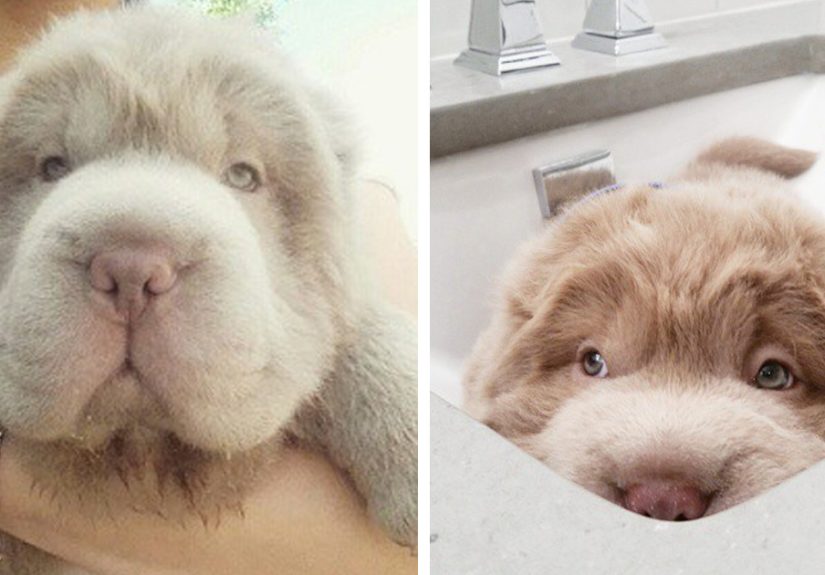
The first time someone squealed, “Oh my GOD, is that a bear?” I laughed like a normal person who definitely doesn’t live in a cartoon. Then my dogfluffy, round-headed, and wildly confidentsat down like he was posing for a wildlife documentary and accepted the compliment as fact.
Now it’s our thing. We can’t leave the house without my dog collecting admirers the way a toddler collects sticky rocks: enthusiastically, constantly, and with zero concern for my personal space. Meanwhile, I’m holding the leash like a stagehand for a celebrity who refuses to learn my name.
If you’ve ever thought, “My dog looks like a bear and has more friends than me,” welcome. You’re among fellow humans who have been socially replaced by a creature who licks his own butt and still gets invited to more parties than we do. Let’s break down why “bear dogs” are such magnetsand how to enjoy the attention without turning every walk into an accidental meet-and-greet.
Why Your Dog Looks Like a Bear (And Why Everyone Notices)
“Bear-like” dogs usually share a few features that hit the human brain like a warm cookie: thick coats, rounded faces, small-ish ears, and a sturdy, plush silhouette. Many of these traits show up in spitz-type breeds and cold-weather working dogsthink Chow Chows, Keeshonds, Samoyeds, Pomeranians, and bigger floof icons like Newfoundlands or Great Pyrenees. A lot of them have double coats (a dense undercoat plus longer guard hairs), which creates that plush, teddy-bear volume people want to hug immediately.
The bear illusion gets upgraded by grooming. A well-brushed coat puffs out evenly, the outline looks rounder, and suddenly your dog isn’t “a dog.” He’s “a bear cub who might also sell real estate.” If your dog has a mane (hello, Chow Chow vibes) or a dramatic ruff around the neck, the effect is even stronger.
Bear Aesthetic: The Top “How Is That Real?” Factors
- Coat volume: Double coats trap air and create that cloud-like lookespecially after brushing.
- Round head shape: A “teddy bear trim” or rounded face framing turns “mutt” into “mascot.”
- Coloring: Cinnamon, cream, black, or “toasty brown” shades read as bear-like to the average passerby.
- Body language: Calm, confident dogs look approachable (and suspiciously photogenic).
Here’s the twist: when people notice your dog, they’re not just reacting to cuteness. They’re reacting to an instant story. A bear-dog looks like a character. A vibe. A walking serotonin dispenser. And that makes strangers feel like they’ve been handed a socially acceptable reason to talk to you without the awkwardness of, “Hi, I am making conversation because silence scares me.”
The Secret Social Power of a Bear-Looking Dog
Dogs are basically community icebreakers with better hair than us. Public health and medical sources have noted that pets can increase opportunities to get outside, exercise, and socializeespecially through walking and daily routines that put you in contact with neighbors and other dog people.
A bear-looking dog turns that volume knob all the way up. Why? Because fluffy, unusual-looking dogs invite curiosity. People ask questions (“What breed is he?”), share their own dog stories, and suddenly you’re in a conversation you didn’t schedule. Your dog doesn’t just have friendshe creates the conditions for you to have them, too… if you can get a word in between the compliments.
Why People Approach You (Even If You Have Resting “Don’t Talk to Me” Face)
- Your dog gives them “permission”: Talking about pets feels safe, light, and non-invasive.
- He’s a conversation shortcut: No need for small talk when there’s a living, fluffy headline right there.
- He’s emotionally disarming: People smile, you smile back, and now you’re both briefly human again.
- He’s a social signal: Dog walking often suggests routine, neighborhood presence, and approachability.
And here’s something dog owners learn quickly: your dog may be the extrovert in the relationship. Some dogs genuinely enjoy greeting people and other dogs. Others tolerate it. Some would prefer to be left alone to sniff a leaf that smells like history. The key is knowing which dog you havebecause “my dog has more friends than me” is only cute when your dog actually wants those friends.
How to Tell If Your Dog Is Loving the Attention (Or Just Being Polite)
Friendly-looking fluff can trick people into assuming your dog is automatically friendly. But canine body language matters more than coat texture. A dog can look like a stuffed animal and still be stressed, overwhelmed, or simply not in the mood for a meet-and-greet.
Green Lights: “Yes, I’m Open to Saying Hi”
- Loose, wiggly body (not stiff)
- Soft face and relaxed mouth
- Approaches voluntarily, with curiosity
- Tail movement that matches a relaxed body (not just a tense wag)
Yellow/Red Flags: “Please Don’t Make This Weird”
- Yawning when not tired, lip licking, or sudden heavy panting
- “Whale eye” (showing lots of white in the eyes) or wide, glassy eyes
- Ears pinned back, tail tucked, freezing, or leaning away
- Stiff posture, hard staring, growling, or snapping
If you see stress signals, your job is not to “help him get over it” by forcing interaction. Your job is to be his translator and bodyguard. The world is loud. People move fast. Some strangers believe the correct way to greet a dog is to lunge directly at his face while yelling, “WHO’S A GOOD BOY?!” (Spoiler: not them.)
Where Bear-Dogs Make Friends (And How You Can, Too)
If your dog is social, you’ll notice certain environments practically manufacture friendships. Not always deep, lifelong friendshipssometimes they’re “We talked for three minutes and now I know your dog’s middle name” friendships. Still counts.
1) Neighborhood Walks: The Slow-Burn Social Network
Walking creates repeat sightings, and repeat sightings create familiarity. You learn who has the corgi who hates scooters. You learn who carries treats like a dog-friendly fairy godparent. Over time, you stop being “random person on the sidewalk” and become “Bear Dog’s human.” (It’s a title. It’s fine. You’ll survive.)
2) Training Classes: Friend-Making With Structure
Group classes are underrated social spaces because everyone has a shared goal: teach their dogs basic skills and not cry when the instructor says, “Let’s practice recall,” and their dog chooses chaos. You’ll meet people who care about training and boundaries, which usually means safer dog interactionsand better human conversation.
3) Dog Parks: High-Reward, Higher-Risk
Dog parks can be great for some dogs and stressful for others. The social energy is intense: lots of dogs, lots of movement, lots of unpredictable greetings. If you go, the best vibe is “active supervision,” not “I’m here to scroll and occasionally look up.”
- Watch play style: Healthy play often includes pauses and role-switchingnot nonstop body-slamming.
- Avoid resource drama: Many behavior sources advise skipping toys and food at parks because they can trigger guarding or conflict.
- Know when to leave: If your dog is overwhelmed, being bullied, or bullying, it’s time. No shame. Just exit.
4) Dog-Friendly Cafés and Patios: Socializing on “Easy Mode”
These spots are basically “small talk with snacks.” Your dog lies down looking like a throw pillow that breathes, and people ask to pet him. You get to practice the magic phrase: “Surehe likes gentle pets on his shoulder,” or “Thanks for asking, but he’s taking a break today.” Boundaries, but make it friendly.
How to Be the Responsible Human of a Social-Magnet Dog
When your dog draws a crowd, you become the manager of his public relations and his personal safety. That means you control access. Not because you’re mean. Because your dog is not a public exhibit and you are not a free petting-zoo concierge.
Simple Rules That Keep Everyone Happy
- Make “ask first” the default: “He’s friendly, but please ask before petting.”
- Offer a safe greeting script: “Let him sniff your hand, then gentle pets on the chestno hugging.”
- Advocate when needed: Step between your dog and a stranger who’s coming in too fast.
- Use treats strategically: Reward calm behavior so your dog associates attention with good outcomes.
- Practice polite exits: “We’re training right now” or “He needs a water break” is a full sentence.
Also: not every interaction has to happen. If your dog meets ten people in one walk, that’s a lot. If he meets one person and looks relaxed, great. Social success isn’t measured by the number of strangers who squeal. It’s measured by whether your dog stays comfortable and safe.
Keeping the Bear Look Cute (Without Accidentally Cooking Your Dog)
Fluffy coats are beautiful, but they come with responsibilities. Regular brushing helps prevent mats and keeps the coat functioning the way it’s supposed to. Many double-coated breeds also shed heavily, which is nature’s way of reminding you that your vacuum is never truly done.
Bear-Dog Care Basics
- Brush consistently: Especially during heavy shedding seasons.
- Heat awareness: Thick coats can make warm weather roughplan walks for cooler hours and watch for overheating.
- Exercise + enrichment: A bored bear-dog becomes a creative bear-dog. And creativity can involve your couch.
- Training is kindness: Loose-leash walking and a solid recall protect your dog in real life, not just in theory.
The goal isn’t just to have a dog that looks like a bear. The goal is a dog who feels good in his body, confident in public, and safe in the messy human world. The friend count is a bonus.
Conclusion
When your dog looks like a bear, you’re basically walking around with a celebrity. People will stop you. They’ll ask questions. They’ll tell you about the dog they had in 1997 like it just happened yesterday. And honestly? It’s kind of wonderfulbecause beneath the fluff and the jokes is something real: dogs create connection.
So yes, your dog might have more friends than you. But he’s also handing you opportunitiestiny, daily chances to laugh with strangers, meet neighbors, and feel like you belong somewhere, even if it’s just on a sidewalk where everyone knows your dog’s name. Use the moment. Protect your dog’s comfort. And enjoy being the opening act for your own personal bear.
Bonus: of Bear-Dog Friendship Math (Field Notes From the Sidewalk)
I didn’t mean to become “that person with the bear dog.” It happened the way most life changes happen: slowly, then all at once, and suddenly your phone is full of photos taken by strangers who promised to text them to you (they will not). The first week I noticed the pattern, I thought it was a flukemaybe it was the weather, maybe it was the neighborhood mood. Then we walked past a construction site and a grown man in a hard hat stopped mid-sentence, pointed, and said, “Hold up. Is that a bear?” My dog sat down like he’d been asked for an autograph.
The friendships started small. A woman who normally power-walked with headphones paused, smiled, and asked, “Can I say hi?” That turned into a two-minute chat, which turned into a wave every morning, which turned into “Hey, I brought extra dog treatsare those okay?” Now we’re the kind of neighbors who know each other’s dogs better than each other’s last names. My dog’s social strategy is simple: exist cutely, accept praise, stare into souls with gentle eyes. My social strategy used to be: avoid eye contact and speed-walk like I’m late to a meeting. The bear dog ruined that plan.
There are repeat characters on our route. The retired couple with the tiny terrier who acts like he pays rent. The teenager who insists my dog is “literally a Pokémon.” The barista who makes a big show of giving my dog a single ice cube like it’s a handcrafted beverage. And the group of kids who chant “BEAR! BEAR! BEAR!” like my dog is leading a parade. The funniest part is how my dog reacts to each one with the exact same calm dignity. He doesn’t bark. He doesn’t jump. He just stands there, fluffy and composed, like he’s politely tolerating a fan base he never asked for.
The awkward moments are real, too. One time, someone went in for a hugan actual hugand I had to do the gentle-but-firm “He’s not a hugger” move, which is a sentence I never expected to say out loud. Another time, a well-meaning stranger tried to pat my dog on top of the head (the fastest way to make some dogs uncomfortable), and my bear dog leaned away with the quiet patience of someone who’s been through this before. That was on me. I learned to step in sooner, to narrate the greeting, to make space for my dog’s preferences. Turns out, being your dog’s advocate also makes you braver for yourself.
And here’s the sneaky truth: my dog having more friends than me didn’t make me lonelierit made me more connected. Not in a dramatic movie-montage way. In a small, real way. People remember us. They check in when they haven’t seen us for a few days. They laugh when my dog flops down like a furry beanbag in the middle of the sidewalk. The bear dog didn’t steal my social life. He loaned me one, then insisted I actually use it.