Table of Contents >> Show >> Hide
- Why Stink Bug Season Feels Like a Tiny Home Invasion
- My Secret Weapon: A Zero-Chemical Bug Vacuum
- The Backup Move: A Soapy Water Trap That Costs Almost Nothing
- The Real Long-Term Fix: Turn Your House Into a Terrible Hotel
- What Not to Do During Stink Bug Season
- A Simple Zero-Chemical Stink Bug Routine That Actually Works
- Do Zero-Chemical Methods Really Work?
- Final Thoughts
- Experience Section: What I Learned After Multiple Stink Bug Seasons
Note: Clean HTML only, ready for copy/paste and web publishing.
Every fall, my house turns into a weird little Airbnb for stink bugs. They arrive uninvited, cling to sunny windows like tiny shield-shaped hitchhikers, and act as if they pay the mortgage. If you have ever spotted one lazily crawling across the curtain at 7 a.m., you already know the mood: annoyance, disbelief, and a very strong urge to say, “Absolutely not.”
Here is the good news: you do not need to fog your house, drench your windows in mystery spray, or turn your living room into a chemistry experiment. My favorite defense during stink bug season uses zero chemicals, costs very little, and works without leaving behind toxic residue. Better yet, it fits neatly into a smarter strategy: keep them out, remove the ones that sneak in, and do it all without making your home smell like a bug panic.
This article breaks down what really works for stink bug season, why a simple bug vacuum or vacuum-based setup is such a secret weapon, how to build a backup soapy-water trap, and how to make your home far less welcoming before these pests decide to move in for the season. If you are looking for a practical, low-stress, zero-chemical stink bug control routine, you are in the right place.
Why Stink Bug Season Feels Like a Tiny Home Invasion
Most of the trouble comes from the brown marmorated stink bug, the species that has become notorious for slipping into homes when the weather starts cooling off. These bugs are not trying to eat your couch, chew your drywall, or launch a hostile takeover of your pantry. They are looking for shelter. Your walls, attic spaces, window trim, and every suspicious little gap around your home look like prime real estate to them.
That is why stink bug season tends to spike in late summer and fall. On warm exterior walls, especially those that get plenty of sun, stink bugs gather like they are attending a rooftop concert. Then they squeeze into cracks, gaps, and openings around windows, doors, vents, siding, chimneys, and utility lines. Once inside, they can stay hidden for weeks. Then one sunny winter afternoon, they wake up and wander out like they own the place.
They are more nuisance than danger, but let’s not undersell the nuisance. They fly with the confidence of a much better pilot, make people yelp in kitchens across America, and release an odor when crushed or disturbed. Translation: smashing them is deeply satisfying for about one second and regrettable for the next ten minutes.
My Secret Weapon: A Zero-Chemical Bug Vacuum
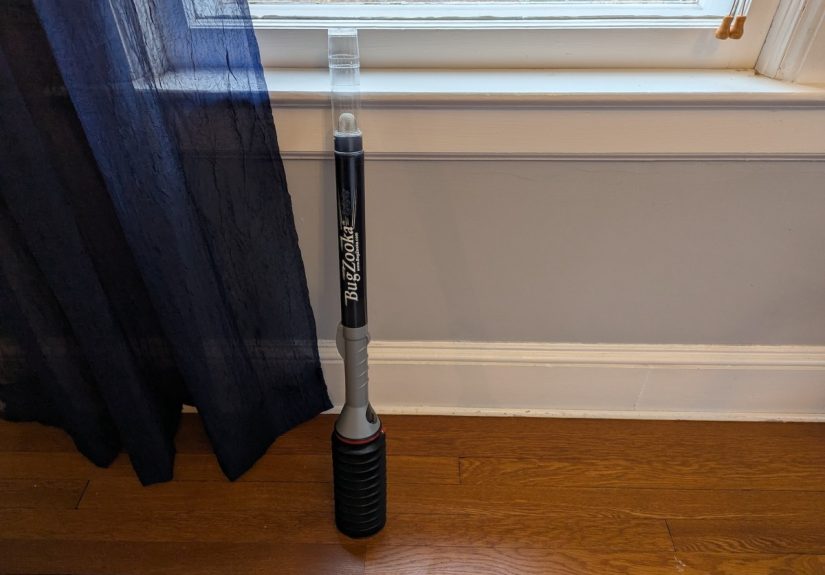
If I had to choose one chemical-free tool for stink bug season, it would be a simple bug vacuum or a vacuum-based removal method. That can mean a handheld bug-catching vacuum, a small dedicated hand vac, or even a standard vacuum used carefully. The idea is wonderfully boring, which is exactly why it works: you remove the bug quickly, cleanly, and without turning the room into a battle scene.
Why this method works so well
Stink bugs are easy to spot on walls, windows, lamps, curtains, and ceilings. A vacuum lets you remove them immediately instead of chasing them with a tissue while questioning your life choices. It is fast, low-mess, and especially handy when you find multiple bugs clustered in the same area.
Unlike sprays, a vacuum gives you control. There is no residue on surfaces, no strong smell from insecticides, and no concern about drifting chemicals around kids, pets, food prep zones, or fabric. It is also one of the few methods that works just as well when a bug is calmly sitting still as when it is gearing up for an awkward flight path through your dining room.
How to use it without creating “eau de vacuum bag”
The main downside of vacuuming stink bugs is obvious: the odor can linger inside the machine. The fix is simple. Use a vacuum that is easy to empty, or dedicate a cheap handheld unit for bug duty during the season. Some homeowners also place a stocking or collection barrier inside the tube or canister so the bugs are easier to remove before the smell settles in.
My favorite routine is this: vacuum the bugs, empty them promptly into a container of soapy water, seal the waste, and clean the canister if needed. This keeps the method chemical-free while preventing your vacuum from smelling like a very bad candle scent.
The Backup Move: A Soapy Water Trap That Costs Almost Nothing
If the vacuum is the hero, the soapy-water trap is the reliable sidekick. It is simple, cheap, and surprisingly effective, especially in the evening when stink bugs are active near lights.
You can make one with a shallow pan, water, a few drops of dish soap, and a lamp. Place the light above or near the pan in a dim room. The stink bugs are drawn toward the light, land badly because they are not exactly aviation legends, and fall into the soapy water. The soap breaks surface tension, and the bugs sink instead of paddling away like tiny armored lifeguards.
This is not a magic trick that solves a major infestation overnight, but it is excellent for reducing the number of bugs indoors without chemicals. It also works well as a passive trap in rooms where you have noticed repeat visitors near windows or lamps.
The Real Long-Term Fix: Turn Your House Into a Terrible Hotel
Physical removal is great. Prevention is better. The single smartest thing you can do during stink bug season is make it harder for them to get inside in the first place. Think of it as changing your home’s review score from “warm and welcoming” to “zero stars, impossible check-in.”
Seal the obvious entry points
Start with windows and doors. Replace worn weather stripping, repair torn screens, add door sweeps, and caulk gaps around trim. If you can see daylight through a crack, a stink bug may see a grand opening.
Check vents, siding, and utility openings
Openings around pipes, cable lines, vents, and exterior fixtures are classic entry points. Chimney screens and vent screens help, too. The goal is not to make your house airtight like a submarine. It is to eliminate the easy access points bugs love most.
Pay attention to sunny walls
Stink bugs are famously drawn to warm, sunlit surfaces during the fall. If you notice them clustering on the south- or west-facing side of your house, that is your cue to inspect that area carefully. Even a few tiny gaps can become a busy seasonal entrance.
What Not to Do During Stink Bug Season
Zero-chemical control works best when you skip a few popular-but-unhelpful moves.
Do not smash them on sight
You can. You will regret it. Crushing stink bugs releases their signature odor and can leave a mess behind. It is the pest-control equivalent of winning the battle and losing the air quality.
Do not rely on indoor foggers
Bug bombs and indoor foggers sound dramatic, but they are not a great long-term answer for stink bugs in living spaces. They may kill the bugs you see, but they do not stop more from emerging from wall voids and hidden spaces. That means you are left with residue, frustration, and a house that still has surprise guests.
Do not ignore the outside of the house
If your plan starts only after bugs are already strolling across your blinds, you are playing defense too late. The better move is to inspect and seal before peak stink bug season ramps up. Prevention is less glamorous than chasing bugs with a slipper, but much more effective.
A Simple Zero-Chemical Stink Bug Routine That Actually Works
Here is the approach I recommend for homeowners who want chemical-free stink bug control without turning pest management into a second job:
- Late summer: Inspect windows, doors, siding, vents, and utility gaps. Repair screens and weather stripping.
- Early fall: Caulk or seal the small openings you find, especially on sunny sides of the home.
- During stink bug season: Keep a bug vacuum or hand vac ready for quick removal.
- For recurring indoor activity: Set a soapy-water light trap in the problem room during the evening.
- After removal: Empty the vacuum promptly and dispose of bugs in soapy water or a sealed bag.
That routine is not flashy, but it is practical, affordable, and repeatable. More important, it does not require you to spray chemicals all over the places where you actually live, cook, nap, and step on forgotten charger cords.
Do Zero-Chemical Methods Really Work?
Yes, with one important caveat: they work best when paired with exclusion. If your home has multiple open entry points, vacuuming and trapping will feel like scooping water from a leaky boat. But when you combine sealing with regular physical removal, the results are much better.
That is the real secret. The best stink bug strategy is not one dramatic product. It is a low-drama system. Keep them out when you can. Catch them quickly when you cannot. Avoid crushing them. Skip the chemical overkill unless a professional identifies a truly different pest problem that requires it.
And yes, there is something deeply satisfying about handling stink bug season with simple tools instead of an arsenal of sprays. It feels smarter, cleaner, and much less chaotic. Also, there is a tiny thrill in winning a seasonal home battle with dish soap and a vacuum. Very “resourceful homeowner,” very “I deserve a snack after this.”
Final Thoughts
If stink bug season turns your windows into a bug lounge every year, your best move is not panic. It is preparation. A zero-chemical approach built around sealing entry points, vacuuming visible bugs, and using a soapy-water trap when needed can go a long way toward keeping your home calmer and less buggy.
My secret weapon may sound simple, but that is exactly the point. During stink bug season, simple wins. A bug vacuum, a little dish soap, and a weekend spent sealing gaps can beat a whole lot of frustration. No chemical cloud, no mystery residue, no dramatic overreaction. Just a cleaner, smarter way to show stink bugs the door.
Experience Section: What I Learned After Multiple Stink Bug Seasons
The first time I dealt with a serious wave of stink bugs, I made every classic mistake. I ignored the few bugs on the sunny side of the house because they seemed harmless. I told myself I would “deal with it this weekend,” which is what people say right before a minor issue becomes a recurring character. Then one cool evening, I found three on the living room curtains, one on the lamp, and another doing laps around the kitchen ceiling like it had a personal agenda.
My first instinct was to grab whatever spray I had under the sink. That was a bad plan for several reasons. One, I did not love the idea of spraying random chemicals near the places where I cook and where my dog likes to nap. Two, the bugs were spread out in annoying little pockets, not gathered in one neat spot like considerate pests. Three, I quickly realized I wanted them gone now, not eventually, and I definitely did not want the whole room smelling like a cleanup aisle exploded.
That was when I switched to the zero-chemical route, and honestly, it changed the whole experience. I started using a small vacuum for quick removal. The difference was immediate. Instead of gearing up for a dramatic confrontation every time I saw a bug, I could solve the problem in about five seconds. Spot bug. Vacuum bug. Feel strangely victorious. Go back to making coffee.
The next lesson came fast: prevention matters way more than heroics. Once I started checking windows, replacing worn weather stripping, and sealing tiny gaps around trim and utility lines, the number of indoor bugs dropped noticeably. Not magically. Not instantly. But enough that I stopped feeling like I was living in a seasonal bug documentary.
I also learned that location matters. The stink bugs almost always showed up first on the warmest, sunniest side of the house. That area became my inspection zone every fall. Once I understood their pattern, I stopped treating the whole house like a mystery and started treating it like a map. Bugs on sunny wall? Check nearby window frame. Bugs in upstairs bedroom? Inspect screen, trim, and attic-adjacent gaps. The pattern was boring, but beautifully useful.
The soapy-water trap was another pleasant surprise. I did not expect much from a pan, a lamp, and a few drops of dish soap. It sounded like something a very determined grandparent would invent after getting annoyed one too many times. But in rooms where I kept seeing repeat visitors, it helped. Not in a “behold, the entire infestation has ended” way. More in a “this quietly catches enough stragglers to make the room feel normal again” way. I will take that.
Most of all, I learned that chemical-free stink bug control feels less stressful because it is simple. There is no big setup, no residue, no guessing whether you should wipe down every surface afterward. It is just a few smart habits repeated at the right time of year. That kind of routine is easier to stick with, and sticking with it is what makes the biggest difference.
Now, when stink bug season starts, I do not panic. I do a quick exterior check, keep my vacuum ready, and set a trap if activity picks up. That is it. The bugs may still try their luck, but the house is much less inviting, and I am much less annoyed. Which, frankly, is the dream: fewer stink bugs, less drama, and no need to turn my home into a pesticide experiment just because a few shield-shaped freeloaders showed up for sweater weather.