Table of Contents >> Show >> Hide
- What is a door knob plate (and what does it actually do)?
- Why Nostalgic Warehouse plates stand out
- Picking a plate style that matches your house
- Measure first: the quick sizing checklist
- Pick the right function for each door
- Finish and care: keeping brass looking good
- Installation tips that prevent sticky latches
- Two designer moves that make plates look intentional
- Common mistakes (and how to avoid them)
- Experience section: what living with antique-style plates is actually like ()
- Conclusion
Door hardware is a tiny design choice with a huge day-to-day footprint. You touch it constantly, and your eyes register it whether you mean to or not. When it’s mismatched, flimsy, or too modern for the house, even beautiful doors can feel “off.”
That’s why antique-style door knob platesalso known as door knob backplates or escutcheon platesare worth obsessing over (just a little). They protect the door face, cover old holes, and frame the knob so the whole set looks intentional. If you want vintage character without the gamble of salvage, Nostalgic Warehouse antique door knob plates are a go-to for many restorations and “old-house-inspired” remodels.
What is a door knob plate (and what does it actually do)?
A door knob plate is the metal piece mounted behind a knob or lever. Historically, plates were common in American homes because older lock systems and years of use could chew up the wood around the hardware. Today, plates still earn their keep by:
- Protecting wood: reducing wear from hands, keys, rings, and repeated turning.
- Covering imperfections: hiding paint shadows, old screw holes, or mismatched door prep from earlier hardware.
- Adding “period grammar”: giving the knob a frame that matches the architecture.
Backplate vs. rosette vs. escutcheon
- Long backplate: tall plate above and below the knob; best for older doors and covering scars.
- Short plate: compact, vintage look with less visual weight.
- Rosette: small round or shaped base behind a knob; common on modern sets.
- Escutcheon: decorative/protective plate around a keyhole or cylinder; sometimes used to describe the whole plate assembly.
Why Nostalgic Warehouse plates stand out
“Vintage-inspired” hardware ranges from truly architectural to “spray-painted cosplay.” Nostalgic Warehouse tends to land on the architectural side because of how they build and present their sets.
Solid-forged brass and hand assembly
Nostalgic Warehouse describes its products as crafted from solid-forged brass and assembled by hand in the USA. In practical terms, that usually means a sturdier, heavier plate and a more authentic look than thin stamped metal. It also tends to mean the plate edges and relief details read crisp instead of soft or muddy.
Mix-and-match customization
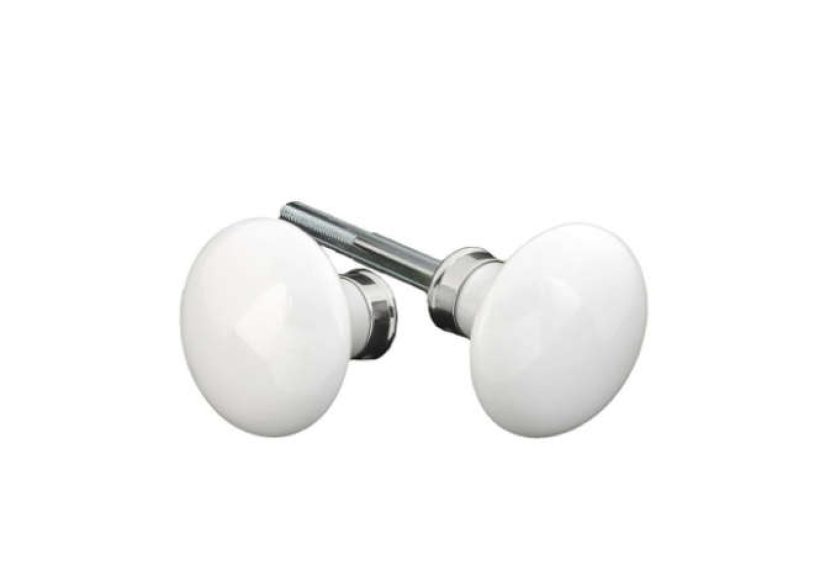
The brand is built around pairing plates with different knobs and leverscrystal, porcelain, and brass optionsso you can keep a consistent “era” across the house while tailoring rooms. The trick is to keep the plate family consistent and treat knob material as the “accent.”
Finish choices that fit real life
They highlight multiple finishes, from bright polished looks to softer satins and darker tones. If you choose unlacquered or living brass, you’re choosing patina on purpose: it will change with time and touch, and that’s the charm.
Warranty transparency
Nostalgic Warehouse publishes a mechanical warranty and finish coverage details (with common-sense exclusions for misuse, incorrect installation, and certain living finishes). That matters when the hardware will be used thousands of times a year.
Picking a plate style that matches your house
Door plates repeat throughout a home, so the silhouette becomes a quiet signature. Here are classic directions that pair naturally with common American architectural eras.
New York-style long plates
Clean, traditional, and at home in early-1900s interiors. They pair especially well with glass/crystal knobs and porcelain knobs when you want that “restored, not renovated” feeling.
Victorian plates
Ornate detailingscrollwork, beading, floral motifsfits homes with decorative trim and historic millwork. These are great “statement plates” for rooms that can handle a little jewelry.
Mission / Craftsman plates
Geometric, restrained, and sturdy-looking. If your home leans bungalow, foursquare, or Arts & Crafts, Mission-style plates feel right and pair beautifully with darker finishes.
Deco and streamlined plates
For 1920s–1940s flavor, streamlined shapes and symmetry deliver vintage character without ornate fuss. They also blend well into transitional and modern spaces.
Keyhole or no keyhole?
Keyhole plates look authentic for interior mortise locks and true skeleton-key setups. For modern passage or privacy doors, a plain plate (no keyhole) usually looks cleaner and avoids a “decorative hole that goes nowhere” moment.
Measure first: the quick sizing checklist
This is the part that saves you returns. Doors are picky about geometry even when your taste is impeccable.
1) Mortise vs. tubular
Mortise locks sit in a rectangular pocket in the door edge; tubular (cylindrical) locks use bored holes and a latch assembly. Older homes commonly have mortise locks on interior doors, while newer doors typically use tubular hardware.
2) Backset, bore, and thickness
- Backset: commonly 2-3/8" or 2-3/4" (door edge to knob center).
- Main bore: modern pre-drilled doors often use a 2-1/8" knob/lever bore and a 1" edge bore for the latch.
- Door thickness: many residential doors fall around 1-3/8" to 1-3/4", but measure yours.
3) What are you trying to cover?
If your door has extra holes, paint shadows, or evidence of multiple lock eras, a long backplate can hide a lot without patching. If your door is clean and you just want a vintage upgrade, a short plate or rosette may feel more refined.
Pick the right function for each door
Antique-style plates look old, but the way you use doors is very modern. Choosing the right function keeps the house practical:
- Passage: for doors that don’t need a lock (hallways, closets, many bedrooms with separate privacy elsewhere).
- Privacy: for bathrooms and bedrooms where you want a simple inside lock.
- Dummy: one-sided hardware for doors that don’t latch (decorative closets, pantry pulls, some French doors).
- Double dummy: hardware on both sides of a non-latching door, used as a pull on each side.
Finish and care: keeping brass looking good
For most finishes, a soft cloth and mild soap-and-water cleaning is the safest routine. Avoid abrasive pads and harsh chemicals, especially on darker finishes and plated components. If you choose a sealed finish (like many polished or satin finishes), regular gentle wiping is usually all you need to keep it looking consistent.
If you choose unlacquered or living brass, expect variation: high-touch doors will patina faster than low-use doors, and that contrast is part of the appeal. Clean grime gently and let the finish age naturally. If you ever decide you want it brighter, use a gentle approach and test in an inconspicuous area first; aggressive polishing can remove the very character you chose living brass for.
Installation tips that prevent sticky latches
You don’t need a full workshop, but you do need patience and a screwdriver you actually like. These habits help:
- Dry-fit the plate first to confirm it sits flat and covers what you need.
- Tighten screws evenly so the plate doesn’t twist or pull to one side.
- Finish by hand (not with a power driver) to avoid over-tightening and binding.
- Align the latch correctly: the beveled side should face the jamb so the door closes smoothly.
- Expect quirks on older doors: mortise setups and historic doors often need minor fitting for a perfect seat.
Two designer moves that make plates look intentional
Choose a “house standard,” then customize one or two doors
Pick one plate family and finish for most doors. Then let one or two doors be speciallike a powder room with a crystal knobwhile keeping the plate style consistent so the house still feels cohesive.
Let the door decide the boldness
Flat, simple doors can handle ornate plates because they need the jewelry. Highly paneled doors already have a lot going on; simpler plates often look more elegant there.
Common mistakes (and how to avoid them)
- Buying on looks alone: lock type and measurements come first, always.
- Forgetting function: match passage/privacy/dummy choices to the door’s real use.
- Polishing away the point: living finishes are meant to age; clean gently and embrace patina.
Experience section: what living with antique-style plates is actually like ()
Here’s what most listings can’t convey: once you install antique-style plates, you start noticing the “micro-experiences” of your house. Not because you became a hardware snob overnight, but because doors are the most repetitive interaction in a home. You open them when you’re half-awake. You close them when you’re carrying groceries. You twist knobs when you’re trying to be quiet, and you slam them when you’re trying to make a point (we’ve all been there).
The first change people notice is feel. Homeowners who swap light hardware for substantial brass often describe it as “confident.” The plate doesn’t flex when tightened. The knob doesn’t feel hollow. When the latch clicks home, it feels more decisiveless rattly, less “temporary apartment.” That sense of solidity adds up quickly on busy doors like the kitchen, the garage entry, or the hallway bathroom that every guest somehow finds within three seconds of arriving.
The second change is visual rhythm. When your doors share the same plate silhouette, a hallway looks calmer. Rooms feel connected. Even if you change paint colors, furnishings, or lighting from room to room, repeated hardware details create a subtle through-line. It’s the design equivalent of good punctuation: quiet, but it makes everything read better.
Long plates become the unsung heroes of old houses. Many historic doors wear their past on their face: extra screw holes, paint outlines from old rosettes, and small dents near where a key once scraped the wood. You can absolutely patch and repaint every door, but most homeowners don’t want “door refinishing” to become a lifelong hobby. A long backplate covers scars and makes the door look cared for without pretending it’s brand-new. It’s a practical kind of restoration: respect the age, clean up the presentation, and move on with your life.
Finish choice becomes a daily relationship. Polished finishes look bright and traditional, but they show fingerprintsespecially on doors that get handled with damp hands, lotion, or cooking residue. Satin finishes tend to be the low-drama option: they hide smudges and keep the look relaxed. Unlacquered or living brass is the most old-house-friendly experience because it changes over time. The kitchen door may darken first. The guest room may stay brighter longer. High-touch edges may develop deeper tone. Instead of fighting that variation, many homeowners end up enjoying it the same way they enjoy worn stair treads: it’s proof the house is being used, not staged.
And yes, guests notice. Not in a “nice escutcheon plates” way, but in a “your house feels finished” way. That’s the power of repeating details. A kitchen renovation gets attention in one room. Door hardware quietly reinforces your style everywhere, every day. When the plates are consistent, the house feels more intentionaleven if your junk drawer is still a chaotic masterpiece.
If you’re deciding whether Nostalgic Warehouse antique door knob plates are worth it, think beyond a single doorway. The payoff is in repetition: a cohesive plate style, a finish you can live with, and hardware that feels solid enough to fade into the backgroundin the best wayfor years.
Conclusion
Nostalgic Warehouse antique door knob plates are a practical way to add historic character with modern dependability. Measure your door first (mortise vs. tubular, backset, bore size, thickness), choose a plate style that matches your architecture, and pick a finish that fits your lifestyle. Do that, and your doors stop looking like afterthoughts and start looking like design decisions.