Table of Contents >> Show >> Hide
- What potassium does in the body (and why you should care)
- How much potassium do you need per day?
- 18 potassium-rich foods (with potassium per standard serving)
- 1) Beet greens, cooked (1 cup): 1,309 mg
- 2) Swiss chard, cooked (1 cup): 961 mg
- 3) Spinach, cooked (1 cup): 839 mg
- 4) Potato, baked, with skin (1 medium): 926 mg
- 5) Acorn squash, cooked (1 cup): 896 mg
- 6) Sweet potato, cooked (1 cup): 572 mg
- 7) Portabella mushrooms, cooked (1 cup): 529 mg
- 8) White beans, cooked (1/2 cup): 502 mg
- 9) Lentils, cooked (1/2 cup): 366 mg
- 10) Kidney beans, cooked (1/2 cup): 359 mg
- 11) Edamame, cooked (1/2 cup): 338 mg
- 12) Avocado (1/2 cup): 364 mg
- 13) Prune juice, 100% (1 cup): 707 mg
- 14) Apricots, dried (1/4 cup): 378 mg
- 15) Banana (1 medium): 451 mg
- 16) Orange juice, 100% (1 cup): 496 mg
- 17) Yogurt, plain, nonfat (8 ounces): 625 mg
- 18) Skipjack tuna (3 ounces): 444 mg
- How to eat more potassium without turning meals into a science project
- Who should be careful with potassium?
- Quick “potassium-forward” meal ideas
- Real-life experiences: what people notice when they eat more potassium-rich foods (about )
- Conclusion
Potassium is the unsung backstage crew of your body: it helps your muscles contract, your nerves send messages,
and your heart keep a steady beat. It also plays a starring role in fluid balance and can help counteract the
blood-pressure effects of too much sodium. In other words, potassium is the “calm friend” who shows up when
sodium is being dramatic.
The twist? Most people know bananas have potassium, but that’s like saying “New York has buildings.”
True… but it’s not the whole story. Plenty of everyday foods (beans, leafy greens, potatoes, yogurt, and even
certain fish) can deliver serious potassiumoften without you having to live on banana smoothies.
What potassium does in the body (and why you should care)
Potassium is an electrolyte, meaning it carries an electrical charge that helps your cells work properly.
Your body uses it to support normal muscle contraction (including your heart), nerve signaling, and the movement
of nutrients into cells and waste out of cells. It’s also part of the sodium–potassium balancing act that influences
blood pressure and fluid regulation.
Potassium and blood pressure: the “sodium counterbalance” effect
Many Americans get more sodium than they need, largely from packaged and restaurant foods. Potassium helps the
body handle sodium by supporting normal fluid balance and helping the kidneys manage sodium levels.
For people trying to prevent or treat high blood pressure, the American Heart Association has noted a potassium
intake range of about 3,500–5,000 mg/day (ideally from food), depending on individual needs and clinician guidance.
(If you have kidney disease or take certain medications, that advice can changemore on that below.)
How much potassium do you need per day?
In the U.S., recommended daily amounts vary by age and life stage. For adults, common targets are about
3,400 mg/day for men and 2,600 mg/day for women. Pregnancy and breastfeeding have their
own targets. The important point: potassium needs are personal, and medical conditions (especially kidney disease)
can flip the script.
Can you get too much potassium?
From food alone, healthy kidneys typically do a solid job of keeping potassium in a safe range. The bigger risks
show up when kidney function is reduced, or when certain medications affect potassium handling. High blood potassium
(hyperkalemia) can be dangerous because it can affect heart rhythmsometimes without obvious symptoms.
Also, a sneaky source of potassium is salt substitutes made with potassium chloride. These can be helpful
for reducing sodium, but they can be risky for people with kidney disease or those taking medications that raise potassium.
If that describes you, talk with a clinician before using salt substitutes.
18 potassium-rich foods (with potassium per standard serving)
Below are 18 foods high in potassium, using standard serving sizes and potassium amounts commonly cited in U.S.
nutrition references. Consider these “plug-and-play” options you can mix into meals and snacks.
1) Beet greens, cooked (1 cup): 1,309 mg
Beet greens are the overachiever of the leafy-green world. Sauté them with garlic and olive oil, toss into soups,
or mix into a grain bowl. Bonus: they’re flavorful enough to make you forget you’re “eating your greens.”
2) Swiss chard, cooked (1 cup): 961 mg
Swiss chard is mild, flexible, and potassium-packed. Try it wilted into pasta, folded into omelets, or stirred into
beans. If spinach is the classic, Swiss chard is the remix with more bass.
3) Spinach, cooked (1 cup): 839 mg
Cooked spinach shrinks down dramaticallyso it’s an easy way to add potassium without feeling like you’re chewing
through a hedge. Add it to scrambled eggs, curries, or a quick skillet meal.
4) Potato, baked, with skin (1 medium): 926 mg
Potatoes get a bad reputation because of how we sometimes dress them (hi, deep fryer).
A baked potato with the skin is a legit potassium source. Top it with Greek yogurt, salsa, and chives instead of
going full “butter avalanche.”
5) Acorn squash, cooked (1 cup): 896 mg
Sweet, cozy, and potassium-rich. Roast halves with cinnamon and a drizzle of maple, or cube and toss into salads.
It’s basically fall in a bowlwith real nutrition attached.
6) Sweet potato, cooked (1 cup): 572 mg
Sweet potatoes deliver potassium plus fiber and a naturally sweet flavor. Roast wedges, mash with a little olive oil,
or add cubes to chili. They’re comfort food that actually comforts your nutrition goals.
7) Portabella mushrooms, cooked (1 cup): 529 mg
Mushrooms add savory “umami” without much effort. Grill portabella caps as a burger alternative, or slice into
stir-fries. Your taste buds will think you worked harder than you did.
8) White beans, cooked (1/2 cup): 502 mg
Creamy and versatile. Blend into soups for thickness, toss into salads, or mash with lemon and herbs for a dip.
Beans are one of the easiest ways to stack potassium while also getting fiber.
9) Lentils, cooked (1/2 cup): 366 mg
Lentils are weeknight-friendly: they cook fast, play well with spices, and work in soups, stews, and bowls.
If your pantry had a “most reliable friend” award, lentils would win it.
10) Kidney beans, cooked (1/2 cup): 359 mg
Chili’s best teammate. Kidney beans add potassium and texture. Use them in chili, tacos, or a quick bean salad
with onions, bell peppers, and a vinaigrette.
11) Edamame, cooked (1/2 cup): 338 mg
Edamame is the snack that feels like a habit upgrade. Sprinkle with a little seasoning, add to salads, or stir into
rice bowls. It’s protein-friendly and potassium-aware.
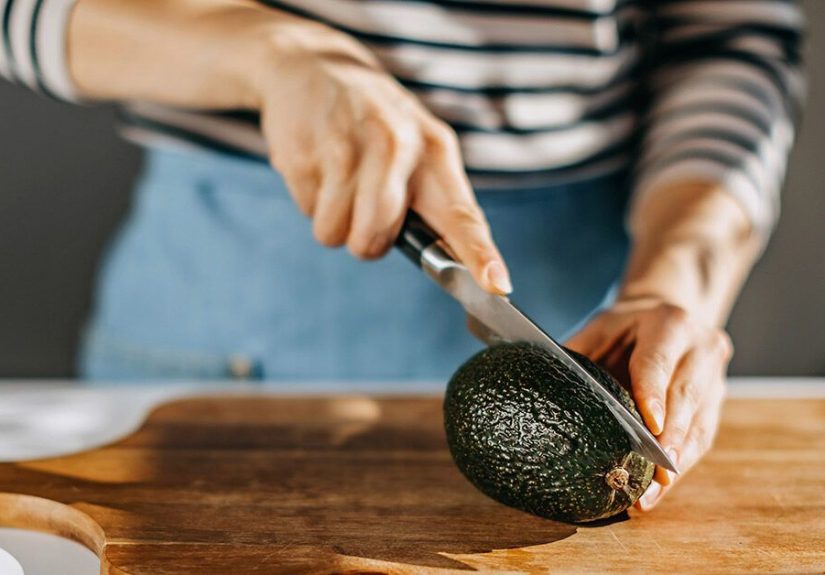
12) Avocado (1/2 cup): 364 mg
Avocado brings potassium plus healthy fats that help meals feel satisfying. Add to toast, tacos, salads, or blend
into a creamy dressing. Just remember: “avocado toast” is not a personality trait. (But it can be delicious.)
13) Prune juice, 100% (1 cup): 707 mg
Prune juice is a potassium heavyweight. It’s also known for supporting regularityso start with a modest amount
if you’re not used to it. Consider it the “two-for-one” option.
14) Apricots, dried (1/4 cup): 378 mg
Dried fruit is concentrated, meaning potassium adds up quickly. Pair dried apricots with nuts or yogurt for a snack
that doesn’t feel like a sad desk snack.
15) Banana (1 medium): 451 mg
The classic. Bananas are portable, affordable, and easy to use in smoothies, oatmeal, or as a “no-cook” snack.
They’re not the only potassium starbut they do show up on time and do their job.
16) Orange juice, 100% (1 cup): 496 mg
Orange juice offers potassium and vitamin C. If you’re watching sugar intake, consider smaller portions or choose
whole oranges more often for extra fiber. (Yes, the fiber matters. No, your blender does not count as fiber.)
17) Yogurt, plain, nonfat (8 ounces): 625 mg
Yogurt is a potassium-rich option that also brings protein. Use it as a base for parfaits, blend into smoothies,
or swap it in for sour cream in savory dishes. Add fruit and nuts and you’ve basically built a snack with benefits.
18) Skipjack tuna (3 ounces): 444 mg
Tuna adds potassium and protein in a simple package. Mix with olive oil–based dressing, add to salads, or pair with
beans for a higher-potassium lunch. If you choose canned tuna, look for lower-sodium options when possible.
How to eat more potassium without turning meals into a science project
The easiest way to boost potassium is to build meals around potassium-rich food groupsproduce, beans/lentils,
dairy (if you use it), and protein foodsthen keep sodium in check. Here are practical ways to do it:
Make a “potassium anchor” for each meal
- Breakfast: Yogurt + banana + a spoonful of nuts, or a veggie omelet with cooked spinach.
- Lunch: Bean-and-veggie soup (white beans + tomatoes + greens), or a tuna salad over greens.
- Dinner: Baked potato with skin + sautéed Swiss chard, or roasted acorn squash with lentils.
- Snack: Edamame, dried apricots + nuts, or a small glass of prune juice (start small!).
Use potassium to “crowd out” ultra-processed food
Potassium-rich foods are often minimally processed (greens, beans, squash, fruit). As you add them, you naturally
have less room for foods that tend to be high in sodium and low in potassium. It’s not dieting; it’s smart grocery math.
Watch the “health halo” traps
A few potassium-friendly foods can come with tradeoffs:
- Juices can be high in natural sugar and are easy to over-pour. Portions matter.
- Dried fruit is concentratedgreat for potassium, but also calorie-dense.
- Restaurant “healthy bowls” can still be sodium-heavy. Ask for sauces on the side.
Who should be careful with potassium?
If you have chronic kidney disease (CKD), a history of hyperkalemia (high blood potassium), or take medications that
raise potassium, your “more potassium!” plan should be supervised. The goal isn’t fearit’s accuracy.
In some kidney-related situations, clinicians may recommend limiting high-potassium foods or avoiding potassium-based
salt substitutes.
Salt substitutes: a special caution
Many salt substitutes swap sodium chloride for potassium chloride. That can sound like a winuntil it’s not.
If you have kidney disease or take certain medications, potassium chloride can push potassium levels too high.
When in doubt, ask your clinician or pharmacist before using a salt substitute regularly.
Supplements aren’t the first move
Potassium supplements in the U.S. often provide relatively small amounts per serving (commonly no more than 99 mg),
and higher-dose supplementation should be medically guided. Food is usually the safer, more useful strategy for most people.
Quick “potassium-forward” meal ideas
- Chili upgrade: Kidney beans + lentils + tomatoes + a handful of cooked spinach stirred in at the end.
- Sheet-pan dinner: Roasted acorn squash + portabella mushrooms + onions; serve with white beans.
- Loaded baked potato (smart version): Yogurt, chives, pepper, salsa, and a side of Swiss chard.
- Snack board: Edamame + dried apricots + yogurt + fruit (bonus points for variety).
Real-life experiences: what people notice when they eat more potassium-rich foods (about )
When people start prioritizing potassium-rich foods, the first “experience” usually isn’t a lightning bolt moment.
It’s more like your body quietly stops sending complaint emails. And because potassium often comes packaged with fiber,
water, and other nutrients, the benefits people report are rarely just about potassium alone.
Experience #1: “I’m less snacky at 3 p.m.”
A common pattern: someone swaps a processed snack (chips, crackers, sweet pastries) for a potassium-forward snack like
yogurt with fruit, edamame, or a small handful of dried apricots with nuts. They don’t always describe it as
“I feel more potassium.” They say, “I’m not hunting for snacks like a raccoon at 3 p.m.”
That’s likely because protein + fiber + healthy fats can improve satiety, and many potassium-rich foods check at least
one of those boxes.
Experience #2: “My meals taste better when I stop relying on salt”
This one surprises people. When they build meals around leafy greens, beans, mushrooms, squash, and tomatoes, they
naturally start using more herbs, spices, garlic, citrus, and vinegar to make those foods pop. The result:
meals can feel more flavorful even as sodium goes down. It’s the “flavor has entered the chat” effect.
Potassium isn’t a seasoning, but potassium-rich ingredients often invite better cooking habits.
Experience #3: “I’m finally consistent with lunch”
Potassium-rich foods are often meal-prep friendly: a pot of lentils, a tray of roasted sweet potatoes, a container of
sautéed greens, and a few portions of beans can assemble into multiple lunches. People notice consistency more than
they notice any single nutrient. One practical example: a “base bowl” that rotates toppingswhite beans one day,
tuna another, plus spinach or Swiss chard and a tomato-based saucekeeps lunch fast without being boring.
Experience #4: “I’m paying attention to my kidneys and meds for the first time”
For people with CKD or those on medications that affect potassium, the experience can be the opposite of “more is better.”
They often learn that potassium isn’t a universal goalit’s a personalized target. They may notice that salt substitutes
(potassium chloride) or a sudden jump in high-potassium foods can create lab-value surprises. The best “win” here is
awareness: working with a clinician or renal dietitian, learning portion sizes, and choosing lower- or moderate-potassium
options while still eating plenty of fruits and vegetables in a safe way.
Experience #5: “It’s easier than I thought”
The biggest mindset shift is realizing potassium isn’t a niche nutrient reserved for athletes and banana fans.
It’s in everyday foods: baked potatoes, beans, greens, yogurt, and fruit. People who succeed long-term usually don’t
chase perfection. They pick two or three potassium-rich “defaults” (like yogurt at breakfast, beans at lunch, greens at
dinner) and repeat them in a way that fits their life. Boring? Maybe. Effective? Very.
Conclusion
If you want to eat more potassium, you don’t need a miracle supplement or a banana-based personality.
Build your meals around potassium-rich staplesleafy greens, beans and lentils, potatoes and squash, fruit, yogurt,
and potassium-friendly protein options. Aim for consistency, keep sodium in check, and be extra cautious if you have
kidney disease or take medications that affect potassium. Small changes add upespecially when they taste good.