Table of Contents >> Show >> Hide
- The First Chapter: How Dogs Joined the Human Story
- The Working Dog: Labor, Skill, and Quiet Competence
- The House Dog: From Backyard Helper to Full-Fledged Family
- The Canine Mind: Smarter Than the Stereotypes
- Dogs and Human Health: Comfort, Motion, and Connection
- Dogs in Story, Symbol, and Culture
- Adoption, Training, and the Ethics of Loving Dogs Well
- Why Dogs Endure
- A Longer Coda: Experiences From Life With Dogs
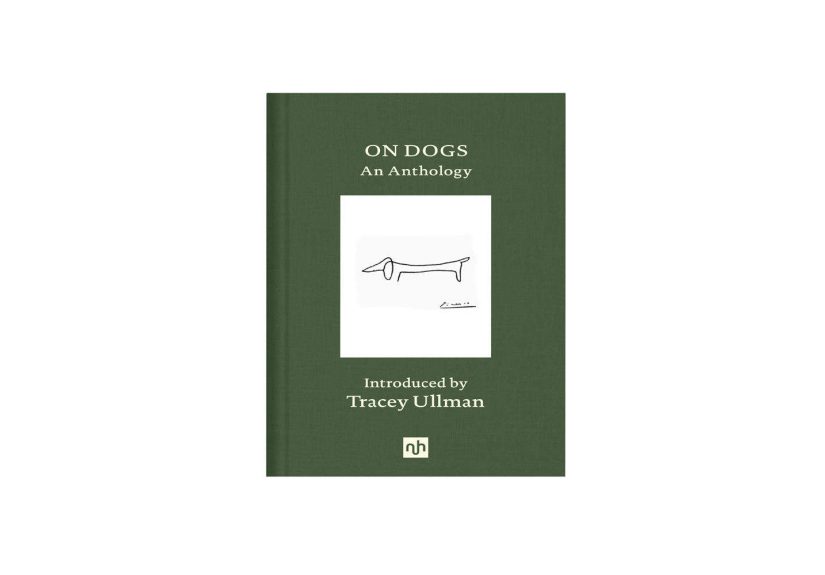
There are animals we admire from a safe distance, animals we study, animals we feed, and animals we politely avoid on hiking trails. Then there are dogs. Dogs do not stay at a distance. They lean against your leg while you make coffee. They patrol the living room like tiny, unpaid security guards. They sit beside grief as if they invented emotional support. If cats are poets and horses are epic novels, dogs are a whole anthology: comic essay, war memoir, love letter, survival story, and slapstick routine, all bound in fur.
This is what makes writing about dogs so tricky and so fun. They are not one thing. They are hunting partners and housemates, farmhands and family members, athletes and nap enthusiasts. They are ancient enough to stand near the dawn of human civilization and modern enough to have orthopedic beds, birthday hats, and social media accounts more polished than most corporate brands. To talk about dogs is to talk about work, loyalty, instinct, adaptation, and the strange miracle of interspecies friendship.
So this essay treats dogs the way dogs deserve to be treated: not as a single topic, but as a collection. Consider this an anthology in prose, a walk through the many ways dogs have shaped our homes, our habits, our health, and our imagination.
The First Chapter: How Dogs Joined the Human Story
Long before dogs were stealing couch cushions, they were joining human communities in practical, life-changing ways. Current research continues to push the relationship far back into prehistory, with evidence showing that dogs were already distinct from wolves and living alongside people more than 14,000 years ago. That matters because it places dogs before agriculture in the human timeline. In other words, we did not first settle down, build neat fences, and then think, “You know what this place needs? A Labrador.” Dogs were already with us earlier than that, adapting to human movement, labor, and ritual.
And from the beginning, dogs seem to have been useful in the broadest, most flexible sense of the word. They could guard, track, herd, retrieve, warn, and accompany. A dog was not a one-job tool. It was, to borrow a modern metaphor, the original multitool with a heartbeat. That flexibility helps explain why dogs spread so widely across cultures. A species that can help on a hunt in one era, watch a camp at night in another, and then grow into a beloved household companion in a city apartment has a survival strategy most creatures would envy.
The long history also explains the emotional depth of the human-canine bond. We did not just tame dogs. We built lives with them. Over thousands of years, dogs became woven into the rhythms of human existence: travel, work, safety, food, play, mourning, and memory. That is not a side note in human history. That is part of the main plot.
The Working Dog: Labor, Skill, and Quiet Competence
One reason dogs remain so beloved is that their usefulness never really disappeared. It simply changed costumes. The sheepdog on a hillside and the guide dog at a crosswalk are separated by centuries and context, but they belong to the same tradition: dogs helping humans navigate the world. Even in the average household, dogs still “work,” though modern owners tend to describe it with softer words. They alert. They accompany. They regulate routine. They provide structure. They notice things.
Some dogs still perform highly specialized tasks, of course. Assistance and service dogs support people with disabilities, therapy and facility dogs participate in structured wellbeing settings, and detection dogs use their extraordinary noses in ways that still feel slightly magical to the rest of us. The science around the human-animal bond suggests that these relationships can support mental, social, and emotional functioning, but the dog’s contribution is never purely sentimental. It is practical, embodied, and often measurable.
There is something deeply reassuring about canine competence. Dogs throw themselves into purposeful activity with admirable sincerity. No irony. No branding strategy. No PowerPoint. A border collie herding sheep is not “optimizing outcomes.” It is simply doing the thing it was shaped to do. Humans, who have a talent for overcomplicating absolutely everything, find this refreshing.
The House Dog: From Backyard Helper to Full-Fledged Family
American culture has watched the role of dogs shift dramatically over the last century. Once, the average dog was more likely to be tied to work, property, and outdoor life. Then domestic life changed, pest control improved, suburbs spread, and dogs moved closer to the human center of the home. The doghouse did not vanish, exactly, but the couch won by a landslide.
Today, millions of people speak of dogs as family, and not in a vague, Hallmark-card way. They budget for veterinary care, buy enrichment toys, schedule training classes, adjust travel plans, and rearrange furniture for one creature who still occasionally eats paper. This shift has made dog care both more compassionate and more demanding. Loving a dog well means understanding that affection is not enough. Dogs need exercise, structure, medical care, mental stimulation, and patient training. Adoration without responsibility is just chaos in a cute package.
That is why reputable guidance on dog care keeps returning to the same fundamentals: safe environments, regular routines, appropriate feeding, exercise tailored to age and breed, preventive care, and behavior support that treats problems early instead of waiting for them to become disasters. The best homes for dogs are not perfect homes. They are steady ones.
Why Routine Matters More Than Fancy Gear
Dogs do not care whether their food bowl matches your kitchen tile. They care whether breakfast happens at a predictable time. They care whether someone notices when they are anxious, bored, overstimulated, or under-exercised. House-training, socialization, and behavior support all work better when a dog can predict the shape of the day. Stability is a kindness dogs understand immediately.
The Canine Mind: Smarter Than the Stereotypes
The old joke says dogs are lovable goofballs, all enthusiasm and very little strategy. Science keeps ruining that joke. Research into canine cognition has shown that dogs are capable of far more than many people once assumed. Some can learn words for objects, distinguish familiar from novel terms, and respond to human cues with astonishing sensitivity. No, your dog is probably not about to publish a memoir, but the canine mind is far from simple.
What makes dogs especially fascinating is not that they think exactly like humans. They do not, and that is the point. Dogs are intelligent in canine ways. They are skilled at reading gestures, tone, timing, and routine. They notice what matters in shared life: where the leash is stored, what “later” sounds like, who in the house is sad, and whether the pantry door just made the peanut-butter noise. Their intelligence is social, embodied, and wonderfully tuned to living beside us.
This is also why enrichment matters. A dog’s brain needs something to do. Exercise is not just about burning energy. It supports mood, behavior, and cognitive health. Play, scent work, training games, exploration, and variety keep a dog mentally engaged. A bored dog is rarely a bad dog; it is usually an underemployed one.
Senior Dogs and the Other End of the Story
The canine mind also ages. Veterinary experts describe cognitive dysfunction syndrome in older dogs as a real, age-related brain condition that can resemble dementia-like decline in humans. Some senior dogs become disoriented, sleep differently, forget routines, or seem less socially engaged. That can be heartbreaking, but it can also be managed more thoughtfully than many owners realize. Early recognition, environmental enrichment, medical guidance, and compassionate adjustments can improve quality of life.
There is a quiet dignity in caring for an old dog. Puppies get the fanfare. Senior dogs get the truth. They remind us that love is not just delight; it is adaptation, patience, and showing up when the pace changes.
Dogs and Human Health: Comfort, Motion, and Connection
Dog lovers have long insisted that dogs make life better, and research gives that belief some real support. Public health and medical organizations point to benefits that include greater opportunities for activity, reduced loneliness, improved social support, and lower stress. Some evidence also links dog ownership with better cardiovascular outcomes and increased physical activity, though good science is careful here: not every effect is automatic, and owning a dog is not a magic wellness subscription with paws.
Still, anyone who has ever been unwillingly recruited into a 6:15 a.m. walk already understands one of the clearest benefits. Dogs get humans moving. They pull us outdoors, into neighborhoods, parks, sidewalks, weather, and daylight. They interrupt sedentary habits with blunt sincerity. Your dog does not care that you were “just going to scroll for five more minutes.” Your dog has other plans, and they involve your shoes.
Dogs can also change the emotional climate of a home. They offer company without conversational pressure. They create ritual. They give children chances to practice gentleness and responsibility. They can act as social bridges, making strangers more likely to talk to one another on walks or in public spaces. In a culture that is often isolated, rushed, and digitally overfed, dogs return life to the scale of the immediate: this block, this moment, this tail wag, this person standing next to you.
Dogs in Story, Symbol, and Culture
Dogs are not only companions in life; they are recurring characters in culture. They appear in myth, art, literature, film, and folklore with almost suspicious frequency, as though humanity collectively agreed that one species was simply too narratively useful to ignore. Dogs can symbolize loyalty, guardianship, foolish devotion, comic interruption, moral innocence, or feral danger. They can stand for home, wilderness, grief, childhood, and courage, sometimes all in the same novel.
That range matters. It tells us dogs are not decorative in human imagination. They are interpretive. We use them to think with. A dog in a story can reveal the kind of household someone lives in, the kind of love someone can receive, or the kind of responsibility someone avoids. Even when dogs are not speaking in literature, they are often saying quite a lot.
And because dogs are so physically expressive, they lend themselves beautifully to scene and memory. The tilted head, the patient wait by the door, the muddy sprint through a forbidden puddle, the heavy sigh when a human takes too long to finish one email: these are tiny acts, but they live vividly in the mind. Dogs make excellent material because they are always doing something human beings recognize, even when they remain gloriously, stubbornly canine.
Adoption, Training, and the Ethics of Loving Dogs Well
If dogs have earned a central place in human life, humans have also earned some obligations. Loving dogs well means resisting two bad habits: sentimentality and control. Sentimentality treats dogs like plush toys with emotional labor skills. Control treats them like machines. Neither approach respects the actual animal.
Ethical dog ownership starts with realistic matching. Energy level, age, size, temperament, time commitment, budget, and housing all matter. Adoption can be a wonderful first option, and shelters and rescue organizations play an essential role in finding dogs homes that fit them, rather than homes that merely photograph well. A dog is not a lifestyle accessory. It is a daily relationship.
Training should also be understood as communication, not domination. Behavior issues are not moral failings. They are information. A dog who chews, barks excessively, guards resources, or panics when left alone is not being dramatic for sport, however theatrical the timing may seem. That dog is expressing need, stress, fear, confusion, or unmet instinct. Good training helps both species understand one another better.
And perhaps that is the deepest ethic of dog ownership: mutual adjustment. Dogs adapt to human worlds with extraordinary generosity. The least we can do is meet them halfway.
Why Dogs Endure
Dogs endure in our lives because they meet humans at a rare intersection of utility and affection. They can work, comfort, warn, entertain, and accompany. They are serious enough to save lives and ridiculous enough to be defeated by a squeaky hedgehog toy. Their greatness lies partly in that combination. Dogs remind us that devotion does not have to be solemn to be real.
Maybe that is why so many people speak of the dog they had, not just the dog they have. Dogs become chapters. We remember them by seasons, houses, roads, collars, habits, and the shape of particular griefs. One dog belonged to childhood. Another to the first apartment. Another to the years when everything was difficult and somehow bearable anyway. An anthology, after all, is not a single voice. It is a collection held together by feeling. On dogs, every household writes its own volume.
A Longer Coda: Experiences From Life With Dogs
Anyone who has spent real time around dogs knows the relationship is built from small, repeatable scenes rather than grand declarations. A dog teaches itself into your memory through habits. The click of nails on hardwood at dawn. The sudden stillness when a squirrel appears in the yard like a sworn enemy from another century. The ceremonious inspection of grocery bags, as if the household has appointed one furry customs officer and never looked back.
There is the experience of walking a nervous rescue dog for the first time, when every passing bike, trash can, and gust of wind seems to require a personal review. Over time, that same dog begins to soften. The leash loosens. The eyes stop scanning every corner. A creature that arrived carrying too much fear starts to believe the sidewalk is just a sidewalk, the front door opens reliably, and dinner is not a rumor. That transformation is one of the quiet triumphs of living with dogs. You do not always notice it day by day, but one morning you realize the dog who once flinched at everything has leaned against your leg and gone to sleep.
Puppies, on the other hand, offer a completely different education. They are chaos wrapped in charm, tiny evangelists for curiosity with absolutely no respect for your shoelaces. Living with a puppy is an immersive course in vigilance, patience, and humility. You discover that “I was only gone for thirty seconds” can still be enough time for a minor indoor disaster. And yet puppies also make people laugh in a way that feels medicinal. Their clumsy zoomies, dramatic collapses into sleep, and sincere confusion about stairs can turn an ordinary day into a better one.
Older dogs bring a deeper, steadier rhythm. They stop performing youth and begin practicing presence. Walks become slower but somehow richer. They know the route, the smells, the neighbors, the hour when the light changes in the kitchen. Many people talk about senior dogs with a tenderness that sounds almost reverent, and for good reason. Old dogs seem to understand the household at a level beyond command words. They know who needs company, where the sun lands in the afternoon, and which silence means rest instead of sadness.
Then there are the public experiences dogs create. A dog on a walk invites conversation between people who might otherwise never speak. Neighbors learn one another’s names through canine introductions. Children ask to pet the gentle one with the white paws. Someone recovering from loss finds that greeting a dog in the park is the first easy smile of the week. Dogs lower the social drawbridge. They make communities feel slightly less anonymous and sidewalks slightly more human.
Of course, dogs are not perfect. They shed on black clothes, bark at inconvenient delivery drivers, and occasionally act as though basic household rules are merely philosophical suggestions. But that, too, becomes part of the experience. Life with dogs is not polished. It is lived-in. It smells faintly of treats and weather. It includes muddy towels, chewed tennis balls, and absurd affection. And that may be the real reason dogs remain unforgettable: they do not merely live beside us. They turn ordinary life into something warmer, funnier, and more fully shared.