Table of Contents >> Show >> Hide
- Why Budgie Body Language Matters
- 12 Good Signs Your Budgie Likes You
- 1. Your Budgie Gets Excited When You Enter the Room
- 2. They Chirp, Chat, or Whistle Around You
- 3. They Relax Their Feathers and Body Around You
- 4. They Beak Grind Near You
- 5. They Preen in Front of You
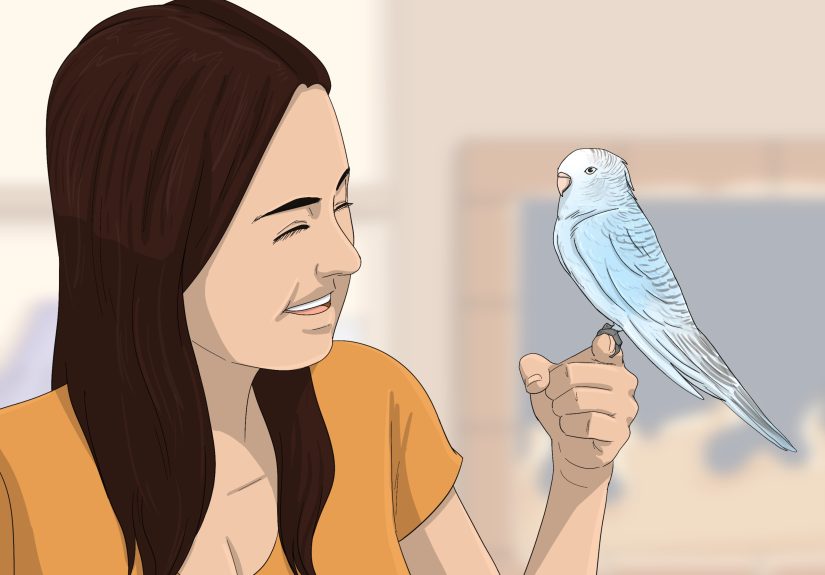
- 6. They Willingly Step Up Onto Your Finger or Hand
- 7. They Take Treats Gently From You
- 8. They Seek Out Your Company
- 9. They Put Their Head Down for Scritches
- 10. They Show Playful Head Bobbing or Happy Energy
- 11. They Regurgitate for You
- 12. They Rest, Nap, or Even Stand on One Foot Near You
- Signs Your Budgie Is Comfortable With You, Not Just Trained
- What Does Not Mean Your Budgie Likes You?
- How to Help Your Budgie Like You Even More
- Real-Life Budgie Bonding Experiences Owners Commonly Notice
- Final Thoughts
Budgies may be tiny, but their opinions are not. If your little feathered roommate has ever stared at you like you owe rent, then chirped sweetly five minutes later, welcome to life with a budgie. These birds are smart, social, expressive, and just dramatic enough to keep things interesting. The good news? Once a budgie likes you, it usually shows that affection in clear little ways. The catch is that budgie affection does not always look like mammal affection. This is not a golden retriever in a feather suit.
If you want to know whether your pet budgie likes you, pay attention to body language, daily habits, and how your bird behaves when you enter the room. Budgies are prey animals, so trust matters. A bird that feels safe with you will often look relaxed, sound more social, and choose to interact with you instead of avoiding you. In this guide, we will break down more than 11 good signs your budgie likes you, plus how to avoid misreading stress or hormonal behavior as affection.
Why Budgie Body Language Matters
Budgies do not say, “I adore you, human.” They say it with chirps, posture, grooming, and whether they treat your hand like a perch or a crime scene. Because budgies are naturally cautious, affection usually grows in stages. First comes tolerance. Then curiosity. Then trust. Then one day your bird is excited when you walk in, and you realize you have been emotionally adopted by something the size of a lemon.
That is why learning budgie body language is so important. A relaxed bird and a stressed bird can both be quiet, but they do not look the same. A happy budgie may fluff lightly, chirp, play, and lean into interaction. A scared budgie may freeze, lean away, hold feathers tight, or try to escape. Context is everything.
12 Good Signs Your Budgie Likes You
1. Your Budgie Gets Excited When You Enter the Room
One of the easiest signs your budgie likes you is a visible mood boost when you show up. Maybe your bird starts chirping, climbing closer to the cage front, fluttering, or doing a little head-bobbing routine that looks suspiciously like an enthusiastic welcome dance. If your budgie consistently perks up when you approach, that is a strong sign your presence is associated with safety, fun, and good things.
Think of it this way: if your bird wanted nothing to do with you, it would move away, freeze, or give you the avian version of “new phone, who dis?” Excitement is a much better sign.
2. They Chirp, Chat, or Whistle Around You
Budgies are naturally vocal little parrots, and a bird that likes you will often “talk” to you. This may sound like chirping, chatter, soft whistles, mimicry, or happy babbling that seems to happen most when you are nearby. Many budgie owners notice their birds become more vocal during interaction time, especially if they speak gently, whistle back, or keep a regular routine.
No, this does not mean every noise is a love song written in your honor. But frequent, relaxed vocalizing often points to comfort and social engagement. In budgie language, conversation is connection.
3. They Relax Their Feathers and Body Around You
A budgie that likes you will often look physically comfortable in your presence. That means a loose, easy posture rather than a stiff one. You may notice soft feather fluffing, a calm stance, or your bird settling on a perch instead of darting around nervously. Some budgies also do a small tail wag after a pleasant interaction, especially when they are excited or content.
The key word here is relaxed. A budgie that trusts you does not look like it is preparing for a tiny emergency. It looks settled, safe, and unbothered.
4. They Beak Grind Near You
Beak grinding is one of the gold-star signs of a calm, content bird. It is that soft scratchy sound birds make when rubbing the upper and lower parts of the beak together, often around bedtime or while winding down. If your budgie does this while perched near you, that is a huge compliment. Your bird is basically saying, “I feel safe enough to relax right here.”
In bird terms, that is not casual. That is trust.
5. They Preen in Front of You
Preening is normal grooming, but it is also a sign of comfort when a budgie does it calmly around you. Birds do not usually settle into self-care mode when they think danger is nearby. If your budgie starts grooming feathers, fixing up chest fluff, or generally tidying up while you are close, it often means your bird feels secure.
Some especially social budgies may even gently nibble your hair, shirt, or skin in a grooming-like way. As long as it is gentle and not aggressive, that can be part of social bonding too.
6. They Willingly Step Up Onto Your Finger or Hand
Step-up behavior is a major trust milestone. A budgie that willingly climbs onto your finger is choosing contact. That matters. Hands can be scary to birds, especially early on, so a bird that steps up calmly is showing confidence in you.
Even better, a budgie that likes you may step up without acting like it is being kidnapped. No scrambling, no panic, no Olympic-level dodging. Just a polite little “fine, I will board this finger taxi.”
7. They Take Treats Gently From You
Treat acceptance is another simple but powerful clue. If your budgie takes millet or another favorite treat from your fingers without hesitation, that suggests comfort and positive association. Gentle treat-taking is especially meaningful in shy birds, because food is often the bridge between fear and trust.
Over time, many budgies start leaning toward the hand that brings rewards. That does not make your bird manipulative. It makes your bird smart. Honestly, same.
8. They Seek Out Your Company
Does your budgie move closer when you sit near the cage? Climb toward your voice? Stay on your shoulder, hand, or play stand instead of immediately flying off? These are all strong signs of a social bond. Budgies are flock animals, so choosing proximity is meaningful.
A bird that likes you often wants to be where the action is, especially if the action is you talking, reading, working, or doing something fascinating like opening a snack wrapper. If your budgie chooses your company when it has other options, take the compliment.
9. They Put Their Head Down for Scritches
This is one of the clearest affection signals in pet birds that enjoy touch. A budgie that lowers its head toward you or fluffs the head feathers while waiting for gentle scratches is showing trust. The head and neck are the safest petting zones for most birds, and many budgies that enjoy human contact will invite scratches there once they feel secure.
That said, consent still matters. If your budgie leans away, freezes, or scoots off, respect the answer. A bird that likes you should not have to file a formal complaint.
10. They Show Playful Head Bobbing or Happy Energy
Head bobbing in adult birds can be linked to excitement, attention-seeking, or playful happiness. When paired with chirping, bright body language, and approach behavior, it can be a cheerful sign that your budgie enjoys interacting with you. Some budgies also flutter, stretch, climb, or bounce around the cage when they are socially energized.
Again, context matters. Excited is good. Frantic is not. Look for playful energy, not panic.
11. They Regurgitate for You
Yes, this sign is both flattering and mildly disgusting. Budgies sometimes regurgitate for people they are bonded to. In the wild and in paired birds, regurgitation is part of social and mating behavior. So if your bird tries to feed you, it usually means strong affection or hormonal attachment.
However, this is one sign you do not want to encourage. It is not “bad,” but it can slide into hormonal behavior. Redirect gently, stay calm, and avoid turning it into a dramatic scene. Congratulations, though. Your budgie has promoted you from roommate to questionable soulmate.
12. They Rest, Nap, or Even Stand on One Foot Near You
A bird that feels safe may rest near you, tuck into a comfortable posture, or stand on one foot while relaxing. That is a classic sign of comfort in many birds. If your budgie settles down, closes the eyes briefly, or dozes while you are nearby, you are not being tolerated. You are part of the safe environment.
Of course, a bird that stays fluffed up all day, sleeps excessively, or seems lethargic may be sick rather than cozy. Healthy relaxation looks calm and normal, not withdrawn or weak.
Signs Your Budgie Is Comfortable With You, Not Just Trained
Some budgies learn routines before they fully bond. That is normal. A bird can step up for millet and still be emotionally undecided. To tell real affection from simple treat economics, look for clusters of behavior. A budgie that truly likes you will usually show several signs together, such as:
- Approaching you without bribery
- Relaxing its feathers and posture
- Vocalizing socially around you
- Choosing to stay near you
- Accepting touch or interaction without tension
One behavior alone can be misleading. A pattern is far more telling.
What Does Not Mean Your Budgie Likes You?
This part matters because budgies are subtle, and humans are optimistic. Not every intense behavior is affection. Sometimes it is stress, fear, or hormones wearing a cute disguise.
Biting
A bite usually means your bird is overwhelmed, frightened, annoyed, or physically uncomfortable. It is communication, not betrayal.
Leaning Away or Fleeing
If your budgie moves away when you approach, your relationship needs more patience and less enthusiasm.
Constant Fluffing With Low Energy
Light, temporary fluffing can mean relaxation. Staying puffed up for long periods while being quiet or inactive can signal illness.
Being Affectionate Below the Neck
Petting the back, wings, or lower body may trigger sexual behavior in birds. Stick to the head and neck if your budgie enjoys touch.
How to Help Your Budgie Like You Even More
If your budgie is not there yet, do not panic. Trust is built, not forced. The fastest way to make a budgie like you is usually to stop acting like a giant impatient predator. Helpful, right? Here are the real basics:
Move Slowly
Fast hands are suspicious hands. Slow movements help your bird feel safe.
Use Positive Reinforcement
Reward calm behavior, step-up training, and gentle interaction with praise and small treats.
Respect Boundaries
If your bird says “not today,” listen. Consent builds trust faster than force ever will.
Talk Often
Budgies are social. Soft conversation, whistles, and routine interaction make you part of the flock.
Create a Calm Environment
Birds bond better when they feel secure. Good sleep, a clean cage, enrichment, and predictable routines all help.
Real-Life Budgie Bonding Experiences Owners Commonly Notice
One of the most interesting things about budgie affection is how ordinary it can look. People often expect a dramatic movie moment where the bird flies over, lands on a finger, and instantly becomes a best friend. Real budgie bonding is usually much smaller and sweeter than that. It often starts with the bird simply not panicking when you change the food bowl. Then maybe your budgie stays on the same perch instead of climbing to the opposite corner. Then one day it chirps when you say good morning, and suddenly that tiny sound feels like a standing ovation.
Many owners describe a stage where their budgie becomes their little supervisor. The bird watches them work, clean, fold laundry, or eat lunch like a tiny feathery manager with zero qualifications but very strong opinions. That constant observation is often part of the bonding process. Your budgie is learning your rhythms, your voice, and whether your hands are going to bring treats, toys, or that mysterious object known as “the vacuum,” which no one likes.
Another common experience is the “I did not realize this mattered” phase. Maybe your budgie starts making happy chatter when it hears your keys, your footsteps, or your voice from another room. Maybe it moves closer to the cage door before you even arrive. These are the little moments that tell owners the relationship is becoming personal. The bird is not just responding to random movement. It is responding to you.
Owners also often notice trust before they notice affection. A budgie may begin taking millet from the hand, then linger for an extra second, then rest comfortably while the hand stays nearby. That progress can feel slow, but in budgie terms it is huge. For a naturally cautious animal, calmness is a love language.
Then there are the funny milestones. The first time a budgie gently nibbles your hair like it is trying to style you. The first time it puts its head down for scratches and acts deeply offended when you stop too soon. The first time it climbs onto your finger without bribery and looks completely pleased with itself. These tiny breakthroughs are what make budgie companionship so rewarding. Their affection is earned, and that makes it feel special.
Of course, not every affectionate budgie is cuddly. Some birds show love by staying nearby, chatting constantly, and happily stepping up, but they never become touchy birds. That does not mean the bond is weak. It just means your budgie has boundaries, and honestly, good for them. A healthy relationship with a budgie is not about forcing one specific kind of affection. It is about learning the style of affection your individual bird prefers.
In many homes, the strongest budgie bonds are built through routine: morning greetings, evening chats, treat time, short training sessions, and quiet companionship. Nothing fancy. Just consistency. Budgies may be small, but they notice patterns. When you become the calm, predictable, kind presence in their day, they often respond with trust, excitement, and a lot of adorable nonsense.
Final Thoughts
If you are wondering how to tell if your pet budgie likes you, the answer is usually found in patterns, not one-off moments. A budgie that likes you will often act relaxed around you, seek your company, communicate more, and accept interaction with less hesitation. Beak grinding, soft chirping, stepping up, head scratches, treat-taking, and calm body language are all promising signs.
The best part is that budgie affection tends to grow over time. The more patient, respectful, and consistent you are, the more likely your bird is to see you as part of the flock. And once that happens, you may find yourself being greeted every morning by a tiny, opinionated, chirpy friend who somehow runs the whole household from one perch.