Table of Contents >> Show >> Hide
- Quick Snapshot: What Makes These Latkes “Passover-Friendly”
- Ingredients
- Step-by-Step: How to Make Crispy Passover Potato Latkes
- Chef-Level Crispiness Tips (Without the Chef Ego)
- Passover Notes: Keeping It Kosher for Your Home
- Serving Ideas for the Seder (and Beyond)
- Make-Ahead, Storage, and Reheating
- Troubleshooting: When Latkes Misbehave
- Easy Variations (Still Passover-Appropriate)
- FAQ: Passover Potato Latkes
- Real-Life Passover Latke Experiences (The Part You’ll Laugh About Next Year)
- Conclusion
Passover cooking has a funny way of turning the most basic ingredients into a high-stakes sport. You’ve got the family arriving hungry, the kitchen already
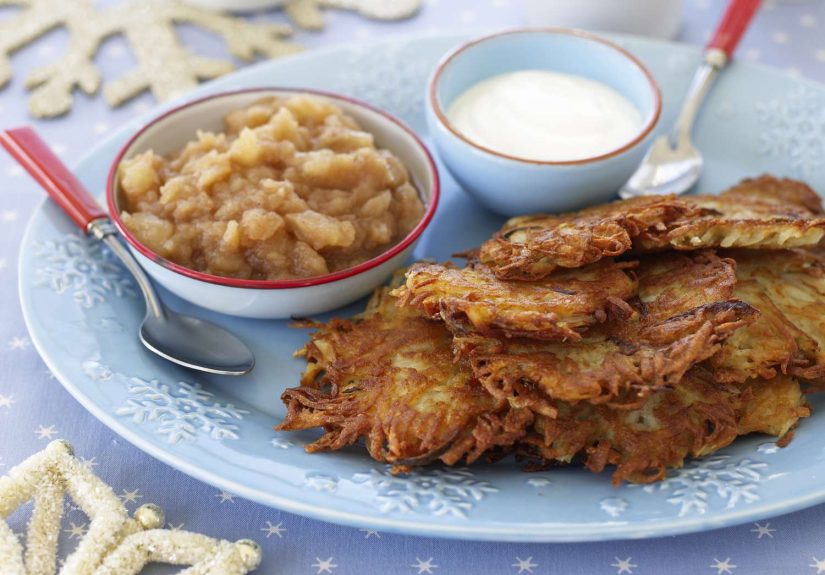
looks like a matzo-meal snowstorm, and someone will absolutely ask, “Do we have something crispy?” Enter: Passover potato latkesgolden,
lacy-edged, and downright heroic when you need a side dish that feels festive without starting a second Exodus in your pantry.
This Passover potato latke recipe keeps things kosher for Passover by skipping regular flour and leaning on smart binders like
potato starch (plus the potatoes’ own natural starchyes, your potatoes are doing emotional labor). The result is the ideal latke vibe:
crunchy exterior, tender middle, and that “just one more” energy that mysteriously repeats until the platter is empty.
Quick Snapshot: What Makes These Latkes “Passover-Friendly”
- No flour: We use potato starch and/or kosher-for-Passover matzo meal.
- Big on crisp: Moisture control + the right oil temperature = crackly edges.
- Works with your tradition: Choose oils and binders that match your family’s Passover customs.
Ingredients
Makes: about 14–18 small latkes (serves 6–8 as a side) | Time: ~25 minutes prep, ~20 minutes frying
Latke Mix
- 2 1/2 pounds russet potatoes (about 4 large), peeled
- 1 medium yellow onion
- 2 large eggs
- 2–3 tablespoons potato starch (kosher for Passover)
- 1–2 tablespoons matzo meal (kosher for Passover), optional (see notes)
- 1 1/2 teaspoons kosher salt, plus more to finish
- 1/2 teaspoon black pepper
- Optional: 1/4 teaspoon garlic powder or onion powder (use only if KFP in your pantry)
For Frying
- Neutral oil with a high smoke point (enough for a shallow layer): safflower, avocado, grapeseed, or your Passover-approved choice
- Optional: schmaltz for extra flavor (only if it fits your meal plan and traditions)
For Serving
- Applesauce
- Sour cream (skip if serving with meat)
- Chopped chives or dill
- Optional: horseradish (chrain) for a bold, “hello, I’m awake now” bite
Step-by-Step: How to Make Crispy Passover Potato Latkes
1) Grate the potatoes and onion
Grate potatoes on the large holes of a box grater (or use a food processor with a shredding disk). Grate the onion too.
Transfer everything to a large bowl.
2) Salt early, then squeeze like you mean it
Sprinkle the grated mixture with about 1 teaspoon of the salt and toss. Let it sit for 3–5 minutesthis helps draw out moisture.
Then move the mixture into a clean kitchen towel or cheesecloth and wring out as much liquid as humanly possible.
(This is your workout. You can skip leg day now.)
3) Save the potato starch “mud” at the bottom
Pour the squeezed-out liquid into a bowl and let it sit for 2 minutes. The water will separate and a layer of white starch will settle at the bottom.
Carefully pour off the watery top, keeping the starch. Add that starch back into your potato mixturethis helps bind and crisp the latkes naturally.
4) Mix the batter
Return the squeezed potatoes/onion to a large bowl. Add eggs, remaining salt, pepper, and 2 tablespoons potato starch.
If your mixture still looks wet or loose, add another tablespoon of potato starch.
Optional matzo meal: If you want a slightly sturdier latke (especially if you’re making them a little thicker),
add 1 tablespoon of kosher-for-Passover matzo meal. Some families love it; others prefer strictly potato starch for a lighter bite.
Either way, you’re still heading toward crispy-town.
5) Heat the oil properly (this is not a “lukewarm oil” situation)
In a heavy skillet (cast iron is a latke’s best friend), heat a shallow layer of oil over medium-high heat.
You want the oil hot enough that a tiny bit of batter sizzles immediately. If you have a thermometer, aim around
350–375°F.
6) Fry in batches
Drop heaping tablespoons of mixture into the oil and gently flatten into pancakes (about 2 1/2–3 inches wide).
Don’t crowd the panovercrowding drops the temperature and makes latkes sad.
Fry 2–4 minutes per side until deeply golden and crisp. Transfer to a wire rack set over a sheet pan (or paper towels in a pinch).
Immediately sprinkle with a little salt while hot.
7) Keep warm and crisp
If you’re cooking for a crowd, keep finished latkes warm in a 250°F oven on a wire rack over a sheet pan.
This helps preserve crunch while you finish frying.
Chef-Level Crispiness Tips (Without the Chef Ego)
Moisture control is the whole game
The crispest latkes start with the driest shredded potatoes. Wring them out hard, then wring again for good luck.
Less water means more browning, less splatter, and a better crust.
Use potato starch strategically
Potato starch absorbs leftover moisture and helps the mixture hold together. Too little can make the latkes fragile.
Too much can make them gummy. Start with 2 tablespoons and adjust based on how wet your potatoes are.
(Potatoes are moody. They change with the weather. I don’t make the rules.)
Choose the right potatoes
Russets are starchy and typically yield a crispier latke. Yukon Golds can be slightly creamier, but they’re often a bit wetter.
If you want to blend varieties, do itjust be ready to add an extra spoonful of potato starch if the mixture looks loose.
Don’t rinse the grated potatoes
Rinsing removes surface starchexactly what helps you get that lacy, golden crust. If you’re worried about browning (oxidation),
work in batches and keep the grated potatoes moving, but let the starch stay.
Passover Notes: Keeping It Kosher for Your Home
“Kosher for Passover” can vary a bit depending on family tradition and community practice. The safest approach:
use certified kosher-for-Passover potato starch and matzo meal, and pick a frying oil your household uses for Passover.
Some homes avoid certain oils or ingredients during Passoverwhen in doubt, match what your family already follows.
Serving Ideas for the Seder (and Beyond)
Classic and comforting
- Latkes + applesauce + a sprinkle of salt = the greatest “simple things” trio of all time.
- Add sour cream and chives if you’re serving dairy or a vegetarian meal.
Passover dinner pairings
- With brisket: serve latkes as the crispy side that soaks up sauce like it’s a hobby.
- With roast chicken: latkes replace the “bread” feeling without breaking Passover rules.
- With fish: add lemon zest to applesauce or serve with horseradish for brightness.
Make-Ahead, Storage, and Reheating
Can I make latkes ahead of time?
Yes. Fry them, cool completely, then store in the fridge (up to 3 days) or freeze (up to 2 months).
Reheat on a wire rack over a sheet pan at 400°F until hot and crisp (about 8–12 minutes).
Microwaving works in an emergency, but you’ll lose crunchso only do it if you enjoy living dangerously.
Can I freeze the mixture?
Not recommended. Raw grated potatoes darken and get watery. If you need to prep, grate and squeeze, then store the squeezed mixture tightly covered
for a few hours in the fridge. Re-squeeze if liquid collects.
Troubleshooting: When Latkes Misbehave
My latkes are falling apart
- Add 1 more tablespoon potato starch.
- Make sure you used enough egg (and that you actually added itno judgment).
- Flatten gently; too thin can tear, too thick can stay raw inside.
My latkes are soggy
- Oil wasn’t hot enoughwait longer between batches.
- You overcrowded the panfry fewer at a time.
- You drained on a plate instead of a racksteam is the enemy of crunch.
My latkes are too dark outside but undercooked inside
- Lower heat slightly so they cook through before the crust burns.
- Make them a bit smaller/thinner.
Easy Variations (Still Passover-Appropriate)
Extra oniony
Add another half onion. Your kitchen will smell incredible. Your eyes may disagree.
Herby latkes
Stir in chopped dill, parsley, or chives for a fresher flavor.
Mini latkes for kids
Make them silver-dollar sized. They cook faster and disappear faster. Science.
Sweet potato blend
Swap in up to 1/3 sweet potato for a slightly sweeter, softer latke. You may need a bit more potato starch because sweet potatoes carry extra moisture.
FAQ: Passover Potato Latkes
Are latkes traditionally a Passover food?
Latkes are famous for Hanukkah, but potato pancakes are too good to stay in one holiday lane. For Passover, they’re especially useful as a crispy side dish
when flour-based foods are off the table.
What binder is best for Passover latkes?
Potato starch is a top choice for crispiness and structure, and kosher-for-Passover matzo meal is also commonly used.
Many cooks use a mix (plus the potatoes’ own starch) to get that perfect balance: sturdy, but not heavy.
Can I bake latkes instead of frying?
You can, but they won’t be the same. If you want a lighter option, brush a sheet pan generously with oil, press latke rounds thin, and bake at 425°F,
flipping once. You’ll get “crisp-ish.” Frying gets you “crisp for real.”
Real-Life Passover Latke Experiences (The Part You’ll Laugh About Next Year)
The first time I made latkes for Passover, I thought, “How hard can it be? It’s potatoes.” That was my first mistakeright up there with thinking
“we’ll only have a few dishes” when hosting a Seder. I grated a mountain of potatoes, tossed everything into a bowl, and confidently heated a pan with
what I considered “enough oil.” Ten minutes later, the latkes were pale, floppy, and somehow both greasy and dryan impressive contradiction.
My aunt took one bite and said, lovingly, “Oh honey… did you squeeze the potatoes?” That’s when I learned: latkes are basically a moisture-management
seminar you can eat.
Now I treat squeezing like a ritual. I wrap the shredded potatoes and onion in a towel and twist until my forearms feel like I’ve been training for a
potato-themed Olympics. The liquid that comes out looks like cloudy water from a swamp, which is not appetizingbut give it a minute and the starch
settles at the bottom like magic. That little layer is the secret sauce you didn’t know you already had. Add it back, and suddenly the batter behaves.
The latkes hold together, brown faster, and get those lacy edges that make people hover near the stove “just to help.”
Every Passover, there’s also the Great Oil Debate. Someone always asks if you’re using schmaltz, someone else insists on a particular neutral oil,
and a third person says, “In my house we never used that,” as if you’ve proposed deep-frying the afikoman. I’ve found the peace treaty is simple:
use a Passover-approved oil your household trusts, keep it hot, and don’t crowd the pan. Once the first batch comes out sizzling and golden,
nobody cares what diplomatic negotiations happened behind the scenes.
My favorite part is what happens around the platter. Latkes are a magnet for storiesbecause everyone has one. There’s always a memory of a grandparent
making them “the old way,” someone admits they ate five before the meal started, and one kid tries to stack them like poker chips. I’ve even watched
people turn applesauce vs. sour cream into a courtroom drama. (Verdict: both are delicious; the judge is hungry; court is adjourned.)
And here’s the most Passover thing about latkes: they’re practical. When your menu is full of tradition and meaning, latkes are the crispy comfort that
keeps the kitchen joyful. They let you stretch potatoes into something celebratory, feed a crowd without stress, and offer that satisfying crunch that
makes everyone pause mid-conversation for a secondjust long enough to appreciate the moment. If your latkes aren’t perfect the first time, welcome to
the club. Make them again, squeeze a little more, keep the oil hotter, and remember: at Passover, we’re already celebrating miracles. A great latke is
simply the tasty, golden kind.
Conclusion
A great Passover potato latke recipe isn’t about fancy tricksit’s about smart basics: squeeze out moisture, keep the starch, use a
Passover-friendly binder, and fry at the right temperature. Do that, and you’ll get crisp, golden latkes that feel right at home beside your Seder menu
(and mysteriously vanish faster than you can say “Who took the last one?”).