Table of Contents >> Show >> Hide
- What “Fast Espresso for Slowpokes” Really Teaches (Even If You Never Fly to Melbourne)
- The Espresso Speed Equation: Where the Time Actually Goes
- Choose Your “Fast” Lane: The Best Espresso Options for Busy Humans
- The 7-Minute Slowpoke Espresso Workflow (That Doesn’t Taste Rushed)
- Speed Without Sadness: The Best Time-Saving Upgrades
- Taste Check: How to Fix a Bad Shot Fast
- The Remodelista Angle: Make Fast Espresso Look Effortless
- What to Buy (Conceptually), Based on How You Live
- of “Slowpoke” Experiences (Realistic Routines People Actually Live With)
- Conclusion
Espresso has a reputation for being fussy: warm-up rituals, tiny towels, mysterious acronyms, and at least one person on the internet insisting your
shot “channelled” because Mercury is in retrograde. Meanwhile, youproud slowpokejust want a strong, delicious coffee fast (and preferably
without turning your kitchen into a café crime scene).
Remodelista’s “Fast Espresso for Slowpokes” isn’t just a wink at caffeine timingit’s also a snapshot of a real place: Melbourne’s Slowpoke Espresso,
designed on a minimal budget with reclaimed materials, flea-market finds, and a relaxed, imperfect charm. That vibepractical, stylish, not precious
is exactly what a fast espresso routine should feel like at home: smart setup, fewer steps, better results.
What “Fast Espresso for Slowpokes” Really Teaches (Even If You Never Fly to Melbourne)
The café at the center of the Remodelista postSlowpoke Espressoleans into resourcefulness. Think recycled timber, a wall of reclaimed wood in mixed
shapes and levels of “beautifully battered,” mismatched crockery, found lighting, and even vintage first-aid cabinets repurposed as storage. The point
isn’t perfection. It’s personalitybuilt from what’s on hand, arranged with intention.
Translate that to coffee at home and you get a simple truth: speed doesn’t come from rushing. It comes from a good system.
Your espresso routine becomes fast when your tools live where your hands naturally reach, your machine fits your lifestyle, and your workflow doesn’t
require 17 micro-decisions before you’ve even blinked twice.
The Espresso Speed Equation: Where the Time Actually Goes
A classic espresso is quick in the cup but not always quick in the kitchen. The “slow” part is usually one of these:
- Warm-up time: some machines want minutes; others want half an episode of whatever you’re pretending not to binge.
- Grinding + dosing: dialing in grind size can be fast… once it’s dialed in.
- Puck prep: distributing and tamping doesn’t have to be complicated, but it does need consistency.
- Milk: lattes are delicious, but milk is a whole subplot.
- Cleanup: the hidden boss level of espresso.
The good news: you can shave minutes without sacrificing flavorif you choose the right machine style and set up a slowpoke-proof station.
Choose Your “Fast” Lane: The Best Espresso Options for Busy Humans
Lane 1: Pod & Capsule Machines (Fastest, Least Fussy)
If your priority is “coffee in hand in under a minute,” pods are hard to beat. You press a button, the machine does its thing, and cleanup is basically
“eject the evidence.” The trade-off: pods use pre-ground coffee, so freshness and flavor complexity can’t fully match freshly ground beans.
Who this is for: people who value convenience over tinkering; households where multiple people want coffee without learning the sacred art of the portafilter.
Slowpoke tip: if you like the idea of pods but want a better cup, look for machines with options that let you adjust volume or temperature, and pair it with
a small handheld frother for milk drinksstill fast, still compact.
Lane 2: Superautomatic “Bean-to-Cup” Machines (One Button, Fresh Beans)
Superautomatics grind beans, brew coffee, and often steam milk with minimal effort. They’re the “coffee robot” approach: convenient like pods, but using
whole beans so the flavor can be fresher. You’ll still do maintenanceempty the puck bin, rinse parts, descale sometimesbut the daily routine is fast.
Who this is for: people who want café-style drinks at home with minimal hands-on work; busy households; latte lovers who don’t want to learn milk texture
first thing in the morning.
Slowpoke tip: pick a machine with an easy-to-remove brew group or simple cleaning prompts. “Fast” disappears quickly if cleaning feels like a chore chart.
Lane 3: Quick-Heating Semi-Automatic Machines (Fast and Real Espresso)
This is the sweet spot for many people: a compact semi-auto with a fast heating system (often thermoblock or newer rapid-heat designs). You do the grind,
the tamp, and the shotso yes, it’s real espresso workflowbut you don’t wait forever for the machine to wake up.
Who this is for: people who want the “real espresso” experience without a 30-minute warm-up; small kitchens; anyone who enjoys a little ritual but not a
whole ceremony.
Slowpoke tip: if the machine doesn’t have a built-in grinder, budget for a capable espresso grinder. A great machine paired with a mediocre grinder is like
buying a sports car and filling it with lawnmower fuel.
Lane 4: Stovetop Moka Pot (Not Espresso, But Fast, Strong, and Charming)
The moka pot doesn’t technically make espresso (pressure is different), but it makes a concentrated, espresso-like coffee that’s bold, affordable, and
wildly counter-space friendly. It’s also aesthetically on-theme with the Remodelista universe: functional, classic, and a little romantic in a utilitarian way.
Who this is for: people who want strong coffee without machines; minimalists; travelers; anyone who loves a “stovetop ritual” that’s easier than espresso.
The 7-Minute Slowpoke Espresso Workflow (That Doesn’t Taste Rushed)
Here’s a realistic “fast espresso” routine for a quick-heating semi-automatic setup. Times are approximateand that’s the point. The goal is repeatable speed,
not caffeine Olympics.
Minute 0–1: Turn On + Set the Stage
- Power on your machine.
- Put your cup under the group (or warm it with a quick rinse of hot water).
- Lock the portafilter in place so it heats along with the group.
Minute 1–3: Grind + Dose (Make It Boring on Purpose)
- Use a consistent dose (many modern double baskets are happy around the high teens in grams).
- Grind fine enough for espresso. If your shot gushes, go finer; if it chokes, go coarser.
- Keep the same beans for weekdays. Save experimental single-origin wizardry for weekends.
Minute 3–4: Distribute + Tamp (Simple, Consistent)
- Tap the portafilter gently to settle grounds.
- Level the coffee bed (a quick finger sweep or a light distribution tool is fine).
- Tamp firmly and evenly. Consistency beats raw force.
Minute 4–5: Pull the Shot
A common modern target is a roughly 1:2 brew ratio in about 25–30 seconds. That’s not a lawit’s a starting point. The best fast routine is the one where
you know what “good” tastes like for your coffee, then you repeat it.
Minute 5–7: Milk (Optional) + Quick Cleanup
- If steaming milk: purge the wand first, steam, then wipe and purge again.
- Knock out the puck, rinse the basket, quick wipe. Reset the station for Future You.
The secret: the routine gets faster when you stop “reinventing” it each morning. Slowpokes thrive with a default plan.
Speed Without Sadness: The Best Time-Saving Upgrades
1) Design Your Counter Like a Tiny Café (But Prettier)
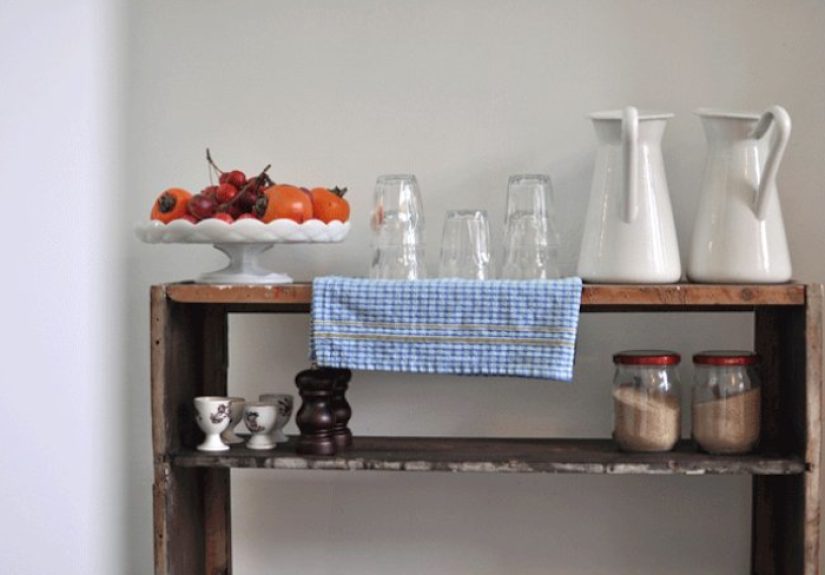
Steal the Slowpoke Espresso design philosophy: reclaimed, practical, and visually calm. Your goal is to reduce friction and keep the space inviting.
- A dedicated coffee zone: machine, grinder, tamper, and scale live together.
- Vertical storage: a shelf above the station for cups and beans keeps the counter clear.
- One “mess catcher”: a tray under grinder/tools keeps grounds from migrating across your kitchen like they pay rent.
- Repurposed storage: a small cabinet (even vintage) for filters, cloths, and cleaning tablets keeps clutter out of sight.
2) Pick a Machine That Matches Your Mornings
If you routinely leave the house in a blur, don’t buy a machine that expects you to preheat the group head for half an hour. That’s not “aspirational”
it’s a setup for disappointment.
Busy weekday reality favors: fast-heating machines, superautomatics, or pods. Weekend reality can favor: heavier prosumer machines, more dialing-in,
and slow rituals. It’s okay to choose tools that respect time.
3) Warm-Up Hacks for Traditional Machines
If you already own a machine that takes longer, you can still move faster:
- Keep the portafilter locked in during warm-up so it heats evenly.
- Run a couple of quick hot-water flushes through the group to help stabilize temperatures sooner.
- Use a smart plug or timer so the machine is ready when you are.
4) Make “Dialing In” a Weekend Project, Not a Daily Crisis
Espresso can feel slow because people treat every morning like a research paper. Instead:
- Choose one bean for weekdays.
- Write down your dose and grind setting once it tastes good.
- Adjust only one variable at a time (usually grind size first).
Taste Check: How to Fix a Bad Shot Fast
When espresso goes wrong, it tends to go wrong in predictable ways. Here are quick fixes that don’t require a PhD in Coffee Opinions.
If it tastes sour (under-extracted)
- Grind a bit finer.
- Increase shot time slightly (stop it later).
- Make sure the machine is warmed up and your cup isn’t ice-cold.
If it tastes bitter or ashy (over-extracted)
- Grind a bit coarser.
- Shorten the shot.
- Consider slightly cooler brewing if your machine allows itespecially for darker roasts.
If it looks weak or watery
- Check your dose (too little coffee can thin the shot).
- Make sure you’re tamping evenly and using fresh beans.
- Inspect your grinder: inconsistent grind = inconsistent espresso.
Remember: espresso is brewed fast by design, which means it’s sensitive. But “sensitive” doesn’t mean “slow.” It means “repeatable systems win.”
The Remodelista Angle: Make Fast Espresso Look Effortless
Remodelista has a particular talent: making practical choices look intentional. Slowpoke Espresso’s interior leaned into reclaimed wood, mismatched vintage
elements, and warm, lived-in texturesproof that “budget” can still feel curated.
If you want your home espresso station to feel similarly “considered,” borrow these principles:
- Use honest materials: wood, metal, ceramicthings that age well and hide minor wear.
- Let objects do double duty: a vintage cabinet can store coffee gear; a tray can corral tools and look tidy.
- Keep the palette calm: espresso stations look cleaner when colors aren’t fighting each other before you’ve had caffeine.
- Display what you use daily: cups, beans, spooneverything else gets tucked away.
The irony is delightful: the station looks slow and soulful, but it functions fast.
What to Buy (Conceptually), Based on How You Live
Rather than tossing a random “best of” list at you, here’s a lifestyle-based cheat sheet:
If you want espresso with almost no effort
- Pod/capsule machine + good pods you actually like
- Handheld frother for milk
- One pretty jar for pods (yes, aesthetics count)
If you want fresh beans and one-touch drinks
- Superautomatic bean-to-cup machine
- Milk system you won’t hate cleaning
- Filtered water (your machine will thank you quietly)
If you want “real espresso” but fast mornings
- Quick-heating semi-automatic machine
- A capable espresso grinder
- A simple tamp + dosing funnel to reduce mess
If you want minimal equipment and strong coffee
- Moka pot + stovetop kettle
- A grinder (even a modest burr grinder helps consistency)
- A small scale if you like repeatability
of “Slowpoke” Experiences (Realistic Routines People Actually Live With)
The most useful espresso advice is the kind that survives real mornings. Below are three common “slowpoke” scenarioscomposites based on what many home
coffee drinkers run intoshowing how fast espresso becomes possible when the setup matches the person, not the fantasy.
Experience #1: The Two-Minute Parent Pivot
In this household, the morning timeline is less “schedule” and more “surprise obstacle course.” The coffee goal isn’t latte art; it’s “functioning adult.”
A quick-heating semi-automatic becomes the compromise: faster warm-up, real espresso flavor, and enough control to make it feel like an upgrade from pods.
The trick that makes it work is predictability. Weekdays use one forgiving medium roast, a locked-in dose, and a grinder setting that rarely changes.
The portafilter stays in the machine while it heats. Cups live on a shelf above the station. The tamper sits on a small tray that also catches stray grounds.
Result: a consistent double shot, finished before anyone asks for a snack at 6:42 a.m.
Experience #2: The Remote-Worker “Meeting Starts in 90 Seconds” Save
Remote work sounds calm until your calendar turns into a stack of back-to-back video calls. In this setup, a superautomatic winsnot because it’s the most
romantic way to make coffee, but because it’s the most repeatable. The machine rinses when it turns on, grinds fresh beans, and produces a drink
with a single tap. The slowpoke trick here is maintenance scheduling: empty the grounds bin every couple of days, refill water at night, and do the deeper
cleaning on a weekend. That’s the trade. Fast coffee on weekdays; responsible ownership later. The payoff is huge: the user can get a cappuccino without
turning a 9:00 a.m. meeting into a 9:07 apology tour.
Experience #3: The Weekend “Ritual, Not Rush” Slowpoke
Some people genuinely enjoy the processjust not on Tuesday mornings. This slowpoke keeps two modes: weekday fast coffee and weekend espresso playtime.
On weekends, the station becomes a hobby corner: weighing doses, tweaking grind size, chasing that syrupy texture. But weekday coffee is deliberately boring:
either a pod machine or a fast-heating semi-auto with minimal adjustments. The key experience lesson is emotional: separating “coffee as ritual” from “coffee
as fuel” prevents burnout. You don’t resent your machine because you’re not demanding it provide both art and survival at the same time. And oddly, the
station still looks great all weekthanks to that Remodelista-inspired setup: reclaimed wood shelf, a small cabinet for supplies, and only the daily tools
left out. The slowpoke gets the best of both worlds: speed when life is loud, and craft when the morning is quiet.
If there’s a moral here, it’s that fast espresso isn’t about moving faster. It’s about choosing fewer decisions, reducing friction, and setting up a space
that makes the right thing the easy thing. Slowpoke-approved. Espresso-delivered.