Table of Contents >> Show >> Hide
- Quick Table of Contents
- PCOS 101: A hormonal & metabolic mash-up
- Sleep apnea 101: When breathing hits the snooze button… repeatedly
- So… what's the connection between PCOS and sleep apnea?
- Why the PCOS–sleep apnea combo matters (beyond just feeling tired)
- Who with PCOS should consider screening for sleep apnea?
- How sleep apnea is diagnosed (and what a sleep study actually does)
- Treatment: what helps when PCOS and OSA overlap
- A practical next-step plan (no perfection required)
- FAQs
- Experiences: What People Commonly Notice When PCOS and Sleep Apnea Collide (About )
If you have polycystic ovary syndrome (PCOS) and you're also waking up tired (or being gently accused of snoring like a lawnmower), you're not imagining thingsand you're not alone. PCOS and obstructive sleep apnea (OSA) have a surprisingly “we-should-talk” relationship. The link isn't just about weight, either. Hormones, insulin resistance, inflammation, and the way your airway behaves at night can all end up in the same group chat.
This guide breaks down how PCOS and sleep apnea connect, why it matters, what symptoms to watch for, how diagnosis works, and what treatment options can help you sleep betterand feel better in the daytime too.
Heads up: This is educational info, not personal medical advice. If you suspect sleep apnea, talk to a clinicianOSA is very treatable, and your future self will thank you.
Quick Table of Contents
- PCOS 101 (the greatest hits)
- Sleep apnea 101 (why your sleep keeps getting interrupted)
- So… what's the connection?
- Why this matters for health, energy, and hormones
- Who should consider screening?
- How sleep apnea is diagnosed
- Treatment: combining PCOS care + sleep apnea care
- A practical next-step plan
- FAQs
- Experiences & real-life patterns people report
- SEO tags (JSON)
PCOS 101: A hormonal & metabolic mash-up
PCOS is a common endocrine condition that can affect ovulation, hormones (especially androgens), and metabolism. Some people think it's “just” irregular periods or “just” acne. In reality, PCOS can involve a whole constellation of symptoms and risks.
Common PCOS features
- Irregular or infrequent periods (because ovulation can be inconsistent)
- Signs of higher androgens (acne, unwanted hair growth, scalp hair thinning)
- Polycystic-appearing ovaries on ultrasound (not required for diagnosis, but sometimes present)
- Insulin resistance and a higher risk of prediabetes/type 2 diabetes
- Weight changes (some gain weight easily; some have PCOS at a lower weight)
One big idea: PCOS often involves insulin resistance, which can push the ovaries to produce more androgens. That hormonal shift can affect ovulation and symptoms like acne or hirsutism. Meanwhile, sleep quality (or lack of it) can make insulin resistance worse, which is where sleep apnea may start elbowing its way into the story.
Sleep apnea 101: When breathing hits the snooze button… repeatedly
Obstructive sleep apnea (OSA) happens when your upper airway partially or fully collapses during sleep. That reduces airflow, oxygen levels may dip, and your brain keeps nudging you awake just enough to reopen the airway. You might not remember waking upbut your body absolutely remembers the stress.
Classic OSA symptoms
- Loud snoring (often with pauses, gasps, or choking sounds)
- Excessive daytime sleepiness, brain fog, or “I need a nap to recover from my nap” fatigue
- Morning headaches or dry mouth
- Frequent nighttime urination
- Mood changes, irritability, anxiety, or low mood
OSA is commonly diagnosed using the apnea-hypopnea index (AHI), which measures how many breathing disruptions occur per hour of sleep. Severity often falls into mild, moderate, or severe ranges based on AHI plus symptoms.
So… what's the connection between PCOS and sleep apnea?
PCOS and OSA connect through overlapping biologythink of it like two different TV shows that keep doing crossover episodes. Weight can be part of the link, but it's not the whole plot. Here are the major connection points.
1) Insulin resistance: the metabolic bridge
Insulin resistance is common in PCOS, and OSA can worsen insulin resistance through sleep fragmentation and intermittent drops in oxygen. Poor sleep can raise stress hormones and disrupt glucose regulation. Over time, this can create a feedback loop: PCOS-related insulin resistance makes metabolic health more fragile, and untreated OSA can push it in the wrong direction.
2) Androgens and sex hormones: the airway influence
PCOS often involves higher androgen levels. Researchers have explored whether androgen excess and altered sex-hormone patterns influence upper airway muscles, respiratory control, or fat distribution around the neck/upper airwayfactors that can affect OSA risk. The science is still evolving, but hormone patterns appear to be part of why OSA can show up more often in PCOS than expected.
3) Body fat distribution: it's not only “how much,” but “where”
PCOS is frequently associated with increased abdominal/visceral fat and metabolic riskeven in some people who aren't in a higher BMI category. Visceral fat is strongly linked with insulin resistance and inflammation, and it can correlate with OSA risk. Meanwhile, fat distribution around the upper airway can increase the chances of airway narrowing at night.
4) Inflammation, oxidative stress, and the “tired-but-wired” effect
Both PCOS and OSA have been associated with inflammatory and cardiometabolic changes. In OSA, repeated oxygen dips can trigger oxidative stress and inflammation. In PCOS, chronic low-grade inflammation is also commonly discussed. Put together, it can feel like your body is running background processes all nightso you wake up unrefreshed.
5) The weight factor (important, but not the whole story)
Obesity increases the likelihood of OSA in general, and many people with PCOS also struggle with weight gain. But studies have reported elevated OSA prevalence in PCOS even after accounting for body weightsuggesting PCOS-related hormonal/metabolic factors contribute too. Bottom line: if you have PCOS, don't assume “I'm not heavy enough for sleep apnea.” OSA doesn't check your clothing tag first.
Why the PCOS–sleep apnea combo matters (beyond just feeling tired)
Sleep isn't a luxury featureit’s core infrastructure. When OSA is untreated, it's linked with higher cardiometabolic risk in many populations, including issues like high blood pressure, glucose dysregulation, and daytime impairment. PCOS already carries increased risks for insulin resistance and long-term metabolic concerns, so OSA can act like gasoline on a smoldering campfire.
What this can look like day-to-day
- Harder weight management: Poor sleep can increase hunger signals and cravings, making nutrition changes feel like uphill hiking in flip-flops.
- More stubborn insulin resistance: Sleep disruption can worsen glucose control, which may amplify PCOS symptoms.
- Mood and focus issues: Brain fog, irritability, anxiety, and low mood can intensify when sleep quality collapses.
- Reproductive health ripple effects: Hormonal regulation and ovulation are sensitive to stress, inflammation, and metabolic health.
The encouraging part: treating sleep apnea can improve sleep quality quickly, and better sleep often makes other PCOS strategies easier to stick with. When you're not running on fumes, you make different decisionslike choosing a walk instead of choosing violence (toward your alarm clock).
Who with PCOS should consider screening for sleep apnea?
Not everyone with PCOS has OSA, but certain patterns should raise suspicion. Consider talking with a clinician about screening if you have PCOS plus:
Higher-likelihood clues
- Loud snoring, gasping, or witnessed breathing pauses
- Excessive daytime sleepiness (especially if you're sleeping 7–9 hours but still exhausted)
- Morning headaches or dry mouth
- High blood pressure, prediabetes, or type 2 diabetes
- Weight gain concentrated around the abdomen or neck
- Difficulty managing insulin resistance despite reasonable lifestyle efforts
A note about sleep apnea in women
OSA in women can be underrecognized because symptoms can look less “classic.” Some women report insomnia, fatigue, mood changes, or morning headaches rather than obvious daytime sleepiness. If you've been told “it's just stress” but your sleep feels like a broken charger, it's worth a deeper look.
How sleep apnea is diagnosed (and what a sleep study actually does)
Diagnosis typically involves a sleep evaluation plus objective testing. Two common testing pathways are: polysomnography (an in-lab overnight sleep study) or a home sleep apnea test (HSAT) for appropriate patients. A clinician decides which is best based on symptoms and medical history.
Polysomnography (in-lab sleep study)
This is the “full production” test: it can measure breathing, oxygen levels, heart rhythm, sleep stages, leg movements, and more. It's especially helpful if someone has complex symptoms, other sleep disorders, or certain medical conditions.
Home sleep apnea testing (HSAT)
HSAT is more convenient and can be appropriate for many people with a high likelihood of moderate-to-severe OSA and without complicating factors. If HSAT results are negative or unclear but symptoms are strong, clinicians often recommend an in-lab test to confirm.
What happens after diagnosis?
Your results typically include an AHI and other markers (like oxygen desaturations). Treatment decisions are based on severity, symptoms, and overall healthnot just one number.
Treatment: what helps when PCOS and OSA overlap
Best results often come from treating both conditions together, because each can worsen the other. Think “two hands on the steering wheel,” not “one hand texting while driving.”
Sleep apnea treatment options
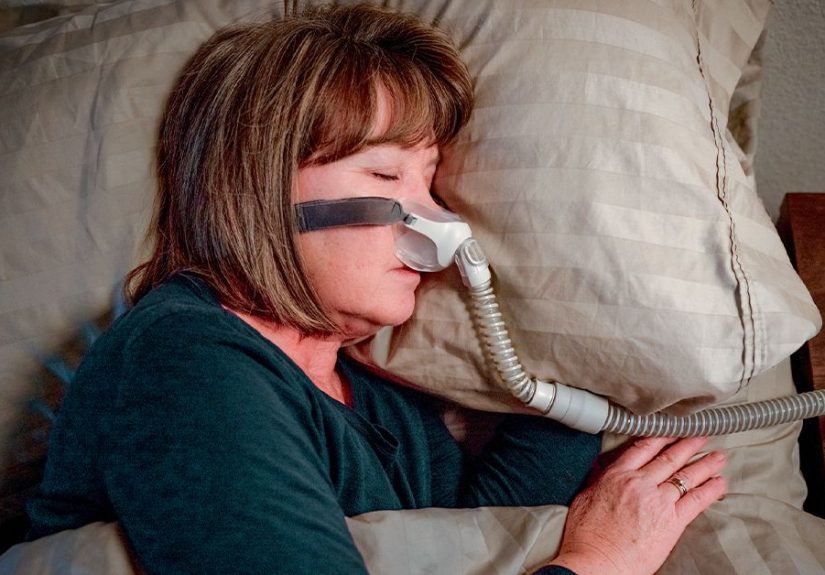
- PAP therapy (often CPAP): A machine delivers pressurized air to keep the airway open. It's one of the most effective treatments for OSA. If the first mask feels wrong, that doesn't mean CPAP “failed”it often means you haven't met the right mask yet.
- Oral appliance therapy: A dental device that moves the jaw forward can help some people with mild-to-moderate OSA.
- Positional therapy: For some, OSA is worse on the back; training side-sleeping can reduce events.
- Weight management (when relevant): Weight loss can improve OSA severity in many people, though it doesn't always eliminate OSA completely.
- Surgery or implants (selected cases): Options exist for specific anatomy or CPAP intolerance, guided by specialists.
PCOS treatment strategies that also support sleep
PCOS care is individualized, but common approaches include lifestyle changes, metabolic support, and symptom-specific therapies. What's nice is that many PCOS strategies also improve sleep quality indirectly.
- Nutrition patterns that stabilize glucose: Fewer blood sugar swings can reduce energy crashes and late-night hunger.
- Regular movement: Exercise supports insulin sensitivity and can improve sleep qualityeven without major weight loss.
- Metformin (when prescribed): Often used to improve insulin sensitivity and metabolic markers in PCOS.
- Hormonal contraception (when appropriate): Can regulate bleeding patterns and help with androgen-related symptoms.
- Anti-androgen therapy (selected cases): Sometimes used for symptoms like hirsutism or acne under medical supervision.
What about newer weight-loss medications?
For people with obesity and moderate-to-severe OSA, weight-loss medications have gained attention, including FDA-approved options specifically for that subgroup. These are not a replacement for CPAP in everyone, and they aren't appropriate for all patientsbut they're part of the evolving toolkit. If weight management is a major barrier in PCOS, discussing evidence-based options with your clinician can be worthwhile.
Reality check (with compassion): If you treat sleep apnea and suddenly lifestyle changes feel more doable, that isn't “lack of willpower.” That's your nervous system finally getting the sleep it was begging for.
A practical next-step plan (no perfection required)
Step 1: Do a quick symptom inventory
- Do you snore loudly or wake up gasping?
- Do you feel unrefreshed even after enough time in bed?
- Do you have morning headaches, dry mouth, or frequent nighttime urination?
- Are insulin resistance, prediabetes, or high blood pressure part of your picture?
Step 2: Bring it up with the right clinician
You can start with primary care, OB-GYN, endocrinology, or a sleep specialist. If you have PCOS, it's reasonable to ask: “Given my symptoms, should we screen for obstructive sleep apnea?”
Step 3: If diagnosed, treat OSA like the high-impact lever it is
CPAP and other therapies can improve quality of life quickly. Give yourself permission to troubleshoot gear and comfortthere are many mask styles, pressure settings, and humidity options. The goal is effective treatment you can actually use.
Step 4: Use better sleep to strengthen your PCOS plan
Once sleep improves, revisit your PCOS strategy with fresh data: energy, appetite, cravings, workout recovery, mood, cycle patterns, and metabolic labs. Better sleep doesn't magically solve PCOS, but it can make your efforts far more efficient.
FAQs
Can you have sleep apnea if you're not overweight?
Yes. Weight is a risk factor, but anatomy, hormones, and airway behavior also matter. Some people with PCOS and a lower BMI still have OSAespecially if symptoms are strong.
Will treating sleep apnea help my PCOS symptoms?
It can help indirectly by improving sleep quality, daytime energy, and metabolic stress. Some people find it easier to manage nutrition, exercise, and insulin resistance once OSA is treated. Effects vary, but treating OSA is generally a net win for health.
Is snoring always sleep apnea?
Not always. But snoring plus daytime sleepiness, witnessed pauses, gasping, or cardiometabolic issues is worth evaluating.
Is CPAP the only option?
No. CPAP is highly effective, but oral appliances, positional therapy, weight management, and selected procedures may be options depending on severity and anatomy.
Experiences: What People Commonly Notice When PCOS and Sleep Apnea Collide (About )
Below are composite, real-world-style patterns frequently reported by patients and clinicians. These are not specific individuals, but they reflect common experiences many people describe when PCOS and possible sleep apnea overlap.
Experience pattern #1: “I sleep 8 hours, so why do I feel like a zombie?”
A lot of people with PCOS assume fatigue is “just hormones” or “just stress,” especially if they're technically getting enough hours in bed. What surprises them is that sleep apnea can fragment sleep without fully waking you up in a memorable way. One person might say, “I didn't even know I was waking upI just knew I couldn't think straight.” Another describes needing caffeine to feel human, then needing more caffeine because the first caffeine stopped working. If this sounds familiar, an evaluation can be eye-openingsometimes literally, because you realize you've been sleep-deprived while holding an invisible full-time job: breathing interruptions.
Experience pattern #2: “My cravings are wild at night, and mornings are rough.”
People often report that when sleep is poor, hunger feels louderespecially cravings for carbs or sugar. In PCOS, insulin resistance can already make appetite regulation more complicated. Add fragmented sleep and stress hormone shifts, and the body may act like it's preparing for winterby requesting snacks as tribute. Some people notice late-night eating becomes more frequent, while mornings feel like a low-battery phone: sluggish, foggy, and unmotivated. When sleep apnea is treated, many say appetite feels more “normal,” not because cravings vanish forever, but because the volume knob turns down.
Experience pattern #3: CPAP is awkward… until it isn’t
Starting CPAP can feel like adopting a small, opinionated robot that lives by your bedside. The first week is often the hardest: mask fit issues, dry mouth, “How do I roll over without launching this thing?” But many people who stick with troubleshooting report a turning point: fewer morning headaches, less daytime sleepiness, better focus, and improved mood. A common tip is to treat CPAP like a fitting process, not a pass/fail test: different masks, humidity adjustments, and gradual acclimation can make a big difference. People also mention that when energy improves, they can follow through on PCOS-related habits more consistentlywalking, meal planning, strength training, keeping appointmentsbecause they're not dragging themselves through the day.
Experience pattern #4: The “I didn’t know it could be connected” moment
Many individuals say the biggest surprise is realizing PCOS, sleep quality, insulin resistance, and mood are all connected. They may have spent years treating each issue separately: skincare here, cycle regulation there, fatigue everywhere, and “probably stress” as the default explanation. Learning about the PCOS–OSA link can be validatingbecause it reframes fatigue as a solvable problem, not a personality trait. The best outcomes often come from coordinated care: primary care or OB-GYN/endocrinology for PCOS/metabolic health, and sleep medicine for apnea. The goal isn’t perfectionit’s removing the biggest obstacles so your body can do what it’s been trying to do all along: recover at night.

![18 Best Types of Charts and Graphs for Data Visualization [+ How to Choose]](https://corkopencoffee.org/wp-content/uploads/2026/05/18-best-types-of-charts-and-graphs-for-data-visualization-how-to-choose-qKM1PBYG-thumb.jpg)