Table of Contents >> Show >> Hide
- Meet the Peony: Why It’s Worth the Hype
- Planting Peonies Right the First Time
- Watering: Deep, Infrequent, and Not a Daily Spa Day
- Fertilizing Peonies Without Overdoing It
- A Seasonal Peony Care Calendar
- Pruning and Deadheading: What to Cut and When
- Dividing and Transplanting Peonies (Only When You Must)
- Common Peony Problems (and Fixes That Actually Work)
- Cut Flowers: How to Get Longer Vase Life
- Quick Checklist: Peony Care Basics at a Glance
- Gardeners’ Real-World Experiences (500+ Words): Lessons You’ll Actually Use
- Conclusion
- SEO Tags
Peonies are the garden equivalent of that friend who shows up overdressed, steals the spotlight, and then ghosts you
for 11 monthsonly to return even more fabulous the next spring. The good news: peonies are not high-maintenance
divas. The “bad” news: they do have a few non-negotiables, and if you ignore them, you’ll get a gorgeous mound of
leaves… with exactly zero flowers. (A leafy green celebration of regret.)
This guide covers peonies care basicsplanting depth, sunlight, soil, watering, fertilizing, pruning,
and troubleshootingso your plants bloom reliably and live long enough to become a family heirloom (or at least
outlast a few patio furniture trends).
Meet the Peony: Why It’s Worth the Hype
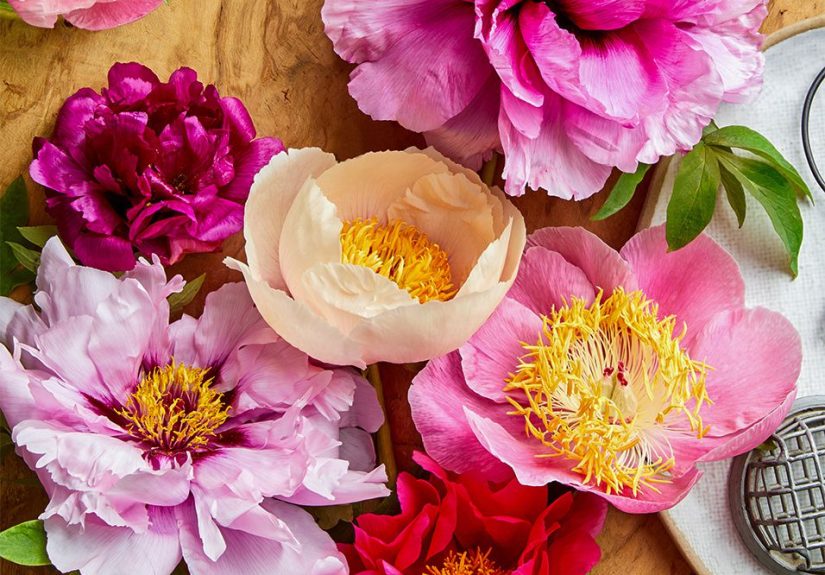
Peonies (Paeonia) are long-lived perennials known for huge, fragrant blooms and sturdy spring presence.
Many gardeners grow three “main characters”:
- Herbaceous peonies (classic garden peonies): die back to the ground each winter, return in spring.
- Tree peonies: woody shrubs that keep their structure year-round and bloom with dramatic flowers.
- Intersectional (Itoh) peonies: hybrids that combine the best traitsstrong stems, big blooms, and a longer show.
In most climates, peonies also need winter chill to set buds. Translation: peonies like a real winter nap, not a
light doze with the ceiling fan on.
Planting Peonies Right the First Time
Peonies can live for decades, so planting is the “set it up once, enjoy it forever” moment. Or… “set it up wrong,
stare at leaves forever.” Let’s choose joy.
1) Pick the right spot: sun first, drama later
Most peonies bloom best with full sunabout 6+ hours daily. In hotter regions,
afternoon shade can prevent blooms from looking like they’ve been lightly toasted. Also: choose a location with
decent air movement to reduce fungal issues.
2) Soil: well-drained, fertile, and not a swamp
Peonies prefer well-drained soil enriched with organic matter. If water puddles for hours after rain,
fix drainage (raised bed, soil amendment, or a better location). Peonies dislike “wet feet,” and they will express
their displeasure with rot and poor performance.
3) Planting depth: the #1 bloom-killer
Here’s the peony rule that should be printed on a pillow: don’t plant too deep.
For herbaceous peonies, set the root so the eyes (buds) sit only about 1–2 inches below the soil surface.
Deeper planting often leads to lush foliage and few (or no) blooms.
Example: If you’re in a colder zone and you get excited and bury the crown “for protection,” you may
accidentally bury next spring’s flowers. Better plan: plant at the correct depth, then use a light mulch for the first
winter and remove it early in spring.
4) Spacing and support: give them room to breathe
Mature peonies are not tiny. Space plants roughly 3–4 feet apart so air can circulate and stems don’t
crowd. Many varieties benefit from a peony ring or grow-through support placed in early spring (before they flop like
a fainting goat after a rainstorm).
Watering: Deep, Infrequent, and Not a Daily Spa Day
Once established, peonies are fairly drought-tolerant, but they bloom best with consistent moistureespecially in
spring while stems and buds are forming.
- New plantings: water thoroughly after planting, then keep soil lightly moist (not soggy) as roots settle in.
- Established plants: aim for about 1 inch of water per week from rain or irrigation.
- Best method: water at the base, not overhead, to reduce disease pressure.
If summer turns brutally hot, peonies appreciate a deep soak. But daily sprinkles train roots to stay shallowlike a
teenager who never learns to do laundry because someone always rescues them.
Fertilizing Peonies Without Overdoing It
Peonies are not heavy feeders. Too much nitrogen can push leafy growth at the expense of flowers. Keep it simple:
- Compost is your best friend: top-dress with compost in spring or after bloom.
- If using fertilizer: choose a balanced or lower-nitrogen option and apply sparingly.
- Timing: many gardeners feed lightly after blooming, when the plant is storing energy for next year.
Also: avoid piling fertilizer directly against the crown. Peonies like personal space. (Honestly, relatable.)
A Seasonal Peony Care Calendar
Spring: the “don’t mess this up” season
- Remove winter mulch early so shoots aren’t buried.
- Install supports while stems are short.
- Water if spring is dry.
- Watch for early fungal issues; good airflow and clean beds help a lot.
Bloom time: enjoy the show, then tidy up
- Deadhead spent blooms to prevent seed formation and keep plants tidy.
- Cut flowers in the cool morning; leave enough foliage behind to feed the plant.
Summer: let the leaves do their job
- Keep foliage intact; it’s photosynthesizing and building next year’s buds.
- Water during prolonged drought.
- Manage powdery mildew with spacing, sun, and sanitation (usually it’s cosmetic, not fatal).
Fall: cleanup and (optional) division
- After the first hard frost, cut herbaceous peonies back near ground level.
- Remove and discard diseased leaves (don’t compost questionable stuff).
- Divide or transplant only if neededfall is the best window in many regions.
Winter: mostly hands-off
Established peonies need little winter care. In very cold areas, a light mulch can protect new plantings, but remove it
early in spring so crowns don’t end up too deep.
Pruning and Deadheading: What to Cut and When
The biggest pruning mistake is cutting leaves down right after flowering. Those leaves are the plant’s “solar panels,”
fueling next year’s bloom. For herbaceous peonies, wait until fall after frost, then cut stems back
near ground level.
Tree peonies are different: they keep woody stems. Prune lightlyremove dead wood and tidy shape,
typically after bloom. If you’re unsure which type you have, look in winter: herbaceous peonies disappear; tree peonies don’t.
Dividing and Transplanting Peonies (Only When You Must)
Peonies hate frequent relocation. If your plant blooms well, leave it alone and simply compliment it daily. But if you must
move or divide (crowding, poor bloom, renovation projects, or you suddenly “need” a new flower bed), do it the smart way.
Best time
In many climates, fall (often September to October) is ideal because soil is warm and air is cooler.
Try to complete the move several weeks before hard frost so roots can settle.
How to divide peonies (simple version)
- Cut stems back (herbaceous types) and gently dig around the root clump.
- Lift carefully and rinse soil so you can see the eyes.
- Use a clean knife to divide so each piece has 3–5 eyes (a common target) and healthy roots.
- Replant immediately at the correct depth (eyes 1–2 inches deep), water well, and mulch lightly if needed.
Expect a recovery period. Divisions often take a year or two to return to full bloominglike a plant version of moving day.
Common Peony Problems (and Fixes That Actually Work)
Problem: “My peony won’t bloom.”
Most common causes:
- Planted too deep (the classic tragedy)
- Not enough sun
- Plant is young (some take 2–3 years to bloom well)
- Too much nitrogen (leaf party, flower no-show)
- Late freeze damage to buds in spring
Fix the fundamentals first: adjust planting depth if needed, increase sun exposure, and feed lightly with compost rather
than heavy fertilizer.
Problem: “Ants are all over my buds!”
Ants on peony buds are normal and harmless. They’re attracted to sugary nectar on the bud’s outer
structures. Peonies do not need ants to opendespite the world’s most persistent garden myth.
Bringing flowers indoors? Shake blooms gently, rinse with water, or let cut stems sit in a bucket of water
for a bit so ants relocate to somewhere more ant-appropriate (like… outside).
Problem: Blackened buds, fuzzy gray mold, collapsing stems
That can signal Botrytis blight, a common peony fungus favored by cool, wet conditions and crowded plants.
Prevention is powerful:
- Space plants well and avoid overhead watering.
- Remove infected material promptly.
- Clean up foliage in fall to reduce overwintering disease.
- Consider preventative fungicides only if you have recurring severe issues and follow label directions.
Problem: White powder on leaves
Powdery mildew is common later in the season. It’s often more ugly than deadly. Improve air circulation,
keep plants in sun, avoid excess nitrogen, and clean up infected leaves in fall. If it’s severe every year, consider
resistant varieties or a different location.
Problem: Chewed petals and messy blooms
In some areas, Japanese beetles show up like uninvited party guests and immediately start eating the cake.
Hand-pick early in the morning into soapy water, or use targeted controls carefully to protect pollinators.
Thrips can also damage buds and petals; good garden hygiene and monitoring help.
Cut Flowers: How to Get Longer Vase Life
Peonies make elite bouquets. For best results:
- Cut stems in the morning when plants are hydrated.
- Harvest when buds feel like a soft marshmallow (firm but slightly squishy), not fully open.
- Remove lower leaves that would sit in water.
- Use a clean vase, fresh water, and re-cut stems every couple of days.
Bonus tip: if rain is forecast right at peak bloom, bring some flowers in ahead of time. Otherwise, you may find your
blooms face-down in the mud, performing interpretive dance.
Quick Checklist: Peony Care Basics at a Glance
- Sun: 6+ hours daily (afternoon shade in very hot areas)
- Soil: fertile, well-drained, amended with compost
- Planting depth: eyes 1–2 inches below soil surface (herbaceous)
- Water: deep watering; about 1 inch weekly during growth
- Fertilizer: light feeding; avoid heavy nitrogen
- Support: use peony rings early for heavy blooms
- Pruning: don’t cut foliage after bloom; cut back after frost (herbaceous)
- Division: fall, only when necessary
- Disease prevention: airflow, clean-up, base watering
Gardeners’ Real-World Experiences (500+ Words): Lessons You’ll Actually Use
Ask a group of gardeners about peonies, and you’ll hear a familiar storyline: “I planted it, it grew leaves, I waited,
and then I got mad.” That phase is so common it should come with a complimentary stress ball. The trick is realizing
that peonies reward patiencebut they also reward correct setup. Here are the most repeated real-world lessons gardeners
report after a few seasons of living with these plants.
Lesson 1: The planting depth myth is real. Many gardeners plant peonies the way they plant other perennials:
tuck them in a little deeper “so they’re stable.” Peonies respond by becoming extremely stable… and extremely non-flowering.
The fix is surprisingly small: lifting the crown slightly so the eyes sit just under the surface. People are often shocked
that moving a plant “up” by an inch can turn a leafy shrublet into a bloom machine the following spring.
Lesson 2: They don’t like being moved, and they hold grudges. Gardeners who rearrange beds every year tend
to learn this quickly. A peony that’s moved may sulk for a season or two. It’s not “dead.” It’s just reestablishing roots
and deciding whether you deserve flowers. If you’re planning a landscape overhaul, it’s smarter to pick the peony’s
permanent home first and design around it.
Lesson 3: Rain plus giant blooms equals flop city. Those dinner-plate flowers are heavy. After a hard rain,
unsupported varieties can topple and snap stems. Gardeners who add a grow-through ring early in spring often report a
dramatic differenceupright plants, cleaner blooms, and less heartbreak. The “early” part matters: trying to shove a ring
onto a full-sized peony in late May is like trying to put skinny jeans on a golden retriever.
Lesson 4: Ants are a vibe, not a crisis. First-time peony growers often assume ants are attacking the buds.
Experienced gardeners eventually treat ants like a normal part of peony seasonslightly annoying, mostly harmless. For
bouquets, the common routine is a gentle shake, a quick rinse, or a short rest period in a bucket outside before arranging.
The biggest “aha” moment is realizing that sprays are usually unnecessary and can harm beneficial insects nearby.
Lesson 5: Leaves are not optionaleven when they look rough. By late summer, peony foliage can show spots,
mildew, or just a general “I’ve been through a lot” look. The temptation is to cut it all down early. Gardeners who’ve tried
that often notice fewer blooms next year. Leaving the foliage until fall (then cleaning up thoroughly) tends to produce
stronger performance over time.
Lesson 6: The best blooms come from “steady care,” not “intense care.” Peonies don’t need constant attention,
but they do benefit from the basics done consistently: adequate sun, weekly deep watering during active growth, and modest
feeding. Many gardeners report that once they stopped “fixing” peonies and started supporting their routine, the plants
improved year after year.
Lesson 7: Bud blast happensdon’t panic. Sometimes buds blacken or fail to open, especially in cool, wet
springs or in crowded plantings. Gardeners often see improvement after increasing spacing, watering at the base, and removing
infected material quickly. The key is treating it as a management issue (airflow + sanitation), not a personal failure.
Your peony is not judging your character. It’s just responding to humidity.
The overall takeaway from these shared experiences is reassuring: peonies are forgiving once planted correctly. They’re not
asking for perfectionjust sunlight, shallow planting, decent drainage, and the courtesy of being left alone to do their thing.
And when they finally bloom in full force, most gardeners agree on the strangest part: you immediately forget all the waiting
and start planning where to add “just one more.”
Conclusion
If peonies had a motto, it would be: “Plant me right, then let me live.” Master the basicssun, drainage, correct
planting depth, deep watering, light feeding, and sensible pruningand peonies become one of the most reliable,
long-lived bloomers you can grow. They’re not high maintenance; they’re just highly specific about the first few steps.
Get those right, and you’ll earn spring flowers so lush they look suspiciously expensive.

![18 Best Types of Charts and Graphs for Data Visualization [+ How to Choose]](https://corkopencoffee.org/wp-content/uploads/2026/05/18-best-types-of-charts-and-graphs-for-data-visualization-how-to-choose-qKM1PBYG-thumb.jpg)