Table of Contents >> Show >> Hide
- Why Peppermint + Sheet Cake Is a Smart Holiday Move
- Ingredients You’ll Need
- Equipment Checklist
- Step-by-Step: How to Make Peppermint Frosted Sheet Cake
- Peppermint Frosting That Tastes Festive (Not Like Toothpaste)
- Easy Variations (Pick Your Holiday Personality)
- Make-Ahead, Storage, and Freezing
- Troubleshooting (Because Cakes Have Opinions)
- Serving Ideas That Make It Feel Extra Festive
- FAQ
- Real-Kitchen Experiences: What People Learn After Making Peppermint Frosted Sheet Cake
- Conclusion
If the holidays had an official flavor profile, peppermint would be on the ballot. This peppermint frosted sheet cake delivers
that cool, candy-cane cheer without turning your dessert into a toothpaste commercial. It’s soft, fluffy, and built for sharing:
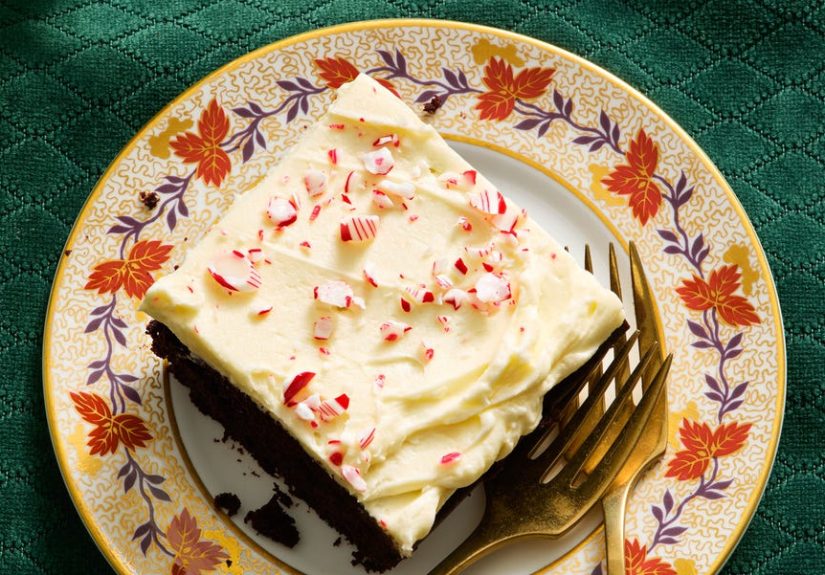
a simple 9×13 cake topped with a creamy peppermint frosting and a snowy sprinkle of crushed candy canes.
This recipe is designed for real life: busy kitchens, last-minute party invites, and the moment you realize you volunteered
to “bring dessert” and somehow that became a whole personality. The result is festive enough for a holiday table, easy enough
for a weeknight bake, and dependable enough to make again next year.
Why Peppermint + Sheet Cake Is a Smart Holiday Move
Sheet cake = maximum joy, minimum drama
Layer cakes are beautiful… and also the reason many people suddenly need “a quick lie-down.” A sheet cake keeps things simple:
one pan, one bake, one big payoff. It slices cleanly, travels well, and serves a crowd without requiring a degree in structural engineering.
Peppermint works best when it’s balanced
Peppermint is bold and confident. Sometimes too confident. The key is using just enough peppermint extract to taste “wintery” and “bright,”
not “minty mouthwash.” This recipe builds flavor with vanilla, a touch of salt, and optional white chocolate notes so peppermint stays in its lane.
Ingredients You’ll Need
This is a classic vanilla sheet cake base (tender, buttery, and moist) topped with an American-style peppermint buttercream. Measurements are written
for standard U.S. baking. For best results, use room-temperature dairy and eggs unless noted otherwise.
For the vanilla sheet cake (9×13)
- 2 1/2 cups all-purpose flour
- 2 teaspoons baking powder
- 1/2 teaspoon baking soda
- 1 teaspoon fine salt
- 3/4 cup unsalted butter, softened
- 1 3/4 cups granulated sugar
- 3 large eggs, room temperature
- 2 teaspoons pure vanilla extract
- 1 cup buttermilk, room temperature (or see substitution below)
- 1/4 cup whole milk (or half-and-half), room temperature
- Optional: 1/8 to 1/4 teaspoon peppermint extract (for a lightly peppermint cake)
Buttermilk substitution (if you need it)
No buttermilk? Mix 1 tablespoon lemon juice or white vinegar into 1 cup milk, stir, and let sit 5 minutes. It won’t be identical, but it will still
give you a tender crumb and balanced flavor.
For the peppermint frosting
- 1 cup unsalted butter, softened
- 3 1/2 to 4 cups powdered sugar (start lower, add as needed)
- 2 to 4 tablespoons heavy cream or milk (to adjust consistency)
- 1 1/2 teaspoons pure vanilla extract
- 1/4 teaspoon peppermint extract (then adjust to taste, carefully)
- Pinch of salt (seriouslythis makes the flavor pop)
- Optional: 2 to 3 ounces melted white chocolate, cooled (adds body and a “peppermint bark” vibe)
For the topping
- 3 to 5 candy canes, crushed (or peppermint candies)
- Optional: peppermint bark pieces, mini chocolate chips, or white chocolate curls
Equipment Checklist
- 9×13-inch baking pan
- Parchment paper (optional but helpful for easy lifting and cleanup)
- Mixing bowls, whisk, and rubber spatula
- Hand mixer or stand mixer (recommended for frosting)
- Measuring cups and spoons
- Cooling rack
- Zip-top bag + rolling pin (for crushing candy canes without a candy cane blizzard)
Step-by-Step: How to Make Peppermint Frosted Sheet Cake
1) Prep the pan and oven
- Preheat your oven to 350°F.
- Grease a 9×13-inch pan. For extra insurance, line the bottom with parchment paper and lightly grease the parchment too.
- Set out your butter, eggs, and dairy so they’re not ice-cold. Room temperature ingredients blend more smoothly and bake more evenly.
2) Mix the dry ingredients
In a medium bowl, whisk together flour, baking powder, baking soda, and salt. Whisking isn’t just busyworkit distributes leaveners evenly so your cake
rises consistently instead of forming mysterious “puffy corners.”
3) Cream butter and sugar (this is your texture foundation)
- In a large bowl, beat softened butter and sugar on medium speed until lighter in color and fluffy, about 2–3 minutes.
- Add eggs one at a time, mixing after each. Scrape down the bowl as needed.
- Mix in vanilla. If you want a gently peppermint cake, add only 1/8 teaspoon peppermint extract here (optional).
4) Alternate dry + wet for a tender crumb
- On low speed, add about 1/3 of the dry mix.
- Pour in half the buttermilk, mix just until combined.
- Add another 1/3 dry, then the rest of the buttermilk, then finish with the remaining dry.
- Add the 1/4 cup milk and mix briefly. Stop as soon as the batter looks smoothovermixing can make the cake tougher.
5) Bake
- Spread batter evenly in the pan and smooth the top.
- Bake 28–35 minutes, or until a toothpick inserted near the center comes out clean or with a few moist crumbs.
- Cool the cake completely before frosting. Warm cake + buttercream = frosting slip-n-slide.
Peppermint Frosting That Tastes Festive (Not Like Toothpaste)
Peppermint extract is powerful. The difference between “holiday magic” and “why does my cake taste like dental hygiene?” can be a few drops.
The best strategy: start small, taste, and increase slowly.
Make the frosting
- Beat softened butter on medium speed until creamy, about 1–2 minutes.
- Add 3 1/2 cups powdered sugar, vanilla, peppermint extract (start with 1/4 teaspoon), pinch of salt, and 2 tablespoons cream.
- Beat on low to combine, then medium-high for 1–2 minutes until fluffy.
- If using melted white chocolate, drizzle it in while mixing on low, then whip again briefly.
- Adjust consistency: add a spoonful of cream for softer frosting, or a little more powdered sugar for a thicker, spreadable frosting.
- Taste test. If you want more peppermint, add it in tiny increments (think: a few drops), mixing and tasting between additions.
Frost and decorate
- Spread frosting over the fully cooled cake in smooth swoops or dramatic swirlsboth are correct.
- Crush candy canes in a zip-top bag using a rolling pin. Sprinkle on top.
- For best crunch and color, add candy cane topping shortly before serving (it can soften and “bleed” if it sits too long).
Easy Variations (Pick Your Holiday Personality)
Chocolate peppermint sheet cake
Swap 1/2 cup of the flour for 1/2 cup unsweetened cocoa powder, and add 2 extra tablespoons milk if the batter looks thick. Top with the same frosting
and a handful of mini chocolate chips for a peppermint bark vibe.
Peppermint cream cheese frosting
For a tangy, less-sweet option: beat 8 ounces cream cheese with 1/2 cup butter, then add 3 to 3 1/2 cups powdered sugar, vanilla, and peppermint extract
(start small). Cream cheese frosting is especially good if you’re serving people who claim they “don’t like super sweet desserts” while taking a second slice.
White chocolate peppermint frosting
Add 2–3 ounces melted, cooled white chocolate to the frosting (as written). It deepens flavor, adds structure, and leans into the peppermint bark effect.
Color and holiday flair
Want that candy cane look? Reserve a small scoop of frosting, tint it red, and stripe it over the white frosting with a spoon or piping bag.
Or keep it simple and let crushed candy canes do the decorating.
Make-Ahead, Storage, and Freezing
- Make-ahead: Bake the cake 1 day early, cool completely, cover tightly, and frost the next day.
- Room temp: If your kitchen is cool, the frosted cake can sit out for a few hours for serving.
- Refrigerator: Store covered up to 4–5 days. Let slices come to room temperature for best texture.
- Freezer: Freeze unfrosted cake (wrapped well) up to 2 months. Thaw overnight in the fridge, then frost.
- Candy cane topping tip: Add crushed candy canes right before serving for best crunch and color.
Troubleshooting (Because Cakes Have Opinions)
My cake is dry
Common causes include overbaking or measuring too much flour. For next time, spoon flour into the measuring cup and level it off. Also, pull the cake when
a toothpick shows a few moist crumbs (not when it’s completely bone-dry).
My frosting is too sweet
Add a pinch more salt and a tiny splash more cream. You can also add a couple ounces of cream cheese or white chocolate to shift the flavor balance.
(And yes, tasting “too sweet” is sometimes solved by serving smaller slices. Sometimes.)
My frosting is runny
The butter may be too warm. Chill the frosting for 10–15 minutes, then whip again. Add a little more powdered sugar if needed.
The candy canes got sticky
Peppermint candies absorb moisture. Sprinkle them on right before serving, or decorate only the slices as you plate them.
Serving Ideas That Make It Feel Extra Festive
- Serve with hot cocoa, coffee, or peppermint tea.
- Add a scoop of vanilla ice cream for a “snowy” dessert plate.
- Turn leftovers into party-proof treats: cut into squares, pop into cupcake liners, and suddenly it looks catered.
- For a cookie tray upgrade, cut smaller “two-bite” rectangles and top each with a single peppermint bark shard.
FAQ
How much peppermint extract should I use?
Start with 1/4 teaspoon in the frosting, then adjust in tiny increments. Peppermint extract varies by brand and can get intense fast.
If you want peppermint in the cake too, keep it subtle (1/8 teaspoon is often plenty).
Can I use peppermint oil instead of extract?
Peppermint oil is usually much stronger than extract and isn’t always a 1:1 swap. If you use it, use a very small amount and add slowly.
When in doubt, stick with peppermint extract for more control.
Do I have to use buttermilk?
Buttermilk helps create a tender crumb and balanced flavor. If you don’t have it, the quick milk + lemon/vinegar substitute works well in a pinch.
Can I make this into cupcakes?
Yesfill liners about 2/3 full and bake at 350°F until a toothpick comes out clean. Frost once fully cool and sprinkle candy cane topping right before serving.
Real-Kitchen Experiences: What People Learn After Making Peppermint Frosted Sheet Cake
Peppermint frosted sheet cake has a funny way of becoming “the cake people expect” once it appears at a party even one time. Home bakers often report
that the first batch disappears faster than planned, mostly because it’s familiar (vanilla cake and buttercream) but dressed up like it’s wearing a holiday sweater.
It’s the dessert equivalent of showing up on time with a good attitude and one sparkling accessory.
One of the biggest shared lessons is peppermint restraint. Many bakers go in thinking, “It’s the holidays! Let’s make it extra!” and then realize peppermint
extract is the overachiever of the flavor world. A little tastes festive; too much tastes like you should rinse and spit. That’s why tasting the frosting as you go
becomes part of the ritual. People often keep a spoon nearby, adding peppermint in tiny amounts, until the flavor reads as cool and bright instead of aggressively minty.
Candy canes bring their own set of “learn it once” moments. Crushing them can be oddly satisfyinguntil the bag splits and your counter turns into a peppermint beach.
A thicker freezer bag and a gentle rolling pin approach usually wins over a full-force smash. Another common discovery: candy cane bits look gorgeous, but they can
soften and get sticky over time. Bakers who want that crisp crunch often sprinkle candy canes right before serving, or they decorate only the slices as they’re plated.
That way, every piece gets that fresh “crunchy snow” effect.
This cake also shows up in stories about transporting desserts. A sheet cake is stable and practical, but frosting can still slide if it gets warm in the car.
Many people chill the frosted cake briefly before travel, then carry it in a flat box or on a sturdy tray to keep the top smooth. It’s also common to pack the crushed
candy canes separately and add them at the destinationno melting, no bleeding color, no surprise peppermint syrup situation.
The recipe tends to become a “group project” in family kitchens, especially around winter breaks. Kids and teens often love the decorating step because it feels like
making edible confetti. Meanwhile, the person in charge of peppermint extract becomes the unofficial quality-control manager, guarding the bowl like it contains
highly classified holiday secrets. The end result is usually a cake that’s more than dessertit’s a shared little event, complete with powdered sugar on sleeves,
candy cane crumbs on the floor, and someone announcing, “This is my favorite cake now,” as if that’s a brand-new discovery.
Finally, many bakers notice how forgiving this cake is. If the frosting isn’t perfectly smooth, swirls look intentional. If the topping isn’t evenly sprinkled,
it looks rustic. If you cut slices that aren’t identical, nobody complainsbecause peppermint + buttercream + soft cake is a very persuasive combo.
That’s the magic of a holiday sheet cake: it’s festive, flexible, and almost guaranteed to make people hover near the dessert table “just to talk.”
Conclusion
Peppermint frosted sheet cake is the kind of holiday recipe that earns a permanent spot in the “make it again” folder. It’s easy to bake, easy to serve, and easy to
customizewhether you go full candy cane crunch, add a white chocolate twist, or keep it classic with a smooth peppermint buttercream. Start with a light hand on the
peppermint, cool the cake before frosting, and save the candy cane sprinkle for the end. Then slice, serve, and watch the pan mysteriously empty itself.