Table of Contents >> Show >> Hide
- Why 2021 Weddings Felt Like a Pressure Cooker
- The “List” Wasn’t About One Bad WeddingIt Was About Repeat Offenders
- Why This Matters for Couples (Yes, Even If You Didn’t See It Happen)
- What Couples and Planners Can Do to Protect Vendors (Without Turning Your Wedding Into a Rulebook)
- What Photographers Can Do Without Becoming the Wedding’s Hall Monitor
- Zooming Out: This Is a Workplace, Even If It Has Fairy Lights
- Neat Conclusion: The Best Wedding Photos Come From a Respectful Room
- Photographer-Style Field Notes: From Behind the Lens
Weddings are supposed to be a joy: soft music, happy tears, a cake that costs more than your first car, and at least one relative who thinks they’re the director of the whole production. But for many wedding photographers, the job isn’t just about chasing golden-hour portraitsit’s also about navigating boundary-testing behavior that would get someone kicked out of a normal workplace.
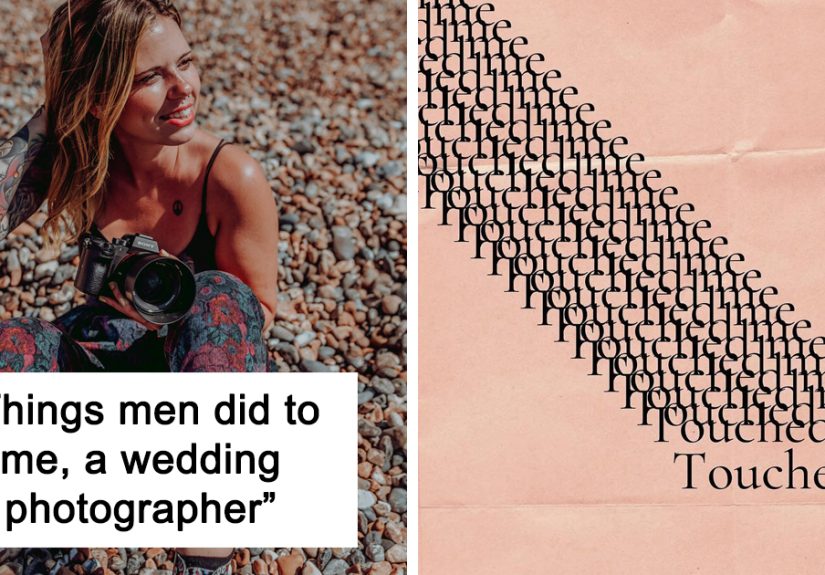
In early 2022, a wedding photographer’s viral listframed around “things men did to me at weddings in 2021”hit a nerve because it put words to a problem many vendors had been swallowing for years: sexist comments, disrespect, unwanted attention, and behavior that ranges from “annoying” to “unsafe.” The point wasn’t “all men.” The point was patternspredictable moments when professionalism is treated like a costume you can tug on for fun.
This article breaks down what that list represented, why it resonated, and what couples, planners, venues, and wedding pros can do to keep the energy romantic for the coupleand respectful for the people working.
Why 2021 Weddings Felt Like a Pressure Cooker
If wedding seasons had personalities, 2021 would be the friend who texts “I’m fine” in all caps. Postponements piled up, schedules compressed, emotions ran high, and many celebrations had a “we’ve waited long enoughlet’s party like it’s the last weekend on Earth” vibe. When a room is packed with stress, expectation, alcohol, and cameras, some people forget a basic rule: vendors are not props.
Photographers are also everywhere at oncenear the dance floor, in tight getting-ready rooms, hovering at the edges of intimate moments. That visibility can invite unsolicited commentary and “jokes,” especially from guests who confuse a professional with an audience.
The “List” Wasn’t About One Bad WeddingIt Was About Repeat Offenders
What made the photographer’s 2021 list land so hard was its familiarity. Many women in event work recognized the same categories of behaviorsometimes from guests, sometimes from other vendors, sometimes from people in positions of authority at the venue. The details vary, but the themes repeat.
1) The “You’re Here for My Entertainment” Mindset
Some men treat a wedding photographer like part of the party’s interactive featuressomewhere between the photo booth and the late-night snack bar. That can show up as:
- Trying to pull the photographer into conversations while they’re actively working
- Demanding attention, reactions, or personal information
- Turning “banter” into persistent commentary when the photographer can’t easily walk away
The camera doesn’t make a person public property. It makes them busy.
2) Inappropriate Comments Disguised as Compliments
A lot of boundary-crossing starts with lines that are meant to sound flattering but carry an undertone: objectifying remarks, “smile” commands, comments about appearance, or jokes that test how much the photographer will tolerate. If the person laughs it off, the behavior escalates. If the person shuts it down, they risk being labeled “dramatic” on someone else’s big day.
In a normal workplace, that’s not “wedding humor.” It’s harassment.
3) Invading Physical Space
Photography often requires proximityadjusting a veil, fixing a boutonnière, guiding people into light. That’s exactly why personal space matters. Vendors have described men stepping too close, blocking exits, hovering behind them, or “accidentally” bumping into them repeatedly on the dance floor.
This is one reason many professionals build safety language into their contracts: if conditions become hostile or unsafe, they can pause coverage or leave. That clause isn’t dramaticit’s practical risk management.
4) Undermining Expertise (a.k.a. “Let Me Explain Your Camera to You”)
There’s a special category of wedding guest sometimes called “Uncle Bob,” the enthusiastic amateur who believes owning a nice lens grants creative authority. Sometimes it’s harmlessstanding in the aisle with a phone. Sometimes it’s condescending: questioning the photographer’s choices, giving “tips,” or challenging decisions in front of clients.
When that undermining is genderedtalking past women, assuming they’re assistants, asking for “the real photographer,” or insisting a man nearby must be in chargeit becomes more than annoying. It becomes a pattern that pushes women to constantly re-prove competence.
5) Testing Boundaries With “Requests” That Aren’t Really Requests
Some people push for shots the photographer doesn’t feel comfortable creatingespecially when alcohol turns a group of groomsmen into a committee of bad ideas. Professionals have shared stories about refusing certain requests because they risk venue relationships, violate policies, or cross personal lines.
Here’s the uncomfortable truth: clients are paying for your work, but they’re not paying for you to tolerate harassment. A healthy wedding culture respects both the couple’s vision and the vendor’s boundaries.
Why This Matters for Couples (Yes, Even If You Didn’t See It Happen)
Most couples would be horrified to learn a vendor felt unsafe at their wedding. And that’s part of the problem: photographers are trained to keep things smooth. They don’t want to “make it about them.” They don’t want to create drama. They also don’t want to risk a bad review from someone who’s proud of being “brutally honest.”
So the photographer keeps shooting, keeps smiling, keeps delivering the gallerywhile carrying the stress privately. That stress isn’t abstract. It affects:
- Quality of coverage: If someone is constantly in your space, you miss moments.
- Safety and stamina: Working while tense drains energy fast.
- Trust: When a vendor feels unsupported, collaboration suffers.
What Couples and Planners Can Do to Protect Vendors (Without Turning Your Wedding Into a Rulebook)
You don’t need to hand out a “Respect the Photographer” pamphlet at the door. Small, strategic moves go a long way.
Appoint a Vendor Ally
Pick one personplanner, coordinator, best person, siblingwho has authority and sobriety. Tell your photographer: “If you need help, go to this person.” That one sentence creates a safety net.
Build Boundaries Into the Timeline
A chaotic timeline creates opportunities for guests to “take charge.” When you schedule formal portraits clearly, announce them, and keep people moving, it’s harder for random guests to hijack the photographer’s attention.
Set a Culture, Not Just a Policy
Many problems start with a small group (often loud, often tipsy) deciding the rules don’t apply to them. Couples can set the tone by being explicit with their wedding party: “Be respectful to staff and vendors. If someone crosses a line, we want to know.”
Feed Vendors and Give Them Space
Vendor etiquette isn’t just politeness; it’s operational. When photographers can take a real break, hydrate, and reset, they’re less vulnerable to constant crowd pressure. A meal also reduces the chance they’re trapped in a room with guests who think “networking” means interrogating them mid-bite.
Empower the Venue to Step In
Venues and security staff aren’t only there to protect centerpieces from red wine. If someone is harassing a vendor, the venue should be empowered to intervene. Couples can reinforce this by telling the coordinator: “If someone is bothering vendors, handle it.”
What Photographers Can Do Without Becoming the Wedding’s Hall Monitor
Photographers shouldn’t have to become their own security team, but there are smart ways to reduce risk while staying professional.
Use Clear, Calm Scripts
When a boundary gets tested, pre-planned phrases help you respond without spiraling. Examples:
- “I’m here to focus on the coupleplease give me some space to work.”
- “That comment isn’t appropriate. I’m going to step away now.”
- “If you need something, please talk to the planner.”
Write a Safety Clause Into Your Contract
Many wedding photography contracts include language stating that harassment, threats, or unsafe conditions may result in paused coverage or early termination. This sets expectations before emotions and champagne enter the chat.
Work in Pairs When Possible
A second shooter is not just a creative asset. It’s also accountability and safetyanother person who can witness behavior, help you exit a situation, or get support if you’re cornered.
Coordinate With Other Vendors
Wedding pros often protect each other quietly: a DJ who lowers the lights so the dance floor doesn’t become a wrestling match, a planner who intercepts a guest mid-rant, a coordinator who “needs” a vendor in another room right now. That teamwork is the real behind-the-scenes magic.
Zooming Out: This Is a Workplace, Even If It Has Fairy Lights
One reason the 2021 list resonated is that weddings don’t feel like workplaces to guests. But to photographers, DJs, coordinators, and catering staff, it absolutely is. A dance floor is still a worksite. A getting-ready suite is still a worksite. And a “funny” comment can still create a hostile environment.
In the broader U.S. context, federal guidance around harassment emphasizes that unwelcome conduct can contribute to an unlawful hostile work environment when it’s tied to protected characteristics and severe or pervasive enough. Even when a wedding isn’t a traditional office, the principle remains: professionals deserve safety and respect while doing their jobs.
Neat Conclusion: The Best Wedding Photos Come From a Respectful Room
A photographer’s viral list from 2021 wasn’t a “gotcha.” It was a mirror. It showed how easily a celebration can slip into a space where some people feel entitled to cross boundariesespecially toward women working in visible roles.
The fix isn’t complicated, but it is intentional: treat vendors like professionals, back them up when someone misbehaves, and build a culture where “it’s a party” never becomes an excuse for disrespect. Because at the end of the day, the photos you treasure most are created when the person behind the lens feels safe enough to focus on what really matters: your story.
Photographer-Style Field Notes: From Behind the Lens
Ask wedding photographers what the job feels like, and you’ll hear a funny contradiction: it’s equal parts art and logistics, emotion and endurance. You’re hired to capture romance, but you spend a surprising amount of time doing crowd management with a smile that says, “I’m so glad you’re having fun,” while your brain says, “Please stop standing in the aisle like you’re guarding the gates of Mordor.”
A typical wedding day starts early with detailsrings, invitations, shoes, the dress hanging like a celebrity waiting for paparazzi. The atmosphere is tender and nervous, and most people are at their best. Then the pace accelerates: first look, ceremony, family photos, cocktail hour. You’re constantly scanning for light, angles, and micro-momentsa parent’s expression, a friend wiping tears, the couple’s hands finding each other when they think no one is watching.
And somewhere in that beautiful chaos, the boundary tests appear. Sometimes it’s subtle: a guest who stands too close, narrating your work like a sports commentator. Sometimes it’s the classic “photography expert” who wants to explain how your camera works or why you should “just use portrait mode.” Sometimes it’s a guy who treats the job like a social opportunityasking personal questions while you’re actively directing family groups, or insisting you react to his jokes while you’re trying to keep Grandma shaded and the toddler facing the right direction.
The hardest moments aren’t always the loud ones. They’re the ones that trap you. You can’t snap back because you’re representing your brand. You can’t storm off because you’re responsible for documenting a once-in-a-lifetime event. So you learn to redirect. You learn to move. You learn to stand near the planner or the venue coordinator when the dance floor gets crowded. You learn to keep your voice calm and your boundaries clear.
Photographers often talk about the relief of alliessomeone in the wedding party who notices, steps in, and casually blocks the problem like a human privacy screen. Or a planner who appears at exactly the right moment with a “quick question” that is actually a rescue mission. Those tiny acts matter, because they let you return to the work you were hired to do: telling the couple’s story without feeling like you’re also running personal security.
And here’s the thing: when guests respect the photographer’s space, the whole wedding feels better. People relax. The couple relaxes. The photos get better. The night becomes what it was meant to bejoyful, not stressful. If there’s one lesson to take from that 2021 list, it’s this: the best weddings aren’t just beautiful. They’re considerate. And that consideration shows up in every frame.