Table of Contents >> Show >> Hide
- What Is Beat Light – Fat?
- The Story Behind the Shape
- Materials, Craftsmanship, and Finish
- How the Light Actually Feels in a Room
- Why Designers Keep Coming Back to It
- How to Style Beat Light – Fat at Home
- Things to Know Before You Buy
- Beat Light – Fat vs. Trendy Pendant Lights
- Is Beat Light – Fat Worth It?
- Living With Beat Light – Fat: The Experience
- Conclusion
If pendant lights had personality types, the Beat Light – Fat would be the cool friend who somehow looks effortless in every room. It is sculptural without being fussy, modern without feeling cold, and dramatic without turning your kitchen into a stage set for an overly serious design show. In other words, it is the rare designer light that makes a statement while still knowing how to behave.
Known more formally as the Tom Dixon Beat Fat pendant, this fixture has earned its reputation by doing something many “iconic” designs fail to do: it looks fantastic in photos, but it also works beautifully in real life. The rounded silhouette softens a room, the warm metallic interior adds glow rather than glare, and the handmade construction gives it character that mass-market lighting often can’t fake, no matter how many “artisan-inspired” labels it slaps on the box.
For homeowners, designers, and design-curious people who have spent far too long staring at pendant lights online and muttering, “Why do all of these look the same?” the Beat Light – Fat feels like a genuine alternative. It brings craft, shape, warmth, and architectural presence into one neat package. That is a lot to ask from one ceiling light, yet here we are.
What Is Beat Light – Fat?
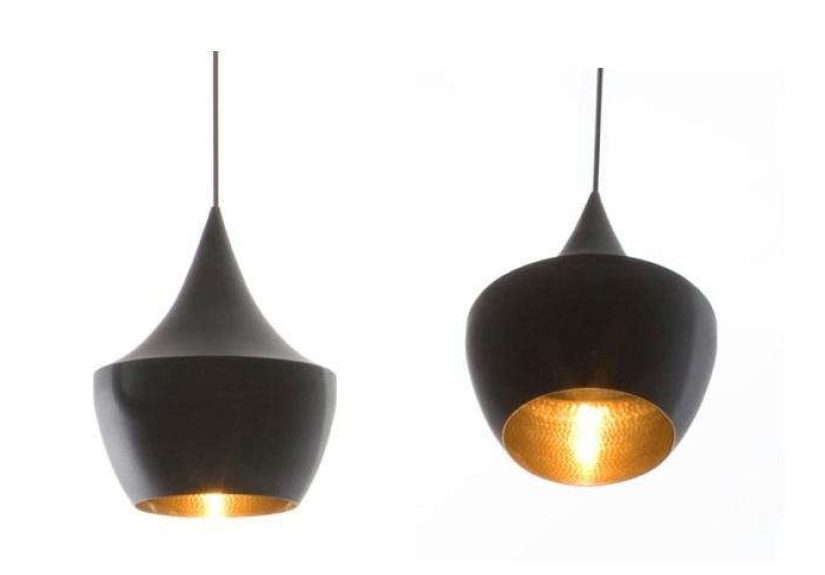
Beat Light – Fat is a pendant light from Tom Dixon’s Beat collection, a family of hand-formed metal lights known for their bold silhouettes and warm interiors. The “Fat” version stands out because of its fuller, rounder profile. It has more visual weight than the Tall or Wide shapes, which makes it especially effective when you want a pendant that feels grounded, cozy, and noticeable without being bulky.
At its core, this is a handcrafted brass pendant light designed to deliver both function and atmosphere. It gives focused downward illumination, but it also creates a soft, reflective glow thanks to the hammered metallic interior. That combination is a big reason the fixture has remained popular in residential and commercial spaces alike. It is not just a lamp; it is lighting with a point of view.
The Story Behind the Shape
A design language borrowed from tradition
One of the most compelling things about Beat Light – Fat is that it does not feel randomly styled. Its form traces back to traditional Indian brass cooking pots and water vessels, which gives the light a sculptural honesty. Instead of chasing trends, the design borrows from objects that were already practical, balanced, and beautiful long before social media discovered “organic modern.”
That origin matters because it explains why the silhouette feels so natural. The shape is not trying too hard. It has the confidence of something that evolved from function first and style second. That is usually the sweet spot in lasting design. When a piece feels inevitable rather than overdesigned, it tends to age well. Beat Light – Fat has exactly that quality.
Why the “Fat” silhouette works so well
The rounded body of the Fat version gives it a softer, friendlier presence than many sharp-edged modern pendants. It reads as architectural, but not severe. That makes it versatile. In a minimalist space, it adds shape and warmth. In a rustic-modern room, it looks intentional instead of overly polished. In an eclectic interior, it acts as a visual anchor that keeps the room from wandering off in twelve different directions.
It also has a Goldilocks advantage: not too thin, not too wide, not too showy, not too timid. The shape is compact enough for single installation, yet substantial enough to hold its own over a dining table, kitchen peninsula, breakfast nook, or entry console. Some lights whisper. Some yell. Beat Light – Fat speaks in a confident indoor voice.
Materials, Craftsmanship, and Finish
This is where Beat Light – Fat separates itself from the sea of lookalike pendants crowding the internet. Rather than relying on generic stamped metal and a trendy silhouette, it is crafted from brass and shaped using traditional metalworking techniques. The exterior finish varies by version, but the defining visual feature is the contrasting interior: warm, golden, reflective, and visibly handmade.
The hand-beaten interior is especially important. It is not just decorative texture. It changes the way the light behaves. Instead of producing a flat, sterile beam, the interior helps bounce light in a way that feels richer and more atmospheric. That makes the fixture especially appealing in spaces where lighting mood matters as much as brightness, such as dining areas, lounges, boutique hospitality settings, and stylish home workspaces.
There is also something deeply appealing about visible craftsmanship in a category where so many products feel anonymous. Beat Light – Fat carries subtle marks of making. It does not pretend to be machine-perfect, and that is part of the charm. Those slight variations are not flaws. They are the design equivalent of handwriting in a world full of copy-paste fonts.
How the Light Actually Feels in a Room
Warm, focused, and flattering
Some pendant lights are technically bright but emotionally bleak. Beat Light – Fat takes the opposite route. It tends to create a warm, flattering pool of light that feels inviting. That makes it particularly effective over surfaces where people gather: dining tables, islands, coffee counters, and side tables. The light is purposeful, but it is not harsh.
That softer feel is one reason designers continue to specify it. The fixture gives you definition and drama without the dreaded interrogation-room effect. No one wants dinner under lighting that makes the mashed potatoes look anxious. Beat Light – Fat avoids that problem by combining direct illumination with a warmer visual tone.
Best rooms for Beat Light – Fat
This pendant works especially well in kitchens, breakfast nooks, dining rooms, bars, reading corners, and entryways. In a kitchen, a pair or trio can make an island feel more polished and intentional. Over a round dining table, a single fixture can feel sculptural without competing with the furniture. In a hallway or foyer, it gives instant presence and helps establish a modern design mood from the moment someone steps inside.
It is also popular in hospitality and commercial interiors because it is decorative without being distracting. Restaurants, boutique hotels, and stylish offices often use Beat fixtures to add warmth and identity. The Fat version works best when the goal is visual softness and presence rather than narrow vertical drama.
Why Designers Keep Coming Back to It
There are newer lights. There are flashier lights. There are definitely cheaper lights. And yet Beat Light – Fat keeps showing up in design conversations because it solves multiple problems at once. It adds shape. It adds craft. It adds warmth. It feels luxurious, but not flashy. It photographs well, but it is not dependent on trends to make sense.
Another reason is flexibility. Designers can use one Beat Fat pendant alone, pair it with matching fixtures, or mix it with other shapes from the same family for a more layered composition. That range makes it easier to adapt to different room scales and design goals. A solo fixture feels refined. A grouped installation feels curated. Either way, it looks intentional.
And yes, branding helps. Tom Dixon has long occupied that desirable territory between design credibility and mainstream appeal. But a famous name only gets you through the door. A product sticks around because people keep specifying it. Beat Light – Fat has done exactly that.
How to Style Beat Light – Fat at Home
Use one when you want sculptural simplicity
If your room already has plenty going on, a single Beat Light – Fat is often the smartest move. Its rounded form adds interest without crowding the visual field. Use it over a small dining table, in a reading nook, or in a hallway where you want something memorable but controlled.
Group it when you want more drama
Beat fixtures are famously strong in clusters. Mixing the Fat shape with the Tall and Wide versions creates a layered arrangement that feels custom and architectural. This works especially well over longer dining tables, kitchen islands, or stair voids. The trick is to treat the grouping like sculpture rather than mere lighting. Think composition, spacing, and rhythm.
Let the finish set the mood
A darker exterior gives the light more contrast and a stronger graphic feel. A brass or lighter finish can make the fixture feel warmer, softer, and a little more glamorous. Either way, the interior glow does much of the heavy lifting. It is what keeps the piece from feeling cold or overly industrial.
Things to Know Before You Buy
It is a statement piece, not a bargain-bin impulse buy
Beat Light – Fat sits in the premium designer-lighting category. That means it is not the kind of purchase you toss into your cart next to dish soap and batteries. But that higher price point reflects the level of craft, design pedigree, and material quality. If you want something disposable, this is not it. If you want a fixture that still feels relevant years from now, the value case becomes much stronger.
Think about height, scale, and dimming
As with any pendant, placement matters. Hang it too high and you lose some of the intimacy. Hang it too low and you create an obstacle course with mood lighting. The best results come from matching the fixture’s scale and drop length to the room and surface below it. Dimming capability is also worth prioritizing, since this light shines brightest, pardon the pun, when you can tune the atmosphere.
Handmade means character
If you expect laboratory-grade sameness, handmade lighting may surprise you. Small differences in finish or surface detail are part of the appeal. Beat Light – Fat is not trying to look sterile. It is trying to look human. That is a very good thing, especially in homes that already have enough flat-pack perfection.
Beat Light – Fat vs. Trendy Pendant Lights
The big difference between Beat Light – Fat and many trendy pendants is staying power. Trend-driven fixtures often lean on exaggerated shapes, novelty finishes, or social-media appeal that can feel tired surprisingly fast. Beat Light – Fat, by contrast, feels rooted in material and craft. That grounding gives it longevity.
It also offers a richer relationship with light itself. Many fashionable fixtures look great when switched off and disappointing when turned on. Beat Light – Fat is more balanced. It is handsome during the day, but it becomes especially compelling in the evening, when the warm interior actually does what good lighting should do: improve the room, flatter the surfaces, and make people want to linger.
Is Beat Light – Fat Worth It?
If you care about timeless modern design, the answer is yes. Beat Light – Fat is worth considering because it brings together craftsmanship, shape, atmosphere, and brand credibility in a way that feels cohesive rather than hyped. It is not merely a decorative object. It is a lighting solution with emotional presence.
For people building a thoughtful interior, that matters. Great rooms are rarely made from one giant expensive gesture. They come from layers of smart decisions. A pendant like this can be one of those decisions because it pulls visual weight every single day. It lights the table. It sets the tone. It becomes part of the architecture. That is a lot of work for one lamp, but Beat Light – Fat seems perfectly happy to do it.
Living With Beat Light – Fat: The Experience
Living with Beat Light – Fat is less about owning a trendy designer object and more about noticing how often it quietly improves the room. That is the real experience. It is not a piece you admire once and forget. It keeps showing up in small ways that make daily life feel more considered. In the morning, it looks sculptural and grounded even when it is off. In the evening, it becomes the kind of warm focal point that makes a room feel finished, relaxed, and a little more sophisticated than it did five minutes earlier.
One of the most satisfying parts of the experience is how the fixture changes depending on where you stand. From across the room, you notice the shape first. Up close, the hammered interior starts doing its magic, catching and reflecting light in a way that feels softer and richer than a plain metal shade. It has depth. It has texture. It has that rare quality designers love because it gives a room visual interest without begging for applause every time somebody walks in.
It also tends to improve routines that would otherwise feel ordinary. A simple breakfast under Beat Light – Fat feels more intentional. A late-night cup of tea looks strangely cinematic. Even answering emails at a kitchen counter becomes less depressing, which may be the highest compliment modern lighting can receive. No lamp can fix your inbox, but this one can at least stop it from feeling like a fluorescent punishment chamber.
There is also an emotional side to the experience. Because the light feels warm and handcrafted, it often makes a room feel less mechanical. That matters in homes full of screens, hard surfaces, and furniture chosen under the influence of shipping speed. Beat Light – Fat introduces a human note. The slight irregularity of the hand-finished metal, the gentle glow of the interior, and the grounded silhouette all help a space feel calmer and more lived-in.
Another real-world advantage is its flexibility over time. Many decorative fixtures lock you into one design mood. Beat Light – Fat does not. It can live comfortably with minimalist cabinetry, natural wood, stone counters, dark paint, soft neutrals, and even slightly eclectic styling. As your furniture changes, the pendant still makes sense. That adaptability is part of the ownership experience too. It means the light keeps earning its place rather than becoming an expensive relic of a former decorating phase.
Of course, the experience is best when the installation is thoughtful. Get the height right, pair it with a dimmer, and let it have enough breathing room. Do that, and the fixture becomes one of those home details people always notice, even if they cannot immediately explain why the room feels so good. They just know it does. And usually, that is the sign of successful design: not that everyone asks for the product name, but that the space feels better because it is there.
So the experience of Beat Light – Fat is not flashy. It is better than flashy. It is reliable, atmospheric, tactile, and quietly luxurious. It turns everyday rooms into more memorable ones. It makes meals, conversations, and ordinary evenings feel a bit more elevated. In the long run, that kind of daily usefulness is far more impressive than any trend-driven wow factor.
Conclusion
Beat Light – Fat remains a standout in modern lighting because it combines sculptural design with genuine craftsmanship and warm, practical illumination. It feels artistic without being impractical, premium without feeling cold, and iconic without becoming cliché. For anyone looking for a modern pendant light that can anchor a room and still feel welcoming, this fixture has earned its place near the top of the list.
In a world crowded with forgettable lighting, Beat Light – Fat does something refreshingly rare: it sticks. Not because it is loud, but because it is good. And in design, good tends to outlast loud every single time.