Table of Contents >> Show >> Hide
- What Is Plantar Flexion?
- Anatomy of Plantar Flexion
- Why Plantar Flexion Matters in Daily Life
- Common Injuries and Conditions That Affect Plantar Flexion
- Symptoms You Should Not Ignore
- How Doctors Evaluate Plantar-Flexion Problems
- Treatment and Recovery Basics
- How to Protect Plantar Flexion and Prevent Injury
- Experiences People Commonly Report With Plantar-Flexion Problems
- Conclusion
If you have ever pressed a gas pedal, pushed off the ground to sprint, stood on tiptoe to grab something from a high shelf, or tried to walk quietly across a creaky floor like a budget ninja, you have used plantar flexion. It is one of those body movements that sounds like it belongs in a medical school exam, but it shows up in everyday life constantly. Without it, walking would feel clunky, running would lose its spring, and jumping would become more of a strongly worded suggestion.
Plantar flexion is the movement that points your foot downward, away from your shin. It happens at the ankle and depends on a smart, coordinated team of muscles, tendons, bones, joints, ligaments, and nerves. When that team works well, the motion feels effortless. When something goes wrong, however, plantar flexion can become painful, weak, stiff, or downright unreliable.
This guide explains what plantar flexion is, why it matters, which structures make it possible, and which injuries most often interfere with it. It also covers what symptoms deserve attention, how recovery usually works, and what real people often experience when this movement suddenly stops being cooperative.
What Is Plantar Flexion?
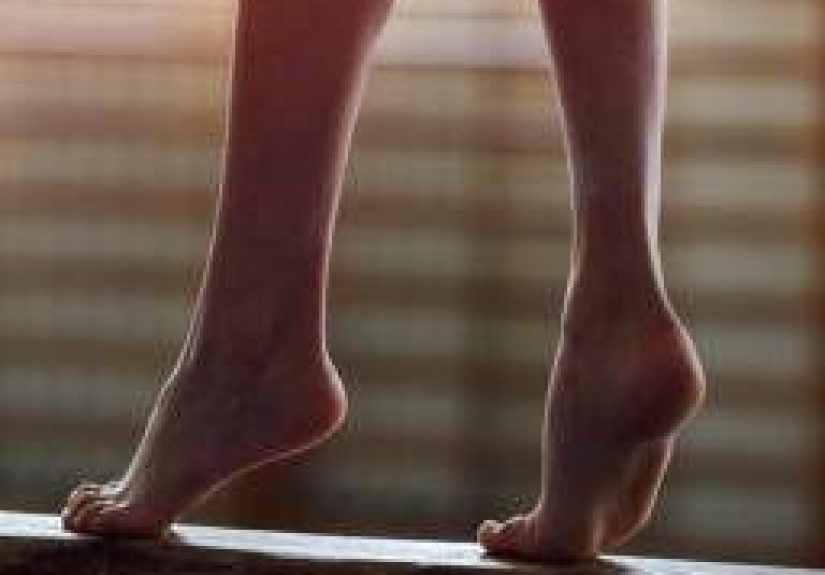
Plantar flexion is the motion of pointing the foot downward at the ankle. It is the opposite of dorsiflexion, which lifts the foot upward toward the shin. In plain English, plantar flexion is what happens when your toes point down and your heel rises up. That is why it powers motions like pushing off during walking, accelerating into a run, climbing stairs, balancing on the balls of your feet, and rising onto your toes.
This movement is not just for athletes or dancers. It matters during basic daily tasks too. Even a casual stroll across the kitchen uses plantar flexion in the final phase of each step. Your foot rolls forward, your heel lifts, and the ankle helps launch the body ahead. The movement may look simple, but the mechanics behind it are impressively well organized.
Anatomy of Plantar Flexion
The ankle joint: the hinge with responsibilities
Most plantar flexion occurs at the ankle joint, specifically the talocrural joint, where the tibia and fibula meet the talus. It functions a lot like a hinge, although the foot and ankle are more complex than a door that politely opens and closes. They also need to adapt to uneven ground, absorb impact, and transfer force without complaining too much.
The bones of the foot and ankle provide the framework, but bones alone do not create motion. The real action comes from muscles pulling through tendons while ligaments help stabilize the joint.
The main muscles that create plantar flexion
The biggest contributors are the gastrocnemius and soleus, the two major calf muscles. Together, they form the powerhouse that generates much of the downward push of the foot. The gastrocnemius crosses both the knee and ankle, which means knee position can influence how it works. The soleus sits deeper and is especially important for posture, steady walking, and repeated low-key activity that never makes the highlight reel.
Several other muscles support plantar flexion as well:
- Plantaris, a small helper muscle that is not a star but still shows up for the job.
- Tibialis posterior, which helps support the arch and contributes to foot control.
- Flexor hallucis longus, important for pushing off, especially through the big toe.
- Flexor digitorum longus, which assists the toes and the plantar-flexion motion.
- Fibularis longus and fibularis brevis, which help stabilize the foot and contribute to ankle motion.
These muscles do not all fire with equal force in every situation. Sprinting, balancing, walking uphill, and standing on tiptoe all change the workload. The body constantly adjusts which structures do more of the heavy lifting.
The Achilles tendon: the famous middleman
If plantar flexion had a celebrity, it would be the Achilles tendon. This thick tendon connects the calf muscles to the heel bone. When the gastrocnemius and soleus contract, the Achilles tendon transmits that force to the calcaneus, creating the push that points the foot down.
The Achilles is crucial for propulsion. It helps lift the heel during walking and gives running and jumping their spring. It also handles very high loads, which is wonderful when it is healthy and extremely inconvenient when it is irritated or torn.
Nerves that keep the system online
Muscles do not move just because they are enthusiastic. They need nerve input. The tibial nerve plays a major role in activating several of the muscles involved in plantar flexion. If nerve function is disrupted, strength, coordination, and sensation can change. That can make push-off feel weak, awkward, or unstable.
Why Plantar Flexion Matters in Daily Life
Plantar flexion is part of almost every lower-body movement that requires forward motion or upward drive. During walking, it helps push the body into the next step. During running, it contributes to speed and efficiency. During jumping, it adds the final burst of force as the foot leaves the ground.
It also matters for balance. When you sway slightly forward while standing, your calf muscles and ankle structures work behind the scenes to keep you upright. In other words, plantar flexion is not just about power. It is also about control, fine-tuning, and keeping gravity from turning your day into slapstick.
Because the movement is used so often, problems affecting plantar flexion can show up in many ways. Some people feel weakness. Others notice pain in the heel, back of the ankle, or calf. Some cannot push off normally. Others can move the foot, but only with stiffness or a strange sense that the ankle no longer trusts itself.
Common Injuries and Conditions That Affect Plantar Flexion
Achilles tendinopathy
Achilles tendinopathy is one of the most common causes of pain linked to plantar flexion. It usually develops from overuse, repetitive loading, sudden increases in activity, poor training progression, or mechanical stress at the back of the ankle. People often notice pain, stiffness, and tenderness along the tendon, especially with walking, running, stair climbing, or morning movement after getting out of bed.
In early stages, the tendon may feel merely annoyed. Later, it can become stubbornly painful and interfere with sports and daily routines. The classic story is someone who increases mileage, starts hill workouts, returns to exercise too quickly, or changes footwear and then wonders why the back of the ankle has started filing complaints.
Achilles tendon rupture
An Achilles rupture is a more dramatic injury. It often happens during explosive activity such as sprinting, jumping, or sudden direction changes. Many people describe hearing or feeling a pop, followed by sharp pain and a sensation like being kicked in the back of the ankle. Pushing off becomes difficult, and standing on tiptoe may be impossible.
This injury directly disrupts plantar flexion because the tendon that transfers calf force to the heel is no longer doing its job properly. Some people can still move the foot a little because other muscles can contribute, but strength and normal push-off are usually badly affected. This is not the kind of injury to “walk off” with heroic denial.
Ankle sprains
Ankle sprains are extremely common, especially when the foot twists inward. The ligaments on the outside of the ankle, particularly the anterior talofibular ligament, are often involved. Swelling, bruising, tenderness, and pain with movement are typical.
Although a sprain is not primarily a plantar-flexion muscle injury, it can still affect the motion. Pain may limit how far you can point the foot. Swelling can make the joint feel stiff. In some cases, recurrent sprains lead to instability, and the ankle starts to feel unreliable during push-off, pivoting, or uneven-ground walking.
Calf strains
Because the calf muscles are major plantar flexors, a strain in the gastrocnemius or soleus can reduce both comfort and force. These injuries often occur during sudden acceleration, abrupt stopping, or forceful pushing. A person may feel a sharp pull in the calf, followed by tenderness, weakness, and pain when trying to rise onto the toes.
Calf strains can be mild or severe. Even a moderate strain can make normal walking awkward and can turn stairs into a personal grudge match.
Heel pain and plantar fascia-related issues
Plantar fasciitis is best known for causing heel pain rather than directly injuring plantar flexion. Still, it can influence how someone uses the ankle and foot. If the bottom of the heel hurts, people often change the way they walk to avoid loading the area. That altered gait can affect push-off and lead to secondary stiffness or compensation higher up the chain.
Heel pain can also involve the Achilles insertion, bursae, or surrounding tissues. The result is often the same: the foot stops moving naturally, and plantar flexion becomes guarded or uncomfortable.
Nerve-related weakness
Some nerve problems can change ankle and foot movement by weakening the muscles that control them. While foot drop is more strongly associated with dorsiflexion weakness, nerve injury affecting lower-leg function can still disrupt normal gait, stability, and push-off. If plantar-flexion weakness is accompanied by numbness, tingling, unusual gait changes, or loss of reflexes, it deserves medical evaluation.
Symptoms You Should Not Ignore
Any persistent foot or ankle pain deserves attention, but some symptoms stand out more than others. Red flags include a sudden pop in the back of the ankle, inability to stand on tiptoe, major weakness pushing off, severe swelling, rapid bruising, numbness, tingling, color changes, coldness, or difficulty bearing weight. Those signs can point to a significant tendon, ligament, nerve, or circulation problem.
If symptoms are mild but do not improve with rest and activity modification, that matters too. The body is often polite before it becomes dramatic. Ignoring a tendon that has been grumbling for weeks is one of the classic ways people end up graduating from “annoying soreness” to “why am I in a boot?”
How Doctors Evaluate Plantar-Flexion Problems
Evaluation usually begins with a physical exam. A clinician may ask where the pain is located, what movement triggers it, whether there was a pop, and how the ankle behaves during walking, balancing, or rising onto the toes. They may check range of motion, tendon tenderness, swelling, bruising, strength, stability, and nerve function.
Depending on the situation, imaging may be used. X-rays can help look for fractures or certain structural issues. Ultrasound and MRI can be helpful when a tendon tear, severe soft-tissue injury, or unclear diagnosis is suspected.
The goal is not simply to name the injury. It is to understand which structure is causing the loss of comfort or function and whether the problem is inflammatory, mechanical, traumatic, degenerative, or neurologic.
Treatment and Recovery Basics
Treatment depends on the cause. Overuse problems such as Achilles tendinopathy often improve with load management, temporary reduction of aggravating activity, structured rehabilitation, and gradual strengthening. Sprains may need support, swelling control, and progressive exercise to restore mobility and stability. More serious injuries such as ruptures may require immobilization, specialist care, and sometimes surgery.
Recovery usually includes some combination of:
- Rest from aggravating activity
- Ice and compression early on for swelling or pain
- Supportive footwear or temporary bracing when needed
- Targeted physical therapy
- Progressive calf and ankle strengthening
- Balance and gait retraining
- A gradual return to sport or heavy activity
One of the biggest mistakes people make is rushing the “I feel better” phase. Pain may calm down before the tendon, ligament, or muscle is ready for full demand. That is why progressive loading matters. The tissue needs time and the right kind of stress to rebuild capacity, not just a motivational speech.
How to Protect Plantar Flexion and Prevent Injury
Train gradually
Sudden spikes in mileage, sprint work, jumping, or hill running are a common recipe for tendon trouble. Increase activity in a steady, realistic way.
Strengthen the calf complex
Well-conditioned calf muscles and tendons handle load better. Consistent strengthening and ankle control work are usually more protective than heroic weekend exercise bursts.
Use footwear that matches the job
Shoes are not magic, but bad shoe choices can make tissue stress worse. Support, fit, and sport-specific function all matter.
Do not ignore stiffness and early pain
Morning Achilles stiffness, recurring heel pain, or soreness that returns with every run is not a personality trait. It is feedback.
Rehab fully after a sprain
Many people stop once swelling fades, but ankle stability and neuromuscular control often need more work. That is how repeat sprains happen.
Experiences People Commonly Report With Plantar-Flexion Problems
People dealing with plantar-flexion injuries often describe the experience in very human terms, not anatomical ones. They do not usually say, “I seem to have impaired force transmission through the triceps surae.” They say things like, “I cannot push off,” “My ankle feels weak,” or “It feels like my foot forgot how to work.” Those descriptions are useful, because they reflect what these injuries are actually like in daily life.
A runner with early Achilles tendinopathy may notice that the first few morning steps feel stiff and mean. After a little walking, the tendon loosens up enough to seem manageable, which creates false confidence. Then the pain returns during hills, speed work, or the day after a longer run. Many people in this stage keep bargaining with the problem. They switch shoes, shorten the workout, promise to stretch more, and continue acting surprised that the tendon has not accepted the deal.
Someone with an ankle sprain usually remembers the exact moment things went sideways, often literally. There is the awkward landing, the inward roll, the flash of pain, and then the immediate realization that the ankle has opinions now. Even after the swelling improves, many people describe a strange lack of trust in the joint. Going downstairs feels different. Uneven pavement suddenly looks like a trap designed by a villain. Plantar flexion may not be totally lost, but it feels guarded, cautious, and less powerful.
People who rupture the Achilles tendon often describe a much more dramatic event. The most common stories include hearing a pop, feeling as if someone kicked them in the back of the leg, and then realizing they cannot push off normally. Some say the pain is intense at first, while others are more startled by the sudden weakness than by the pain itself. What stands out in many of these experiences is the shock. One second the leg feels normal; the next, a movement that usually happens automatically is suddenly gone or severely limited.
Recovery experiences vary too. People in physical therapy often describe gradual improvement rather than one magical turning point. First they can walk more normally. Then stairs get easier. Then they can rise onto both toes. Later, maybe much later, they can do a single-leg heel raise with confidence. That progression matters because plantar flexion is tied to both strength and trust. The tissue may heal, but the brain also needs evidence that the leg can handle load again.
Another common experience is frustration with how long foot and ankle recovery can take. Because plantar flexion is involved in almost every step, it is hard to truly rest the system while still living life. Even normal walking can keep a sensitive structure irritated. That is why many people improve only when they combine patience, smart activity changes, and a structured rehab plan instead of relying on wishful thinking and aggressive optimism.
Conclusion
Plantar flexion is a simple motion with a big job description. It powers push-off, helps maintain balance, supports efficient walking and running, and depends on a well-coordinated network of muscles, tendons, nerves, and joint structures. When any part of that system is irritated, strained, torn, or unstable, the effects show up quickly in daily life.
The good news is that many plantar-flexion problems improve with early recognition, appropriate treatment, and progressive rehabilitation. The key is respecting symptoms before they become bigger problems. Your ankle and calf do a surprising amount of work for you every day. Returning the favor with smart training, good recovery habits, and timely care is not glamorous, but it is very effective.