Table of Contents >> Show >> Hide
- What Is Poison Ivy, Exactly?
- The Most Common Poison Ivy Symptoms
- When Do Poison Ivy Symptoms Start?
- What Poison Ivy Symptoms Usually Feel Like Over Time
- Where Poison Ivy Symptoms Commonly Show Up
- What Makes Poison Ivy Symptoms Worse?
- Poison Ivy Symptoms vs. Other Skin Problems
- When Poison Ivy Symptoms Mean You Should Call a Doctor
- How to Relieve Poison Ivy Symptoms
- Common Myths About Poison Ivy Symptoms
- How to Prevent Future Poison Ivy Symptoms
- Final Thoughts on Poison Ivy Symptoms
- Experiences Related to Poison Ivy Symptoms
- SEO Tags
Poison ivy has a special talent: it can ruin a perfectly good hike, gardening session, or “I was just cutting through the yard for two seconds” moment. One brush with the plant’s oily resin, and suddenly your skin is acting like it has filed a formal complaint. The good news is that poison ivy symptoms are usually easy to recognize once you know what to look for. The even better news is that most cases get better with time, smart skin care, and a strong commitment to not scratching like a raccoon with Wi-Fi.
If you are wondering whether that itchy, red, streaky rash is poison ivy, this guide will walk you through the classic symptoms, how they change over time, what can make them worse, and when it is time to stop guessing and call a doctor. Along the way, we will also clear up a few myths that have been confusing people for generations.
What Is Poison Ivy, Exactly?
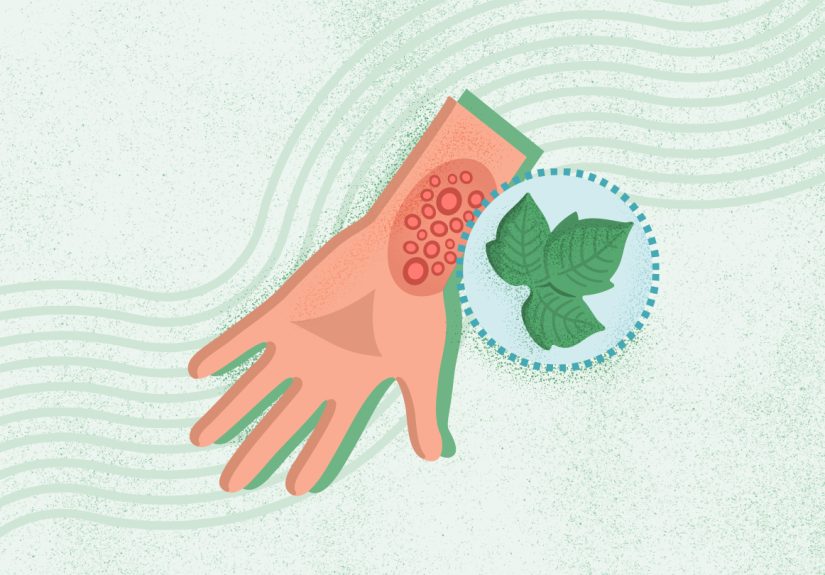
Poison ivy is a plant that contains urushiol, an oily resin that triggers allergic contact dermatitis in most people. Urushiol can stick to skin, clothes, shoes, tools, pet fur, and outdoor gear. That is why someone can develop a poison ivy rash without marching directly into a suspicious patch of leaves like a low-budget nature documentary extra.
Poison ivy is often remembered by the phrase “leaves of three, let it be,” but the real problem is not the leaves themselves. It is the oil. Once urushiol touches the skin, the immune system may react with itching, redness, swelling, and blisters.
The Most Common Poison Ivy Symptoms
The symptoms of poison ivy can range from mildly annoying to absolutely miserable. Some people get a small patch of itchy bumps. Others feel like their skin has joined a protest movement. The most common poison ivy symptoms include:
1. Intense itching
This is usually the headline act. The itch may begin before the rash fully appears, and it can be strong enough to distract you from work, sleep, or basic human dignity. Many people describe it as burning, prickling, or deeply irritating rather than a casual little itch.
2. Redness
The affected skin often turns red or pink, depending on skin tone. On darker skin, the rash may appear more violet, brownish, or inflamed rather than bright red. The area usually looks irritated and angry, which is fair, because your skin did not ask for this adventure.
3. Swelling
Poison ivy commonly causes swelling, especially in areas where the skin is thinner, such as the eyelids, face, hands, or genitals. Mild swelling is common. Significant swelling can mean the reaction is more severe and may need medical treatment.
4. Bumps or raised patches
Early on, the rash may look like small bumps, raised plaques, or slightly swollen lines. Some areas stay bumpy. Others move on to blisters. Poison ivy does not read a script, so the rash can look a little different from person to person.
5. Blisters
Fluid-filled blisters are one of the most recognizable poison ivy symptoms. They may be tiny or larger and can ooze if they break open. This tends to alarm people, but the fluid inside the blisters does not spread the rash. That is one of the oldest poison ivy myths in America, right up there with “just ignore it” and “I only touched it for a second.”
6. Streaky or linear rash patterns
Poison ivy often appears in lines or streaks where the plant brushed against the skin. That pattern is a big clue. If you walked through weeds in shorts and now have itchy red streaks on your legs, poison ivy just moved to the top of the suspect list.
7. Crusting and drying as it heals
As the rash improves, blisters may dry out, crust over, and begin to fade. The skin can look flaky or scaly before it fully clears. This does not necessarily mean it is infected. It often just means the rash is going through its dramatic final act.
When Do Poison Ivy Symptoms Start?
One reason poison ivy confuses people is timing. Symptoms do not always show up right away. In some people, the rash begins within a few hours. In others, it may take a day or several days to appear. If you have been exposed before, your immune system may react faster the next time.
Symptoms also do not always show up everywhere at once. One patch of skin may erupt first, while another area reacts later. That delayed appearance can make it seem like the rash is spreading on its own. In reality, the timing often reflects differences in how much urushiol touched each area, how thick the skin is, and how quickly each area absorbed the oil.
What Poison Ivy Symptoms Usually Feel Like Over Time
A typical poison ivy rash often follows a rough timeline:
Early stage
You notice itching, tingling, or burning. The skin may look slightly red or irritated. At this point, you may still be trying to convince yourself it is “probably nothing.” History suggests otherwise.
Peak stage
The rash becomes more obvious. Redness deepens, bumps form, swelling increases, and blisters may appear. For many people, this is the most uncomfortable part. Itching can be intense, and the rash may look much worse before it gets better.
Healing stage
The blisters dry, the skin crusts or flakes, and the itching gradually settles down. Most uncomplicated cases improve over one to three weeks, though severe cases can linger longer.
Where Poison Ivy Symptoms Commonly Show Up
Poison ivy can affect any skin that comes into contact with urushiol, but some spots are especially common:
- Hands and wrists after yard work or gardening
- Arms and legs after hiking or brushing against plants
- Ankles and calves from walking through tall grass
- Face and eyelids from touching the skin with contaminated hands
- Neck and torso from contaminated clothing
Symptoms on the face, around the eyes, or on the genitals are more likely to need medical attention because swelling can become pronounced and the skin in those areas is more sensitive.
What Makes Poison Ivy Symptoms Worse?
Several things can turn an already irritating rash into a full-scale nuisance:
Scratching
Yes, it feels amazing for half a second. No, it does not help. Scratching can break the skin, increase inflammation, and raise the risk of a secondary bacterial infection.
Delayed washing
The longer urushiol stays on the skin, the more chance it has to trigger a reaction. Washing soon after exposure may reduce the severity of symptoms.
Contaminated objects
Clothes, gloves, shoes, backpacks, tools, and pet fur can all carry urushiol. If these are not cleaned, you can keep getting exposed without realizing it.
Heat and sweating
Warm skin and sweat can make itching feel worse. They do not create the rash, but they can make you feel like your skin is auditioning for a disaster movie.
Poison Ivy Symptoms vs. Other Skin Problems
Not every itchy rash is poison ivy. Mosquito bites, eczema, heat rash, shingles, hives, and other forms of contact dermatitis can look similar. Poison ivy is more likely when:
- The rash is very itchy
- It appears after outdoor activity
- It has a streaky or linear pattern
- There are blisters or oozing patches
- The rash is limited to areas that likely touched the plant or contaminated objects
If you are unsure what caused your rash, especially if it is widespread or severe, medical evaluation is a smart move.
When Poison Ivy Symptoms Mean You Should Call a Doctor
Most poison ivy rashes can be managed at home, but some symptoms should not be ignored. Contact a healthcare professional if:
- The rash is on your face, eyes, mouth, or genitals
- You have significant swelling, especially around the eyes
- The rash covers a large area of the body
- You have trouble breathing or suspect you inhaled smoke from burning poison ivy
- You develop fever, pus, increasing pain, or signs of infection
- The rash is not improving after a couple of weeks
- You are not sure whether it is poison ivy at all
Severe reactions may require prescription treatments such as stronger topical steroids or oral corticosteroids. This is not the moment for heroic self-negotiation with a blistered eyelid.
How to Relieve Poison Ivy Symptoms
Once the rash appears, treatment focuses on reducing itching and helping the skin heal. Common symptom relief methods include:
Cool compresses
A cool, wet compress can calm inflamed skin and reduce the urge to scratch.
Colloidal oatmeal baths
These can be soothing for itchy skin and are a favorite for a reason. They are low drama and high comfort.
Calamine lotion or other skin protectants
These may help dry oozing areas and reduce itch.
Hydrocortisone cream for mild cases
Over-the-counter hydrocortisone may help some mild rashes, especially early on.
Oral antihistamines
These may help some people, especially at night if itching is keeping them awake. They are not a magic eraser for the rash itself, but they can make life more livable.
Gentle skin care
Keep the area clean, avoid harsh scrubbing, and trim fingernails to reduce skin damage from scratching.
Common Myths About Poison Ivy Symptoms
“The rash spreads because the blisters leak.”
False. The blister fluid does not spread poison ivy. New areas usually appear because those spots got different amounts of urushiol or reacted at different speeds.
“You can only get it from touching the plant directly.”
Also false. You can get exposed from contaminated clothing, tools, gloves, and pet fur.
“Dead poison ivy cannot bother you anymore.”
Unfortunately, urushiol can stay active on surfaces for a long time. Dead plants, old vines, and contaminated gear can still cause a rash.
“A little scratching is harmless.”
Scratching does not spread the rash, but it can injure the skin and make infection more likely.
How to Prevent Future Poison Ivy Symptoms
The best treatment is avoiding the rash in the first place. That means learning to recognize the plant, covering exposed skin when working outdoors, washing after possible exposure, and cleaning anything that may have touched urushiol. If your dog has been joyfully stampeding through brush like a furry ambassador of chaos, a bath might save your skin too.
Quick action matters. If you think you touched poison ivy, wash the exposed skin with soap and cool water as soon as possible, and clean under your nails. Then wash clothing, tools, and gear that may have picked up the oil.
Final Thoughts on Poison Ivy Symptoms
Poison ivy symptoms are usually classic once you know the pattern: intense itching, redness, swelling, bumps, blisters, and a rash that often appears in lines where the plant brushed the skin. The reaction may begin within hours or take several days, and it usually gets worse before it gets better. While most cases clear with time and simple care, some rashes need medical attention, especially when swelling is severe or sensitive body areas are involved.
The bottom line is simple. If a mystery rash shows up after outdoor exposure and it feels like your skin has declared war, poison ivy should be high on your list of suspects. Respect the oil, wash quickly, treat the itch, and try very hard not to turn “small rash” into “epic scratch regret.”
Experiences Related to Poison Ivy Symptoms
One of the most common real-life poison ivy experiences starts with someone saying, “I didn’t think I touched anything.” That is because poison ivy exposure is often sneaky. A person might spend an afternoon pulling weeds, tossing branches into a yard bag, or hiking along a trail edge. Everything seems normal until later that evening or the next day, when a small itchy patch appears on the wrist or ankle. At first it feels minor. Then, over the next 24 to 48 hours, the itching ramps up, the area turns red, and a line of tiny blisters suddenly makes the whole thing look far more suspicious.
Another very typical experience is delayed panic. Someone notices one rash on the forearm, then a second one on the leg the next day, and a third patch after that. Naturally, they assume the rash is spreading at lightning speed. In many cases, what actually happened is that different body areas had different amounts of urushiol on them, so they reacted on slightly different schedules. This delay makes poison ivy feel trickier than it really is. It is less like a rash teleporting around the body and more like several irritated skin zones filing complaints at different times.
Parents often describe poison ivy symptoms in kids as extra chaotic. A child might come inside after playing outside and seem fine, only to wake up scratching like crazy in the middle of the night. The rash may show up on the legs, arms, or even the face if little hands touched the skin after contact. What makes the experience harder is that children are usually not impressed by advice like “please do not scratch.” Once the itching starts, it can affect sleep, mood, school focus, and family sanity all at once.
Gardeners and hikers often talk about the “I forgot about the gloves” scenario. They may wash their hands but forget to clean gardening gloves, sleeves, shoes, or tools. A day or two later, they get what feels like a brand-new poison ivy rash after handling the same gear again. This experience surprises people, but it highlights how stubborn urushiol can be. The rash does not always come from the original outdoor moment. Sometimes it comes from the dirty rake in the garage or the jacket sleeve that never got washed.
Then there is the emotional journey of poison ivy symptoms, which usually goes like this: denial, annoyance, intense itching, bargaining, internet searching, and finally acceptance with calamine lotion. Many people say the worst part is not the appearance of the rash but the relentless itch, especially at night. That constant irritation can make even a small rash feel much bigger in daily life. The shared lesson from these experiences is simple: poison ivy symptoms are common, memorable, and often more dramatic than expected, but quick washing, calm skin care, and a little patience usually get people through it.