Table of Contents >> Show >> Hide
- What Is a Praying Mantis Floor Lamp?
- The Story Behind the Design
- Why the Praying Mantis Floor Lamp Became a Design Classic
- What It Looks Like in a Room
- How to Style a Praying Mantis Floor Lamp
- Is It Good for Reading?
- What to Know Before Buying One
- How to Care for a Praying Mantis Floor Lamp
- Who Should Buy a Praying Mantis Floor Lamp?
- Experience: Living With a Praying Mantis Floor Lamp
- Final Thoughts
If a regular floor lamp is the dependable friend who shows up on time, brings snacks, and never causes drama, the Praying Mantis floor lamp is the fascinating guest who walks in wearing black, says almost nothing, and somehow becomes the most interesting thing in the room. Slim, poised, and a little theatrical, this lamp has earned design-icon status because it does more than light a corner. It creates tension, movement, and personality.
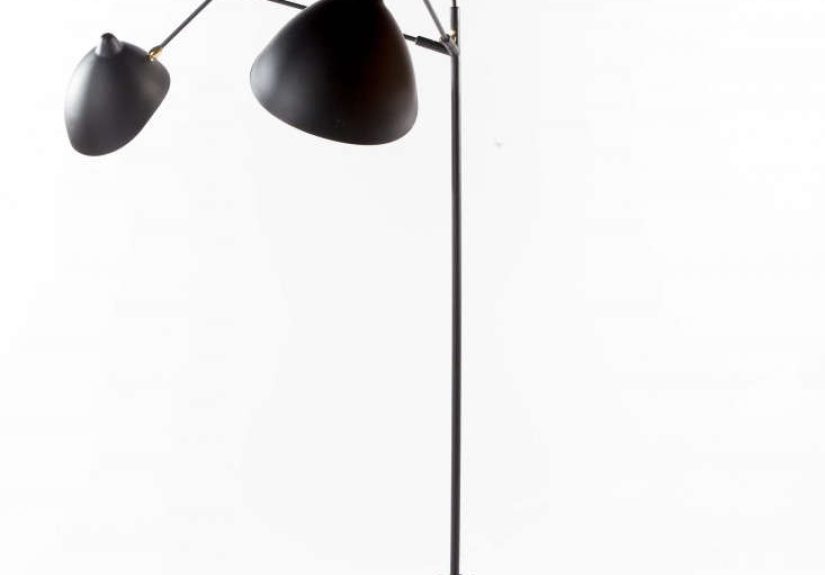
Most people who search for a Praying Mantis floor lamp are usually talking about the famous Mantis floor lamp created by Bernard Schottlander in 1951. Its name comes from the lamp’s insect-like stance: a delicate metal body, a slightly bent “neck,” and a shade that seems ready to hover, pivot, and pounce in the most elegant way possible. It is equal parts sculpture and task light, which is a fancy way of saying it looks brilliant even when it is turned off.
This article breaks down what makes the Praying Mantis floor lamp special, why designers keep returning to it, where it works best, and what to know before buying one. Then, because great design deserves more than a polite golf clap, we will also get into the real-world experience of living with one.
What Is a Praying Mantis Floor Lamp?
The term “Praying Mantis floor lamp” usually refers to the Mantis lighting collection, especially the floor versions that showcase the signature Schottlander silhouette. Designed in the early 1950s, the lamp combines a slender steel structure with an aluminum shade and a clever counterweight system that gives it an airy, almost gravity-defying feel.
That combination matters. Plenty of designer floor lamps are attractive. Fewer manage to look this light while still feeling engineered. The Mantis does not appear bulky, static, or overbuilt. Instead, it looks like a sketch that somehow stood up and decided to glow.
In practical terms, a Praying Mantis floor lamp is known for:
- A thin, sculptural frame that reads as delicate rather than heavy
- An adjustable head or arm that allows directed light
- A counterbalanced design that adds movement and flexibility
- A modern black finish in many current versions, though some vintage examples vary
- A strong fit with mid-century modern, minimalist, and design-forward interiors
The Story Behind the Design
To understand why this lamp still matters, it helps to know a little about the designer. Bernard Schottlander was not only a designer but also a sculptor and trained metalworker. That background shows up all over the Mantis. It is not merely decorated to look artistic. It is artistic because the structure, balance, and movement are the art.
The lamp was designed in 1951, a period when many iconic modern furnishings were being stripped down to their essentials. But Schottlander’s approach was different from a purely industrial one. He brought a sculptor’s eye to the mechanics. The result is a piece that feels precise and poetic at the same time.
Design references frequently connect the Mantis line to the influence of Alexander Calder, particularly Calder’s mobiles. That comparison makes sense. Like a mobile, the lamp plays with balance, asymmetry, and a sense of suspended motion. It seems almost impossible that something so thin can feel so stable. And yet there it is, calmly standing in your living room and making your other lamp choices feel a little underdressed.
Why the Praying Mantis Floor Lamp Became a Design Classic
1. It looks light, not loud
Some statement lighting announces itself with size. The Praying Mantis floor lamp does the opposite. Its drama comes from line, proportion, and posture. That means it can stand out without visually crowding a room. In a small space, that is gold. In a large space, it acts like a visual punctuation mark rather than a giant exclamation point.
2. It works as both sculpture and lighting
Many floor lamps are either functional or decorative. The Mantis lives comfortably in both categories. The adjustable shade and arm make it useful for reading and focused illumination, while the profile gives it the presence of a collectible object.
3. It fits several design styles
Although it is rooted in mid-century modern lighting, the lamp also works in minimalist homes, gallery-like interiors, industrial spaces, Japandi-inspired rooms, and even transitional rooms that need one sharply modern note. It has enough personality to define a corner but enough restraint to avoid taking over the whole room.
4. It creates visual movement
Interior design can go flat when every object is boxy, symmetrical, or grounded. The Praying Mantis floor lamp introduces a line that bends, leans, and reaches. That movement helps a room feel layered and alive.
What It Looks Like in a Room
The best way to think about this lamp is as a vertical drawing in space. It is usually around the height you would expect from a floor lamp, but it feels taller because of how little visual mass it carries. The thin legs or base structure keep the footprint light, and the curved stem draws the eye upward and outward.
That is why designers often use it in places where they want a lamp to do more than simply fill darkness:
- Beside a lounge chair in a reading corner
- Near a sofa where a table lamp would feel too predictable
- In a bedroom corner to add height and atmosphere
- In a minimalist office where every object has to earn its keep
- In open-plan interiors that need sculptural lighting without visual clutter
It is especially effective when floated slightly away from the wall instead of being shoved into a corner like it is grounded for bad behavior. Give it breathing room and the silhouette becomes part of the architecture of the room.
How to Style a Praying Mantis Floor Lamp
With mid-century modern furniture
This is the most obvious pairing, and for good reason. Walnut case goods, low-profile sofas, leather lounge chairs, and tapered-leg furniture all play nicely with the lamp’s 1950s pedigree. The look feels coherent without turning into a time capsule.
With minimalist interiors
In minimalist rooms, one sculptural item can do the emotional heavy lifting. The Praying Mantis floor lamp is perfect for that role. Its thin frame keeps the palette clean, while its shape prevents the room from feeling sterile. Think plaster walls, natural oak, neutral textiles, and one lamp that quietly steals the scene.
With Japandi or warm modern decor
Because the lamp is airy and balanced, it pairs beautifully with warm woods, soft linen, matte finishes, and edited styling. If your room leans calm, tactile, and uncluttered, this lamp will fit right in while adding a subtle graphic edge.
With art-forward spaces
If your home includes abstract art, ceramics, and furniture with strong form, the lamp reads like part of the collection. It does not compete with art on the wall. It acts like a piece of linework that happens to emit light.
Is It Good for Reading?
Yes, but with a small asterisk and a designer smirk.
The Praying Mantis floor lamp can be excellent for reading because many versions have an adjustable shade and movable arm or stem, making it easier to direct light where you need it. That flexibility is one of the lamp’s strongest practical advantages. It is not just posing for the camera.
However, it is typically better as task lighting or layered lighting than as the sole light source in a room. In other words, it is wonderful next to a chair, by a sofa, or in a reading nook, but you probably should not expect one Mantis lamp to light your entire living room like a small sun.
For the best results, pair it with ambient lighting from overhead fixtures, sconces, or a nearby table lamp. Layered lighting almost always creates a more comfortable, more flattering room anyway. One overhead light alone can make a room feel like an interrogation scene. Nobody wants to read a novel in that mood.
What to Know Before Buying One
Pay attention to the exact model
The Mantis family includes several versions, including floor, wall, and table lamps. Even among the floor models, dimensions and adjustability can vary. If you are shopping online, do not assume every Mantis lamp is identical just because the silhouette is similar.
Check the scale in your room
This lamp has a light visual footprint, but that does not mean it belongs everywhere. Measure the height of your seating, nearby tables, and ceiling line. The lamp works best when the shade lands in a useful position relative to the chair or sofa it is serving.
Think about function, not just beauty
Ask yourself what the lamp is supposed to do. Is it primarily a sculptural accent? A reading lamp? A bedroom corner light? A design splurge you have wanted for years and are finally ready to justify with suspiciously confident logic? The answer will help determine where you place it and which model makes the most sense.
Expect premium pricing
This is not a bargain-bin lamp pretending to have heritage. Authentic reissues and collectible examples generally sit in the premium designer-lighting category. You are paying for design history, construction, and iconic status as much as for illumination.
Look at materials and finish
One reason the lamp ages well visually is the material mix. Painted steel and aluminum keep the shape crisp and understated. The standard darker finish works in a wide range of interiors and tends to emphasize the lamp’s silhouette beautifully.
How to Care for a Praying Mantis Floor Lamp
Thankfully, caring for one is much easier than caring for an actual praying mantis, which would be a deeply different article.
- Dust it regularly with a soft, dry cloth so the slim frame stays crisp and clean
- Avoid harsh cleaners that could damage painted metal finishes
- Wipe the shade gently and avoid pressing too hard on delicate joints or moving parts
- Check the manufacturer’s bulb recommendations before replacing the light source
- Make adjustments carefully rather than forcing the arm or shade into position
Because the beauty of the lamp lies in its precise balance and elegant proportions, gentle handling matters. It is sturdy enough for everyday life, but it still deserves a little respect.
Who Should Buy a Praying Mantis Floor Lamp?
This lamp makes the most sense for people who want at least one home object to feel memorable. If you prefer purely invisible furnishings, a basic pharmacy lamp may be more your speed. But if you like design that brings character, movement, and conversation to a room, the Praying Mantis floor lamp is a smart investment.
It is especially well suited to:
- Fans of iconic mid-century modern design
- Homeowners building a warm minimalist or modern interior
- Readers who want directional light without a clunky profile
- Collectors who appreciate design history and reissued classics
- Anyone whose room needs one sculptural, high-impact object
Experience: Living With a Praying Mantis Floor Lamp
Living with a Praying Mantis floor lamp is a little like living with a very elegant houseguest who never eats your snacks and always knows where the good light is. On day one, you notice the shape. On day ten, you notice the mood it creates. And after a few months, you realize it has quietly changed how the entire room feels.
The first surprise is how little space it seems to take up. Technically, yes, it is a floor lamp, and yes, it occupies real square footage. But visually, it behaves more like a line drawing than a chunk of furniture. In a room with a sofa, coffee table, shelves, and the usual parade of life’s objects, the lamp does not pile on more heaviness. It adds height, direction, and tension. That makes the room feel more designed, even when the rest of your life is doing its best to look undecorated.
The second surprise is how often you adjust it. Many decorative lamps are chosen, placed, and then emotionally retired. The Mantis is different. Because the head and structure are designed to direct light, you actually use the flexibility. One evening it is aimed toward a chair for reading. The next morning it is slightly shifted to brighten a dark corner. Later, it becomes part accent light, part sculpture, part proof that you do in fact have taste.
There is also a particular satisfaction in how it changes with the time of day. In daylight, the Praying Mantis floor lamp reads as an object of pure form. Its thin frame and angled shade create a graphic silhouette that looks fantastic against pale walls, wood paneling, or even a busy bookshelf. At night, the lamp softens. The sculptural lines remain, but now they carry a warm pool of light. It stops being just a beautiful object and becomes part of the room’s atmosphere.
Another real-life advantage is that the lamp helps a room feel intentional. That sounds vague until you experience it. Some rooms are furnished but not resolved. They have enough pieces, yet something still feels flat. A lamp like this can solve that problem because it introduces contrast: thin against chunky, curved against square, poised against relaxed. Suddenly the room has rhythm.
Of course, living with a designer lamp also changes your standards a little. Once you get used to a piece that is both functional and sculptural, generic lighting starts to look sleepy. You begin to notice clumsy bases, awkward shades, and lamps that appear to have been designed by committee. The Mantis spoils you, politely but thoroughly.
Most of all, the experience is emotional rather than purely practical. Yes, it provides focused light. Yes, it works in a reading nook, living room, or bedroom corner. But what you really get is a daily reminder that utility can still be graceful. The Praying Mantis floor lamp does not scream for attention. It simply stands there, balanced and composed, making the room feel smarter. That is a pretty good trick for a lamp.
Final Thoughts
The Praying Mantis floor lamp remains relevant because it solves two problems at once: it provides useful light, and it gives a room visual intelligence. Bernard Schottlander’s original idea still feels fresh because it was never based on trends. It was based on movement, balance, proportion, and a fearless belief that functional objects can also be beautiful.
If you want a sculptural floor lamp that fits modern interiors, honors design history, and still earns its place in everyday life, the Mantis is more than worthy of consideration. It is one of those rare pieces that manages to feel refined, useful, and memorable all at once. Not bad for something inspired by an insect that looks like it knows secrets.