Table of Contents >> Show >> Hide
- Why vaccines matter more as you age (and why they can feel different)
- The “core set” of vaccines older adults commonly need
- Flu vaccine: what to expect (and which one is best for 65+)
- COVID-19 vaccines: what’s different for older adults now
- RSV vaccine: the newer “respiratory season” tool for older adults
- Shingles vaccine (Shingrix): what to expect from the two-dose “nope” to shingles
- Pneumococcal (“pneumonia”) vaccines: what’s new and what older adults should ask
- Don’t forget these “supporting cast” vaccines
- What to expect after a vaccine appointment (the realistic version)
- How to build a vaccine plan without losing your mind
- Cost and access: what many older adults can expect (especially with Medicare)
- FAQ: quick answers older adults actually ask
- Conclusion: staying up to date is a power move
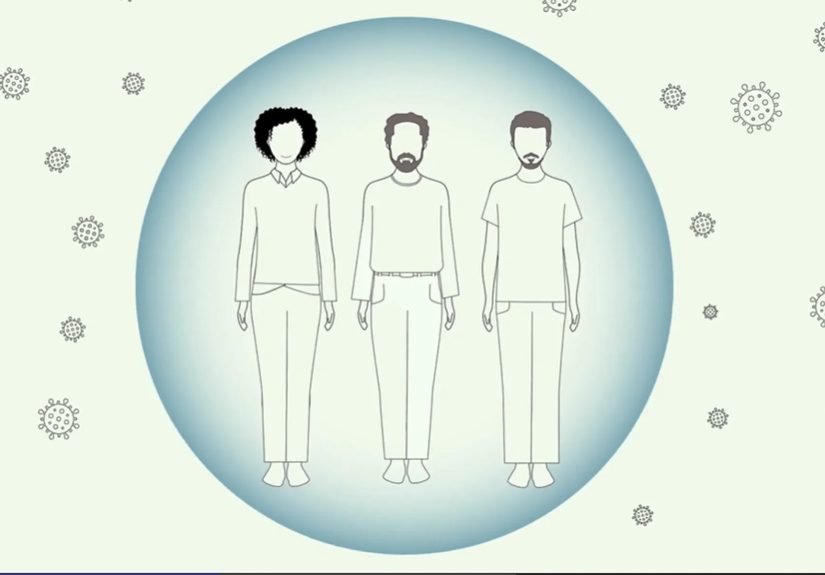
(English: What you can expect with vaccines for older adults.)
If you’re an older adult (or you love one), vaccines can feel like a never-ending group chat: flu shot, COVID shot,
shingles shot, pneumonia shot… and now RSV has joined the conversation. The good news is that this “chat” is mostly
about staying out of the hospital, keeping your independence, and protecting the plans you actually care about
(grandkids, travel, gardening, Sunday brunchpick your joy).
This guide breaks down what vaccines for older adults typically involve, what side effects are normal, how to time
everything without turning your calendar into a pharmacy receipt, and what to ask your clinician so you leave with
confidencenot confusion.
Why vaccines matter more as you age (and why they can feel different)
Aging changes your immune system. It’s not “broken”it’s just a little less quick on the draw. That’s one reason
older adults are more likely to have complications from respiratory infections like flu, COVID-19, and RSV. It’s
also why some vaccines are designed specifically for people 65+ (think higher-dose or adjuvanted flu shots).
Another factor: many older adults manage chronic conditions (heart disease, diabetes, COPD/asthma, kidney disease),
and infections can push those conditions from “stable” to “ER visit” fast. Vaccines reduce the odds of severe illness,
hospitalization, and long recovery periods that can steal strength and mobility.
The “core set” of vaccines older adults commonly need
Not everyone needs every vaccine on the same day. But most older adults will hear about these five categories:
- Flu (influenza): yearlyideally before flu really ramps up.
- COVID-19: updated formulas change by season; recommendations depend on age and risk.
- RSV: a newer routine vaccine for older adults, aimed at preventing severe lower-respiratory disease.
- Shingles: a two-dose series (because shingles does not play nice).
- Pneumococcal (“pneumonia”) vaccines: protects against serious pneumococcal infections, including pneumonia.
Then there are “supporting cast” vaccinesTdap/Td boosters, hepatitis vaccines, and travel vaccinesbased on your
health history, lifestyle, and plans.
Flu vaccine: what to expect (and which one is best for 65+)
Why it’s a big deal
Flu seasons vary, but older adults carry a large share of severe flu outcomes. That’s why health authorities put
flu vaccination in the “don’t skip it” category for seniors.
Which flu shot should older adults get?
If you’re 65 or older, the CDC/ACIP prefer higher-dose, adjuvanted, or
recombinant flu vaccines over standard-dose unadjuvanted options when they’re available. Translation:
your immune system may need a louder doorbell.
Timing tips that actually work
- September and October are generally good months for most people.
- Aim for the end of October if you can, so protection is strong when flu peaks.
- If you miss that window, it’s still worth getting vaccinated laterflu season can stretch on.
Side effects
Most people get mild effects: a sore arm, fatigue, maybe a low fever or aches for a day or two. Think of it as your
immune system doing a quick practice drill, not running a marathon.
COVID-19 vaccines: what’s different for older adults now
COVID-19 vaccine guidance has shifted from a one-size-fits-all approach to a more individualized model that weighs
age, health risk, and the reality that protection can wane over time.
What older adults should expect in a typical season
Seasonal COVID-19 vaccines are updated to better match circulating variants. For the 2025–2026 formula, the FDA
advised manufacturers to use a monovalent JN.1-lineage composition (with a preference for an LP.8.1 strain)
to more closely match circulating virus.
How many doses might a 65+ adult need?
Under CDC’s 2025–2026 schedule, adults 65 years and older may be guided toward a
two-dose season plan (typically separated by about six months) depending on the current recommendations
and your situation. Your clinician can help match the schedule to your vaccine history and health profile.
If you recently had COVID-19, you may choose to delay vaccination for about 3 months after infection
(timing can vary by individual factors).
Common side effects
The usual lineup: arm pain/swelling, tiredness, headache, muscle/joint aches, chills, fever, or nausea. These are
usually short-lived. If you feel run-down for a day, plan a low-key schedulethis is a great time to “doctor’s orders”
yourself into a nap.
RSV vaccine: the newer “respiratory season” tool for older adults
RSV (respiratory syncytial virus) is often mild, but in older adults it can cause serious lower-respiratory illness,
pneumonia, and hospitalizationespecially with certain chronic conditions or frailty.
Who should consider RSV vaccination?
CDC guidance recommends a single dose of an FDA-licensed RSV vaccine for:
- All adults ages 75 and older
- Adults ages 50–74 who are at increased risk of severe RSV
Is it annual like the flu shot?
Not at this time. RSV vaccination for older adults is currently framed as a one-dose approach rather
than an every-year routine (guidance can evolve as more data becomes available).
Can RSV vaccine be given with flu or COVID shots?
Coadministration may be possible, but your clinician may individualize the plan. Some people prefer spacing shots
a week or two apart so it’s easier to tell which vaccine caused which side effect (and so they don’t have a “triple
sore arm weekend”).
Side effects and safety notes
Common side effects include soreness, fatigue, fever, headache, nausea, and muscle/joint paintypically mild.
As with any vaccine, rare serious adverse events have been monitored; ask your clinician how your personal history
affects your choice.
Shingles vaccine (Shingrix): what to expect from the two-dose “nope” to shingles
Shingles is caused by the same virus as chickenpox. The virus can “sleep” in your body for years and reactivate later.
Shingles can lead to long-lasting nerve pain (postherpetic neuralgia), which is a very un-fun souvenir.
Who should get Shingrix?
Healthy adults 50 and older are generally recommended to get two doses of Shingrix.
Even if you’ve had shingles beforeor you got an older shingles vaccine years agoShingrix may still be recommended.
Dose timing
Two doses, typically 2–6 months apart. If your schedule is packed, book dose #2 right when you get dose #1.
Future You will be grateful.
Side effects
Shingrix is famous for being effective and… occasionally dramatic. Many people feel arm soreness and fatigue; some feel
achy or feverish for a day or two. It’s usually temporary and manageable, but it’s smart to avoid planning a major
home-renovation demo the next morning.
Pneumococcal (“pneumonia”) vaccines: what’s new and what older adults should ask
Pneumococcal disease can cause pneumonia, bloodstream infections, and meningitis. Protection matters because respiratory
infections hit harder with age and chronic disease.
Who needs pneumococcal vaccination?
CDC guidance recommends pneumococcal vaccination for all adults 50 and older (and younger adults with
certain risk factors).
What does the series look like?
The exact product depends on your vaccine history and health conditions, but common pathways include:
- One dose of PCV20 or PCV21 (for many adults, this completes pneumococcal vaccination)
- PCV15 followed by PPSV23 (often with about a year between doses)
If you’ve had pneumococcal vaccines in the past (for example, PCV13 and/or PPSV23), you may or may not need additional
doses now. This is a perfect “bring your vaccine record and let’s decode it together” appointment.
Don’t forget these “supporting cast” vaccines
Tdap/Td boosters
Adults generally need a Tdap or Td booster every 10 years. If you’re around infants, staying up to date
on pertussis protection (the “p” in Tdap) matters even more.
Hepatitis B (and sometimes Hepatitis A)
Hepatitis B vaccination can be recommended based on age, risk factors, and lifestyle (for example, diabetes,
chronic liver disease, certain living situations, or exposure risks). Your clinician can quickly screen whether
you should add it to your list.
MMR, varicella, and travel vaccines
Most older adults are already immune to measles and chickenpox, but not all. Travel, outbreaks, and immune suppression
can change what’s recommended. If international travel is on the horizon, start planning vaccines at least a month
ahead when possible.
What to expect after a vaccine appointment (the realistic version)
Normal reactions
- Local: sore arm, redness, mild swelling
- Systemic: fatigue, headache, low fever, chills, body aches
Simple ways to feel better
- Move your arm gently and use a cool compress for soreness.
- Hydrate and take it easy the next day if you feel worn out.
- Ask your clinician about pain relieversmany advise not taking them before vaccination just to prevent symptoms.
When to call a clinician
Seek medical advice if side effects are severe, worrisome, or not improving after a couple of days, or if you have
symptoms of a serious allergic reaction. Your clinician can also advise on what’s “expected” for you based on your
health conditions and medications.
How to build a vaccine plan without losing your mind
A good plan is less about doing everything at once and more about doing the right things at the right time.
Here’s a practical approach:
- Start with your annual visit: ask for an adult immunization review (bring your records if you have them).
- Pick your seasonal anchors: flu (early fall) and COVID (per current schedule) often set the rhythm.
- Add RSV once if you’re eligible (especially 75+ or 50–74 with higher risk).
- Schedule Shingrix dose #2 immediately after dose #1 so it doesn’t get lost in life.
- Sort pneumococcal details with your clinicianyour prior vaccine history matters.
Example: A 72-year-old with diabetes and heart disease might prioritize (1) a higher-dose/adjuvanted flu shot in early fall,
(2) a seasonal COVID shot plan, (3) RSV vaccination because of higher-risk status, and (4) pneumococcal vaccination if not up to date,
then fit Shingrix around those dates when the schedule is calm.
Cost and access: what many older adults can expect (especially with Medicare)
In the U.S., older adults can often get vaccinated at a doctor’s office, pharmacy, public health clinic, or community
vaccination event. Pharmacies are popular because they’re convenient and often handle insurance billing on the spot.
Medicare basics (high level)
- Part B commonly covers certain preventive vaccines (like flu, pneumococcal, COVID-19, and hepatitis B for some people).
- Part D covers many other adult vaccines recommended by ACIP (including shingles, Tdap, and RSV), often with $0 out-of-pocket cost for recommended vaccines.
Coverage details can vary by plan and setting, so it’s still worth asking at the pharmacy counter before your shot:
“Is my cost zero today?”a sentence that belongs in the Vaccine Hall of Fame.
FAQ: quick answers older adults actually ask
“Can I get multiple vaccines in the same visit?”
Often, yes. But spacing can be reasonable if you’re worried about feeling crummy afterward or want to pinpoint which
vaccine caused which side effect. Ask what your clinician recommends for your health situation.
“I’m healthydo I really need these?”
Being healthy is exactly why vaccines help: they’re a prevention tool that keeps you healthy. Age alone can increase
risk from respiratory infections and shingles.
“What if I’m on blood thinners?”
Many people on anticoagulants still receive vaccines safely, but it’s important to tell your clinician so they can
use best practices (like applying firm pressure afterward).
“What if I had a bad reaction in the past?”
Tell your clinician exactly what happened, when it happened, and which vaccine it was. That history guides safer choices.
Conclusion: staying up to date is a power move
With vaccines, older adults can generally expect three things: (1) clearer seasonal routines (flu and COVID),
(2) strong protection from “one-and-done” or “series” vaccines (RSV, pneumococcal options, shingles), and (3) a short
window of mild side effects that beats the alternative by a mile.
The best strategy is simple: review your vaccine status once a year, plan ahead for fall respiratory season, and ask
your clinician to tailor recommendations to your age, conditions, and lifestyle. Vaccines won’t stop you from living
your life. They help you keep living it.
Experiences from the real world (about )
If you ask older adults what vaccines feel like in real life, the answers are refreshingly practical. Many describe
vaccination as “maintenance,” like changing the oil in a car you plan to keep driving for a long time. One 68-year-old
grandparent might say the flu shot is “no big deal,” but they schedule it on a Friday anywayjust in case Saturday
turns into an unplanned pajama day. Another person, 74 and newly retired, treats vaccine days like a mini self-care
ritual: pharmacy visit, a bottle of water, a comfy meal, and permission to do absolutely nothing strenuous afterward.
Shingles vaccine stories are often the most dramaticusually said with a laugh and a warning. People who’ve had shingles
tend to be the strongest advocates for Shingrix. They’ll tell you the vaccine knocked them out for a day, but shingles
knocked them out for weeks, and the nerve pain lingered even longer. Caregivers sometimes share how shingles disrupted
sleep, appetite, mood, and mobility for their loved one. In that context, a day of fatigue after Shingrix becomes an
easy trade.
RSV vaccination experiences often come from people who’ve watched RSV hit a friend or spouse hard. Older adults with
COPD, heart disease, or diabetes sometimes describe a respiratory infection as the moment everything snowballs: breathing
gets harder, energy drops, and recovering strength takes time. Those experiences shape how they think about prevention.
Many say the decision became easier once their clinician framed RSV vaccination as “reducing the chance you end up in
the hospital during respiratory season,” not as “one more shot to keep track of.”
COVID-19 vaccine experiences vary, but a common theme is planning around the day-after feeling. Some people report
a sore arm and fatigue that’s gone within 24–48 hours. Others feel achy and prefer to keep the next day light.
A practical tip that comes up a lot: don’t schedule your vaccine the day before a flight, a wedding, or a big family
eventgive yourself breathing room. People who recently had COVID sometimes ask about timing; many feel reassured when
their clinician explains how waiting a bit after infection can be reasonable depending on current guidance and personal risk.
The most consistent “experience” isn’t about side effectsit’s about relief. Older adults and caregivers often describe
the peace of mind that comes from having a plan: knowing which vaccines matter most, when to get them, and how to pay
for them. It turns vaccination from a confusing checklist into something it should be: a straightforward step toward
staying independent, active, and fully yourself.