Table of Contents >> Show >> Hide
- Why Ballpoint Pen Works So Well for Realism
- What Makes Ballpoint Pen Realism Different From Pencil or Traditional Ink
- Core Techniques for Realistic Ballpoint Pen Drawings
- Best Materials for Ballpoint Pen Art
- Subjects That Look Amazing in Ballpoint Pen
- Lessons From Artists Who Use Ballpoint Pen Brilliantly
- How to Start a Realistic Ballpoint Pen Drawing
- Common Mistakes to Avoid
- The Experience of Drawing Realism With a Ballpoint Pen
- Conclusion
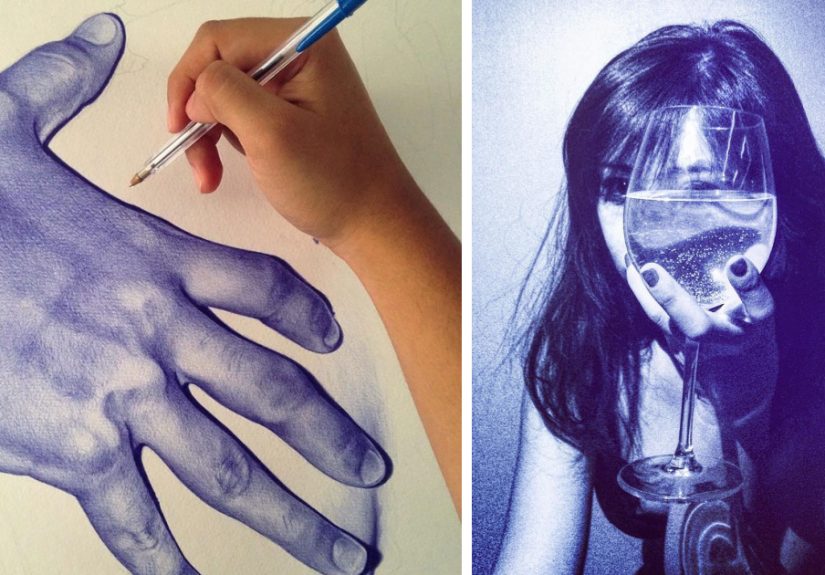
There is something wonderfully sneaky about realistic drawings with a ballpoint pen. A tool designed for grocery lists, awkward signatures, and accidental pocket leaks somehow becomes a precision instrument for portraits, textures, dramatic shadows, and enough tiny details to make your eyeballs file a formal complaint. That contrast is part of the charm. Ballpoint pen art feels impressive because it takes an everyday object and pushes it far beyond “Please initial here.”
But this style is not magic, and it is definitely not random scribbling that accidentally became photorealism. Realistic ballpoint pen drawing depends on patient layering, careful value control, strong observation, and a healthy respect for the simple fact that ink does not erase politely. Artists who work in ballpoint know that every line matters. The result can be astonishing: skin that looks soft, hair that looks touchable, metal that seems reflective, and eyes that appear one blink away from judging your life choices.
If you have ever wondered why realistic drawings with a ballpoint pen look so intense, so clean, and so oddly mesmerizing, you are in the right place. Let’s break down what makes this medium special, which techniques matter most, what materials help, and why so many artists keep choosing the humble ballpoint over flashier supplies.
Why Ballpoint Pen Works So Well for Realism
At first glance, ballpoint pens do not seem like obvious fine-art heroes. They are cheap, common, portable, and usually hanging out in junk drawers next to expired coupons. Yet those exact qualities are part of their power. A ballpoint pen uses a thick, viscous ink that does not flow or bleed as aggressively as many other pen types. That gives artists more control over line weight, texture, and gradual value shifts.
For realism, control is everything. Realistic drawing is basically a long-running negotiation between light and dark. A ballpoint pen allows artists to build tones slowly with feather-light pressure, repeated passes, and carefully spaced marks. Instead of dropping a giant dramatic black shape too early and regretting it forever, the artist can nudge the image darker bit by bit. That slow build is perfect for creating skin, fabric folds, hair strands, reflections, and all the tiny transitions that make a drawing feel alive.
Ballpoint pens are also approachable. You do not need an expensive studio setup, a velvet cape, or a cabinet full of mysterious tools. A pen, good paper, and patience can take you surprisingly far. That accessibility has helped make ballpoint realism popular with beginners, hobbyists, and highly skilled artists alike.
What Makes Ballpoint Pen Realism Different From Pencil or Traditional Ink
The No-Eraser Drama
Pencil is forgiving. Ballpoint pen is not. That changes the artist’s mindset immediately. With pencil, you can sketch loosely, erase heavily, and pretend your earlier bad decisions never happened. Ballpoint pen records everything. Even the “just testing something” line may decide to stay forever.
This sounds terrifying, and honestly, a little fear is part of the medium’s personality. But it also sharpens discipline. Artists working in ballpoint usually plan more carefully, commit more deliberately, and pay closer attention to proportion, edges, and values. The medium encourages confidence, even when the artist is quietly panicking on the inside.
Line Becomes Value
Unlike paint, ballpoint pen does not usually create soft tonal fields all at once. Instead, it builds images through line. Hatching, cross-hatching, stippling, and layered strokes create the illusion of volume. A realistic ballpoint drawing may look smooth from a distance, but up close it often reveals a forest of carefully placed marks doing all the hard labor.
That is one reason these drawings are so satisfying to study. They reward both the big picture and the microscopic view. From across the room, you see a face. Up close, you see thousands of decisions.
The Monochrome Advantage
Many realistic ballpoint drawings are made with blue or black ink. That limited palette can actually strengthen the image. Without color stealing the spotlight, value, contrast, texture, and form take center stage. Blue ink, in particular, gives realistic drawings a cool, photographic mood that feels both nostalgic and modern.
Some artists also use multiple colored ballpoint pens, layering hues to create incredibly rich portraits. Still, even one blue pen can produce a surprising amount of depth when the values are handled well.
Core Techniques for Realistic Ballpoint Pen Drawings
Pressure Control
If ballpoint pen art had a secret handshake, it would be pressure control. Press lightly and the mark stays pale and delicate. Press harder and the line grows darker and more assertive. That range allows artists to build subtle transitions without switching tools.
Beginners often press too hard too soon. That is the classic mistake. In ballpoint realism, it is smarter to begin embarrassingly light. Think whisper, not shout. Darks can be built in layers. A heavy mark dropped in the wrong place, however, tends to become a permanent member of the composition.
Hatching and Cross-Hatching
These are the workhorses of pen realism. Hatching uses lines that generally move in the same direction. Cross-hatching adds additional layers of lines at different angles to deepen shadows and strengthen form. When done well, these techniques create convincing volume without making the drawing look stiff.
The best hatching is not just about filling space. It follows structure. Lines can curve around cheeks, wrap around fingers, or drift with the fold of fabric. That is how flat paper starts pretending it has three-dimensional form. Sneaky, effective, and very satisfying.
Stippling and Texture Building
Stippling uses dots to create value, texture, and softness. It can be slow enough to make time feel theoretical, but it is useful for skin, porous surfaces, atmospheric transitions, and sections where lines might look too harsh. Many artists also mix stippling with hatching to avoid a mechanical look.
Texture in realistic ballpoint drawing often comes from variation. Hair may use directional strokes. Skin may use soft layered lines. Metal may rely on sharp contrast and cleaner edges. Fabric may mix long hatching patterns with deeper folds. The medium stays the same, but the mark-making changes with the subject.
Highlights and Restraint
Because ink is additive, the brightest highlights usually come from untouched paper. That means artists must protect those light areas from the beginning. Realism is not only about what you draw. It is also about what you deliberately leave alone.
This is why ballpoint artists often work from light to dark. They establish the map, preserve highlights, then slowly expand the midtones and shadows. It is less glamorous than flinging paint around, but it produces incredibly refined results.
Best Materials for Ballpoint Pen Art
Good technique matters most, but materials still help. Smooth paper is a favorite for realistic ballpoint pen drawings because it supports fine detail and clean linework. Bristol smooth is especially popular. It has little tooth, which makes it easier to draw controlled marks, tiny textures, and crisp edges without the pen fighting the surface.
As for pens, artists often choose reliable everyday ballpoints with consistent ink flow. A fine or medium point usually gives enough control for detailed work, though preferences vary. Some artists keep several identical pens around because one may behave slightly differently than another, and ballpoint artists are nothing if not loyal to their favorites.
A few practical extras also make life easier: scrap paper under your drawing hand to reduce smudging, a basic graphite underdrawing if you want help with proportions, and decent reference images if you are aiming for realism. Ballpoint pen may be humble, but it appreciates preparation.
One more smart note: ballpoint ink is often better for sketchbooks, studies, and indoor display than for archival ambitions under strong light. In other words, it is amazing for making art, but not always the diva of long-term lightfastness.
Subjects That Look Amazing in Ballpoint Pen
Portraits are the undisputed superstars of realistic ballpoint pen art. The medium handles eyelashes, pores, lip texture, eyebrows, and catchlights in the eyes with incredible precision. Artists who understand values can make a face look almost photographic without losing the handmade feel.
Animals also work beautifully. Fur, whiskers, feathers, and glossy eyes all respond well to layered linework. Ballpoint pen is excellent at controlled repetition, which is exactly what many textures need.
Then there are the sneaky show-offs: glass, chrome, jewelry, water droplets, wrinkled fabric, old hands, weathered skin, and architectural details. Anything with sharp contrast, interesting texture, or subtle transitions can become a perfect subject. If it has light, shadow, and attitude, a ballpoint pen can probably handle it.
Lessons From Artists Who Use Ballpoint Pen Brilliantly
Contemporary ballpoint artists have shown again and again that realistic work does not require expensive materials. Some create luminous blue-ink portraits that feel like photographs with a pulse. Others build skin texture with feather-light strokes so delicate they almost disappear until the whole face suddenly clicks into place. Still others use colored pens to create layered, near-surreal realism with astonishing depth.
What these artists tend to share is not a single style but a common mindset: patience, observation, and respect for line. Some lean heavily on cross-hatching. Some favor smoother layering. Some create emotional portraiture, while others turn ordinary people into epic visual events. The big lesson is simple: the magic is not in the pen itself. The magic is in how stubbornly, intelligently, and carefully the artist uses it.
How to Start a Realistic Ballpoint Pen Drawing
1. Choose a Strong Reference
Pick a photo with clear lighting, visible planes, and enough contrast to guide your values. Muddy lighting creates muddy drawings. Your pen deserves better.
2. Sketch the Big Shapes First
Map proportions lightly. Focus on placement, angles, and major forms before chasing eyelashes like an overexcited detective.
3. Build Light Values Slowly
Start with gentle passes. Establish the overall structure of light and shadow without committing to the darkest darks immediately.
4. Deepen Midtones and Shadows
Layer hatching and cross-hatching where needed. Let the lines follow the form so the subject feels solid, not sticker-like.
5. Save the Sharpest Darks for Late Stages
Once the drawing is stable, push the deepest accents into pupils, nostrils, cast shadows, hair pockets, and other high-contrast areas.
6. Refine Edges and Texture
Soft edges help round forms. Crisp edges pull attention. Texture should support realism, not turn every inch of paper into a panic attack.
Common Mistakes to Avoid
- Going dark too early: the fastest way to paint yourself into an inky corner.
- Outlining everything: realism usually depends more on values than on cartoon-style borders.
- Ignoring paper quality: rough paper can fight detail and create inconsistent marks.
- Using one texture everywhere: skin, metal, hair, and cloth should not all look like they came from the same planet.
- Forgetting highlights: once the paper is filled, that bright sparkle is gone.
- Rushing: ballpoint realism is not a sprint; it is a marathon in which the lines keep asking whether you really meant that.
The Experience of Drawing Realism With a Ballpoint Pen
There is a very particular feeling that comes with making realistic drawings with a ballpoint pen, and it is hard to understand until you sit down and actually do it. At first, the experience feels almost too ordinary. You pick up a pen that looks like it belongs in a bank lobby, place it on paper, and think, “Surely this cannot become art.” Then ten minutes later, you realize the pen is quietly proving you wrong.
The early stage is often all patience and restraint. You are not making dramatic marks. You are barely making marks at all. You are nudging shapes into place, checking proportions, and trying not to panic because everything still looks a little ghostly. Ballpoint drawing teaches delayed gratification in a very direct way. For a while, the drawing feels unimpressive. Then the layers begin to accumulate, and suddenly the nose has structure, the cheek turns in space, and the eye develops that tiny highlight that makes the whole face wake up.
There is also a strange intimacy to the process. Because the medium depends on repeated small decisions, you spend a long time looking at one area. You really study the curve of an eyelid, the softness of a shadow under the lip, the way hair changes direction near the temple, or the tiny wrinkles in a knuckle. The act of drawing becomes an act of noticing. You stop seeing “an eye” and start seeing reflections, edges, moisture, lashes, and planes. It is less like copying and more like translating reality into a language of marks.
Of course, the experience is not always serene. Sometimes the pen blobs. Sometimes your hand smudges a passage you were proud of two minutes ago. Sometimes you realize you have lovingly rendered an ear in absolutely the wrong place. Ballpoint pen has a dry sense of humor. It rewards focus, but it also punishes overconfidence with almost comedic efficiency.
And yet, that challenge is exactly why the medium becomes addictive. Every successful section feels earned. A smooth gradient is not luck. A realistic eye is not an accident. A convincing portrait built from blue lines feels like a minor miracle you assembled one patient choice at a time. By the end of a good drawing session, your hand may be tired, your posture may be suspicious, and your respect for simple pens may have increased dramatically. But you also get the satisfaction of knowing that something remarkably detailed came from discipline rather than flashy materials.
That is the emotional core of ballpoint realism. It feels honest. It feels direct. It feels a little stubborn. And when the drawing finally clicks, it is incredibly rewarding because the medium never lets you fake it for long.
Conclusion
Realistic drawings with a ballpoint pen are impressive for a very simple reason: they turn restraint into spectacle. The artist builds form through line, value, pressure, and patience rather than shortcuts. What looks effortless on the finished page is usually the result of slow observation, careful layering, and many tiny choices made well.
That is what makes ballpoint pen art so appealing to both viewers and artists. It is accessible, challenging, expressive, and surprisingly versatile. A common pen can create portraits with emotional depth, textures with incredible realism, and images that feel both polished and intensely personal. Not bad for something that also signs delivery receipts.
If you want to explore a medium that rewards control, sharpens observation, and produces eye-catching results, ballpoint pen drawing deserves serious attention. Just start lightly, respect your highlights, and try not to declare war on your paper during the first ten minutes.