Table of Contents >> Show >> Hide
- What Is Sangria (And What It’s Not)
- Classic Red Sangria Recipe (The One You’ll Make on Repeat)
- The “Perfect Sangria” Formula (So You Can Wing It Confidently)
- Best Wine for Sangria (Delicious, Not Precious)
- Best Fruit for Sangria (And How to Prep It)
- How Long Should Sangria Sit?
- Easy Variations (Same Method, Different Vibes)
- Make-Ahead, Storage, and Party Math
- Troubleshooting: How to Fix Sangria That’s “Off”
- FAQ
- Serving Ideas (Because Sangria Deserves a Theme)
- Final Tips for “Best Sangria Ever” Energy
- of Real-World Sangria Moments (Because This Drink Has Stories)
- Conclusion
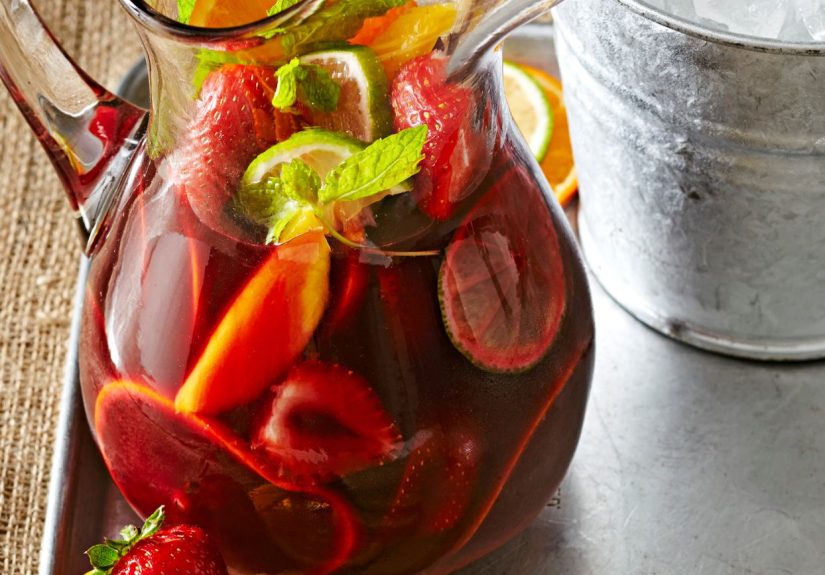
Sangria is the MVP of “I have guests in 20 minutes” drinks. It’s a big-batch wine cocktail that tastes like a vacation, looks like you tried way harder than you did, and politely forgives you for not owning a cocktail shaker. Slice some fruit, pour wine, add a little something-something, chill, and boom: your pitcher is now a party.
Below is a classic red sangria recipe (plus smart variations) written for real life: easy grocery-store ingredients, flexible sweetness, clear ratios, and tips so your sangria tastes like a summer pationot like fruit salad that fell into wine.
What Is Sangria (And What It’s Not)
At its core, sangria is a pitcher cocktail made with wine, fruit, and often a splash of brandy or orange liqueur. The goal is balance: wine-forward, fruit-kissed, lightly sweet, and served ice-cold. The fruit is there to infuse flavor, not to become a sad, soggy garnish you pity-eat at the end (unless you’re into thatno judgment).
Classic Red Sangria Recipe (The One You’ll Make on Repeat)
This is a crowd-friendly, classic-style sangria recipe with a clean citrus backbone, a hint of sweetness, and optional bubbles. It’s designed to be made ahead, because nobody wants to play bartender all night.
Ingredients (Makes about 6–8 servings)
- 1 bottle (750 ml) dry red wine (Tempranillo, Garnacha/Grenache, Merlot, Pinot Noirsee wine tips below)
- 1/4 cup brandy (or cognac)
- 1/4 cup orange liqueur (Triple Sec or Cointreau) or extra brandy if you want it simpler
- 1/2 cup orange juice (fresh is great; store-bought works)
- 2–3 tablespoons sweetener (simple syrup, sugar, honey, or mapleadjust to taste)
- 1 orange, thinly sliced into half-moons
- 1 lemon, thinly sliced (optional but bright)
- 1 apple (green or crisp sweet), sliced into small wedges
- 1 cup berries (strawberries/blueberries) optional for color and fruitiness
- 1–1 1/2 cups chilled seltzer or club soda (add right before serving for fizz)
- Ice (for serving)
Directions
- Build the flavor base. In a large pitcher, stir together the orange juice and sweetener until dissolved. (If using granulated sugar, stir a bit longer; simple syrup dissolves instantly.)
- Add fruit and gently press. Add orange, lemon (if using), and apple. With the back of a wooden spoon, press the fruit a few times to release juicethink “firm handshake,” not “fruit demolition derby.”
- Pour and chill. Add the red wine, brandy, and orange liqueur. Stir. Refrigerate for at least 2 hours, ideally 4–8 hours for the flavors to meld.
- Finish with bubbles (optional). Right before serving, stir in chilled seltzer/club soda for a lighter, fresher sip. Don’t add bubbles early unless you enjoy watching carbonation sadly disappear.
- Serve. Fill glasses with ice, pour sangria, and make sure each glass gets some fruit. If you’re feeling fancy, garnish with a fresh orange wheel. If you’re feeling honest, just hand people a straw and let them live their truth.
The “Perfect Sangria” Formula (So You Can Wing It Confidently)
Once you understand sangria ratios, you can make it with whatever fruit is in season and whatever bottle of wine you already have. Here’s the flexible blueprint:
Per 1 bottle of wine
- Wine: 750 ml dry red (or white/rosé)
- Spirit (optional but recommended): 1/4 to 1/2 cup brandy/cognac or orange liqueur
- Juice: 1/2 to 1 cup (orange juice is classic; apple, grapefruit, or lemonade-style flavors also work)
- Sweetener: 1 to 4 tablespoons (start low; you can add more)
- Fruit: 2 to 4 cups sliced/chopped (mix citrus + one or two other fruits)
- Bubbles: 1 to 2 cups club soda/seltzer (add at the end)
Best Wine for Sangria (Delicious, Not Precious)
Sangria is not the time to uncork your “I bought this in Napa and carried it like a newborn” bottle. You want something dry, fruity, and not too tannic, because fruit and sweetener will do the heavy lifting.
Great red wine picks
- Tempranillo: Classic Spanish vibe, smooth, food-friendly.
- Garnacha/Grenache: Juicy fruit, softer tanninsexcellent for sangria.
- Merlot: Plush and approachable; plays well with orange and berries.
- Pinot Noir: Lighter-bodied, bright; makes an “easy-drinking” sangria.
Budget tip: a bottle you’d happily drink on its own (usually under $20) is the sweet spot. If it tastes “meh” in the glass, it won’t magically turn into “wow” after you add fruit.
Best Fruit for Sangria (And How to Prep It)
Fruit does two jobs: it infuses flavor and it makes your pitcher look like a magazine cover. Choose fruits that hold up in liquid and won’t turn into mush after a few hours.
Classic combo
- Citrus: oranges + lemons (adds brightness and aroma)
- Crunch: apples (stay crisp longer)
Seasonal add-ins
- Summer: peaches, nectarines, strawberries, blueberries
- Fall: pears, apples, a cinnamon stick
- Winter: oranges, pomegranate arils, cranberries
Prep tips that matter
- Slice small. Smaller pieces infuse faster and fit in a glass without turning into a fruit traffic jam.
- Wash citrus well. You’re using the peel, which means you’re also inviting any wax/residue to the party if you don’t wash it.
- Don’t over-muddle. A gentle press releases juice and citrus oils; pulverizing can add bitterness.
How Long Should Sangria Sit?
The short answer: at least 2 hours. The better answer: around 4 hours. The “I planned ahead and now I’m unstoppable” answer: overnight.
If you’re making sangria for a party, chilling it for several hours gives you deeper fruit flavor without needing extra sugar. Add fizzy mixers (seltzer, soda, sparkling wine) at the end so they stay bubbly.
Easy Variations (Same Method, Different Vibes)
1) White Sangria Recipe (Crisp + Citrus)
Use a dry white wine like Sauvignon Blanc or Pinot Grigio. Swap orange juice for a mix of white grape juice or apple juice if you want a softer sweetness, then add citrus and stone fruit.
- 1 bottle dry white wine
- 1/4 cup brandy or elderflower liqueur (optional)
- 1/2 cup apple juice (or white grape juice)
- Peaches/nectarines + green apple + lemon slices
- Seltzer or sparkling wine added right before serving
2) Rosé Sangria (Brunch’s Cool Older Cousin)
Rosé sangria is light, refreshing, and basically made for patio season. Go berry-forward and keep the sweetener minimal.
- 1 bottle dry rosé
- 1/4 cup orange liqueur
- 1/2 cup grapefruit juice
- Strawberries + raspberries + lemon rounds
- Top with club soda
3) Spiced Winter Sangria (Holiday Without the Sweater Itch)
Add a cinnamon stick and swap berries for pomegranate and cranberries. Keep it chilled (sangria is still sangria), but the spice notes make it feel festive.
- Dry red wine + brandy
- Orange slices + apple + pomegranate arils
- 1 cinnamon stick (optional) and/or a small pinch of grated nutmeg
Make-Ahead, Storage, and Party Math
Can you make sangria the day before?
Yesmaking it ahead is one of sangria’s greatest talents. Mix everything except bubbles, refrigerate, and add seltzer right before serving.
How long does sangria last?
It’s best within 24–48 hours. After that, fruit softens and the flavor can drift into “compote territory.” Still drinkable, just… emotionally different.
How much to make for a crowd
- 1 bottle = about 6–8 servings (depending on glass size and how generous your friends are)
- 3 bottles = a solid party pitcher situation for ~18–24 servings
- Batching tip: Keep the same ratios per bottle and taste for sweetness right before serving.
Troubleshooting: How to Fix Sangria That’s “Off”
Too sweet
- Add more wine or a splash of seltzer.
- Squeeze in lemon to sharpen the flavor.
- Use less sweet juice next time (or none at alljust fruit + liqueur can be enough).
Too boozy
- Add seltzer, club soda, or a bit more juice.
- Serve over more ice and sip like an adult who has plans tomorrow.
Tastes flat or dull
- Add a squeeze of citrus, a pinch more sweetener, or a splash of orange liqueur.
- Top with bubbles at serving time.
Bitter
- You may have over-muddled citrus or used too much pith. Add more wine and a touch of sweetener to round it out.
- Next time: slice citrus thin and avoid crushing the peel aggressively.
FAQ
Do I have to use brandy?
Nope. Brandy is traditional, but orange liqueur alone works, and even a splash of rum can be fun. If you skip spirits entirely, consider adding more fruit and letting it chill longer for flavor.
Should sangria be served with the fruit?
Yes. The fruit is part garnish, part snack, part proof you made sangria and not just “wine in a bowl.” If you don’t want fruit in the glass, strain it when servingbut keep some pretty pieces for presentation.
Can I use sparkling wine?
Absolutely. Replace some (or all) of the seltzer with sparkling wine for a more celebratory pour. Add it at the end so the bubbles stay lively.
Serving Ideas (Because Sangria Deserves a Theme)
- Taco night: Classic red sangria + citrus + berries.
- Brunch: Rosé sangria with grapefruit and strawberries.
- BBQ: Red sangria with peaches, oranges, and a cinnamon stick.
- Holiday snacks: Winter sangria with pomegranate and orange.
Final Tips for “Best Sangria Ever” Energy
- Chill everything. Cold wine + cold juice + cold pitcher = less ice melt = better flavor.
- Start less sweet. Fruit releases sweetness as it sits, so you can always add more later.
- Add bubbles last. Sparkle is not a make-ahead ingredient.
- Use fruit you actually like. Because you’re probably going to eat it. Be honest with yourself.
of Real-World Sangria Moments (Because This Drink Has Stories)
There’s a reason sangria shows up whenever people say “casual get-together” but mean “I want this to feel special.” It’s a drink that quietly upgrades the whole room. A plain pitcher says, “Hydration.” A sangria pitcher says, “We might end up laughing in the kitchen for two hours, and that’s the plan.”
One of the most relatable sangria experiences is the first sip after the chill time. You mix it, taste it immediately, and think, “Huh… that’s just wine with ambition.” Then four hours later you taste again and suddenly it’s transformed: brighter, smoother, fruitierlike it took a quick nap and woke up emotionally available. That’s the magic of infusion. It’s also why sangria is such a host-friendly move: you do the work early, and later you get credit for “crafting” something. (Yes, you crafted. With a spoon. Like a wizard.)
Sangria also has that unique party trick where it creates a social gravity well. People drift toward the pitcher. Someone asks what’s in it. Someone else says, “Oh wow, this is dangerous,” which is adult code for “Please pour me another.” Then you realize sangria isn’t just a drinkit’s a conversation starter that smells like citrus and sounds like ice clinking. If you’re serving it at a backyard BBQ, it’s the easy alternative to running a full cocktail bar. If you’re serving it at brunch, it’s the friendlier cousin of mimosas: still festive, but less “bubble math” and more “pour and enjoy.”
The fruit choices become part of the story, too. Summer sangria tends to be bright and playfulpeaches and berries that make the pitcher look like a sunset. Fall sangria feels cozyapples and pears that taste like the first hoodie day of the year. Winter sangria (with orange and pomegranate) looks like holiday decorations you can drink. And if you’ve ever made white sangria with stone fruit, you know the vibe: refreshing, clean, and suspiciously easy to finish.
Then there’s the classic sangria lesson everyone learns sooner or later: bubbles are a last-minute commitment. Add seltzer early and it’ll go flat, and suddenly your “sparkling sangria” is giving “yesterday’s soda.” But add bubbles right before serving and it feels crisp, light, and freshlike your pitcher got a tiny upgrade at the exact right moment. It’s one of those small details that makes people say, “This is the best sangria,” even though you changed nothing except timing. Hosting is basically timing.
Finally, sangria is wonderfully forgiving. If it’s too sweet, you can fix it. Too strong, you can stretch it. Too bland, you can brighten it. It’s the kind of recipe that teaches you to taste, adjust, and trust your preferences. In other words: sangria is delicious, but it’s also practice for becoming the kind of person who calmly says, “Let’s add a squeeze of lemon,” like that’s a normal sentence you’ve always said.
So make a pitcher, chill it, and let it do what sangria does best: make ordinary moments feel like they deserve a toast.
Conclusion
The best sangria recipe is the one that fits your crowd: a dry, fruity wine; a little brandy or orange liqueur; fresh fruit; and just enough sweetness to keep it bright. Let it chill long enough for the flavors to mingle, add bubbles at the end, and serve it cold with plenty of ice. You’ll get a pitcher that tastes festive, looks gorgeous, and makes hosting feel suspiciously easy.