Table of Contents >> Show >> Hide
- A Barn, a Shop, and the Kind of Place That Makes You Whisper “I Need That Hook”
- The Story Behind Baileys Home Store
- Was Baileys Cafe Really a Café?
- What Makes the Baileys Shopping Experience Special?
- Design Lessons From Baileys Cafe and Home Store
- How to Shop Baileys Like a Pro
- Planning a Visit to Baileys in Herefordshire
- Why Baileys Still Matters
- Experiences Inspired by “Shopper’s Diary: Baileys Cafe in Herefordshire”
- Conclusion: A Shopper’s Diary Worth Revisiting
Editor’s note: Baileys Cafe in Herefordshire is best understood as a classic design-travel diary moment: a place remembered for its barn-shop atmosphere, unfussy charm, and slow-living aesthetic. Today, Baileys operates as Baileys Home Store at Whitecross Farm in Bridstow, near Ross-on-Wye. Current store information notes that there is no café or customer restroom on-site, so travelers should plan refreshments in nearby Ross-on-Wye before or after visiting.
A Barn, a Shop, and the Kind of Place That Makes You Whisper “I Need That Hook”
Some shopping destinations politely ask for your attention. Baileys in Herefordshire taps you on the shoulder with a weathered wooden spoon, points toward a cavernous barn full of useful things, and says, “Look, you probably came for one item, but let’s be realistic.”
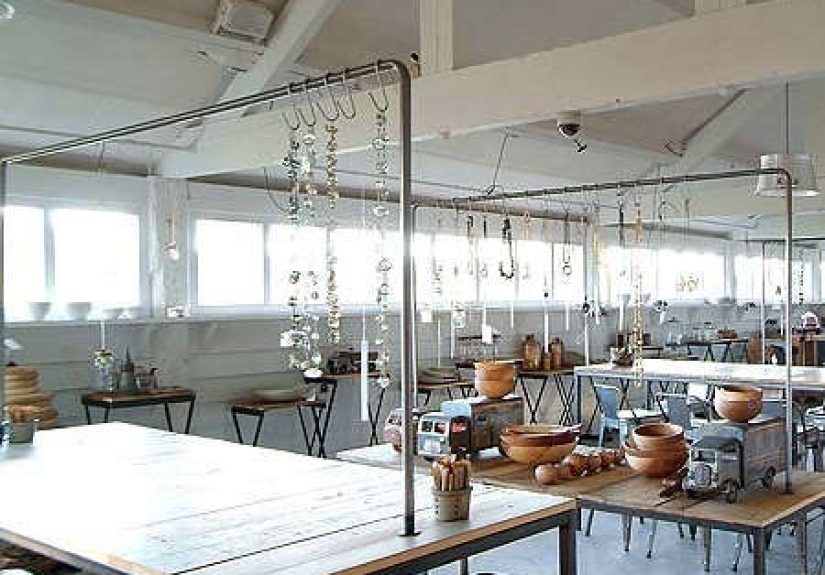
The original Shopper’s Diary: Baileys Cafe in Herefordshire captured a particular magic: a café-shop set in rural Herefordshire, about two hours outside London, where concrete floors, whitewashed beams, vintage finds, repurposed pieces, and practical housewares all lived together without looking as though they had tried too hard. That is the Baileys spell. It is not glossy showroom perfection. It is more like the world’s most stylish farm outbuilding decided to open its doors and teach everyone how to use a peg rail properly.
At its heart, Baileys is about atmosphere. The setting is Whitecross Farm, a group of historic farm buildings in Bridstow, close to Ross-on-Wye. The store’s own description places it among rolling Herefordshire countryside, housed across buildings such as a threshing barn, cowshed, cartshed, stable, tackroom, mission hall, granary, and loft. In other words, it is not the kind of shop where you pop in under fluorescent lighting and leave with a plastic basket of panic purchases. It is a place with texture, corners, shadows, and enough visual inspiration to make your kitchen shelves feel suddenly underdressed.
The Story Behind Baileys Home Store
Baileys Home Store was founded by Mark and Sally Bailey, a husband-and-wife team known for their quiet but influential approach to interiors. Their design language is simple, useful, tactile, and honest. Think linen rather than glitter, lime plaster rather than shiny laminate, old wood rather than imitation “farmhouse” stickers slapped onto MDF.
The Baileys’ background in architectural antiques shaped the store’s identity. Instead of chasing mass-produced trends, they built a retail world around pieces with purpose: hardware, furniture, textiles, lighting, stationery, cookware, antiques, garden objects, and handmade or carefully sourced home goods. The result is part general store, part design school, part countryside pilgrimage for people who can identify a good brush, basket, or storage hook from twenty paces away.
The restored farm setting matters. Baileys is not simply selling rustic style; it is practicing it. Rough lime plaster, raw concrete, uncoated steel, old beams, and practical displays create a backdrop that feels lived-in rather than staged. This gives the products a natural context. A linen sofa looks calmer in a barn than under a mall spotlight. A handmade broom becomes oddly glamorous when leaning against a wall that has clearly seen a few winters.
Was Baileys Cafe Really a Café?
Historically, the “Baileys Cafe” reference described a café-shop atmosphere within the Baileys compound. The old shopper’s-diary appeal came from the blend of retail browsing and café-like lingering: big airy interiors, a relaxed pace, practical goods, and a sense that one could spend a happy afternoon moving between tableware, textiles, lighting, and inspiration.
However, current visitors should know that Baileys’ official information now states that the store does not have a café or customer restrooms, with both available in nearby Ross-on-Wye. This does not ruin the visit. It simply changes the itinerary. Think of Baileys as the main course of design inspiration, with coffee and cake booked before or after in town. A little planning saves everyone from pretending that hunger is “part of the aesthetic.” It is not. Hunger is just hunger wearing linen.
What Makes the Baileys Shopping Experience Special?
1. It Feels Curated, Not Cluttered
Many vintage-inspired shops confuse “character” with “every object we have ever met.” Baileys is different. Even when the store is full, it feels edited. Objects are arranged with breathing room. The eye can travel from a stack of textiles to a row of lighting, from old chairs to enamelware, from simple ceramics to garden pieces, without needing a map and emotional support.
This matters for shoppers because it turns browsing into learning. You start noticing proportions, surfaces, and combinations. A plain wooden stool beside a soft textile suddenly explains balance better than a design textbook. A row of hooks makes a case for visible storage. A battered table reminds you that age can be a feature, not a flaw.
2. The Style Is Practical, Not Precious
The Baileys look has always favored the useful. Its appeal comes from objects that do their jobs beautifully: sturdy furniture, honest textiles, good lighting, hardworking kitchen pieces, natural materials, and storage that looks handsome enough to be seen. This is not “do not touch” decorating. It is “please use this, and maybe admire the joinery while you’re at it” decorating.
That practical beauty is why Baileys resonates with shoppers far beyond Herefordshire. In an era of fast home trends, the store offers an antidote: buy fewer things, choose better things, and let materials age with dignity. A slightly imperfect surface is not a crisis. It is proof that real life has entered the room and taken off its muddy boots.
3. The Farm Buildings Create the Mood
Setting a home store inside old farm buildings gives Baileys an advantage most retailers cannot fake. The architecture itself becomes part of the merchandise story. The threshing barn, stable, cartshed, mission hall, granary, and loft create a layered experience. Each space suggests a slightly different way of living with objects.
In a polished city showroom, a reclaimed table might look like a theme. At Whitecross Farm, it looks at home. That authenticity is powerful. It helps shoppers imagine how old and new pieces can work together without turning a house into a museum or, worse, a stage set for a period drama where nobody owns a phone charger.
Design Lessons From Baileys Cafe and Home Store
Start With Texture
If there is one design lesson to steal from Baileys, it is texture. Smooth, rough, matte, woven, chipped, raw, polished, soft, and weathered surfaces all work together when the color palette stays calm. This is why the store’s atmosphere feels rich without feeling loud. A neutral room does not have to be boring. It just needs materials that know how to carry a conversation.
At home, this might mean pairing linen curtains with a scrubbed wooden table, stoneware mugs, metal hooks, and a simple woven basket. None of these pieces needs to shout. Together, they create depth. The room starts to feel collected, not decorated in one frantic weekend after watching too many renovation videos.
Use Storage as Decoration
Baileys makes a strong case for visible storage. Peg rails, hooks, crates, shelves, baskets, and racks are not merely practical; they are part of the visual language. A good hook can hold a coat, a bag, a towel, or your entire belief system about tidy living. That may sound dramatic, but anyone who has tripped over a backpack in a hallway understands.
The key is choosing storage that deserves to be seen. A row of simple hooks in a kitchen or entryway can look intentional. A stack of wooden crates can organize blankets, shoes, or gardening tools. Open shelves can display useful objects rather than random decorative filler. At Baileys, the ordinary becomes handsome because it is chosen with care.
Mix Old and New Without Apologizing
One of the store’s strengths is its ability to mix antique, vintage, recycled, and modern pieces without making the room feel confused. The trick is restraint. Similar tones, natural materials, and simple silhouettes allow different eras to sit together peacefully. An old chair can work beside a modern lamp. A new sofa can soften a rough wall. A handmade ceramic bowl can make a plain table look thoughtful.
This approach is especially useful for real homes. Most people do not live in perfectly matched catalog rooms. We inherit things, find things, keep things, and occasionally buy things because they made eye contact with us from a shelf. Baileys shows how to make that mix feel intentional.
How to Shop Baileys Like a Pro
Arrive With a Loose List
Going to Baileys without a list is romantic but dangerous. You may leave with a candle, a chair, a brush, three notebooks, and a deep conviction that your bathroom needs a better soap dish. A loose list helps. Think in categories: lighting, kitchen essentials, textiles, hardware, garden pieces, gifts, or storage. Leave room for surprises, because surprise is half the point.
Look for Portable Treasures
If you are traveling, focus on smaller items that carry the Baileys spirit home easily. Linen tea towels, notebooks, brushes, ceramics, hooks, candles, small hardware, garden twine, or simple kitchen tools can bring the store’s aesthetic into your space without requiring international sofa logistics. Although, to be fair, a really good sofa has been known to test a person’s self-control.
Photograph Ideas, Not Just Products
Baileys is as much about styling as shopping. Take note of how items are arranged. Notice shelf spacing, color palettes, lighting levels, and how practical objects become display. A photo of a peg rail or stack of bowls may help you solve a problem at home later. This is design research, which sounds much more responsible than “I took 47 pictures of a broom.”
Planning a Visit to Baileys in Herefordshire
Baileys Home Store is located at Whitecross Farm, Bridstow, Ross-on-Wye, Herefordshire, HR9 6JU. It sits near the village of Bridstow, about half a mile along the A49 when coming from Ross-on-Wye. The surrounding countryside is part of the pleasure, so allow time for the route, the scenery, and the inevitable moment when someone in the car says, “Are we sure this is the right way?”
Current store hours list opening every day: Monday to Saturday from 9:00 a.m. to 5:00 p.m., and Sundays and bank holidays from 10:30 a.m. to 4:30 p.m. Because hours and facilities can change, it is wise to check before setting off. Since the current store information says there is no café or customer restroom, plan a stop in Ross-on-Wye for coffee, lunch, and practical human needs before or after your visit.
Why Baileys Still Matters
Baileys has lasted because it understands something many shops forget: atmosphere is not decoration; it is trust. When a store has a point of view, customers feel it. They may not know the technical vocabulary for lime plaster, patina, raw concrete, or utility design, but they recognize the feeling of objects chosen with care.
Recent recognition of Baileys Home Store in the independent retail world also reflects its broader influence. It is not just a shop selling things. It is a model for how independent retailers can build identity through craft, locality, restraint, and originality. In a market crowded with disposable goods, Baileys makes the case for items that earn their place slowly.
Experiences Inspired by “Shopper’s Diary: Baileys Cafe in Herefordshire”
A visit inspired by Baileys is not only about buying. It is about noticing. The countryside around Herefordshire slows the rhythm before you even reach the store. Roads narrow, fields open, and the pace shifts from urban efficiency to rural attention. By the time you arrive at Whitecross Farm, you are already more prepared to appreciate a good hinge, a plain bowl, or a chair with a little history in its bones.
The best way to experience Baileys is to treat it like a diary entry rather than an errand. Begin in Ross-on-Wye with coffee, breakfast, or lunch. This is practical because of the current no-café notice, but it also creates a pleasant ritual. Browse the town, look at the river, reset your eyes, and then head toward Bridstow with enough time to wander slowly. Baileys is not a race. Anyone speed-walking through a barn full of antique furniture and natural textiles has misunderstood the assignment.
Once inside, let the store reveal itself by sections. Start with the larger spaces and notice the architecture first. The scale of the barns, the quiet surfaces, and the simple materials help explain why the merchandise feels so at ease. Then move closer. Look at the small things: the finish on a brush handle, the weight of a textile, the curve of a ceramic piece, the practicality of a hook or shelf. Baileys rewards close looking.
For design lovers, the most valuable souvenir may be an idea. You might realize your hallway needs fewer decorative objects and better storage. You might see how a calm color palette can make mixed materials feel harmonious. You might discover that a kitchen does not need to sparkle like a laboratory to feel clean, warm, and inviting. You might even go home and remove three unnecessary items from a shelf, which is the interior-design equivalent of eating vegetables.
For shoppers, the best purchases are often the ones that become part of daily life immediately: a linen towel used every morning, a notebook kept near the kettle, a candle lit after dinner, a basket that finally controls the chaos near the door, or hardware that makes a room feel quietly finished. Baileys-style shopping is not about collecting trophies. It is about choosing useful objects with enough character to make ordinary routines feel better.
There is also a lesson in restraint. Baileys makes abundance look calm because the underlying philosophy is disciplined. Not every surface needs pattern. Not every corner needs color. Not every object needs to perform a cartwheel for attention. The store’s charm comes from confidence: good materials, plain forms, honest use, and the occasional oddity to keep things human.
That is why the old idea of “Baileys Cafe” still has emotional power, even if today’s visitor should not expect an operating café on-site. The phrase suggests lingering, warmth, conversation, and the pleasure of being surrounded by useful beauty. The modern Baileys visit can still offer that feeling. Bring your curiosity, plan your coffee elsewhere, and leave space in the car for something simple, sturdy, and suspiciously perfect.
Conclusion: A Shopper’s Diary Worth Revisiting
Shopper’s Diary: Baileys Cafe in Herefordshire remains a compelling subject because it captures more than a café or store. It captures a way of seeing. Baileys turns humble materials, farm buildings, practical objects, vintage finds, and handmade details into a complete design philosophy. It reminds shoppers that beauty does not have to be shiny, new, or loud. Sometimes it looks like linen, old timber, raw plaster, a well-made hook, and a barn that knows exactly what it is doing.
For modern visitors, the most important update is practical: Baileys Home Store is still a destination in rural Herefordshire, but current information says there is no café or customer restroom on-site. Plan accordingly, then enjoy the store for what it does best: thoughtful home goods, atmospheric retail, and enough rustic inspiration to make your own shelves nervous.