Table of Contents >> Show >> Hide
- The Town Cutler Origin Story, SF Edition
- What “Town Cutler in San Francisco” Means Today
- How to Shop Like a Knife Nerd (Without Becoming One)
- The Starter Set: Four Knives That Cover 95% of Cooking
- Steel, Hardness, and Why Price Isn’t the Whole Story
- Handle Test: The Most Important 10 Seconds in the Store
- Sharpening: The Part Everyone Skips (Until Tomatoes Fight Back)
- Shopping Tips That Feel Like Cheating (In a Good Way)
- Where to Find Town Cutler Knives Now
- Shopper’s Diary Add-On: 500 More Words From the Trip
- Conclusion
San Francisco can turn almost anything into a mini obsession: sourdough, coffee, houseplants that cost more than your electricity bill. Add knives to the list. In a city packed with serious cooks, it makes sense that one of the most talked-about “shopping trips” isn’t a boutique haulit’s a pilgrimage for a great chef’s knife.
Town Cutler became a local legend because it treated knives the way SF treats food: as something you should be able to taste with your hands. The brand’s story starts with a chef, a gap in the market, and a shop where you could actually hold a high-end blade before committing.
The Town Cutler Origin Story, SF Edition
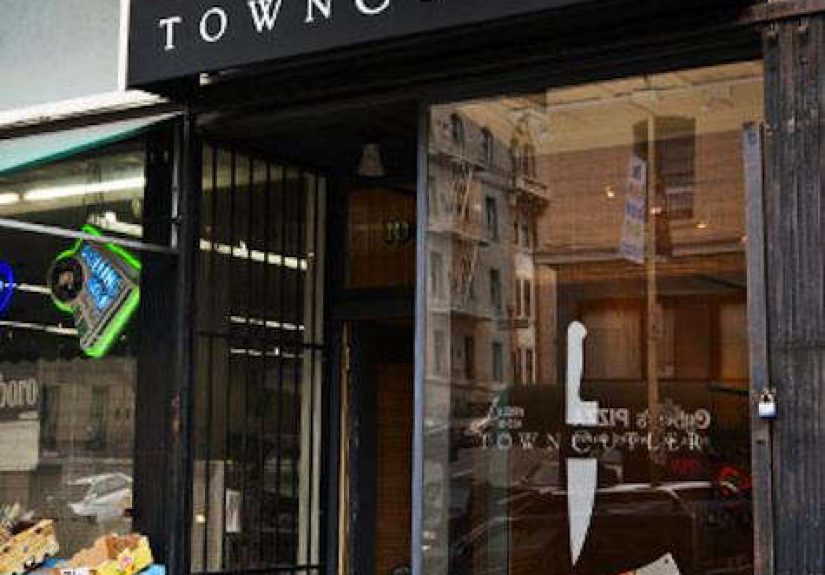
In 2011, chef Galen Garretson opened Town Cutler as a retail cutlery and knife-sharpening shop in San Francisco’s Nob Hill area, bringing in respected Japanese knife brands and pro tools that local cooks usually had to hunt down online. Early coverage highlighted a shop designed for testingcomplete with a substantial butcher-block surfaceand a focus on sharpening as a core service, not an afterthought.
As the shop’s reputation grew, profiles leaned into what made it different: a space that felt more like a gallery than a kitchen-supply aisle, and a maker’s mindset that valued balance, fit, and finishing details. Town Cutler’s looksleek walls of blades, wood, leather, and craftsmanshiphelped turn “buying a knife” into an experience, not a transaction.
What “Town Cutler in San Francisco” Means Today
Town Cutler’s footprint has changed over the years. Listings and the brand’s own updates show the business has operated beyond San Francisco, and its website currently points shoppers to retailers and stockists if they want to handle knives in person. So the SF storefront is best understood as the brand’s origin chapterthe place where the concept took offeven if your most practical path today is through a stockist or online order.
How to Shop Like a Knife Nerd (Without Becoming One)
Knife shopping gets weirdly emotional because it’s one of the few kitchen tools you physically “wear” in your hand. Town Cutler’s whole philosophycurated selection, chef-informed guidance, and maintenance culturemaps neatly to three decisions.
Decision #1: What do you cook most?
Vegetable-heavy cooking rewards a nimble blade that stays sharp and doesn’t fatigue your wrist. Lots of proteins and roasts? You’ll notice edge retention and clean slicing. Be honest: you’re not buying a knife for your “someday I’ll break down whole tuna” era. You’re buying for Tuesday.
Decision #2: Do you want “forgiving” or “laser-like”?
Many guides describe Western-style chef’s knives as tougher and more forgiving, while Japanese-style knives often run harder and thinneramazing performance, but less tolerant of rough handling. Serious Eats, for example, notes that Japanese chef’s knives are typically harder on the Rockwell scale than Western knives, which helps explain both their edge retention and their potential brittleness if misused.
Decision #3: What maintenance will you actually do?
A great knife is a long-term relationship. If you’ll keep it clean, dry, and sharpened on schedule, you can enjoy higher-performance options. If you want minimal fuss, choose something durable and plan to sharpen occasionally with a pro service.
The Starter Set: Four Knives That Cover 95% of Cooking
Town Cutler’s early reputation included “hard-to-find” Japanese knives and pro-level options, but the smartest buying strategy is still simple: start with the basics, then add specialty blades only if your cooking habits demand them.
1) Chef’s knife (or gyuto)
This is the workhorse. Most people love an 8-inch chef’s knife for everyday prep; it’s long enough for big jobs without feeling unmanageable. If you’re smaller-handed or prefer precision, a slightly shorter option can feel more controlled.
2) Utility/petty knife
The in-between blade: citrus, small veggies, quick trimming. Serious Eats and Bon Appétit both emphasize that you don’t need a huge collectionjust a few knives you genuinely enjoy using. A petty knife is often the “surprise favorite” once it lives in your drawer.
3) Paring knife
For detail work: peeling, coring, and quick small cuts. It’s also the easiest, lowest-stakes place to learn what handle shape feels right.
4) Serrated knife
For crusty bread and delicate, squishable foods. A good serrated blade keeps you from smashing a loaf or turning tomatoes into a science experiment.
Steel, Hardness, and Why Price Isn’t the Whole Story
Knife guides tend to circle around the same truth: steel choice and heat treatment matter more than hype. Harder blades can take a finer edge and hold it longer, but they may chip more easily if used carelessly. Softer blades may need more frequent sharpening, but they’re often more forgiving. That’s why many reviewers recommend picking a knife that matches your habits, not your aspirations.
Town Cutler’s own products position themselves as chef-designed and American-made, with premium materials and a focus on lasting performance. The original SF shop also stocked well-known Japanese brandsnames like Kikuichi, Masamoto, Misono, and Zanmai were mentioned in early coveragegiving shoppers a chance to compare different steel “personalities” in the same visit.
Handle Test: The Most Important 10 Seconds in the Store
Town Cutler became known for luxurious handle materials (think burls and hardwoods) and tight craftsmanship. But even if you’re shopping elsewhere, the handle test is universal. Hold the knife with a relaxed grip and ask:
- Does anything dig into my palm?
- Do I feel in control, or like I’m babysitting it?
- Is the balance comfortable for repeated chopping?
If it feels natural immediately, that’s a strong sign you’ve found “your” knife.
Sharpening: The Part Everyone Skips (Until Tomatoes Fight Back)
Keeping an edge is the difference between cooking being fun and cooking feeling like punishment. Food publications routinely point out a key distinction: honing realigns an edge, while sharpening actually removes metal to recreate the edge. A honing rod can help between sharpenings, but it won’t bring back a truly dull knife.
Town Cutler has long treated maintenance as part of the culture. Early reporting described sharpening techniques rooted in Japanese stones, and today the brand states it offers routine sharpening for Town Cutler knives and asks customers to contact them for current mail-in procedures because locations have changed. In other words: if you buy into the Town Cutler world, upkeep isn’t optionalit’s the point.
Kitchen safety note: sharp knives are generally safer than dull ones because dull blades slip, but sharpening tools still deserve full attention. If you’re new, consider learning from a reputable class or using a professional service until you’re confident.
Shopping Tips That Feel Like Cheating (In a Good Way)
- Bring a “tomato test” mindset: you want effortless slicing without crushing.
- Ask about storage: magnetic holders, blocks, or in-drawer docks protect edges and hands better than a loose drawer.
- Plan your upgrade path: start with one great chef’s knife, then add a petty or serrated later.
- Know where to buy: Town Cutler maintains a stockist list that includes several California retailers (like Sacramento, Santa Cruz, San Diego, and Los Angeles) plus online options, which is useful if you want to handle one before buying.
Where to Find Town Cutler Knives Now
If you’re determined to get the real thing (and not just a “Town Cutler vibe”), start with the brand’s stockist list: it names retailers in California and beyond, plus a few online partners. The practical move is to call the shop first and ask what models and handle materials they have on hand, whether you can hold the knife before buying, and what their return policy looks like once you’ve used it at home. If you’re buying a Town Cutler knife specifically, it’s also worth asking what sharpening support is available and how the mail-in process works right now, since the company has noted location changes during relocation.
Shopper’s Diary Add-On: 500 More Words From the Trip
I went looking for Town Cutler in San Francisco the way you go looking for a legendary sandwich: half hungry, half skeptical, fully prepared to be emotionally manipulated by craftsmanship. The plan was simplefind the vibe, learn the language, and maybe leave with a knife that doesn’t require a pep talk before it meets a sweet potato.
The city did what it does best: distracted me immediately. I walked past a bakery window and had a full internal debate about whether I needed a croissant “for research.” (I did. Obviously.) I wandered into a produce stand and realized my problem wasn’t just dull knivesit was that I’d been treating vegetables like they were responsible for my stress. A sharp blade wouldn’t fix my life, but it might stop onions from feeling like personal enemies.
When you read about Town Cutler’s original storefront, you keep seeing the same themes: the feeling of a place that took knives seriously without taking itself too seriously. That combination is rare. Some knife shops can feel like a silent library where you’re afraid to breathe. Town Cutler’s lore is more like: Yes, this is art. Also, please use it to make dinner.
I imagined that slender, gallery-like shop in Nob Hill where people could finally hold a knife before buying itbecause the internet can tell you a blade is “balanced,” but it can’t tell you whether your hand agrees. In my head, the knife wall looked like a candy store for adults who can pronounce “Misono” and “Masamoto” without whispering, “Did I say that right?” And somewhere in the back of the mental movie, a butcher-block testing surface waited for the universal knife-shop ritual: pick it up, pretend you know what you’re doing, and nod thoughtfully like you’re judging a figure skating routine.
Then reality kicked in, gently but firmly. Town Cutler’s story has moved beyond SF, and the practical way to “shop Town Cutler” now might involve checking a stockist list, calling ahead, or ordering online like a modern human. Instead of feeling disappointed, I weirdly felt proudlike when a local band gets famous and you’re happy for them, even though you’ll complain about ticket prices forever.
So I did the most San Francisco thing possible: I turned the search into a learning day. I tested knives elsewhere, paid attention to how different handles felt, and asked myself what I actually cook. I realized I don’t need five blades. I need one great chef’s knife, one smaller utility knife, and the discipline to keep them sharp. (Discipline is not my brand, but I’m working on it.)
By the end of the day, I didn’t just want a “nice knife.” I wanted a knife that felt like a teammatecomfortable, reliable, and low-drama. And that, honestly, is the Town Cutler lesson: don’t buy a blade for your fantasy kitchen. Buy the one that makes your Tuesday-night dinner easier and your cutting board a little less chaotic.
Conclusion
Town Cutler’s San Francisco legacy is about more than beautiful blades. It’s about helping cooks buy smarterby feeling a knife in hand, asking real questions, and committing to maintenance so the tool stays excellent for years. If you take one lesson from the Town Cutler story, let it be this: pick a knife that fits you, keep it sharp, store it safely, and your everyday cooking gets easier in a very real way.