Table of Contents >> Show >> Hide
- What Is a Skin Cyst?
- Common Signs and Symptoms of a Skin Cyst
- What Causes Skin Cysts?
- How To Get Rid of a Skin Cyst Safely
- What Not To Do With a Skin Cyst
- When Should You See a Doctor or Dermatologist?
- What Happens During Professional Cyst Removal?
- How To Care for Skin After Cyst Treatment
- Can You Prevent Skin Cysts?
- Skin Cyst Treatment by Location
- Personal-Style Experiences: What Dealing With a Skin Cyst Often Feels Like
- Conclusion
A skin cyst can feel like your body quietly installed a tiny storage unit under your skin and forgot to ask permission. One day there is nothing, and the next day you notice a round, movable bump on your face, neck, back, scalp, chest, or somewhere equally inconvenient. The good news: most common skin cysts are benign, slow-growing, and not an emergency. The not-so-fun news: squeezing one like a pimple can turn a minor bump into a red, angry drama queen.
This guide explains what skin cysts are, why they form, which treatments actually work, what you can safely do at home, when to see a dermatologist, and how to reduce the chance of a cyst coming back. Think of it as a practical, no-panic roadmap for dealing with a cyst without declaring war on your own skin.
What Is a Skin Cyst?
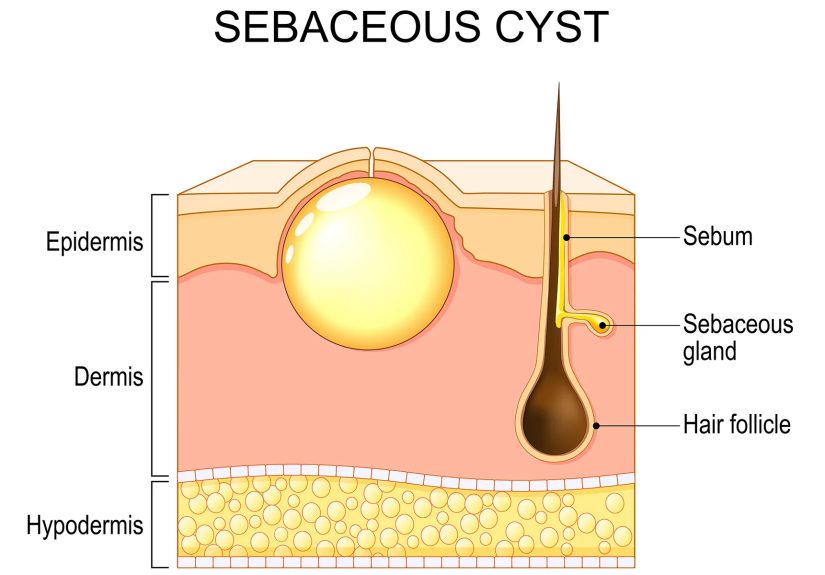
A skin cyst is a closed pocket under the skin that may contain keratin, oil, dead skin cells, fluid, or other material. The most common type people call a “sebaceous cyst” is often actually an epidermoid cyst or epidermal inclusion cyst. These cysts usually develop when skin cells move deeper into the skin instead of shedding normally from the surface. Inside the cyst, those cells continue producing keratin, creating a firm or rubbery lump.
Skin cysts are often round, slow-growing, and movable under the skin. Many have a small dark opening in the center called a punctum. They can appear nearly anywhere, but they are especially common on the face, neck, upper back, scalp, chest, and trunk. Pilar cysts often show up on the scalp, while epidermoid cysts are common on the face, neck, and torso.
Are Skin Cysts Dangerous?
Most skin cysts are not dangerous. They are usually benign and may not need treatment unless they become painful, infected, inflamed, irritated, large, or cosmetically bothersome. However, not every lump is a cyst. Some bumps can be lipomas, abscesses, swollen lymph nodes, acne nodules, ingrown hair cysts, or, rarely, skin cancer. That is why a new, changing, painful, bleeding, or fast-growing lump deserves a professional look.
Common Signs and Symptoms of a Skin Cyst
A typical skin cyst may feel like a smooth, dome-shaped bump beneath the skin. It may be skin-colored, yellowish, white, or slightly darker than the surrounding skin. Many cysts do not hurt at all. In fact, plenty of people only notice them while washing their face, brushing their hair, putting on a shirt, or accidentally bumping the area.
A cyst may become more noticeable if it grows, rubs against clothing, gets irritated by shaving, or becomes inflamed. When inflamed, it may turn red, tender, swollen, and warm. If it ruptures or drains, it may release thick, yellowish, foul-smelling material. Yes, that sounds unpleasant because it is. Your skin is not trying to win a fragrance award.
Signs a Cyst May Be Infected
Possible infection signs include increasing redness, warmth, swelling, pain, pus, fever, red streaking, or rapidly worsening tenderness. A cyst can be inflamed without being infected, but it is difficult to tell the difference at home. If the area is painful, hot, spreading, or draining pus, it is time to contact a healthcare provider.
What Causes Skin Cysts?
Skin cysts may form when skin cells become trapped under the surface, when a hair follicle or oil gland is blocked, after skin trauma, or around an irritated follicle. Acne-prone skin may also be more likely to develop cyst-like bumps. Some cysts appear after an injury, piercing, surgical scar, or chronic friction. In other cases, they simply show up with the confidence of an uninvited houseguest.
Genetics can play a role for some people, especially those who develop multiple cysts. Pilar cysts, for example, may run in families. Certain rare genetic conditions can also be associated with multiple epidermoid cysts, but most people with one common cyst do not have a serious underlying condition.
How To Get Rid of a Skin Cyst Safely
The safest way to get rid of a skin cyst depends on whether it is small and quiet, inflamed, infected, painful, recurring, or simply bothering you. The main rule is simple: do not pop, squeeze, cut, stab, or dig at a cyst at home. A cyst is not a blackhead. It has a sac-like wall beneath the skin, and if that wall remains, the cyst can refill.
1. Watchful Waiting
If the cyst is small, painless, and not changing, your healthcare provider may recommend leaving it alone. Many cysts do not cause problems. Some may shrink or drain on their own, though they can return. Watchful waiting is often reasonable when the cyst is not painful, not infected, and not located where it constantly rubs or gets irritated.
2. Warm Compresses
A warm compress may help relieve discomfort and encourage natural drainage if a cyst is mildly swollen or irritated. Use a clean washcloth soaked in warm water, apply it gently for about 10 to 15 minutes, and repeat several times a day. The goal is comfort, not force. Do not press hard, squeeze, or try to “help” the cyst empty. Your fingers are not surgical instruments, no matter how confident they feel.
3. Steroid Injection
If a cyst is inflamed but not clearly infected, a healthcare provider may inject a corticosteroid medication into or around the cyst. This can reduce swelling, redness, and tenderness. It does not always remove the cyst permanently, but it may calm the inflammation enough to avoid immediate drainage or make future removal easier.
4. Incision and Drainage
For a swollen, painful, or infected cyst, a medical provider may perform incision and drainage. During this office procedure, the skin is cleaned, local anesthetic is used to numb the area, and a small opening is made so the cyst contents can drain. This can bring fast relief when pressure and pain are the main problems.
However, drainage is not always a permanent cure. If the cyst wall or sac remains under the skin, the cyst may refill later. That is why drainage is often used for urgent symptom relief, while complete removal may be recommended later after inflammation settles.
5. Complete Surgical Excision
Complete excision is the treatment most likely to remove a cyst permanently. In this procedure, a dermatologist, surgeon, or trained medical provider numbs the area, makes an incision, and removes the cyst along with its sac. Removing the entire cyst wall lowers the chance of recurrence.
Excision is often chosen when a cyst is recurring, large, painful, located in a high-friction area, cosmetically concerning, or repeatedly inflamed. The provider may close the area with stitches, and healing usually depends on the cyst size, location, and your general health.
6. Minimal Excision Technique
Some providers use a minimal excision technique for selected cysts. This method uses a smaller incision to remove the cyst contents and cyst wall. It may reduce scarring compared with a larger incision, but it is not right for every cyst. Inflamed, ruptured, infected, or very large cysts may require a different approach.
7. Antibiotics When Infection Is Present
Antibiotics may be prescribed if a cyst is truly infected or if the surrounding skin shows signs of spreading infection. But antibiotics alone usually do not remove a cyst. They may calm infection, while drainage or excision addresses the cyst itself. This is why taking leftover antibiotics from your medicine cabinet is a bad idea. Besides being unsafe, it is also terrible interior design for your microbiome.
What Not To Do With a Skin Cyst
The internet contains many bold home remedies for cyst removal. Some are harmless but ineffective; others can irritate the skin or cause infection. Avoid trying to pop, lance, burn, freeze, scrape, or “draw out” a cyst at home. Also avoid applying harsh chemicals, undiluted essential oils, toothpaste, baking soda paste, or random kitchen experiments to the area.
Squeezing a cyst can push keratin deeper into the skin, trigger inflammation, rupture the cyst wall, introduce bacteria, and increase scarring. In short, popping a cyst may feel satisfying for three seconds and then become your skin’s villain origin story.
When Should You See a Doctor or Dermatologist?
You should see a healthcare provider if a cyst is painful, red, warm, swollen, draining pus, rapidly growing, bleeding, changing color, recurring, larger than expected, or located on the face, genitals, breast, neck, or another sensitive area. You should also get medical care if you have fever, red streaks, worsening pain, or a weakened immune system.
A dermatologist can usually diagnose a common cyst by examining it. Sometimes imaging, biopsy, or lab testing may be needed if the lump is unusual, deep, fixed in place, fast-growing, or not clearly a cyst. If a cyst is removed, the tissue may be sent to a lab to confirm the diagnosis.
What Happens During Professional Cyst Removal?
Professional cyst removal is usually an outpatient procedure, meaning you go home the same day. First, the provider examines the cyst and discusses your symptoms, medical history, medications, allergies, and any bleeding risks. The area is cleaned, then numbed with local anesthetic. You may feel pressure or movement, but you should not feel sharp pain.
For drainage, the provider makes a small opening and releases the contents. For excision, the provider removes the cyst sac as completely as possible. Stitches may be placed depending on the size and location. You will receive aftercare instructions, such as how to clean the area, when to change the bandage, whether to limit certain activities, and when to return for stitch removal.
Will Cyst Removal Leave a Scar?
Any cut in the skin can leave a scar, but skilled removal can help minimize it. Scar size depends on the cyst size, location, inflammation level, your skin type, wound care, and genetics. Removing a calm cyst usually allows for a cleaner procedure than removing a red, angry, inflamed cyst. In other words, early planning beats emergency skin chaos.
How To Care for Skin After Cyst Treatment
After cyst drainage or removal, follow your provider’s instructions closely. Keep the area clean and covered as directed. Wash your hands before touching the bandage. Avoid swimming, soaking, heavy sweating, or friction until your provider says it is okay. Do not pick at scabs or stitches. Picking may feel productive, but it is basically heckling your healing skin.
Contact your provider if you notice increasing redness, worsening pain, swelling, pus, fever, bleeding that does not stop, or the wound opening. If antibiotics are prescribed, take them exactly as directed. If stitches are placed, return for removal at the recommended time unless dissolvable sutures were used.
Can You Prevent Skin Cysts?
Not all skin cysts can be prevented, especially if you are genetically prone to them. Still, you can reduce irritation and clogged follicles by keeping skin clean, managing acne, avoiding repeated friction, using noncomedogenic skin-care products, shaving carefully, and treating ingrown hairs early. If you frequently get cysts in the same area, a dermatologist can help identify triggers and recommend prevention strategies.
For acne-prone skin, consistent treatment may reduce the chance of blocked pores and inflamed bumps. For scalp cysts, avoid picking or scratching. For areas where clothing rubs, consider looser fabrics or protective barriers. Prevention is not glamorous, but neither is explaining to your collar why it keeps bullying your neck cyst.
Skin Cyst Treatment by Location
Face
Facial cysts deserve extra care because scarring is more visible. Do not squeeze them. A dermatologist can determine whether the bump is a cyst, acne nodule, milia, lipoma, or another condition. If removal is needed, careful technique matters.
Scalp
Scalp cysts are often pilar cysts. They may be firm, smooth, and slow-growing. Removal may be recommended if they become painful, large, frequently bumped by combing, or cosmetically bothersome.
Back and Chest
Cysts on the back and chest may be irritated by clothing, sweat, backpacks, or exercise. They can grow large before you notice them. If a cyst repeatedly inflames or drains, medical removal may be the best long-term solution.
Groin or Genital Area
Lumps in the groin or genital area should be evaluated rather than assumed to be simple cysts. Possible causes include ingrown hairs, blocked glands, infections, abscesses, sexually transmitted infections, or other skin conditions. Professional diagnosis is important.
Personal-Style Experiences: What Dealing With a Skin Cyst Often Feels Like
Many people discover a skin cyst in the most ordinary way: scratching an itch, washing their face, running a hand through their hair, or wondering why a shirt seam suddenly feels like it has developed a personal grudge. At first, the bump may be painless and easy to ignore. Then curiosity enters the room. You touch it again. Then again. Then you start checking it in every mirror like it owes you rent.
A common experience is the temptation to squeeze it. This is especially true if the cyst has a visible center or looks vaguely pimple-like. But cysts are tricky. Unlike a whitehead, a cyst has a deeper sac under the skin. When someone squeezes it, the skin may get redder, more swollen, and more painful. Instead of disappearing, the cyst can become inflamed and twice as annoying. The lesson many people learn the hard way is simple: the cyst is not a button, and pressing it does not make the problem go away.
Another familiar situation is the “it was fine until it wasn’t” moment. A cyst can sit quietly for months or years, then suddenly become tender after friction, shaving, exercise, or accidental pressure. A backpack strap rubs it. A hairbrush bumps it. A collar irritates it. Suddenly, the small lump has developed a personality, and unfortunately, that personality is dramatic.
People who visit a dermatologist often describe relief after finally getting a clear diagnosis. There is comfort in hearing, “This looks like a benign cyst,” especially after days of searching symptoms online and convincing yourself you have invented a new medical mystery. A professional exam can separate a routine cyst from other possible lumps and help decide whether watchful waiting, injection, drainage, or removal is appropriate.
For those who choose removal, the experience is usually less frightening than expected. The numbing injection may sting briefly, but after that, many people feel only pressure. The provider removes or drains the cyst, covers the area, and gives aftercare instructions. The biggest surprise is often how quick the appointment feels compared with the amount of mental energy spent worrying about it.
Recovery can require patience. The bandage may need changing. Stitches may feel tight. The area may be tender for a few days. If the cyst was inflamed before treatment, healing may take longer. But many people find that proper wound care, avoiding friction, and resisting the urge to inspect the site every fifteen minutes makes the process smoother.
The most useful takeaway from real-life cyst experiences is this: do less at home and get help sooner when warning signs appear. Warm compresses, cleanliness, and patience can help a mild cyst feel better, but squeezing, poking, and home surgery usually make things worse. Skin is excellent at healing when we stop turning every bump into a weekend project.
Conclusion
Skin cyst treatment does not have to be confusing. If a cyst is small, painless, and stable, it may simply be monitored. If it is mildly irritated, warm compresses may help. If it becomes inflamed, painful, infected, recurring, or cosmetically bothersome, a healthcare provider can recommend options such as steroid injection, incision and drainage, antibiotics when infection is present, or complete surgical excision.
The safest way to get rid of a skin cyst is not to squeeze it into submission. The best approach is to understand what you are dealing with, avoid risky home methods, and see a dermatologist or qualified provider when the cyst changes, hurts, drains, or keeps coming back. Your skin will thank you, probably by not staging a tiny rebellion under the surface.

![18 Best Types of Charts and Graphs for Data Visualization [+ How to Choose]](https://corkopencoffee.org/wp-content/uploads/2026/05/18-best-types-of-charts-and-graphs-for-data-visualization-how-to-choose-qKM1PBYG-thumb.jpg)