Table of Contents >> Show >> Hide
- Why “Are you OK?” often hits a wall
- What works better than a generic check-in
- What to say when someone is struggling
- What not to say, even if you mean well
- Support is a verb, not a vibe
- When you may need to ask a harder question
- How to help without trying to become their entire treatment plan
- Small shifts that make a big difference
- Experience-based examples: what this often looks like in real life
- Conclusion
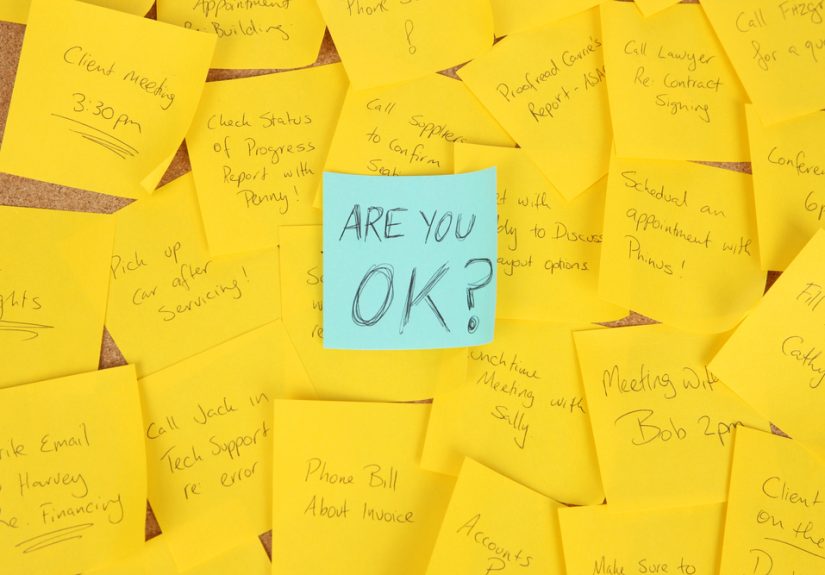
“Are you OK?” is a kind question. It is also, sometimes, the emotional equivalent of tapping a vending machine and hoping a full support system falls out. We ask it because we care, because we’re worried, and because it feels like the right thing to say. But when someone is struggling with anxiety, depression, burnout, grief, emotional distress, or the kind of stress that makes even answering a text feel like an Olympic event, that question can be too small for the moment.
The problem is not the kindness. The problem is the format. “Are you OK?” is a yes-or-no question, and people who are absolutely not OK often still answer with the classic, polished, socially approved lie: “Yeah, I’m fine.” Not because they want to fool you, but because they’re tired, ashamed, overwhelmed, unsure where to begin, or afraid that if they answer honestly, they’ll become “a whole thing.”
That’s why meaningful mental health support usually takes more than one question. It takes noticing. It takes patience. It takes language that opens a door instead of asking someone to squeeze their pain into a one-word response. And, when necessary, it takes helping them connect to real support instead of leaving them alone with a brave face and a dying phone battery.
Why “Are you OK?” often hits a wall
On paper, “Are you OK?” sounds caring. In real life, it can accidentally invite someone to perform normalcy. Many people are used to minimizing what they feel. Some do not want to be judged. Others do not want to cry at work, in class, on the sidewalk, or next to the frozen peas at the grocery store. A simple question can feel too broad, too sudden, or too public.
There is also the problem of emotional vocabulary. People in distress do not always have neat labels ready to go. They may not know whether they are sad, numb, panicked, exhausted, hopeless, or just deeply, weirdly done with everything. Asking “Are you OK?” assumes they can instantly sort their inner chaos into a tidy customer-service answer. That is a big ask for a nervous system running on fumes.
Sometimes the person does want to talk, but the question feels vague. What are they supposed to say? “No, I am not OK, and also I haven’t slept well in two weeks, I’m missing deadlines, and I cried because a spoon fell on the floor”? Honest distress is often messy and oddly specific. It usually needs a softer runway.
What works better than a generic check-in
If you truly want to help someone who seems off, the most effective approach is usually more specific, more grounded, and less performative. Instead of asking for a summary verdict on their entire emotional condition, start with what you have observed.
1. Lead with what you noticed
Try something like, “You’ve seemed quieter than usual this week,” or “I noticed you’ve been pulling back from people lately,” or “You don’t seem like yourself, and I wanted to check in.” This kind of language works because it shows care without sounding accusatory. It tells the other person, “I’m paying attention,” which is often more comforting than polished advice.
2. Make the conversation easier to enter
Instead of asking one giant emotional question, offer smaller doors. “Do you want to talk, or would you rather just hang out?” is often better than demanding a full emotional TED Talk on command. You can also ask, “Do you want support, solutions, or just company?” That question deserves a gold medal because it respects the fact that not everyone wants a fixer barging in with a twelve-point recovery plan and a spreadsheet.
3. Normalize honesty
People are more likely to open up when they know they do not have to pretend. Saying, “You don’t have to say you’re fine for my benefit,” or “You can be honest with me, even if the answer is messy,” can make a real difference. It gives them permission to drop the social costume for a minute.
4. Be quiet long enough for the truth to arrive
Silence is underrated. Many people ask a caring question and then panic-fill the pause like a radio host with too much caffeine. But if someone is struggling, they may need a few extra seconds to decide whether it is safe to answer honestly. Stay present. Let the moment breathe.
What to say when someone is struggling
If you are worried about a friend, partner, sibling, coworker, or family member, simple and compassionate language usually works best. You do not need perfect lines. You need human ones.
Good examples include:
“I’ve noticed you seem overwhelmed lately. I’m here.”
“You don’t have to explain everything, but I’d like to listen.”
“That sounds really hard.”
“I care about you, and I’m not in a rush.”
“Would it help if I sat with you while you figure out your next step?”
“Do you want me to help you find support?”
These responses work because they do not judge, minimize, or force a silver lining onto someone who can barely find matching socks. They communicate presence. And presence matters. A lot.
What not to say, even if you mean well
Good intentions can still land badly. When someone is in emotional pain, certain phrases sound efficient but feel dismissive.
Avoid rushing to positivity
“Look on the bright side,” “At least it’s not worse,” and “Everything happens for a reason” may come from a kind impulse, but they often make people feel unseen. Sometimes a person does not need a brighter side. They need someone willing to sit with the darker one without acting like it is socially inconvenient.
Avoid turning it into a debate
“But you have so much going for you,” or “You were fine yesterday,” can make someone feel as though they must prove their pain in court. Emotional distress does not require a convincing closing argument to be real.
Avoid making it about your discomfort
When people open up, they may be scared. Responding with shock, panic, lectures, or guilt can slam the door shut. Try not to jump into “Why didn’t you tell me sooner?” mode. The goal is support, not cross-examination.
Support is a verb, not a vibe
One of the most helpful truths here is that care is not just something you feel. It is something you do. If someone says they are not OK, the next step is rarely to toss them a motivational quote and vanish like a magician in business casual.
Practical help often matters as much as emotional validation. Depending on the situation, support might look like helping them make an appointment, offering a ride, walking with them to student services, sitting nearby while they call a therapist, bringing them food, helping them draft an email to a boss or professor, or checking in the next day instead of assuming one conversation fixed everything forever.
Follow-up is especially powerful. A lot of people can manage one brave conversation. What hurts is when nobody mentions it again. A short message like, “Thinking of you today,” or “How did that appointment go?” can tell someone they were not “too much.” They were worth remembering.
When you may need to ask a harder question
Sometimes emotional distress is not just sadness or stress. It may be serious enough that a more direct conversation is needed. If someone talks as though they do not want to be here, says they feel hopeless, seems frighteningly withdrawn, or you genuinely worry about their safety, do not dance around the issue with vague wording. Ask clearly and calmly whether they are thinking about harming themselves or suicide.
That directness can feel scary, but avoiding the question does not make the risk disappear. If the answer suggests immediate danger, stay with the person and get help right away. In the United States, calling or texting 988 connects people to the Suicide & Crisis Lifeline. If there is an immediate emergency or the person is in imminent danger, call 911 or local emergency services.
This is one of those moments when being “polite” is less important than being clear. Care sometimes sounds gentle. Sometimes it sounds direct. Both can be love.
How to help without trying to become their entire treatment plan
Being supportive does not mean becoming someone’s sole lifeline, unpaid therapist, crisis team, scheduler, chef, ride service, and emotional weather app. Healthy support includes boundaries. You can care deeply and still recognize that professional help may be needed. In fact, one of the kindest things you can say is, “I’m with you in this, and I think you deserve more support than one person can give.”
If the person is resistant, do not instantly assume they do not want help. Sometimes they are scared of cost, stigma, logistics, family reaction, or the exhausting process of explaining themselves to a stranger. You can lower the barrier by offering choices: “Would it help if we looked up options together?” or “Do you want me to sit with you while you make the call?”
And yes, take care of yourself too. Supporting someone in emotional pain can be heavy. You are allowed to seek your own support, talk to a trusted adult or professional when safety is involved, and admit that this is hard. That is not betrayal. That is sustainability.
Small shifts that make a big difference
If you remember nothing else, remember this: people often open up when the pressure goes down. A walk may work better than a face-to-face interrogation across a kitchen table. A text may feel safer than a phone call. A gentle observation may land better than a dramatic speech. A second check-in may matter more than the first.
Also, do not underestimate ordinary companionship. You do not always need dazzling words. Sometimes support sounds like, “I’m coming over with soup,” or “Want me to stay on the line while you fall asleep?” or “I can’t fix this, but I can be here while it feels awful.” There is more healing in steady presence than in a thousand inspirational slogans printed on mugs.
Experience-based examples: what this often looks like in real life
The experiences below are composite examples based on common real-world situations related to mental health support.
One common story is the friend who becomes “the funny one” right when life is quietly falling apart. He still cracks jokes in the group chat, still shows up to class or work, still posts normal-looking pictures, and still answers “All good” with suspicious speed. The turning point is not when someone asks, “Are you OK?” in passing. It is when a friend says, “You’ve been making jokes about being exhausted and disappearing a lot lately. I know humor is your thing, but I want to ask seriously how you’re doing.” That specific observation cuts through the performance. He admits he has not been sleeping, is behind on everything, and feels embarrassed that basic tasks suddenly feel impossible. What helps is not a lecture. It is a friend staying on the bench with him after practice, helping him text his older brother, and checking in the next morning.
Another familiar experience is the high-functioning person who looks fine from the outside because she is still meeting deadlines, answering emails, and remembering birthdays. She is the one people call “so strong,” which sounds flattering until it starts feeling like a prison sentence. When someone finally notices that she has gone quiet, stopped eating lunch with everyone, and seems tense all the time, the best check-in is not “You’re good, right?” It is “You’ve been carrying a lot. You do not have to be impressive with me.” That sentence lands because it removes the pressure to perform competence. She does not need someone to solve her whole life. She needs permission to say, “Actually, I am drowning a little.” Often the next helpful step is practical: help finding a therapist, help rearranging one obligation, help admitting she cannot keep doing everything at full speed forever.
Then there is the teenager who insists nothing is wrong, even as teachers notice slipping grades, a parent notices isolation, and siblings notice the bedroom door never opens. The conversation goes nowhere when adults charge in with panic and ten questions at once. It goes better when one person sits nearby, keeps the tone calm, and says, “I’m not here to trap you. I’ve just noticed you seem really down, and I care.” The teen may still shrug. That does not mean the effort failed. Often, the real breakthrough comes later, after a second or third gentle check-in, when they finally say they feel overwhelmed, lonely, or numb and do not know how to explain it. In that moment, what matters most is staying steady, listening more than talking, and helping them connect with trustworthy support.
Across all these experiences, the pattern is surprisingly consistent. People open up when they feel noticed without being cornered, cared for without being judged, and supported without being treated like a problem to solve before lunch. The biggest myth is that there is one perfect sentence that saves the day. Usually there is not. Usually there is a better process: notice, ask specifically, listen, stay, follow up, and get more help when needed. It is less cinematic, more human, and far more useful.
Conclusion
So yes, ask “Are you OK?” if that is where your concern begins. But do not let it be where your care ends. Real support is rarely one question long. It is paying attention when someone’s behavior changes. It is creating enough safety for honesty. It is asking better follow-up questions, listening without trying to win a positivity contest, and offering practical help that continues after the conversation ends.
Sometimes the most loving thing you can say is not “Are you OK?” but “I noticed. I care. I’m here. Let’s figure out the next step together.” That is the kind of check-in people remember. Not because it is fancy, but because it feels real.