Table of Contents >> Show >> Hide
If breathing has started to feel less like an automatic life function and more like a full-time side hustle, COPD may be the reason. Chronic obstructive pulmonary disease, or COPD, is an umbrella term for progressive lung conditions that make it harder to move air in and out of the lungs. The two main players are emphysema and chronic bronchitis, and many people have features of both.
COPD is common, serious, and often sneaky at first. A little shortness of breath on the stairs. A cough that hangs around like an uninvited guest. More mucus than seems socially acceptable. It can all seem easy to brush off until everyday tasks start feeling weirdly athletic.
The good news is that COPD can be managed. While there is no cure, today’s treatment options can reduce symptoms, help prevent flare-ups, improve quality of life, and keep people active for longer. In this guide, we’ll break down COPD symptoms, causes, diagnosis, and treatment options in plain English, with enough detail to actually be useful.
What Is COPD?
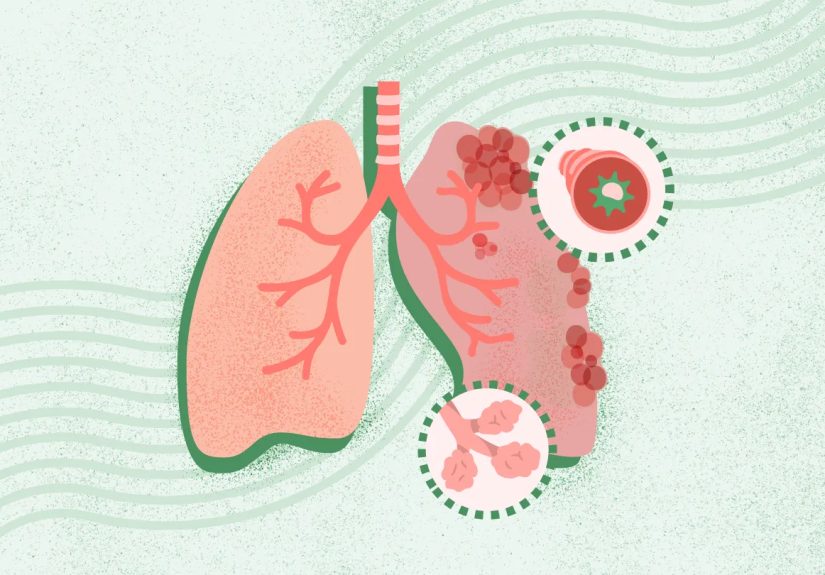
COPD is a chronic inflammatory lung disease that blocks airflow. In emphysema, the tiny air sacs in the lungs are damaged, which makes it harder to exchange oxygen and carbon dioxide. In chronic bronchitis, the airways become irritated and produce excess mucus, leading to a long-term cough. Together, these problems can make breathing feel like you are trying to sip air through a bent straw.
COPD usually develops slowly over time. That is one reason people may not notice the disease right away. They may simply assume they are “out of shape,” “getting older,” or “just dealing with a smoker’s cough.” Unfortunately, lungs do not grade on a curve.
COPD Symptoms: What Should You Watch For?
COPD symptoms can vary from person to person, but several signs show up again and again. Early symptoms may be mild enough to ignore. Later, they can interfere with work, exercise, sleep, and routine daily activities.
Common COPD symptoms
The most common symptoms include:
- Shortness of breath, especially during physical activity
- A chronic cough that may produce mucus or phlegm
- Wheezing
- Chest tightness
- Frequent respiratory infections
- Fatigue or lower energy than usual
Some people also notice that they take longer to recover from a cold, feel breathless doing chores they used to handle easily, or avoid activity because it has become uncomfortable. That matters. People often think COPD always looks dramatic, but it can begin with subtle changes that slowly shrink your world.
Symptoms that may suggest worsening COPD
As COPD progresses, symptoms may become more noticeable. You may find yourself more short of breath while walking, climbing stairs, showering, or getting dressed. Mucus may increase in amount or change in color. Sleep may worsen. Some people lose weight because breathing itself takes more effort, while others become less active and lose physical conditioning.
Signs of a COPD flare-up
A COPD flare-up, also called an exacerbation, is a sudden worsening of symptoms. This can happen after a respiratory infection, exposure to smoke or fumes, or sometimes for no obvious reason. Warning signs may include:
- More coughing than usual
- More mucus, or mucus that changes color
- Increased shortness of breath
- More wheezing or chest tightness
- Trouble sleeping because of breathing issues
- Feeling unusually weak, anxious, or confused
Severe flare-ups can become medical emergencies. Blue lips, severe breathlessness, confusion, or difficulty speaking in full sentences should never be handled with a “let’s see how tomorrow goes” approach.
What Causes COPD?
The biggest cause of COPD is smoking, especially long-term cigarette smoking. That said, COPD is not limited to people who smoke. In the United States, a meaningful number of people with COPD have never smoked, which is an important reminder that lungs are equal-opportunity grudge holders.
Main causes and risk factors
- Smoking: The leading cause of COPD in the U.S.
- Secondhand smoke: Long-term exposure can also damage the lungs.
- Air pollution: Outdoor pollution and poor indoor air quality may contribute.
- Workplace irritants: Dust, fumes, chemicals, and vapors can raise risk over time.
- Alpha-1 antitrypsin deficiency: A rare inherited condition that can cause COPD, even in younger adults or people who never smoked.
- Respiratory infections and lung development issues: A history of repeated childhood lung infections or other factors affecting lung growth may increase risk later in life.
The bottom line is simple: COPD usually develops after years of lung irritation and inflammation. The lungs are resilient, but not endlessly forgiving.
How COPD Is Diagnosed
If symptoms and risk factors suggest COPD, a healthcare professional will usually start with a medical history, symptom review, and physical exam. But diagnosis should not stop at “Yep, sounds like it.” The key test for confirming COPD is spirometry.
Why spirometry matters
Spirometry is a breathing test that measures how much air you can blow out and how quickly you can do it. It helps identify airflow obstruction and is central to diagnosing COPD. In plain terms, it turns a vague breathing complaint into something measurable.
Other tests that may be used
- Chest X-ray or chest CT scan
- Pulse oximetry to measure oxygen levels
- Arterial blood gas testing in some cases
- Alpha-1 antitrypsin testing, especially if COPD appears at a younger age, there is little or no smoking history, or family history raises suspicion
Doctors may also classify COPD by how severe symptoms are, how limited a person feels, and how often flare-ups occur. That classification helps guide treatment choices.
COPD Treatment Options
COPD treatment is not one-size-fits-all. The best plan depends on symptom severity, flare-up history, smoking status, lung function, oxygen levels, and whether certain inflammation patterns are present. In many cases, the right plan includes both medication and lifestyle support.
1. Quitting smoking
If a person with COPD smokes, quitting is the single most important treatment step. Not the flashiest. Not the most glamorous. But the most important. Stopping smoking can slow lung damage, reduce symptoms, and improve long-term outcomes. Counseling, nicotine replacement, and prescription medications can all help.
2. Bronchodilators
Bronchodilators are commonly prescribed inhaled medicines that relax the muscles around the airways. This helps open the lungs and makes breathing easier.
- Short-acting bronchodilators work quickly and are often used as rescue inhalers for sudden symptoms.
- Long-acting bronchodilators are used daily for ongoing control.
Two major long-acting categories are LABAs and LAMAs. Many people with COPD use one or both as maintenance therapy.
3. Inhaled corticosteroids
Inhaled corticosteroids are not right for everyone with COPD, but they can help some people, especially those with frequent flare-ups or certain inflammatory patterns. They are often used as part of combination inhalers rather than alone.
4. Combination inhalers and triple therapy
Some patients do best with more than one inhaled medication in a single device. Combination therapy may include a LABA plus LAMA, or a LABA plus inhaled corticosteroid. Triple therapy combines LABA, LAMA, and inhaled corticosteroid in one regimen and may be used for people with ongoing symptoms or repeated exacerbations.
5. Pulmonary rehabilitation
Pulmonary rehab is one of the most helpful and underappreciated COPD treatments. It is a supervised program that usually includes exercise training, breathing techniques, education, symptom management, and support. This is not a boot camp where someone yells at your lungs. It is structured, practical care designed to help you function better.
People who complete pulmonary rehabilitation often improve stamina, reduce breathlessness, and feel more confident managing daily life.
6. Oxygen therapy
Some people with advanced COPD have low blood oxygen levels and may need supplemental oxygen. Oxygen is not automatically required just because someone has COPD. It is prescribed when testing shows it is needed.
7. Treatment for flare-ups
COPD flare-ups may be treated with short-acting bronchodilators, oral steroids, antibiotics in selected cases, oxygen, or hospital care if symptoms are severe. Quick treatment matters because exacerbations can speed disease decline and increase the risk of complications.
8. Vaccines and prevention
Preventing respiratory infections is a major part of COPD care. Staying up to date on recommended vaccines, including flu, COVID-19, pneumococcal, and RSV vaccines when eligible, can reduce the odds of serious illness and flare-ups. Handwashing, avoiding sick contacts when possible, and improving indoor air quality also help.
9. Surgery and advanced procedures
For selected people with severe emphysema or advanced disease, options such as lung volume reduction surgery, endobronchial valves, or lung transplant may be considered. These are specialty decisions, not casual Tuesday errands, but they can make a meaningful difference for carefully chosen patients.
10. Newer specialist-directed options
In recent years, treatment has become more personalized. Some people with inadequately controlled COPD and specific inflammation patterns may be evaluated by specialists for newer add-on therapies. That is one more reason why follow-up care matters, especially if symptoms remain poorly controlled despite standard inhalers.
Daily COPD Management: Small Habits, Big Payoff
Medication matters, but daily routines matter too. COPD management works best when it combines medical treatment with habits that support lung health.
Helpful daily strategies
- Use inhalers exactly as prescribed and review technique regularly
- Stay physically active within safe limits
- Eat enough nourishing food to maintain strength
- Avoid smoke, dust, fumes, and strong chemical odors
- Track symptoms so changes are easier to catch early
- Ask for a written action plan for flare-ups
One practical tip that does not get enough love: inhaler technique. Even the best medication cannot do much if most of it lands on your tongue, your cheek, or your general sense of disappointment. Having a clinician review inhaler use can make a big difference.
When Should You See a Doctor?
See a healthcare professional if you have a chronic cough, increasing shortness of breath, frequent chest infections, or ongoing mucus production, especially if you smoke or used to smoke. Early diagnosis can make treatment more effective and may slow progression.
Seek urgent medical help if breathing suddenly gets much worse, lips or fingernails look blue, you feel confused, you have chest pain, or home rescue treatment is not helping.
Experience-Based Scenarios: What Living With COPD Can Feel Like
To make this more real, here are several experience-based scenarios that reflect common patterns seen in COPD care. These are illustrative examples, not individual patient records, but they mirror what many people describe.
The “I Thought I Was Just Out of Shape” phase
A lot of people do not realize they may have COPD right away. Imagine someone in their fifties who used to walk the dog without thinking twice. Then one day the small hill near the mailbox starts to feel annoyingly steep. They blame stress. Then weather. Then age. Then the universe. Meanwhile, a morning cough becomes routine, and they begin clearing mucus every day. Because the change is gradual, it feels normal. This is one reason COPD is often diagnosed later than it should be.
The “Everything Takes Longer” phase
As symptoms progress, daily life can become less efficient in ways that are hard to explain to healthy people. Showering may require a rest afterward. Carrying groceries becomes a strategic event rather than a simple task. People may stop doing activities they love, not because they do not care anymore, but because breathlessness changes the cost of everything. Some describe feeling embarrassed when they have to pause during conversations or avoid social outings that involve walking.
The emotional side people do not talk about enough
COPD is not just a lung condition. It can affect mood, confidence, sleep, and independence. Breathlessness often triggers anxiety, and anxiety can make breathlessness feel even worse. That loop is exhausting. Some people start planning every outing around benches, elevators, or how far the parking lot is from the entrance. Others feel frustrated that family members do not understand why a “simple” chore suddenly feels so hard.
What helps in real life
People often report that the most helpful changes are not always dramatic. Quitting smoking can be life-changing, even if it takes more than one try. Pulmonary rehab can help people feel stronger and less afraid of activity. Learning pursed-lip breathing can help during episodes of shortness of breath. Having a flare-up action plan reduces panic because people know what to watch for and when to call for help. Even small environmental tweaks, like using unscented cleaning products or avoiding smoke exposure, can reduce symptom triggers.
The value of getting treatment sooner
Another common experience is relief after finally getting a diagnosis. Not because anyone wants a chronic lung disease, obviously, but because there is power in knowing what is going on. Once symptoms have a name, they can be measured, treated, and monitored. Many people wish they had spoken up earlier instead of assuming their symptoms were “just normal.” If there is one lesson that comes up repeatedly, it is this: persistent breathing symptoms deserve attention. Waiting does not make COPD more polite.
Final Thoughts
COPD is a chronic lung disease that can make everyday life harder, but it is not a hopeless diagnosis. Knowing the symptoms, understanding the causes, and getting the right treatment plan can make a real difference. For some people, that starts with a spirometry test. For others, it starts with finally taking a chronic cough seriously. Either way, earlier action usually leads to better control.
If you or someone you love has ongoing shortness of breath, chronic cough, mucus production, or frequent chest infections, it is worth getting checked. Lungs may be quiet most of the time, but when they keep filing complaints, it is smart to listen.