Table of Contents >> Show >> Hide
- What “Space Food” Actually Means
- Why Feeding Humans in Space Is So Much Harder Than Packing Lunch
- A Quick History: From Tubes to Tortillas
- The Main Types of Space Food
- Rehydratable foods: lightweight, water-added magic
- Thermostabilized foods: the space version of “shelf-stable comfort”
- Irradiated foods: extra safety for certain favorites
- Natural-form and intermediate-moisture foods: ready-to-eat, no fuss
- Fresh, refrigerated, and frozen: rare, precious, morale-boosting
- Beverages: the art of drinking without gravity
- How Astronauts Prepare and Eat Meals on the ISS
- Space Nutrition: Fueling Performance Without Food Fatigue
- Fresh Food in Orbit: Veggie Gardens and the Joy of Crunch
- The Future of Space Food: Moon Bases, Mars Missions, and Better Packaging
- Can You Eat “Space Food” on Earth?
- Experiences in Space Food: What It’s Like to Eat When Nothing Stays Put (Extra )
- Conclusion
Space food is what happens when your lunchbox goes to engineering school, hits the gym, and then gets strapped to a rocket.
It has to be safe for months (or years), easy to eat when “down” is a suggestion, and tasty enough that astronauts don’t
quietly form a support group called People Who Miss Crunchy Things.
And yesastronauts really do eat things like shrimp cocktail, tortillas, and mac-and-cheese. But every bite you see on the
International Space Station (ISS) is the final product of a surprisingly intense design brief: no crumbs, no spoilage,
no floating mystery droplets, and no “food fatigue” that turns dinner into a chore.
What “Space Food” Actually Means
“Space food” isn’t one specific cuisine. It’s a system: the foods, packaging, storage rules, preparation tools, and nutrition
planning that let crews eat in microgravity without turning the spacecraft into a sticky, crumb-filled disaster zone.
On Earth, gravity keeps soup in the bowl and bread crumbs on the plate. In orbit, gravity takes a vacation.
That changes everythingfrom how you store meals to how you sip coffee without wearing it.
Why Feeding Humans in Space Is So Much Harder Than Packing Lunch
1) Microgravity turns crumbs into tiny missiles
Crumbs don’t fall. They floatinto air vents, electronics, eyes, and the general vibe. That’s why bread is tricky, and why
tortillas became a superstar: they hold fillings without shedding a blizzard of crumbs. Tortillas have been a beloved ISS staple
for exactly this reason. (In space, a wrap is basically personal protective equipment.)
2) “Taste” isn’t just your tongueit’s your nose
Many astronauts report that food tastes different in space, especially early in a mission. Microgravity shifts bodily fluids upward,
which can make faces feel puffy and noses feel congestedlike a mild head cold. Less smell often means less flavor, so crews tend
to crave bolder seasonings and sauces.
3) Shelf life is mission-critical
On the ISS, cargo ships can bring resupplies. On deep-space missionsthink long lunar stays or Marsfood may need to last far longer
without losing nutrients, texture, or morale-boosting appeal. “Edible” is not the same as “something you can still look at after 400 days.”
4) Nutrition has to fight space physiology
Spaceflight changes bodies: bone density can drop, muscles weaken without exercise, and energy needs vary by workload. Food must deliver
enough calories, protein, and micronutrients, while staying palatable and manageable for the digestive system. Even sodium matters: it can
be higher in processed foods, and NASA has worked to reduce sodium in the space food system over time because long-term intake is a concern.
5) Trash is a bigger problem than you’d think
Every wrapper and pouch sticks around until it can be packed into a cargo vehicle that burns up in Earth’s atmosphereor stored until return.
Packaging has to protect food from oxygen and moisture, but also minimize mass and waste. In other words: the wrapper has a job interview too.
A Quick History: From Tubes to Tortillas
Early U.S. space meals (Mercury era) leaned heavily on squeeze tubes and bite-sized cubesfunctional, but not exactly “chef’s kiss.”
Over time, NASA upgraded to better packaging, more varied menus, and tools that made eating feel more normal. Gemini expanded options and
improved rehydration. Apollo introduced better ways to handle food with utensils. By the Space Shuttle era and especially on the ISS,
meals became more diverse, more international, and far more enjoyable.
The modern result: astronauts can choose from a rotating menu, request “bonus foods” when possible, and celebrate holidays with special meals.
Space cuisine grew up.
The Main Types of Space Food
Space food is less about “freeze-dried ice cream” (a famous novelty) and more about proven processing methods that keep food safe and stable.
NASA commonly describes categories like rehydratable, thermostabilized, irradiated, and natural-form itemseach with a purpose.
Rehydratable foods: lightweight, water-added magic
Rehydratable foods have most of their water removed on Earth to reduce launch mass. In orbit, astronauts inject water back into the package
right before eating. Think soups, stews, and certain casseroles. If you’ve ever made backpacking meals on a camping trip, you already understand
the vibeexcept your “camp stove” is a spacecraft and your “table” might be Velcro.
Thermostabilized foods: the space version of “shelf-stable comfort”
Thermostabilized foods are heat-processed (similar to commercial retort packaging) so they can be stored at room temperature. They often come in
flexible pouches and can be warmed before eating. Many “classic dinner” items live heremeats, side dishes, and full entrees that don’t require
refrigeration.
Irradiated foods: extra safety for certain favorites
Irradiation uses controlled radiation sources to reduce pathogens and extend shelf life. In the U.S., food irradiation is regulated and approved
for specific uses; in space menus, irradiated items may be used to achieve commercial sterility and long storage times. The key point is that this
is a safety toolone more way to keep food safe when “running to the store” is not an option.
Natural-form and intermediate-moisture foods: ready-to-eat, no fuss
Natural-form foods are items that are inherently shelf-stable (or made shelf-stable) without rehydration: nuts, dried fruit, some cookies,
and snack items that behave themselves in microgravity. Intermediate-moisture foods sit between “dry” and “wet,” often using water activity
control to prevent spoilage while staying pleasantly chewy.
Fresh, refrigerated, and frozen: rare, precious, morale-boosting
Fresh foods show up mostly through resupplyfruit, vegetables, and occasional treats. Refrigerated and frozen storage exists in limited forms, but
it’s constrained by power, space, and hardware. When fresh food arrives, it’s a big deal. A crisp apple in orbit is basically a standing ovation.
Beverages: the art of drinking without gravity
Drinks are commonly packaged in pouches. Water is injected into powdered mixes, and astronauts sip through straws or specialized ports. Even coffee
has its own space storysystems like the ISSpresso machine were designed to brew beverages into space-approved drink bags. Because in space, caffeine
isn’t optional; it’s crew support equipment.
How Astronauts Prepare and Eat Meals on the ISS
Space meals are engineered for simple steps: open, rehydrate or warm (if needed), eat, and contain the trash. The “kitchen” is a set of small,
specialized toolswater dispensers for rehydration, food warmers for heating pouches, scissors for opening packages, and clever restraint systems
(Velcro, clips, magnets) to keep everything from floating away mid-bite.
Menu planning matters too. Crews typically have personal preference lists, and meals are organized to cover nutrition needs while providing variety.
Food isn’t just fuelit’s also routine, comfort, and social glue. Sharing a meal can make a metal module 250 miles above Earth feel a little more
like home.
Space Nutrition: Fueling Performance Without Food Fatigue
Nutrition in space is a balancing act: calories for energy, protein to help maintain muscle, and enough micronutrients to support bone, immunity,
and overall health. But there’s a psychological side too. If meals become boring or unpleasant, astronauts may eat less than they needbad news in an
environment where muscle and bone already require constant attention.
That’s why variety matters, and why condiments matter more than you’d expect. When flavor seems muted, spicy sauces and bold seasonings can make
foods appealing again. In a confined environment, maintaining appetite is part of maintaining health.
Fresh Food in Orbit: Veggie Gardens and the Joy of Crunch
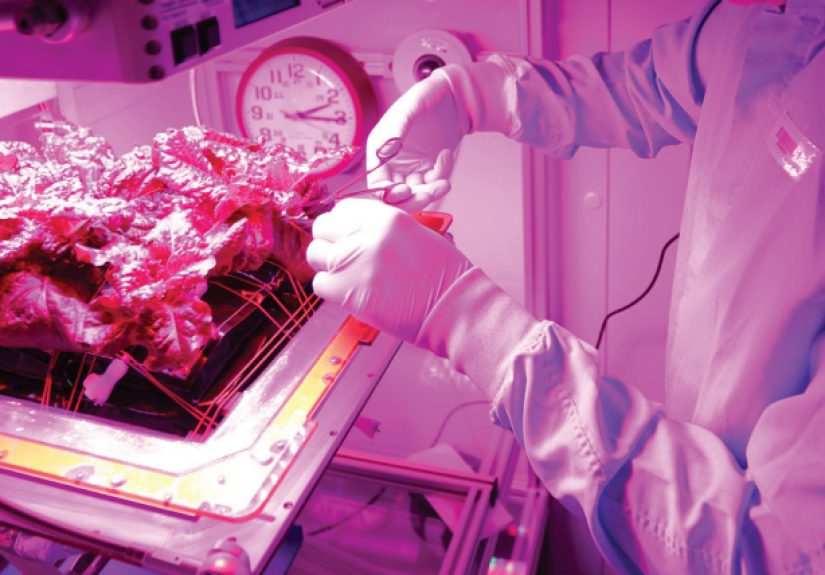
One of the most exciting developments in space food is the move toward fresh produce. NASA’s “Veggie” plant growth systemessentially a small space
gardenhelps researchers study plant growth in microgravity while giving crews access to fresh greens. Beyond nutrition, it supports well-being:
caring for plants and eating something freshly harvested can be a powerful morale boost.
Growing food in space also pushes science forward: safe cultivation, sanitation, lighting, water delivery, and plant health all become part of a
bigger goalbuilding more resilient life-support systems for long-duration missions.
The Future of Space Food: Moon Bases, Mars Missions, and Better Packaging
As human exploration extends beyond low Earth orbit, the food problem gets harder. Longer missions require longer shelf life, less resupply, and more
efficient use of mass and volume. NASA and partners are exploring improved processing methods and next-generation packaging that better protects flavor
and nutrients over time.
Innovation is happening on multiple fronts:
- Smarter packaging with improved oxygen and moisture barriers and lower mass.
- New thermal processing methods that aim to preserve quality while ensuring safety.
- Resource-efficient food production concepts, supported by prize challenges focused on minimal inputs and minimal waste.
- More fresh-food capability through plant systems, possibly including expanded crop variety over time.
The big picture: future crews may rely on a hybrid approachsome prepackaged foods, some freshly grown foods, and systems designed to keep meals
nutritious, safe, and actually enjoyable for months on end. Because a Mars mission is challenging enough without also having to dread dinner.
Can You Eat “Space Food” on Earth?
You can borrow the principles without buying a rocket:
- Try freeze-dried meals (the practical kind used by hikers) to understand rehydration basics.
- Use tortillas for portable mealscrumb control is a life skill, even on Earth.
- Pack shelf-stable proteins (tuna pouches, nut butters) for “mission-ready” snacks.
- Focus on nutrition density if you’re on the go: protein, fiber, and micronutrients matter more than vibes.
Just remember: on Earth, you can eat over a sink. In orbit, the sink is also your hallway, your office, and your emergency exit routeso tidy food
is kind food.
Experiences in Space Food: What It’s Like to Eat When Nothing Stays Put (Extra )
If you want the most honest summary of the space food experience, it’s this: astronauts don’t just eatthey manage eating.
The mechanics are part of the meal. Step one is often “locate your food,” because “setting it down” is a myth. Items get parked with Velcro or
clips like they’re tiny, edible spacecraft. You learn quickly that if you let go of your spoon, it doesn’t fall. It becomes a new roommate.
Then there’s the sensory side. Many astronauts describe the first days in microgravity as a “puffy-face” phasefluid shifts can make you feel
slightly congested, and when smell is muted, flavor can feel muted too. It’s not that the food suddenly became bad; it’s that your nose is on
vacation. That’s when the condiments earn their keep. Bold sauces, spicy hits, tangy extrasthese aren’t luxuries so much as morale maintenance.
A dab of something fiery can turn a perfectly fine entree into something you actually look forward to.
Rehydrating food is its own ritual. You connect a package to a water dispenser, inject the right amount, and wait while it transforms from a dry,
lightweight brick into dinner. Timing matters: too soon and you’re chewing crunchy corners; too late and you’ve basically invented “space oatmeal”
for a meal that was never meant to be oatmeal. Astronauts get good at it, but it’s still a reminder that every bite is plannedmeasured water,
measured calories, measured trash.
Drinking is famously weird at first. On Earth, you tilt a cup and gravity does the rest. In orbit, liquid prefers to become a floating sphere and
audition for a sci-fi movie. That’s why drink bags and special sipping systems exist. Coffee, in particular, has a surprisingly dramatic storyline.
Astronauts have used everything from pouches with straws to specialized machines that brew into space-approved containers. And when you finally sip,
you realize something you never appreciated at ground level: aroma is half the pleasure. If you can’t smell the coffee, it’s like listening to your
favorite song through a walltechnically there, emotionally less so.
The most human part of space food, though, is what happens around it. Meals become anchors in the day. Crews gather when schedules allow, float near
each other, and share a moment that feels normal. On holidays, the “special meal” isn’t just about what’s on the menuit’s about the reminder that
celebrations still exist, even when you’re orbiting Earth every 90 minutes. In that sense, space food is doing two jobs at once: fueling the body
and feeding the idea that you’re still a person, not just a highly trained instrument panel with a pulse.
And maybe that’s the real magic: space food turns survival constraints into tiny comfortsone tortilla wrap, one warmed pouch, one carefully captured
droplet at a time.
Conclusion
Space food has evolved from tubes and cubes into a sophisticated system built around safety, nutrition, andyesenjoyment. The modern space menu
balances shelf stability with variety, supports health in a challenging environment, and gives crews daily moments of comfort and connection.
As missions stretch farther from Earth, the next leap in space food won’t just be “tastier.” It’ll be smarter: better packaging, better preservation,
more fresh-food capability, and food systems designed for the long haul.