Table of Contents >> Show >> Hide
- What Makes Standard Issue Organic Cotton Bedding Stand Out?
- Why Organic Cotton Bedding Matters
- Percale: The Secret Sauce Behind the Hotel Feel
- Thread Count: The Most Overworked Number in Bedding
- How to Tell If Organic Bedding Is the Real Deal
- Who Will Love This Bedding Most?
- Care Tips for Organic Cotton Bedding
- Styling the Standard Issue Look
- Is Standard Issue Organic Cotton Bedding Worth It?
- Experience Section: What Living With Standard Issue Organic Cotton Bedding Usually Feels Like
- Conclusion
If your dream bed looks less like a chaotic blanket tornado and more like a boutique hotel that somehow smells faintly of calm, coffee, and financial stability, Standard Issue Organic Cotton Bedding makes a pretty strong case for itself. This style of bedding is all about clean lines, crisp texture, breathable comfort, and the kind of understated confidence that does not need to scream for attention. It just quietly wins.
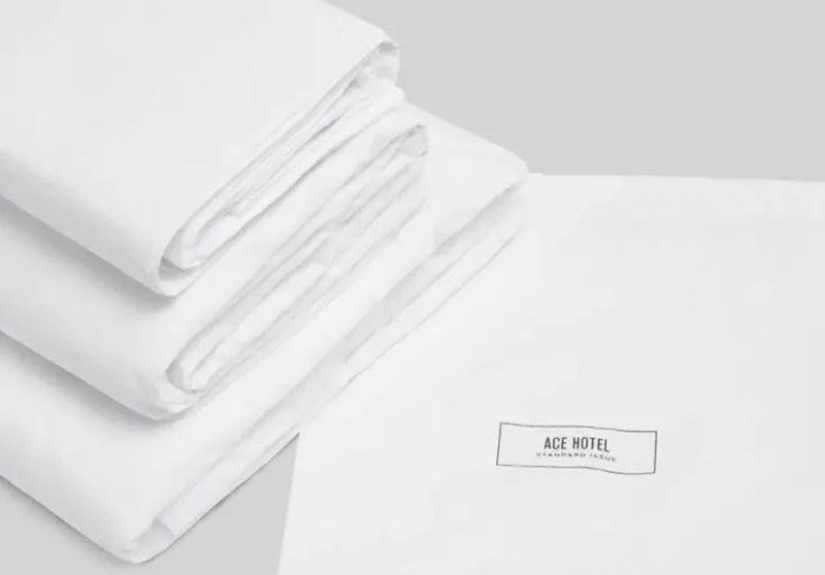
In practical terms, Standard Issue Organic Cotton Bedding refers to the hotel-style bedding sold by Ace Hotel: 100% organic cotton, a percale weave, and a 200-thread-count construction designed to feel cool, smooth, and classic rather than heavy or overly silky. That description matters because it tells you exactly what kind of sleep experience to expect. This is not slippery, shiny bedding that drapes like evening wear. This is fresh-shirt bedding. Tailored bedding. The sort of bedding that says, “Yes, I do make my bed, and no, I will not apologize for enjoying excellent sheets.”
What Makes Standard Issue Organic Cotton Bedding Stand Out?
The first thing to understand is that “organic cotton” and “good bedding” are not automatically the same thing. Organic fiber is a starting point, not a finishing line. What makes a bedding set truly worth talking about is the combination of fiber quality, weave, construction, safety standards, and how it performs after real-life use. That is where Standard Issue style bedding earns attention.
Its appeal starts with simplicity. A crisp white organic cotton sheet set works in almost any bedroom aesthetic, from modern minimalism to soft traditional interiors. It feels polished without trying too hard. More importantly, organic cotton bedding appeals to shoppers who want a fabric that feels breathable, natural, and less cluttered by questionable claims. In a market crowded with miracle textiles and wild marketing promises, that kind of clarity is refreshing.
The Ace Hotel version leans into that hotel-bed magic: bright white color, breathable percale, and a 200-thread-count design. That number may sound modest if you have been haunted by years of department-store thread-count mythology, but a lower thread count in a good percale can actually be a feature, not a flaw. It helps the fabric stay airy and crisp instead of dense and suffocating.
Why Organic Cotton Bedding Matters
Organic cotton bedding has become popular for reasons that go beyond trendiness. People increasingly want more transparency in the products they bring into the bedroom, especially products that touch skin for hours every night. That has pushed shoppers to pay more attention to certifications, fiber content, and finishing processes.
For bedding, the word “organic” should never be treated like decorative parsley. It should mean something real. In the United States, textile labeling around organic claims can get confusing, which is why certifications matter so much. A legitimate organic textile standard helps verify not just the cotton itself, but also how the finished fabric is processed and labeled. That is a big deal in a category where vague “eco” language is everywhere and meaningful verification is not.
For shoppers, the takeaway is simple: organic cotton bedding can be a smart choice when it is backed by credible standards and when the product page tells you exactly what you are buying. If the label is clear, the fiber content is straightforward, and the certifications are easy to verify, you are already ahead of the game.
Percale: The Secret Sauce Behind the Hotel Feel
If organic cotton is the ingredient, percale is the technique that turns it into a signature experience. Percale is a plain weave, often described as one-over, one-under, and that structure creates a cool, matte, crisp feel. Think pressed button-down shirt, not glossy stage curtain. It tends to feel light, breathable, and a little structured at first, then softer with each wash.
This is exactly why percale has such a loyal fan club among hot sleepers and hotel-sheet devotees. It breathes well, feels neat, and does not cling to the body the way heavier sateen can. If you are someone who flips the pillow to the cool side three times a night like it is a competitive sport, percale is probably your kind of fabric.
Sateen, by comparison, is smoother, silkier, and often a bit warmer. It has a soft sheen and a more fluid drape. Some people love that. Others feel like they are sleeping inside a fancy apology note. Neither weave is wrong, but they serve different preferences. Standard Issue Organic Cotton Bedding clearly sits in the percale camp: breathable, crisp, and intentionally unfussy.
Thread Count: The Most Overworked Number in Bedding
Let us talk about thread count, the marketing buzzword that has somehow managed to get more dramatic than reality TV. Many shoppers still assume higher is always better, but that is not how sheet quality works. Thread count can tell you something, but not everything. Fiber quality, weave, finishing, and overall construction matter just as much, and often more.
With percale, lower thread counts can perform beautifully. A 200-thread-count percale made from quality cotton can feel cooler, lighter, and more breathable than a much higher-count sheet that is packed too tightly or marketed with creative math. In other words, a sheet set does not become luxurious just because someone inflated the number on the package. Good bedding is about how it feels, how it wears, and how it behaves after repeated washing.
That is why the 200-thread-count construction in Standard Issue Organic Cotton Bedding makes sense. It supports the crisp hotel-like profile instead of working against it. It is not trying to be dense or buttery. It is trying to be clean, breathable, and dependable. Mission accomplished.
How to Tell If Organic Bedding Is the Real Deal
Shopping for organic bedding gets much easier once you know what to look for. First, check whether the product lists the actual fiber content. “Organic cotton” should not be buried inside a sentence full of mystery fibers and wishful thinking. Second, look for certification details, not just eco-friendly adjectives.
1. GOTS
The Global Organic Textile Standard, better known as GOTS, is one of the most important certifications in this space. It is widely treated as the gold standard for organic textiles because it covers the supply chain of the finished textile product. If you see GOTS listed clearly, that is a strong signal that the brand is taking organic claims seriously.
2. OEKO-TEX Standard 100
This certification focuses on testing for harmful substances in the finished textile. It does not mean the cotton is organically grown, but it does tell you the finished product has met safety criteria for direct skin contact. For something you sleep on nightly, that is not a small perk.
3. MADE IN GREEN or Fair Trade
These labels can add another layer of confidence. Depending on the product, they may speak to traceability, socially responsible manufacturing, or broader chemical and workplace standards. They are not interchangeable with GOTS, but they can help round out the picture.
The smartest approach is to view certifications like puzzle pieces. One label may confirm organic fiber content, another may focus on harmful-substance testing, and another may speak to responsible production. Together, they help you separate meaningful quality from marketing confetti.
Who Will Love This Bedding Most?
Standard Issue Organic Cotton Bedding is a strong match for several types of sleepers. If you sleep warm, prefer a crisp bed over a silky one, or want your bedroom to look quietly expensive without turning into a showroom, this style makes a lot of sense.
It is also great for people who like their bedding to feel clean and structured. Percale does not flop dramatically across the bed like a glamorous cape. It behaves. It looks tailored. It gives off that boutique-hotel mood where even the wrinkles seem intentional.
That said, it may not be ideal for everyone. If you want a buttery-soft feel straight out of the package, or you run cold and enjoy heavier sheets that drape close to the body, sateen may be more your speed. Percale usually wins people over over time, not always in the first thirty seconds. It is the slow-burn rom-com of bedding.
Care Tips for Organic Cotton Bedding
Good bedding can last longer when it is treated like bedding and not like a kitchen mop. Wash organic cotton sheets in cool or warm water with a mild detergent. Skip the heavy-handed bleach routine unless the care instructions specifically allow it. Tumble dry on low when recommended, and pull the sheets out promptly if you want fewer wrinkles and less “I slept in a paper bag” energy.
Percale often softens with each wash, which is part of the charm. The first night may feel crisp. By week three, the fabric usually relaxes into that sweet spot where it still feels fresh but less stiff. That evolution is one reason experienced bedding shoppers do not panic if a new percale sheet set feels a little firm at first.
Also worth noting: some shoppers prefer to avoid sheets heavily marketed as wrinkle-free or extra-soft because certain chemical finishes can be part of that story. If you are aiming for a more stripped-back, natural bedding experience, simple construction and trusted certifications are often the better path.
Styling the Standard Issue Look
One reason this bedding style works so well is that it makes a bed look finished without requiring seventeen decorative pillows and a small emotional support throw. White organic cotton percale pairs beautifully with almost anything: a beige quilt, a charcoal blanket, a camel throw, striped pillow shams, or a simple linen duvet cover.
If you want the boutique hotel look, stay within a tight color palette and layer textures instead of patterns. Crisp white sheets, one lightweight blanket, a medium-loft duvet, and two to four pillows with subtle variation in fabric can create a polished bed that feels restful rather than overdesigned. Your bedroom should say “come relax,” not “welcome to a textile obstacle course.”
Is Standard Issue Organic Cotton Bedding Worth It?
For the right sleeper, yes. Standard Issue Organic Cotton Bedding delivers a specific kind of comfort: breathable, crisp, hotel-inspired, and visually clean. It is not trying to be the softest sheet in the universe five seconds after you open the package. It is trying to be the sheet you keep reaching for because it feels fresh, reliable, and comfortable night after night.
That makes it appealing in a market full of overpromises. You get organic cotton, a classic percale weave, a sensible thread count, and a look that never really goes out of style. Add in the value of credible certifications when shopping the broader category, and organic cotton bedding becomes less of a luxury fad and more of a practical upgrade.
In short, if your ideal bed is cool, crisp, and quietly polished, Standard Issue Organic Cotton Bedding understands the assignment.
Experience Section: What Living With Standard Issue Organic Cotton Bedding Usually Feels Like
The experience of sleeping on Standard Issue Organic Cotton Bedding is less about a dramatic first impression and more about how satisfying it becomes over time. On night one, the sheets usually feel cool, crisp, and very put together. They do not have that slippery, instantly silky feel some shoppers expect from luxury bedding. Instead, they feel clean in a way that is strangely addictive, like getting into bed after a shower in a room that has just been tidied. It is a subtle pleasure, but it lands.
During the first week, many people notice the breathability most. If you are used to warmer sheets, percale can feel like the bedding equivalent of opening a window on a spring morning. The fabric sits lightly on the body, and that can make a real difference if you tend to wake up overheated. It is especially nice for people who sleep hot, live in warmer climates, or just prefer a bed that feels fresh instead of cocoon-like.
After a few washes, the experience usually improves. This is where organic cotton percale starts to earn its reputation. The sheets soften without losing their structure, so you still get that tailored hotel-bed appearance, but with less stiffness and more ease. The bed begins to feel inviting in a very grown-up way. Not flashy. Not fussy. Just consistently good. It is the kind of bedding that makes you want to smooth the duvet, fluff the pillows, and pretend your bedroom is part of a stylish weekend getaway.
There is also a visual experience that people often underestimate. Crisp white organic cotton sheets can make the whole room feel calmer and brighter. Even a small bedroom looks cleaner when the bed looks intentional. That may sound silly until you see it happen. Suddenly the laundry chair in the corner feels personally offensive, and you start acting like someone who owns matching pillowcases on purpose.
Of course, there are trade-offs. Percale wrinkles. That is part of the package. If you want a perfectly smooth, glossy bed with minimal effort, this may not be your forever fabric. But for many people, those soft wrinkles read as relaxed rather than messy. They add character, not chaos. And because the sheets tend to soften gradually, they often become more comfortable with regular use instead of wearing out their welcome.
Perhaps the biggest experience-related advantage is consistency. Standard Issue style organic cotton bedding does not rely on gimmicks. It performs through simple strengths: breathability, a clean hand-feel, classic design, and dependable comfort. It is the type of bedding people often appreciate more after thirty nights than after thirty seconds. In the world of sleep products, that is a pretty excellent sign.
Conclusion
Standard Issue Organic Cotton Bedding is not trying to be trendy, overbuilt, or wildly theatrical. It succeeds because it understands what many sleepers actually want: breathable comfort, dependable quality, a clean look, and materials that feel honest. With organic cotton, a crisp percale weave, and a hotel-inspired finish, it delivers a bed that looks polished and sleeps refreshingly cool.
If you want bedding that feels like a boutique stay without the awkward check-out time, this is a smart direction to explore. Keep an eye on certifications, choose the weave that fits your sleep style, and remember that truly good sheets do not need flashy gimmicks. Sometimes the best bedding is simply the bedding that makes you want to go to bed a little earlier. Honestly, that might be the most luxurious feature of all.