Table of Contents >> Show >> Hide
- What Is Crohn's Disease?
- Common Symptoms of Crohn's Disease
- What Causes Crohn's Disease?
- How Crohn's Disease Is Diagnosed
- Treatment Options for Crohn's Disease
- Possible Complications of Crohn's Disease
- Living Well With Crohn's Disease
- When to Call a Doctor Quickly
- Experiences Related to Crohn's Disease: What Daily Life Can Really Feel Like
- Final Thoughts
Crohn’s disease is one of those health conditions that can sound simple on paper and feel anything but simple in real life. It is a chronic inflammatory bowel disease, or IBD, that causes inflammation in the digestive tract. That inflammation can show up almost anywhere from the mouth to the anus, although it most often affects the end of the small intestine and the beginning of the colon. In other words, Crohn’s does not believe in staying politely in one corner.
What makes Crohn’s disease tricky is that it does not look exactly the same in every person. One person may deal with diarrhea and weight loss. Another may have fatigue, anemia, and abdominal pain. Someone else may first notice mouth sores, joint pain, or problems around the anus. Symptoms can come and go, with flares followed by quieter stretches called remission. That stop-and-start pattern is one reason Crohn’s can take time to diagnose.
The good news is that while Crohn’s disease does not currently have a cure, it can be treated. Many people manage it with a mix of medication, nutrition strategies, regular monitoring, and sometimes surgery. With the right care plan, many people can work, travel, study, exercise, and do regular life things without giving their digestive tract the starring role in every scene.
What Is Crohn’s Disease?
Crohn’s disease is a lifelong inflammatory condition that belongs to the broader family of IBD. Unlike some digestive issues that affect only the surface lining of the intestine, Crohn’s inflammation can reach deeper layers of the bowel wall. It often appears in patches, leaving healthy areas between inflamed sections. That patchy, deep inflammation helps explain why Crohn’s can lead to complications such as narrowing of the bowel, fistulas, ulcers, and poor nutrient absorption.
Crohn’s can affect children, teens, and adults, but it is often diagnosed in teens and young adults. Some people develop mild disease that is mostly bothersome. Others have moderate to severe inflammation that interferes with school, work, sleep, social life, and nutrition. The disease course can change over time, which is why long-term follow-up matters even when symptoms improve.
Common Symptoms of Crohn’s Disease
The symptoms of Crohn’s disease depend on where the inflammation is located, how severe it is, and whether complications have already developed. Some symptoms build slowly. Others arrive like an unwanted guest who also rearranges the furniture.
Digestive Symptoms
- Persistent or recurring diarrhea
- Abdominal pain and cramping, often in the lower right side
- Blood in the stool or rectal bleeding
- Urgent bowel movements
- Reduced appetite
- Nausea or vomiting
- Weight loss
- Mouth sores
- Pain or drainage near the anus if a fistula develops
Whole-Body and Extraintestinal Symptoms
Crohn’s is not always content to stay in the gut. Some people also experience fatigue, fever, anemia, joint pain, eye irritation, or skin changes such as tender red bumps. In children and teens, delayed growth or puberty may be a clue that chronic inflammation has been affecting the body for a while.
One important point: not everyone with Crohn’s has dramatic symptoms. Some people have vague complaints such as low energy, bloating, or unexplained weight loss. Others may have constipation, a feeling of incomplete bowel movements, or repeated anal fissures instead of classic diarrhea. That variety is part of why Crohn’s can be confused with other conditions at first.
What Causes Crohn’s Disease?
The exact cause of Crohn’s disease is still unknown. That is the frustrating answer, but it is the honest one. Experts believe the disease develops through a mix of factors rather than a single cause.
Immune System Changes
A leading theory is that the immune system reacts abnormally to bacteria or other triggers in the gut. Instead of calming down after dealing with a perceived threat, the immune response keeps going and damages the digestive tract. It is basically an overprotective alarm system that never quite learns the difference between burnt toast and a real fire.
Genetics
Family history matters. Crohn’s disease can run in families, and many genes have been linked to a higher risk. Having a parent, sibling, or child with IBD does not guarantee you will develop Crohn’s, but it does raise the odds.
Microbiome and Environment
Researchers also believe the gut microbiome, meaning the bacteria and other microbes living in the digestive tract, plays a role. Environmental influences may also help trigger disease in people who are already susceptible.
Risk Factors
- Family history of Crohn’s disease or IBD
- Young age at diagnosis, often before age 30
- Cigarette smoking, which is a major controllable risk factor
- Certain environmental exposures
- Use of NSAIDs may worsen symptoms, even though they do not cause Crohn’s
It is also worth clearing up a common myth: stress and food do not cause Crohn’s disease. They can absolutely worsen symptoms or make flares feel more intense, but they are not considered root causes.
How Crohn’s Disease Is Diagnosed
There is no single magic test for Crohn’s disease. Diagnosis usually involves a combination of medical history, physical exam, lab work, endoscopy, biopsies, and imaging. Doctors are not just looking for Crohn’s; they are also ruling out infections, irritable bowel syndrome, ulcerative colitis, and other conditions that can look similar.
Medical History and Physical Exam
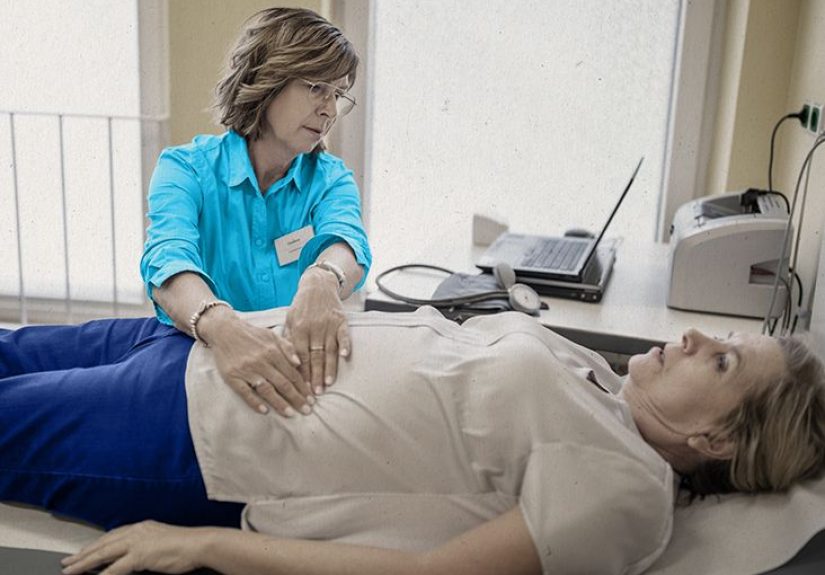
A clinician will ask about symptoms, their timing, weight changes, appetite, medications, smoking, and family history. A physical exam may include checking for abdominal tenderness, bloating, weight loss, and inflammation in other parts of the body.
Blood and Stool Tests
Blood tests can look for signs of anemia, infection, or inflammation. Stool tests help detect inflammation in the intestines and rule out infections that can mimic an IBD flare. These tests are useful, but they usually do not settle the diagnosis on their own.
Colonoscopy and Biopsy
Endoscopy is one of the most important parts of diagnosis. A colonoscopy allows the doctor to look inside the rectum, colon, and end of the small intestine. During the procedure, small tissue samples called biopsies are often taken. Those samples help confirm inflammation, reveal how deep it goes, and help distinguish Crohn’s disease from other disorders.
Imaging Tests
CT scans, MRI scans, capsule endoscopy, and sometimes upper GI studies may be used to examine areas that are difficult to assess with colonoscopy alone. These tests help show complications such as strictures, fistulas, abscesses, or small bowel inflammation. Capsule endoscopy, which involves swallowing a tiny camera, can be especially helpful for small intestine disease.
Treatment Options for Crohn’s Disease
Treatment depends on where the disease is located, how severe it is, whether complications are present, and how a person responds over time. The overall goals are to reduce inflammation, control symptoms, heal the bowel when possible, prevent flares, and improve quality of life.
Medications
Doctors may use several categories of medication, including corticosteroids for short-term flare control, immunomodulators, biologic therapies, antibiotics in selected situations, and newer small-molecule drugs for some patients. Not every medicine is right for every person, and treatment plans often evolve. It is common for doctors to adjust therapy based on symptoms, lab results, endoscopy findings, and side effects.
Nutrition Support
Nutrition matters a lot in Crohn’s disease because inflammation can interfere with normal absorption of calories, protein, iron, vitamin B12, vitamin D, and other nutrients. During flares, some people tolerate smaller, gentler meals better than large heavy ones. Others need supplements or help from a registered dietitian.
There is no one-size-fits-all Crohn’s diet. That is both annoying and important. Some people do well by avoiding specific trigger foods during flares, while others need to focus on adding well-tolerated calories and protein so they do not lose more weight. A food diary can help identify patterns. Hydration is also important, especially if diarrhea is frequent.
Bowel Rest and Hospital Care
In some cases, especially when complications are severe, doctors may recommend bowel rest for a period of time. This can involve a liquid nutrition plan, tube feeding, or IV nutrition while the intestines recover.
Surgery
Surgery does not cure Crohn’s disease, but it can be very helpful when medication is not enough or when complications develop. Surgery may be needed for intestinal obstruction, fistulas, abscesses, severe bleeding, dysplasia, cancer risk, or inflammation that does not improve with medical therapy. Procedures may remove damaged sections of bowel, treat fistulas, or create an ostomy in certain cases.
That may sound scary, but surgery is not a sign of failure. For many people, it is a practical next step that reduces pain, resolves complications, and improves day-to-day life.
Possible Complications of Crohn’s Disease
Crohn’s disease can cause complications both inside and outside the digestive tract. Some happen gradually, while others require urgent medical care.
- Strictures and bowel obstruction: Chronic inflammation and scar tissue can narrow the intestines.
- Fistulas: Abnormal tunnels can form between the intestine and nearby organs or skin.
- Abscesses: Infected pockets can develop and may need drainage.
- Anal fissures and ulcers: Painful tears or sores may occur around the anus or inside the GI tract.
- Malnutrition: Poor absorption and reduced eating can lead to vitamin and mineral deficiencies.
- Anemia: Blood loss and chronic inflammation can both contribute.
- Bone loss: Poor nutrition and steroid use may increase the risk of osteopenia or osteoporosis.
- Growth problems in children: Ongoing inflammation can affect height, weight, and puberty.
- Problems outside the gut: Joints, skin, eyes, liver, kidneys, and bones may also be affected.
- Higher colorectal cancer risk: Long-standing Crohn’s disease involving the colon can increase the need for surveillance colonoscopy.
This is why good disease control matters. Treating Crohn’s is not just about reducing bathroom trips. It is about protecting nutrition, energy, growth, bones, and long-term health.
Living Well With Crohn’s Disease
Living with Crohn’s disease usually means learning patterns, building routines, and staying flexible when the disease decides to ignore your schedule. Here are a few practical habits that often help:
- Keep regular follow-up visits with a gastroenterologist
- Take medications exactly as prescribed
- Stop smoking if you smoke
- Track symptoms, bowel habits, and possible food triggers
- Stay hydrated
- Ask about screening for iron, vitamin B12, vitamin D, and bone health
- Do not ignore stress, anxiety, or depression
- Get help early if symptoms suddenly worsen
Mental health support can be just as important as gut-focused treatment. Crohn’s can affect body image, confidence, school attendance, work reliability, travel plans, and relationships. Support groups, counseling, and realistic planning can make a huge difference. Sometimes the bravest thing a person with Crohn’s does all week is simply make plans and trust their body enough to leave the house.
When to Call a Doctor Quickly
Anyone with possible Crohn’s symptoms should schedule a medical evaluation, especially if symptoms keep returning or are accompanied by weight loss, blood in the stool, or fatigue. Seek prompt medical care if there is severe abdominal pain, persistent vomiting, dehydration, fever, heavy rectal bleeding, or signs of obstruction such as swelling and inability to pass stool or gas.
Experiences Related to Crohn’s Disease: What Daily Life Can Really Feel Like
For many people, the Crohn’s disease story starts long before the diagnosis. It may begin with months of stomach pain that gets blamed on stress, school lunches, spicy food, or a supposedly dramatic digestive system. There may be repeated bathroom trips, a drop in appetite, odd fatigue, or the realization that jeans fit differently because of unplanned weight loss. Some people feel relieved when they finally get a diagnosis because it gives a name to what has been happening. Others feel overwhelmed because a chronic illness is a lot to process, especially when the outside world expects you to look fine and keep moving.
Daily life with Crohn’s often involves unpredictability. A person may feel okay on Monday, exhausted on Tuesday, and cautious on Wednesday because they are not sure whether a flare is brewing. Travel can require extra planning. Social events may come with questions like: Where is the bathroom? Will this food bother me? What if symptoms start halfway through the movie, class, meeting, or road trip? That constant low-level calculation can be tiring even when symptoms are not severe.
Fatigue is one of the most commonly underestimated parts of the experience. People may assume Crohn’s is just about the gut, but many patients describe deep exhaustion that does not match how much they have done that day. When anemia, poor sleep, inflammation, and stress pile together, energy can disappear fast. This can affect work performance, school attendance, exercise, and mood. It can also be frustrating to explain to others because fatigue is invisible and does not come with a dramatic soundtrack.
Food becomes emotionally complicated for many patients. Eating is supposed to be simple and enjoyable, but Crohn’s can turn it into a strategy session. People may keep mental lists of foods that are safe, foods that are risky, and foods that are worth the gamble only on weekends with good bathroom access. Over time, some learn that the goal is not perfection but awareness. What works during remission may not work during a flare. What helps one person may do absolutely nothing for another.
There is also the emotional side of remission and relapse. When symptoms improve, people often want to rush back into normal life at full speed. Sometimes that works beautifully. Sometimes it leads to disappointment when symptoms return. Learning to live with that uncertainty takes patience. Many people with Crohn’s become excellent planners, careful observers, and resilient problem-solvers because they have to be.
Still, there is a hopeful side to these experiences. Plenty of people with Crohn’s build full, active, meaningful lives. They figure out which treatments help, which habits support them, and which warning signs deserve attention. They learn to ask better questions, advocate for their care, and respect their limits without letting the disease define everything. That may be the most important experience-related truth of all: Crohn’s disease can be a major part of life, but it does not have to be the whole story.
Final Thoughts
Crohn’s disease is a complex, chronic inflammatory condition that can affect the digestive tract and much more. Its symptoms may range from diarrhea and abdominal pain to anemia, fatigue, weight loss, and complications beyond the gut. Although the exact cause is still being studied, genes, immune system changes, the microbiome, and environmental factors all appear to play a role.
Diagnosis usually takes more than one test, and treatment often requires a long-term partnership between the patient and a healthcare team. The best plans combine accurate diagnosis, symptom control, nutritional support, monitoring for complications, and a realistic approach to daily life. Crohn’s may be persistent, but so are the people who live with it.