Table of Contents >> Show >> Hide
- The Look in One Sentence
- What You’re Actually “Stealing” From the London Corner
- Start With the Backdrop: Calm Color That Doesn’t Try Too Hard
- Flooring and Grounding: The Quiet Power of Wood (and Rugs)
- Furniture: Soft Shapes, Simple Forms, Zero Drama
- Lighting: The Make-or-Break Ingredient
- Soft Wear: Linen, Velvet, and the Art of Looking Effortless
- Styling Rules: Minimal, But Not Sterile
- How to Recreate the London Peaceful Corner in 7 Steps
- Small-Space Tricks That Still Feel Luxe
- Common Mistakes (So You Don’t Accidentally Build a Stress Corner)
- Budget: Save vs. Splurge (Because Calm Shouldn’t Cost Your Sanity)
- The 10-Minute “Peace Reset” Routine
- Conclusion: Your Corner, But Make It London-Calm
- of Experience: What a “Peaceful Corner” Feels Like in Real Life
Some rooms don’t shout. They don’t beg for attention with neon art, a seven-foot fiddle-leaf fig, or a sofa that looks like it’s auditioning for a spaceship. They just exhale. And that’s exactly the vibe behind Remodelista’s “peaceful corner in London” look: calm, warm, quietly elegantlike the design equivalent of putting your phone on Do Not Disturb and actually meaning it.
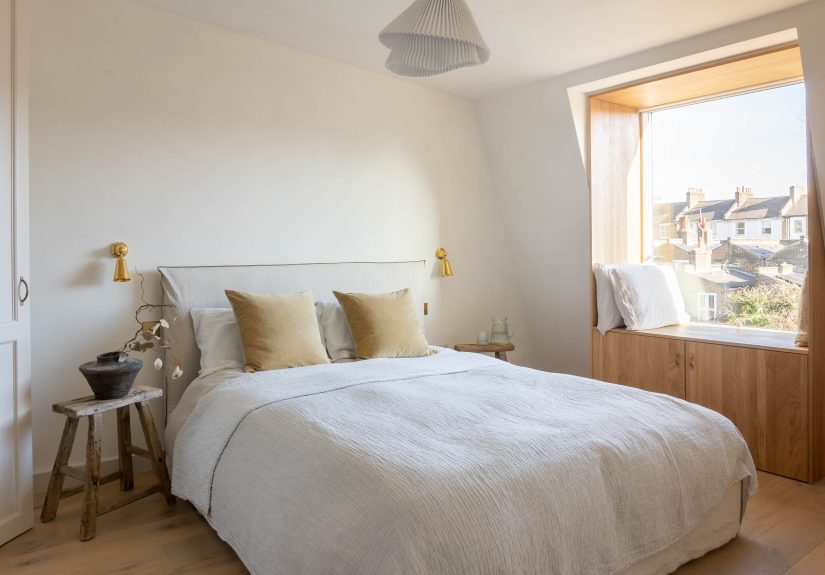
In London’s Stoke Newington neighborhood, a renovated upstairs loft bedroom nails that “simple but considered” balance: mineral-toned walls, natural textures, and lighting that feels more like candlelight’s sophisticated older cousin. The best part? You don’t need a London postcodeor a full remodelto steal the essence. You just need a corner, a plan, and the willingness to edit your stuff like it’s a reality TV show elimination round.
The Look in One Sentence
A soft, neutral backdrop + honest materials + layered, warm lighting + a few touchable textilesarranged with restraintcreates a peaceful corner that looks curated but lives easy.
What You’re Actually “Stealing” From the London Corner
When Remodelista breaks down a look, it’s not just “buy this bed.” It’s a formula. Here’s the version you can apply anywhere (bedroom, living room, office, even that sad corner where your laundry chair lives):
- Muted mineral color that reads warm, not icy (think stone, clay, oatmeal, putty).
- Natural surfaces (wood floors, linen, limewash-like paint, matte finishes) that feel grounded.
- Lighting with intention: a sculptural pendant or focal fixture, plus directional lights that you can aim.
- Soft wear that’s tactile (linen bedding, velvet or brushed cotton pillows, a throw that begs to be touched).
- Minimal styling that still feels personalone art piece, one book stack, one plant, not a flea market explosion.
Start With the Backdrop: Calm Color That Doesn’t Try Too Hard
Peaceful corners usually begin with a background that lets your brain stop scanning for “threats” (a.k.a. visual clutter). Remodelista’s London mood leans into a stone-toned wallthe kind of color that makes everything else look more expensive by association.
Best paint moves for this style
- Choose a warm neutral with a hint of earth (stone, mushroom, clay, warm gray).
- Go matte for softnesshigh gloss is great for a grand piano, less great for a calm corner.
- Consider a mineral finish (limewash or lime paint look-alikes) if you want gentle movement on the wall without “pattern.”
Example: If your corner is in a bedroom, paint the wall behind the bed or chair in a stone shade, then keep the adjacent walls lighter. You’ll get a cozy “nest” effect without shrinking the entire room.
Flooring and Grounding: The Quiet Power of Wood (and Rugs)
Wood underfoot instantly reads warm and lived-in, especially in a classic tonenot orange, not gray-washed into oblivion, just wood. If you have wood floors already, your job is easy: clean them, then stop apologizing for the grain.
If you’re working with non-wood floors
- Use a large rug to define the zone (bigger than you think; tiny rugs look like samples).
- Stick to low pattern: a subtle weave, a faded stripe, a tonal border.
- Layer texture instead of colorjute + wool, or flatweave + sheepskin.
Pro tip: A peaceful corner should feel stable. If your chair legs wobble on a thick shag rug, your nervous system will be like, “Absolutely not.” Choose a rug with enough softness to be inviting, but not so plush your furniture starts doing yoga.
Furniture: Soft Shapes, Simple Forms, Zero Drama
The London look works because the furniture is quietly substantial. Nothing screams for attention, but everything looks good up closelike it has manners.
Three anchor options (pick one)
- The lounge chair corner: a deep chair + small table + lamp. Ideal for reading nooks.
- The bedside calm zone: bed + one stool/side table + wall light. Great for small bedrooms.
- The window perch: bench cushion or compact chair near natural light, with a throw and a ledge for a mug.
Example: If you’re building a bedroom version of this look, choose a bed or headboard style that reads relaxedupholstered, slipcovered, or softly framed. For living rooms, pick a chair with a rounded back or subtle curves. Sharp angles aren’t bad, but they can feel more “boardroom” than “breathing room.”
The underrated hero: the humble stool
Remodelista-style corners love a small stool or side table that looks a little timeless. It’s practical (book, water, candle), and visually it breaks up the “big furniture blocks” with something lighter. Bonus points if it’s wood, vintage, or has a handmade vibe.
Lighting: The Make-or-Break Ingredient
If paint sets the mood, lighting is the mood’s playlist. You can have perfect colors and gorgeous textiles, but if your only light source is a single overhead fixture that feels like an interrogation room… congrats, you’ve created a peaceful corner for your enemies.
Layered lighting, Remodelista-style
- Ambient: a pendant, flush mount, or ceiling fixture that gives general glow.
- Task: a reading light, sconce, or adjustable spot that targets your book/bedside.
- Accent: a soft lamp, candlelight, or dimmable bulb that warms the edges of the room.
Steal-the-look move: Use a sculptural pendant as the “jewelry,” then add adjustable spotlights or sconces to direct light where you actually livebook pages, bed pillows, art, the spot where you dramatically stare into the middle distance.
Bulb basics (that actually matter)
- Warm color temperature (soft warm white) for a cozy, calming glow.
- Dimmers wherever possiblebecause peace is not a binary on/off situation.
- Shades and diffusion to avoid glare. If the bulb is visible and harsh, your corner is basically yelling.
Soft Wear: Linen, Velvet, and the Art of Looking Effortless
This is where the London corner becomes irresistible: textiles that feel good. The Remodelista vibe leans into linen bedding in a clay tone and velvet pillowsa classic mix of matte + rich texture. The palette stays restrained, but the tactile contrast keeps it from feeling flat.
How to get that “calm but not boring” textile mix
- Linen (or linen blends) for breathable, slightly rumpled ease.
- Velvet or brushed cotton for depth and softness (one or two pieces, not twelve).
- A throw in wool, cotton, or cashmere-like texture for instant coziness.
- One tonal accent (clay, tobacco, muted olive, dusty rose) to warm up the neutrals.
Example: If your walls are stone and your main textiles are oatmeal, add two pillows in a clay or cinnamon tone and one pillow with a subtle weave. That’s it. Stop there. Your corner doesn’t need a rainbowjust a pulse.
Styling Rules: Minimal, But Not Sterile
A peaceful corner should feel like someone lives there… a person who drinks water, reads books, and does not store random charging cables in decorative bowls “for the aesthetic.”
The “3-2-1” styling formula
- 3 practical items: book, mug coaster, small tray, journal, eye maskthings you actually use.
- 2 soft items: throw + one extra pillow (or a cushion + sheepskin).
- 1 living or soulful element: a plant, a branch in a vase, or one piece of art you love.
Keep surfaces breathable. Empty space is part of the design. If every surface is covered, your eye can’t restand neither can you.
How to Recreate the London Peaceful Corner in 7 Steps
Step 1: Choose the right corner (aka the least chaotic one)
Pick a spot with natural light if possible, or at least a place where you can add a lamp. Corners near windows, beside the bed, or adjacent to a bookshelf work beautifully.
Step 2: Define the zone
Add a rug, move furniture to “frame” the spot, or paint an accent wall. Your brain likes boundariesit’s why you feel calmer in a booth than in the middle of a food court.
Step 3: Set the palette
Choose two neutrals (stone + cream) and one warm accent (clay, caramel, muted rust). Repeat them quietly across textiles and accessories.
Step 4: Bring in one anchor piece
A comfortable chair, a bench cushion, or a bed with soft lines. Prioritize comfort. A peaceful corner that’s uncomfortable is just an Instagram set with feelings.
Step 5: Add layered lighting
One ambient source + one task light. If you can, add a dimmer. If you can’t, use warm bulbs and multiple small sources instead of one bright overhead.
Step 6: Add textiles and touch
Linen, a throw, and one richer texture (velvet or brushed cotton). Keep it tonal, not busy.
Step 7: Edit and protect the calm
Remove anything that doesn’t belongrandom packaging, unopened mail, the mysterious object you keep “meaning to deal with.” Then decide a simple rule: this corner is for resting, reading, or quiet time, not for doomscrolling.
Small-Space Tricks That Still Feel Luxe
London homes are famous for making small spaces look polished, and this corner is a masterclass in that energy. Here’s how to translate it to apartments, bedrooms, and tight layouts:
- Wall-mounted lighting (sconces, plug-in picture lights) frees up table space.
- Use a stool instead of a bulky side table.
- Go vertical with one slim shelf for books and a small object, not a whole gallery wall.
- Keep your “stuff” hidden in one basket or lidded boxvisual quiet matters.
- Choose one statement: a pendant, a pillow texture, or a piece of art. One star is enough.
Common Mistakes (So You Don’t Accidentally Build a Stress Corner)
- Too many small decor items: They read like clutter, even when they’re “cute.”
- Cold lighting: Blue-white bulbs make everything feel less cozy and more clinical.
- Over-patterning: This look thrives on texture, not busy prints.
- Ignoring comfort: If the chair pinches, the throw scratches, or the lamp blinds youno one is relaxing.
- No landing zone: If you can’t set down a cup or book, you’ll end up balancing things like a circus act. Not peaceful.
Budget: Save vs. Splurge (Because Calm Shouldn’t Cost Your Sanity)
Where to splurge
- Seating: a comfortable chair or mattress/bed foundation you truly like.
- Lighting: a quality lamp or sconce with a shade that diffuses light beautifully.
- Core textiles: sheets or a blanket you touch daily (linen or a soft, breathable alternative).
Where to save
- Side table or stool: thrift, vintage, or simple wood pieces.
- Decor: one framed print, a branch, a simple traykeep it minimal.
- Paint: you can get the “stone calm” with many mainstream paint lines; the key is the undertone.
The 10-Minute “Peace Reset” Routine
To keep your peaceful corner from turning into a chaos magnet, do this quick reset a few times a week:
- Put away anything that doesn’t belong (3 minutes).
- Fold or drape the throw intentionally (1 minute).
- Stack the current book + one notebook neatly (1 minute).
- Wipe the side surface (1 minute).
- Turn on the warm lamp, not the overhead light (1 minute).
- Add one small sensory cue: candle, tea, or soft music (3 minutes).
Conclusion: Your Corner, But Make It London-Calm
The magic of “Steal This Look: A Peaceful Corner in London” isn’t that it’s fancy. It’s that it’s edited. It chooses materials that age well, colors that soothe, and lighting that flatters real life. The result is a space that feels like a gentle pauseright where you live.
So pick your corner. Give it a soft backdrop. Add warm light and tactile textiles. Then protect it from clutter and screens like it’s a tiny indoor sanctuarybecause it is.
of Experience: What a “Peaceful Corner” Feels Like in Real Life
Here’s the funny thing about creating a calm corner: you don’t notice the difference all at once. It sneaks up on youlike when you finally replace a squeaky door hinge and suddenly your whole house feels 12% less annoying.
At first, the changes feel purely visual. The stone-toned wall looks quieter. The bedding in clay and cream tones feels more grown-up than that old neon throw you kept “just in case.” The lighting is softer, and your space stops looking like it’s being lit by a gas station ceiling panel. You’ll catch yourself walking by and thinking, “Okay… that’s nice.”
Then the corner starts changing your habits in small, oddly satisfying ways. You sit down “for five minutes” and actually take a breath. You read a few pages without bouncing between three apps. You stop bringing random clutter into that space because it suddenly feels obvious when something doesn’t belong. A peaceful corner develops a kind of silent authoritylike it politely refuses to host your unopened mail pile.
One of the biggest surprises is how much lighting affects your mood. With layered lightsay, a warm pendant glow plus a directed reading lampyou’re not fighting shadows, glare, or that harsh overhead vibe that makes everyone look like they’re auditioning for a crime documentary. Instead, the room starts to feel flattering. And when your space is flattering, you tend to treat it better. You’ll straighten the throw. You’ll set the book down neatly. You’ll keep one little tray for your tea so you’re not balancing a mug on the edge of a windowsill like a cartoon character about to learn a lesson.
Texture becomes the secret sauce. Linen has that relaxed, breathable feel that makes “I’m resting” feel legitimatenot like you’re just collapsing. Add one richer texture (a velvet pillow, a brushed cotton cushion, a wool throw), and suddenly the corner feels layered and intentional, even if you’ve done very little. The best corners don’t rely on lots of decor; they rely on how the space feels to the touch.
And yes, the corner becomes a tiny stage for rituals. Morning: coffee, quiet light, one page of something not work-related. Evening: dimmed lamp, a blanket, maybe soft music. Even if the rest of your home is loud (kids, roommates, life), that corner becomes a signal to your nervous system: “You can stand down now.” That’s the real stealnot a specific pendant or paint color, but the experience of having one spot in your home that consistently makes you feel calmer.