Table of Contents >> Show >> Hide
- What Are Microgreens (Exactly)?
- Why People Call Microgreens “Superfoods”
- Best Microgreens for Beginners
- What You Need to Grow Microgreens at Home
- How to Grow Microgreens: Step-by-Step
- Common Problems (and Fixes That Actually Work)
- Food Safety: How to Keep Microgreens Safer to Eat
- How to Store Microgreens (So They Don’t Turn Into Sad Confetti)
- How to Eat Microgreens: Easy Ideas That Feel Fancy
- Are Microgreens Worth It? Cost, Convenience, and the “Wow” Factor
- FAQ: Quick Answers About Microgreens
- Experience Notes: What Growing Microgreens Is Really Like (The Good, The Weird, and the Surprisingly Fun)
- Conclusion
- SEO Tags
Microgreens are the tiny-but-mighty overachievers of the plant world: small enough to fit on your windowsill,
dramatic enough to make a plain sandwich look like it hired a stylist, and fast enough that you’ll wonder if they
secretly have a time machine.
If you’ve ever wanted to grow food at home without committing to a full “I live off the land now” lifestyle,
microgreens are your perfect gateway garden. They’re quick, flavorful, and surprisingly forgivinglike the
houseplants of the edible world, except they actually reward you with snacks.
What Are Microgreens (Exactly)?
Microgreens are young vegetable or herb seedlings harvested soon after germinationtypically when the plant has
fully formed its cotyledons (the first “seed leaves”) and may be just starting to show its first true leaves.
They’re usually cut above the growing surface, so you eat the stem and leaves, not the roots.
Microgreens vs. Sprouts vs. Baby Greens
-
Sprouts are germinated seeds grown mostly in water and eaten whole (seed, root, and shoot).
They grow fast, but they also carry higher food-safety risk because warm, moist sprouting conditions can help
bacteria multiply. -
Microgreens are grown with light (after germination), typically in a shallow tray with a growing
medium or mat. You harvest them by snipping above the surface. -
Baby greens are older than microgreensthink small salad leaves harvested later, often after
multiple true leaves develop.
Why People Call Microgreens “Superfoods”
“Superfood” is a marketing word, but microgreens do have a real nutritional story behind the hype. Research has
found that many microgreens contain high concentrations of certain vitamins and carotenoids compared with mature
leavesthough the exact nutrients vary widely by plant type. In other words: microgreens aren’t magic, but they can
be nutrient-dense and a fun way to add variety to your diet.
Flavor and Texture: Small Plant, Big Personality
Microgreens are popular with chefs for the same reason they’re popular with home cooks: they deliver big flavor in
a small bite. Radish microgreens can taste peppery, basil microgreens can be sweet and aromatic, and sunflower
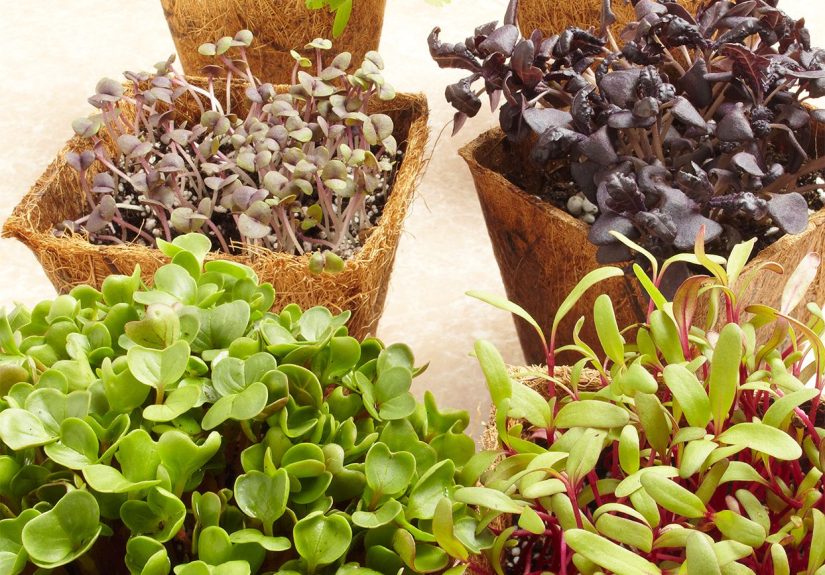
microgreens are crunchy and nutty. They also add colorpurple cabbage microgreens are basically nature’s confetti.
But Do They Replace Vegetables?
Not really. Microgreens shine as a booster, not a substitute. You typically eat them in smaller amounts than a
full salad bowl of mature greens. The best takeaway is practical: microgreens can help you eat more plant variety
more oftenespecially when your fridge is giving “sad carrot” energy.
Best Microgreens for Beginners
If you’re new, start with fast growers and sturdy stems. These are widely considered beginner-friendly:
- Radish (quick, reliable, bold flavor)
- Broccoli (mild, popular choice)
- Pea shoots (sweet, crisp, forgiving)
- Sunflower (crunchy, satisfying, slightly longer grow)
- Mustard (zippy, great for spicy lovers)
Microgreens to Approach with a Bit More Practice
Some varieties can be trickier because of slower germination, fussier moisture needs, or smaller seeds:
basil, cilantro, and some alliums (like onion/chive) often require more patience and consistency.
What You Need to Grow Microgreens at Home
You can keep this simple or go full “mini farm” mode. Here’s the practical middle path.
Supplies Checklist
- Seeds: Use untreated seeds intended for eating (often sold as microgreen/sprouting seeds).
- Trays/containers: Shallow trays work well; drainage is helpful to prevent soggy roots.
- Growing medium: Seed-starting mix, coconut coir, or a food-safe growing mat.
- Light: A sunny window can work; a basic LED grow light improves consistency.
- Watering tool: Spray bottle for misting, plus a way to bottom-water if your tray allows.
- Clean scissors or a sharp knife: For harvesting (and feeling like a tiny salad barber).
How to Grow Microgreens: Step-by-Step
Most microgreens are harvested in about 7–21 days depending on the variety and growing conditions. The steps below
work for many common types.
Step 1: Prep Your Tray (Cleanliness Matters)
Wash trays and tools with hot, soapy water before each grow. This reduces mold and helps keep your crop fresh.
If you reuse trays often, being consistent with cleaning is one of the best “secret weapons” for success.
Step 2: Add Medium and Pre-Moisten
Fill your tray with about 1–2 inches of damp (not dripping) growing medium. Level it gentlyno need to pack it
down like you’re building a sandcastle for a competitive sport.
Step 3: Sow Seeds Evenly
Scatter seeds across the surface. Microgreens are grown more densely than garden vegetables, but you still want
fairly even coverage to reduce bare spots and clumps. Press seeds lightly into the medium for good contact.
Step 4: Cover for Germination (Optional but Helpful)
Many growers cover the tray for a couple of days to keep moisture steady and encourage even sprouting. A second
tray placed on top can create a simple “blackout” period. Some growers add light weight on top for better seed-to-medium
contactespecially for varieties that like a little pressure.
Step 5: Uncover and Move to Light
Once most seeds have sprouted, uncover the tray and give it bright light. If you’re using a window, rotate the tray
so plants don’t lean. If you’re using a grow light, keep it close enough for strong growth without overheating the plants.
Step 6: Water Smart (Bottom-Watering Helps)
Overhead watering can keep leaves too wet and encourage mold. Bottom-wateringadding water to a lower tray so the
medium wicks it uphelps keep foliage drier and reduces problems. If you do mist from above, aim for the medium,
not a leaf bath.
Step 7: Harvest at the Right Time
Harvest when the cotyledons are fully open and the first true leaves are just starting (or shortly after),
depending on the variety and your taste preference. Use clean scissors to cut just above the medium.
Common Problems (and Fixes That Actually Work)
Problem: Mold or Funky Smells
- Cause: Too much moisture, poor airflow, or dirty trays.
- Fix: Bottom-water, reduce humidity, add gentle airflow, and clean trays thoroughly between grows.
Problem: Thin, Floppy, “Leggy” Greens
- Cause: Not enough light after sprouting.
- Fix: Move closer to a brighter window or use a grow light for more consistent intensity.
Problem: Patchy Germination
- Cause: Uneven moisture, old seeds, or inconsistent temperature.
- Fix: Pre-moisten evenly, consider a short covered germination period, and store seeds properly.
Problem: Bitter Taste
- Cause: Variety choice (some are naturally spicy/bitter) or growing stress.
- Fix: Try milder varieties (pea, sunflower, broccoli) and keep moisture/light consistent.
Food Safety: How to Keep Microgreens Safer to Eat
Microgreens are generally handled more like leafy greens than like sprouts, but safety still matters. Seeds can
carry pathogens, and warm, moist conditions can let bacteria multiply if hygiene slips. Government food-safety guidance
has long highlighted sprout-related outbreaks, which is why many home growers are extra careful with seed sourcing,
clean water, and clean equipment.
Practical Safety Habits for Home Growing
- Buy from reputable seed suppliers and choose untreated seeds meant for eating.
- Use clean, potable water for misting and soaking (if your method includes soaking).
- Clean and dry trays/tools between grows to reduce buildup of microbes and mold.
- Refrigerate after harvest and eat within a few days for best quality.
- Rinse before eating if you prefer (then dry gently); keep handling clean like you would with salad greens.
If you’re serving microgreens to someone who is pregnant, immunocompromised, or otherwise at higher risk, it’s wise
to be extra cautious: prioritize reputable seeds, strict cleanliness, and fresh consumption.
How to Store Microgreens (So They Don’t Turn Into Sad Confetti)
Microgreens are perishable because they’re tender. For best results:
- Store unwashed (if possible) in a breathable container lined with a dry paper towel.
- Keep them cold and dry; moisture is the enemy of crispness.
- Use within 3–7 days depending on variety and how dry they were at harvest.
How to Eat Microgreens: Easy Ideas That Feel Fancy
Microgreens are basically edible “upgrade points.” Add them at the end of cooking (or after plating) to preserve
texture and flavor.
- Eggs: Fold into omelets after cooking or sprinkle on top of scrambled eggs.
- Sandwiches & wraps: Replace lettuce with radish, broccoli, or pea shoots.
- Soups: Top a bowl right before serving for color and crunch.
- Salads: Mix microgreens with mature greens for more texture variety.
- Bowls: Add to grain bowls, poke-style bowls, or roasted veggie bowls.
Are Microgreens Worth It? Cost, Convenience, and the “Wow” Factor
Store-bought microgreens can be pricey because they’re delicate and labor-intensive. Growing at home can reduce the
per-serving costespecially if you keep supplies simple and reuse trays. The bigger win, though, is consistency:
you can harvest fresh greens even when it’s freezing outside or when your schedule doesn’t allow for weekly grocery runs.
FAQ: Quick Answers About Microgreens
Do microgreens need sunlight?
They need light after germination to grow strong stems and leaves. A bright window can work, but a small grow light
often produces sturdier results.
Do I need soil?
Not necessarily. Many people use coconut coir or grow mats. A light seed-starting mix is common and beginner-friendly.
How often should I water?
It depends on your indoor humidity and temperature. Aim for evenly moist medium, not soaked. Bottom-watering can
reduce leaf wetness and help prevent mold.
Can I reuse the soil?
For food crops, many growers prefer fresh medium to reduce risk of disease or contamination. If you reuse medium,
take sanitation seriously and watch closely for mold issues.
Experience Notes: What Growing Microgreens Is Really Like (The Good, The Weird, and the Surprisingly Fun)
People often start microgreens thinking it’ll be a tidy little side projectsomething like “I’ll grow a few greens,
feel wholesome, and casually become the kind of person who owns a mortar and pestle.” Then reality kicks in, and it’s
both more chaotic and more satisfying than expected.
One of the first experiences beginners commonly report is the shockingly fast timeline. Traditional gardening teaches patience.
Microgreens teach impatience with a certificate. You sow seeds, and within days you’re watching tiny stems push up like
they’re late for a meeting. That speed makes microgreens feel less like a chore and more like a daily mini-reward:
every morning, something changed.
Another shared experience is learning the difference between “moist” and “soggy” the hard way. New growers often water like they’re
trying to refill a swimming pool. Microgreens respond by getting a bit… dramatic. When the medium stays too wet, you may see fuzzy growth
(sometimes harmless root hairs, sometimes mold), and you’ll quickly discover that airflow is not optional. Many people end up adding a small fan
nearbynot to create a wind tunnel, just to keep the environment from turning into a tiny tropical resort for fungus.
A surprisingly common moment of confusion: root hairs vs. mold. Root hairs can look like fine white fuzz around the base of sprouts,
especially in dense plantings. Mold, on the other hand, often spreads across the medium and smells off. Most growers learn to trust their nose,
adjust watering, and improve ventilation. It’s a very “science fair in your kitchen” vibe, in the best way.
Microgreens also teach a practical kind of observation. You begin noticing how light direction changes growth, how different seeds behave,
and how density affects airflow. People often experiment with small adjustments: covering for germination a little longer, switching to
bottom-watering, or moving the light closer. Microgreens are forgiving enough to let you learn through doing, which is why they’re popular for
classrooms and first-time gardeners.
Then there’s the “food payoff” experience, which is genuinely motivating. Many home growers describe a specific kind of satisfaction in cutting a
handful of fresh greens and adding them to lunch. It’s not just about nutritionit’s the immediacy. You grew this. Five minutes ago it was alive
and standing up straight. Now it’s making your soup look like it came from a café with questionable prices and excellent lighting.
Finally, microgreens tend to create gentle lifestyle upgrades. People start keeping a rotation (radish one week, peas the next), or they keep a tray
going during winter when outdoor gardens are asleep. They also get better at planning: staggered sowing means you can harvest continuously instead
of ending up with a “microgreen flood” on Tuesday and nothing on Friday. Over time, the process becomes almost automatica small routine that
delivers fresh flavor, color, and a tiny sense of control in a world where your email inbox still exists.
Conclusion
Microgreens are a low-commitment, high-reward way to grow food at home. They’re fast, flavorful, and a surprisingly fun entry point into indoor
gardening. Start with easy varieties, keep things clean, manage moisture, and give them bright light after sprouting. Within a couple of weeks, you’ll
have fresh greens ready to level up everyday mealsno backyard required.