Table of Contents >> Show >> Hide
- Why Scandinavian Style Works So Well in a Passive House
- The Foundation of the Look: Keep the Envelope, Then Warm It Up
- The Furniture Formula: Low, Functional, Comfortable
- Dress the Windows Without Fighting the Light
- Texture Is Where the Room Gets Its Personality
- How Passive-House Thinking Improves the Living Room
- A Shopping Mindset That Actually Delivers the Look
- Mistakes to Avoid When You Steal This Look
- Final Takeaway: Quiet Luxury, But Actually Livable
- What It Feels Like to Live With This Look Every Day
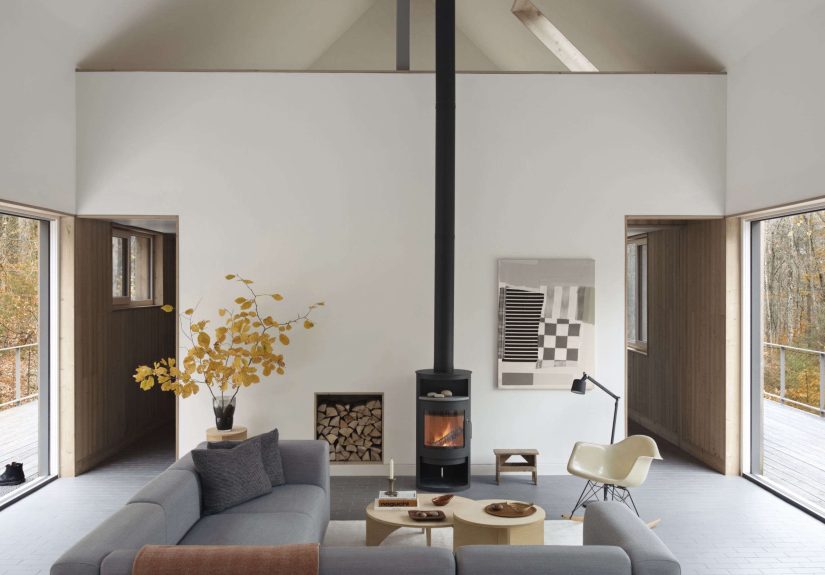
If Scandinavian design and passive-house living had a meet-cute in a very well-insulated hallway, this room would be the happy ending. A Scandi style living room in a passive house is one of those rare design pairings that feels both beautiful and logical. It is calm without being cold, minimal without looking like no one actually lives there, and efficient without shouting, “Ask me about my ventilation strategy!” from across the sofa.
The appeal is easy to understand. Scandinavian interiors are all about light, function, texture, and visual breathing room. Passive houses are designed for comfort, energy efficiency, airtight construction, healthier airflow, and stable indoor temperatures. Put them together and you get a living room that looks serene and feels even better than it photographs. And yes, that is saying a lot in an age when every room seems to be auditioning for social media.
If you want to steal this look, the good news is that you do not need a fjord, a Danish surname, or a degree in building science. You just need the right balance of materials, layout, color, light, and restraint. The magic is not in buying more things. It is in choosing better ones and letting the room breathe.
Why Scandinavian Style Works So Well in a Passive House
At a glance, the match makes perfect sense. Scandinavian design was shaped by long winters, low daylight, and a deep appreciation for comfort. Passive-house design is driven by performance, but the payoff is deeply sensory: fewer drafts, more even temperatures, quieter interiors, and a fresh-air feeling that does not depend on cracking a window every five minutes. Both approaches value simplicity, purpose, and well-being.
That shared philosophy matters in the living room more than anywhere else. This is the social heart of the home. It is where people read, nap, host friends, drink coffee, overwater houseplants, and promise to fold the throw blanket later. In a passive house, the living room becomes a kind of comfort laboratory. The room does not fight the weather outside. It softens it.
Scandinavian style helps translate that performance into visual language. Pale walls amplify daylight. Light wood adds warmth without heaviness. Linen, wool, and boucle create softness without clutter. A restrained palette lets architecture lead. In other words, the room looks the way it feels: calm, deliberate, and quietly luxurious.
The Foundation of the Look: Keep the Envelope, Then Warm It Up
Start with a pale, soft backdrop
Most successful Scandi living rooms begin with a light base. White, warm white, bone, oat, pale greige, or whisper-soft beige all work beautifully. The trick is to avoid an icy hospital white unless your space gets generous sunshine all day. In a passive house, light tones help bounce daylight deeper into the room, which supports the airy, open feeling that Scandinavian interiors do so well.
If your living room already has excellent natural light, you can lean slightly warmer with plaster-like neutrals, sandy clay tones, or barely-there taupe. The goal is not sterility. The goal is visual calm.
Use wood like seasoning, not like a lumberyard
Scandi rooms love natural wood, especially lighter tones like oak, ash, birch, or pine. In a passive-house living room, wood performs a second job beyond style: it visually balances all that sleek efficiency. High-performance windows, tight detailing, and clean-lined construction can look crisp, even severe, if the materials are too hard-edged. Wood softens the mood instantly.
A pale oak coffee table, ash shelving, a blond wood side chair, or even a slatted media unit can bring just enough warmth. You do not need matching sets. In fact, please do not do that. A room full of identical blond wood pieces can quickly drift from “Nordic retreat” into “showroom with excellent tax deductions.” Mix shapes and finishes while keeping the overall tone natural and matte.
Favor honest materials
Scandi style in a passive house looks best when the materials feel real. Think wool throws, linen curtains, cotton upholstery, ceramic lamps, stone accessories, woven baskets, and natural-fiber rugs. These finishes add texture without shouting for attention. They also support the tactile coziness that keeps minimalist rooms from looking emotionally unavailable.
The Furniture Formula: Low, Functional, Comfortable
A Scandi living room should look easy to use. Not precious. Not overstyled. Not arranged like a museum exhibit where one wrong move triggers a silent alarm. Furniture should be comfortable, practical, and visually lightweight.
Choose a sofa with clean lines and a soft attitude
Look for a sofa in a neutral fabric with a low or medium profile, simple arms, and enough depth to invite actual lounging. Cream, oatmeal, mushroom, fog gray, and soft camel are all smart choices. The silhouette should be streamlined, but the upholstery should feel inviting. This is not the time for a stiff modern sofa that looks fabulous and sits like a disappointed principal.
Add one sculptural chair
Every great Scandi living room benefits from a chair that introduces shape. It might be a curved lounge chair in wood and leather, a boucle accent chair with rounded arms, or a woven seat that brings a handcrafted note to the room. One statement chair is often enough. The room should feel curated, not crowded.
Keep tables simple and useful
A coffee table in light wood, stone, or matte black metal can anchor the room without weighing it down. Round edges help soften modern architecture. Nested side tables work especially well in compact passive-house layouts because they offer flexibility without visual bulk.
Let storage disappear
Clutter is the natural enemy of this look. Closed storage is your best friend. Choose a media console, low cabinet, or built-in unit that hides cords, remotes, chargers, board games, and all the other tiny objects that multiply when no one is watching. Scandinavian style thrives on editability. Passive houses often feel especially calm because the architecture is so disciplined; visible clutter breaks that spell fast.
Dress the Windows Without Fighting the Light
One of the easiest ways to ruin a Scandinavian living room is to suffocate the windows. Heavy valances, fussy trims, and overly ornate treatments can work in other styles, but here they interrupt the clean, light-filled look. In a passive house, windows are major players. They are often high-performance, carefully placed, and integral to comfort and solar management. Let them do their job.
The best options are simple linen panels, understated roller shades, or minimal drapery hung high and wide to emphasize height and daylight. If privacy is not a major issue, keep treatments as quiet as possible. You want softness at the edges, not theatrical drama unless your living room is also auditioning for a period drama.
Texture Is Where the Room Gets Its Personality
Minimalism without texture is just a waiting room. The real charm of Scandinavian interiors comes from layering surfaces that feel warm and human. In a passive-house living room, texture is especially important because the architecture is often crisp and highly resolved. You need tactile contrast to keep the room from feeling overly controlled.
Layer textiles with restraint
Start with a wool or flatweave rug in a quiet pattern or solid neutral. Add a heavier knit throw on the sofa, a linen cushion or two, and perhaps one contrasting fabric like boucle, shearling, or washed canvas. The room should feel soft, but not fluffy in every direction. Aim for rhythm, not a pileup.
Use contrast sparingly
Scandi rooms do not need a lot of color, but they do benefit from a little tension. Black-framed artwork, a dark reading lamp, a smoked oak tray, or charcoal cushions can sharpen the palette and keep the room from dissolving into beige mist. A muted olive, rust, slate blue, or earthy green can also work as a low-key accent if the rest of the room stays composed.
Bring in one or two natural notes
A branch in a ceramic vase, a potted olive tree, dried grasses, or a bowl of pears on the coffee table can make the room feel alive without turning it into a garden center. Scandinavian design loves nature, but in a quiet, edited way.
How Passive-House Thinking Improves the Living Room
Passive-house performance changes how a room is experienced. The temperature stays more stable. The air feels fresher. The room is often quieter because the building envelope is doing serious work behind the scenes. That means the living room does not need to compensate with visual excess. It can relax.
That is why this look works best when you decorate with the house rather than on top of it. Do not block ventilation paths with oversized furniture. Do not bury beautiful window lines behind complicated treatments. Do not crowd a carefully proportioned room with a dozen small tables and thirty decorative objects that all seem to be attending different parties.
Instead, lean into the strengths of the architecture. Highlight the daylight. Celebrate the calm. Use fewer, higher-quality furnishings. Choose materials that age well. When a room already feels comfortable at the level of air, light, and temperature, you do not need gimmicks. Comfort becomes the luxury.
A Shopping Mindset That Actually Delivers the Look
If you are recreating a Scandi style living room in a passive house, the smartest approach is not to buy everything at once. Start with the big moves: sofa, rug, coffee table, lighting, and window treatment. Then pause. Live in the room. See how the light behaves in the morning and evening. Notice where you naturally sit. Figure out whether you need more softness, more contrast, or less visual noise.
Scandinavian interiors are often described as minimal, but the better word is intentional. Every piece should earn its place. That might mean saving for a better lamp instead of buying three mediocre ones. It might mean hunting for one beautiful wool rug instead of layering synthetic options that do not feel right. It might mean leaving a corner open rather than filling it with a plant stand, basket, stool, and tiny sculpture just because the internet told you the corner looked lonely.
Empty space is not unfinished. In this style, empty space is part of the design.
Mistakes to Avoid When You Steal This Look
Going too cold
If your room is all white, all gray, and all hard surfaces, it will look more clinical than cozy. Add warmth through wood, textiles, and warm-toned neutrals.
Buying tiny decor by the truckload
Scandi style is not about shelves crammed with miniature objects. A few larger, well-chosen pieces will look calmer and more expensive.
Ignoring lighting layers
Overhead lighting alone rarely flatters a living room. Use a mix of floor lamps, table lamps, sconces, or picture lights to create a softer evening atmosphere.
Confusing minimal with uncomfortable
A room should still invite people to sit down, stay a while, and maybe read half a novel under a blanket. If the room looks stylish but no one wants to be in it, the mission has failed.
Final Takeaway: Quiet Luxury, But Actually Livable
A Scandi style living room in a passive house succeeds because it blends beauty with performance in a way that feels effortless. The palette is restrained, the furniture is functional, the materials are natural, and the atmosphere is deeply comfortable. Nothing is there to impress for five seconds and annoy you for five years. That alone deserves applause.
If you want to steal this look, think in layers: light first, then wood, then texture, then comfort, then edit. Let the architecture lead. Let the room breathe. And remember that the most successful Scandinavian interiors never feel like they are trying too hard. They feel like someone smart made a hundred good decisions, then stopped at exactly the right moment.
What It Feels Like to Live With This Look Every Day
The real test of any living room is not how it photographs at 2 p.m. on a sunny day. It is how it feels on an ordinary Tuesday when someone is answering emails at the coffee table, another person is making tea, and the light outside has turned the color of wet cement. This is where a Scandi style living room in a passive house starts to feel less like a design trend and more like a genuinely better way to live.
In the morning, the room often feels brighter than expected. Pale walls and natural wood do not just look good; they help stretch daylight farther into the space. The room wakes up gently. You notice the grain of the coffee table, the softness of the rug under bare feet, the way a linen curtain filters light instead of blocking it. Nothing feels flashy, but everything feels considered. There is a quiet confidence to that.
Then there is the comfort factor, which is harder to show in a photo and much easier to appreciate in real life. In many ordinary houses, a living room can feel like a collection of weather zones. One chair is freezing, one corner is stuffy, and the seat near the window becomes a seasonal gamble. In a passive house, the experience is usually more even. The room does not nag at you. You are not constantly adjusting your sweater, the thermostat, or your patience. That steadiness changes the whole personality of the space.
The quiet is another surprise. A better building envelope often makes the room feel more sheltered from the outside world, which means soft details matter more. You hear the page turning. You notice the clink of a mug on a wooden table. Music feels richer at lower volume. Conversation is easier. Suddenly, the choice to skip visual clutter makes emotional sense too. The room is not empty; it is restful.
By late afternoon, the textures take over. This is where Scandinavian design earns its reputation for coziness. The boucle chair looks more inviting, the wool throw starts calling your name, and the reading lamp becomes less of an accessory and more of a tiny lifestyle promise. A good Scandi room shifts beautifully from daylight simplicity to evening warmth. It never needs to become dramatic to feel special.
And perhaps the best part is how easy the room is to maintain. Because the palette is controlled and the furniture is purposeful, the room recovers quickly from real life. Fold the blanket, stack the books, fluff two cushions, and it is back. You do not have to style it from scratch every day. That may be the most underrated luxury of all.
Living with this look also changes how you shop. You become pickier, in a good way. You start asking whether a piece adds comfort, utility, or beauty instead of simply filling space. You notice quality more. You stop buying objects that are loud but oddly meaningless. The room teaches restraint without ever feeling strict. It becomes easier to live with less when what remains genuinely works.
That is why this style has staying power. It is not just attractive. It supports daily life. It respects the architecture of a passive house and turns its invisible strengths into visible calm. In a world full of overstimulating interiors and trend-chasing makeovers, that feels refreshing. The room does not beg for attention. It earns affection slowly, then keeps it.