Table of Contents >> Show >> Hide
- The Original Brooklyn Appeal
- Why a Coat Rack Bench Still Works So Well
- The Material Story: Steel and Reclaimed Wood
- How to Style a Coat Rack Bench Without Creating Visual Chaos
- Where This Kind of Piece Works Best
- What to Look for in a Strawser & Smith-Inspired Coat Rack Bench
- Why This Design Still Feels Fresh
- Experiences That Make You Appreciate a Coat Rack Bench
- Final Thoughts
Some furniture tries very hard to be impressive. It shows up polished, dramatic, and just a little too pleased with itself. Then there is the coat rack bench: the practical overachiever of the entryway. It holds coats, catches bags, gives you somewhere to sit while wrestling with boots, and quietly suggests that maybe, just maybe, your life is more organized than it felt five minutes ago.
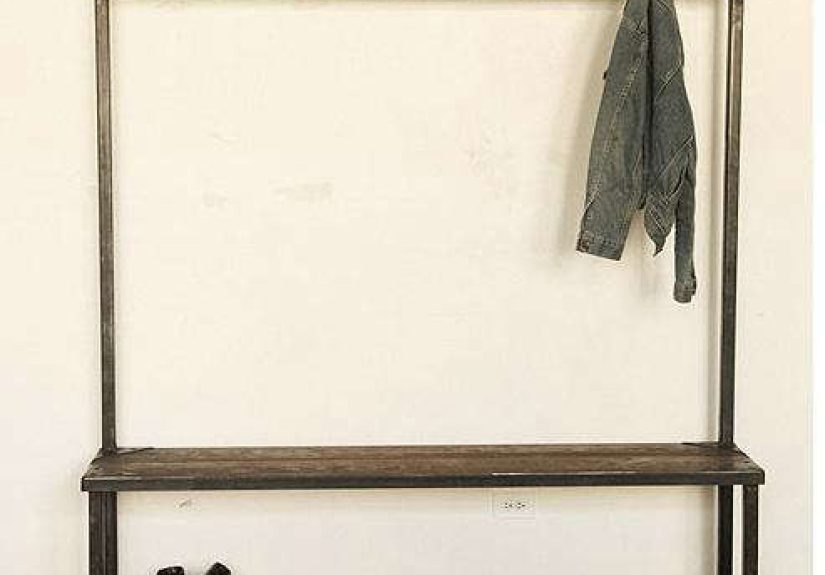
That is exactly why the Storage: Coat Rack Bench at Strawser & Smith in Brooklyn remains such a memorable piece. Originally highlighted as a one-stop entryway solution, it combined a steel frame, reclaimed wood, and built-in hanging space into one hardworking form. In other words, it was not just furniture. It was an intervention. A stylish intervention, sure, but still an intervention for the everyday mess that happens between the front door and the rest of your home.
For anyone interested in entryway storage ideas, industrial entryway furniture, or a smarter way to design a compact drop zone, this piece still offers a masterclass. Even years later, the logic behind it feels modern: use vertical space, add seating, make room for shoes, and keep clutter from staging a full-scale rebellion in the first ten feet of your home.
The Original Brooklyn Appeal
The charm of this coat rack bench was never just about function. It also carried the unmistakable attitude of Brooklyn design during the era when reclaimed materials, industrial salvage, and old-factory character were reshaping interiors. Strawser & Smith built a reputation around that mood. Their world was filled with repurposed furnishings, rugged surfaces, and objects that looked like they had lived a life before arriving in someone’s apartment.
That context matters, because the bench makes more sense when you see it as part of a larger design language. The steel frame gives it backbone. The reclaimed wood brings texture, warmth, and history. Together, those materials hit the sweet spot between utility and personality. It is sturdy without being clunky, handsome without being precious, and distinctly industrial without turning your entryway into a fake machine shop. No one needs their apartment to look like a forklift is about to back through the hallway.
What made the piece stand out was the way it solved several small problems at once. Most entryways need a place to hang coats, stash a bag, pull on shoes, and keep the floor from disappearing under a pile of sneakers. Usually, homeowners solve that with three or four separate pieces. This bench collapsed the whole situation into one compact answer.
Why a Coat Rack Bench Still Works So Well
It turns awkward square footage into useful square footage
Entryways are notorious for being too small, too narrow, too dark, or too undefined. In apartments especially, the “foyer” may actually be a hopeful patch of wall beside the front door. A coat rack bench fixes that by creating an intentional landing zone. Instead of letting coats drift to the dining chair and shoes migrate across the floor like confused wildlife, it gives everything a home.
It makes vertical storage do the heavy lifting
One of the smartest lessons in modern small entryway storage is that walls matter. A bench handles the lower half of the equation, but hooks and hanging rails activate the space above it. That combination keeps the footprint compact while multiplying function. In a city apartment, that is not just smart design; that is survival with better styling.
It creates a mini mudroom without demanding a real mudroom
Not every home has a dedicated mudroom, and frankly, many of us are just trying to find enough room for an umbrella that is not dripping directly onto a tote bag. A bench with coat storage can create the feel of a mudroom in one wall section. Add baskets below, a tray for shoes, and maybe a small shelf above, and suddenly your entry behaves like a much larger, more expensive space.
The Material Story: Steel and Reclaimed Wood
Steel keeps the piece honest
Steel is one of those materials that tells the truth. It does not pretend to be delicate. It does not ask for special treatment. In a high-traffic spot like an entryway, that is a huge advantage. Coats get thrown, bags get dropped, and people lean on furniture in a way they would never admit in polite company. Steel handles all of that with a kind of shrug.
Reclaimed wood keeps it warm
A full metal piece can sometimes feel cold, especially by the front door where people are supposed to feel welcomed rather than processed. Reclaimed wood softens the mood. It adds grain, imperfections, and visual warmth that make the entry feel lived-in instead of sterile. Every mark and variation does a little design work, giving the bench character without forcing you to decorate around it too aggressively.
Patina beats perfection
One reason reclaimed wood and industrial steel remain popular is simple: they wear well. Scratches, scuffs, and dents tend to blend into the story instead of ruining the look. That is perfect for a storage piece. Entryway furniture should not panic every time someone drops a backpack on it. It should age like a favorite leather jacket, not like a white couch at a spaghetti party.
How to Style a Coat Rack Bench Without Creating Visual Chaos
Give each category its own zone
The bench works best when you assign jobs clearly. Hooks are for coats, daily bags, and maybe a hat or two. The bench surface is for sitting, not for building a tower of unopened mail. The area below can hold shoes, baskets, or boot trays. Once every section has a purpose, the whole setup becomes easier to maintain.
Do not overload the hooks
Hooks are wonderful until they start looking like a department-store clearance rack after a windstorm. Limit what stays out. Only the most-used items belong on display. Seasonal extras can move to a closet, and out-of-rotation bags do not need front-row seating by the door.
Use baskets like a civilized person
Baskets under the bench are the peace treaty between beauty and clutter. Gloves, dog leashes, scarves, reusable shopping bags, and all the other small stuff that loves to scatter can disappear neatly into bins. Suddenly the entryway feels intentional instead of mildly panicked.
Add one or two finishing touches, not seven
A mirror, a narrow shelf, or a small lamp can elevate the bench area and make it feel like part of the home’s design rather than a utility station. But restraint is key. The whole point of a storage bench with coat rack is to calm the space down, not give it thirteen more decorative responsibilities.
Where This Kind of Piece Works Best
Small Brooklyn apartments
In compact homes, every inch has to earn its keep. A coat rack bench makes sense because it performs multiple functions without demanding multiple pieces of floor space. It is especially useful in railroad apartments, walk-ups, and front-door-to-living-room layouts where the entry needs instant definition.
Family homes with busy mornings
Families benefit from visible, easy-access storage. Hooks keep coats off the floor, the bench gives kids somewhere to sit while dealing with shoes, and lower storage helps contain the parade of sneakers, boots, and backpacks. If mornings in your house feel like a fire drill with cereal, this type of furniture can help.
Lofts and industrial-inspired interiors
If your home already features brick, exposed beams, metal accents, or vintage-inspired decor, this style fits naturally. The look feels grounded and authentic rather than overly themed. It belongs in interiors that appreciate materials with texture and history.
Homes that need a cleaner first impression
The entryway sets the tone for the entire house. A coat rack bench sends a useful message: we have a system here. Maybe the kitchen island is currently hosting unopened packages, three bananas, and a homework crisis, but the entryway says you have your act together. And sometimes that is enough.
What to Look for in a Strawser & Smith-Inspired Coat Rack Bench
If you want a piece with the same spirit as the original, focus on the bones first and the styling second. The best versions usually share a few traits:
- A sturdy frame: Steel or powder-coated metal helps the bench stand up to daily wear.
- Real texture: Reclaimed wood, solid wood, or a convincingly textured finish keeps the piece from feeling flat.
- Useful hanging space: Enough hooks or a rail for everyday essentials, but not so many that the whole piece becomes clutter bait.
- Lower storage options: An open shelf, cubbies, or room for baskets underneath improves shoe control immediately.
- A compact footprint: The piece should solve problems, not create a traffic jam by the front door.
Also think about your real habits. Are you a “drop keys in a bowl” person or a “leave keys in yesterday’s coat pocket and regret it later” person? Do you need room for children’s backpacks? Dog gear? Wet boots? The best entryway storage bench is not the one that looks prettiest in a vacuum. It is the one that fits the chaos you actually live with.
Why This Design Still Feels Fresh
The reason the Strawser & Smith bench still resonates is that it understood a truth many trendy pieces forget: practical furniture ages better than gimmicky furniture. Homeowners still want the same things they wanted when the piece was first admired. They want a better drop zone. They want less visual clutter. They want storage that does not scream “storage.” They want something that can handle real life while looking sharp in the process.
That is why the industrial-meets-organic combination continues to work. It is balanced. The steel offers structure. The reclaimed wood offers soul. The layout offers usefulness. The entire concept meets modern life where it actually happens: by the door, under time pressure, with one shoe on and no idea where the other one went.
Experiences That Make You Appreciate a Coat Rack Bench
Living with a piece like this changes the rhythm of a home in small but noticeable ways. The first shift is psychological. When you open the door and there is an obvious place for your coat, your bag, and your shoes, your brain gets to relax. You stop making dozens of tiny decisions before you have even put the groceries down. The bench quietly says, “I got this,” which is surprisingly comforting for an object made of steel and wood.
In a Brooklyn apartment, that feeling matters even more. Space is often limited, closets are sometimes optimistic suggestions rather than real storage, and the front door can open directly into the living area like it is in a hurry to join the conversation. In that setting, a coat rack bench becomes less of a decorative item and more of a daily traffic controller. It helps arrivals and departures happen with less drama.
Think about winter for a second. You come in carrying a tote, wearing a coat, scarf, and boots, and maybe trying not to drip all over the floor. Without a good landing zone, everything gets flung onto the nearest chair, radiator, or innocent horizontal surface. With a bench, you sit down, kick off your boots, hang your coat, drop your scarf in a basket, and suddenly the apartment still looks like a functioning adult lives there. That is not magic, but it is close enough for a Tuesday.
The same thing happens on the way out. Morning routines get smoother when the essentials are visible. The shoes you actually wear are under the bench. The bag you need is on a hook. The umbrella is where it belongs instead of vanishing into some strange pocket universe with your missing glove. For families, the impact is even bigger. Kids can sit to put on shoes, backpacks can be assigned their own hook, and the front door area becomes less of a pileup zone.
There is also a design pleasure to it that should not be ignored. A good coat rack bench gives the entryway shape. It creates a moment. It tells guests that the home is considered, even if the host is still reheating coffee for the third time. The bench can hold a folded throw, a handsome basket, or a pair of well-made boots in a way that feels curated but not fussy. It offers that elusive balance between tidy and lived-in.
And then there is the material experience. Reclaimed wood has a way of making everyday use feel richer. You notice the grain, the worn edges, the marks that suggest another life before this one. Steel brings the opposite quality: coolness, clarity, structure. Together they create something that feels grounded. You are not babying it. You are using it. That matters. The best storage furniture is furniture you never feel nervous around.
Over time, a piece like this often becomes part of the house’s routine memory. It is where the dog leash lives. Where guests put their coats. Where a kid sat to learn how to tie shoes. Where wet umbrellas drip in summer thunderstorms and wool scarves pile up in January. It becomes the stage for all the little moments that happen between leaving and returning. That might sound sentimental for a bench with hooks, but good home design often works exactly that way. The pieces that help most tend to become the pieces you stop noticing because they fit so well into daily life.
That is the real legacy of the Strawser & Smith idea. It was stylish, yes. It was industrial, yes. But most of all, it understood that the front door is where the mess begins and where order has the best chance of winning.
Final Thoughts
The Storage: Coat Rack Bench at Strawser & Smith in Brooklyn remains a compelling reference point because it solved an ordinary problem with uncommon clarity. It merged coat storage, seating, and shoe management into one piece while keeping the look warm, urban, and unmistakably characterful. For modern homes, especially smaller ones, that formula still works beautifully.
If you love reclaimed wood furniture, appreciate the honesty of steel, or simply want your entryway to stop behaving like a dumping ground, the lessons of this Brooklyn bench are still worth stealing. Use vertical space. Add a seat. Respect the drop zone. Keep the styling simple. And remember that the best storage furniture is the kind that makes life easier while looking like it has better stories than most of the people in the room.