Table of Contents >> Show >> Hide
- Why Firefighting Has Something to Teach Health Care
- The Incident Command Mindset: One Leader, One Plan, One Shared Picture
- Accountability Is Not Blame; It Is Knowing Where Everyone Is
- Briefings and Huddles: The Two-Minute Tool That Saves Hours
- Plain Language Beats Fancy Confusion
- Checklists: Not Because People Are Forgetful, but Because Systems Are Messy
- Train Like It Matters, Because It Does
- After-Action Reviews: Learning Without the Finger-Pointing Circus
- High Reliability: Expect Trouble Before Trouble Sends an Invoice
- Patient Safety Needs a Culture That Welcomes Bad News Early
- Fixing Health Care Flow: Move the Right Resources to the Right Place
- Technology Should Be the Radio, Not the Fire
- Leadership Lessons: Calm Is Contagious, but So Is Confusion
- Specific Examples of Firefighting Ideas in Health Care
- The Human Side: What This Looks Like at the Bedside
- Experiences and Reflections: What Firefighting Can Teach Us About Everyday Care
- Conclusion: The Firehouse Future of Health Care
Health care does not need more heroic speeches. It has plenty. What it needs is what firefighters figured out the hard way: when the room is filling with smoke, everybody needs a clear role, a shared plan, a fast feedback loop, and the courage to call out danger before someone gets hurt. That may sound obvious, but in hospitals, clinics, emergency departments, nursing homes, and operating rooms, “obvious” often gets buried under alarms, passwords, staffing gaps, unread messages, and a charting system that appears to have been designed by a raccoon with a keyboard.
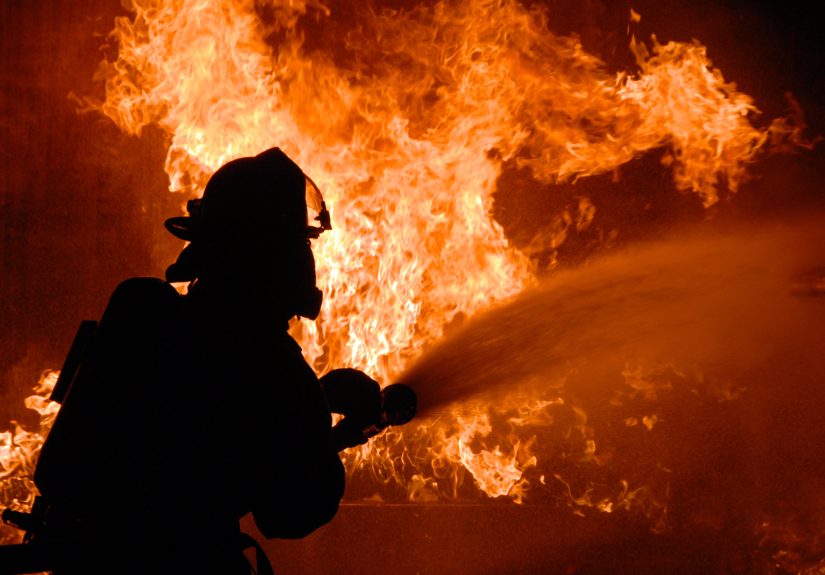
The idea behind “taking a page from firefighting to fix health care” is not that doctors should wear helmets or nurses should slide down poles between medication rounds. It is that the fire service has built practical habits for operating safely in chaos. Firefighters use command structures, briefings, accountability boards, after-action reviews, drills, checklists, plain language, and an almost stubborn respect for risk. Health care, which also works in high-pressure, high-stakes environments, can borrow these habits without losing its humanity.
Modern patient safety thinking already points in this direction. For decades, experts have argued that many medical errors are not caused by “bad people,” but by good people working inside poorly designed systems. The fix, then, is not simply to tell clinicians to “try harder.” That is the workplace equivalent of telling a smoke detector to be more emotionally invested. The real fix is to design systems that make safe actions easier, risky actions harder, and teamwork more reliable.
Why Firefighting Has Something to Teach Health Care
Firefighting and health care share a strange family resemblance. Both involve specialized knowledge, unpredictable conditions, public trust, emotional intensity, and decisions that may need to be made before all the information is available. Both depend on teams rather than lone geniuses. And both can punish silence. If a firefighter sees a roof sagging and says nothing, danger spreads. If a nurse notices a confusing medication order and feels too intimidated to speak up, danger spreads just as quietly.
Fire departments learned that bravery is not enough. Courage may get someone into a burning building, but coordination gets them out. That is why incident command systems exist: they create a common structure for leadership, communication, resource management, and accountability. The same logic belongs in health care. During a complex hospital admission, a difficult surgery, a sepsis response, a mass casualty event, or even a busy Monday morning clinic schedule, the team needs to know who is leading, what the immediate goal is, what resources are available, and when the plan has changed.
The Incident Command Mindset: One Leader, One Plan, One Shared Picture
One of the most useful ideas health care can borrow from firefighting is the incident command mindset. In emergency response, incident command is not about ego. It is about clarity. Someone is responsible for coordinating the response, assigning roles, tracking hazards, and adjusting strategy as conditions change. People know where information should flow. They know who has authority. They know the difference between improvisation and chaos.
Health care often struggles because leadership is scattered across titles, departments, shifts, and computer systems. In a hospital, one patient may interact with physicians, nurses, pharmacists, respiratory therapists, social workers, transport staff, specialists, and family caregivers in a single day. Everyone may be doing their best, yet nobody may have the whole picture. That is how duplicate tests happen, discharge plans wobble, and a patient hears three different explanations before lunch.
A firefighting-inspired approach would make the “commander’s intent” visible. For example: What is the patient’s biggest risk today? Who owns the next decision? What would trigger escalation? What is the backup plan? In everyday care, that might look like structured huddles at the start of a shift, a clearly identified clinical lead, a shared problem list, and a brief end-of-day check to confirm that nothing important has fallen through the cracks.
Accountability Is Not Blame; It Is Knowing Where Everyone Is
Firefighters treat accountability as a survival tool. Crews track who is on scene, where they are assigned, and whether they are safe. This is not micromanagement. It is how teams avoid losing people in dangerous environments. Health care needs the same kind of accountability, but translated for patient care.
In health care, accountability means knowing who is responsible for each part of the care plan. Who is following up on the abnormal lab result? Who told the patient about the medication change? Who confirmed the home oxygen delivery? Who owns the handoff after the specialist consult? If the answer is “everyone,” the real answer may become “no one,” and that is where the gremlins move in.
Better accountability does not mean public shaming or adding another spreadsheet nobody opens. It means creating visible, simple systems that help teams keep track of tasks, risks, and responsibilities. A unit board, a shared digital checklist, a standardized discharge tracker, or a daily safety huddle can do what firefighting accountability boards do: turn invisible risk into something the team can see and manage.
Briefings and Huddles: The Two-Minute Tool That Saves Hours
Fire crews do not wait until everything has gone sideways to start communicating. They brief before action, communicate during action, and debrief afterward. Health care can gain a lot from this rhythm. A two-minute huddle may prevent two hours of confusion, and in some cases, it may prevent harm.
A strong health care huddle answers a few basic questions: What is happening today? Which patients are at highest risk? Where are we short on staff, supplies, or time? What could surprise us? What do we need from each other? This is not a meeting in the soul-crushing sense. No one needs a 42-slide deck titled “Operational Alignment Journey.” It is a practical pause before the sprint.
AHRQ’s TeamSTEPPS program reflects this same philosophy by emphasizing communication tools, mutual support, situation monitoring, and leadership. In plain English, it teaches teams how to talk before trouble grows teeth. Tools like SBAR, check-backs, call-outs, and handoff structures help turn scattered updates into reliable communication.
Plain Language Beats Fancy Confusion
Fire scenes are not the place for vague poetry. If a wall is unstable, people need clear language. If a team must evacuate, the message cannot sound like a suggestion from a committee. Health care, however, has a long and dramatic relationship with jargon. It can turn “drink more water” into “optimize oral hydration status,” which is impressive in the way a seven-layer password is impressive: technically sophisticated, but not always helpful.
Patients and families are part of the care team. If they do not understand the plan, the plan is weaker. A firefighting-inspired health care system would use plain language not as a nice extra, but as a safety tool. Clinicians can still be precise without sounding like a medical textbook fell into a blender. “Here is what we are worried about,” “Here is what we are watching,” and “Here is when you should call us” are powerful phrases.
Plain language also helps teams. When one clinician says, “I am concerned this patient is getting worse,” the message should not be buried under hierarchy. Clear, direct communication is especially important during emergencies, transfers, and shift changes. In firefighting and health care alike, uncertainty is normal. Ambiguity is optional.
Checklists: Not Because People Are Forgetful, but Because Systems Are Messy
Some professionals resist checklists because they feel too simple. But simple does not mean shallow. Firefighters check equipment because discovering a missing tool during an emergency is a spectacularly bad time for personal growth. Health care checklists work the same way. They are not insults to expertise; they are seatbelts for complex work.
Surgical safety checklists, medication reconciliation processes, infection-prevention bundles, central-line protocols, and discharge checklists all reflect the same basic principle: critical steps should not depend entirely on memory. Humans are brilliant, but we are also the species that walks into a room and forgets why we came there. In medicine, relying on memory alone is not a strategy. It is a gamble wearing a lab coat.
The best checklists are short, practical, and built with the people who use them. They should support judgment, not replace it. A checklist that takes longer than the procedure may become wallpaper. A checklist that catches one missing antibiotic dose, one wrong-site risk, or one unclear discharge instruction earns its keep.
Train Like It Matters, Because It Does
Firefighters drill. They practice communication, rescue, equipment use, command transitions, and worst-case scenarios before the worst case arrives. Health care has simulation training too, but it is still unevenly used. Some teams practice emergencies regularly; others are expected to perform flawlessly because everyone once attended a mandatory training module with a cheerful quiz at the end.
Simulation is one of the most practical ways to improve health care teamwork. A team can practice responding to a deteriorating patient, a medication error, a power outage, a cyberattack, a difficult airway, or a sudden surge in emergency visits. The point is not to embarrass people. The point is to find weak spots while the “patient” is a mannequin and the stakes are educational rather than tragic.
Good drills reveal the truth. Maybe the crash cart is hard to access. Maybe the phone tree is outdated. Maybe nobody knows who calls the family. Maybe the medication scanner fails right when the team needs it. These discoveries are gifts, even if they arrive wrapped in awkward silence.
After-Action Reviews: Learning Without the Finger-Pointing Circus
After a fire response, teams often review what happened: What was expected? What actually occurred? What went well? What should change before next time? Health care needs more of this disciplined learning and less of the traditional “find the person closest to the problem and glare meaningfully” approach.
After-action reviews work best when they are timely, specific, and psychologically safe. That means people can speak honestly without fearing humiliation. A respiratory therapist should be able to say, “The equipment was not where we expected.” A resident should be able to say, “I was unclear about who was leading.” A nurse should be able to say, “I raised a concern, but it did not seem to land.” These comments are not complaints; they are system intelligence.
The goal is not to create a perfect team. Perfect teams exist mostly in motivational posters and stock photos where everyone points at a laptop. The goal is to create a learning team: one that notices risk, talks about it, fixes what it can, and remembers the lesson next Tuesday when everyone is tired again.
High Reliability: Expect Trouble Before Trouble Sends an Invoice
High-reliability organizations are built around a serious respect for failure. They do not assume that because yesterday went well, tomorrow will politely behave. Firefighters constantly read the scene: smoke behavior, building structure, wind, water supply, crew fatigue, changing conditions. Health care teams can do the same with clinical risk.
A high-reliability hospital or clinic asks: Where are errors most likely today? Which patients are unstable? Which processes are fragile? Which handoffs are risky? Which staff members are overloaded? Which technology is quietly plotting against us? This kind of thinking shifts safety from reactive to proactive.
For example, if a hospital notices that medication errors increase during shift change, the answer is not simply “be more careful.” The answer may include protected handoff time, fewer interruptions, clearer medication displays, pharmacist involvement, and a standard read-back process. Firefighters do not respond to repeated roof collapses by reminding everyone that roofs are important. They change tactics.
Patient Safety Needs a Culture That Welcomes Bad News Early
One of the most powerful lessons from firefighting is that bad news does not improve with age. If conditions are worsening, leaders need to know early. In health care, the same principle applies. A small concern can become a serious event when staff feel ignored, rushed, or afraid to speak up.
Safety culture is the shared belief that protecting people matters more than protecting appearances. It shows up when leaders thank staff for reporting near misses. It shows up when a patient’s family is taken seriously after saying, “Something seems different.” It shows up when a junior team member can challenge a decision respectfully and be heard.
AHRQ’s patient safety culture surveys and national safety efforts emphasize measuring culture because what goes unmeasured often goes unmanaged. A hospital may have excellent slogans, but slogans do not catch errors. Culture is revealed in what happens when someone reports a hazard at 2:00 a.m. on a busy unit.
Fixing Health Care Flow: Move the Right Resources to the Right Place
Firefighting is also a lesson in resource management. You cannot send the same crew everywhere at once. You cannot pretend a water supply problem will solve itself through optimism. Health care leaders face similar constraints: bed capacity, staffing, supplies, operating room time, imaging availability, and patient transportation all affect safety.
When resources are mismanaged, patients wait, clinicians burn out, and small delays multiply. A firefighting-inspired system treats flow as a safety issue, not an administrative hobby. Emergency department crowding, delayed discharges, and unclear transfer processes are not just inconveniences. They can increase risk by stretching teams beyond safe limits.
Daily operational huddles, escalation triggers, real-time bed management, and visible staffing plans can help health systems respond before pressure becomes crisis. The question is not, “Why are people stressed?” The better question is, “What is the system asking people to survive today, and how do we redesign it?”
Technology Should Be the Radio, Not the Fire
Firefighters rely on communication tools, but the tools serve the mission. Health care sometimes gets this backward. Electronic health records, portals, dashboards, alerts, and messaging systems should make care safer and clearer. Too often, they create alarm fatigue, extra clicks, duplicate documentation, and inboxes that multiply like rabbits with Wi-Fi.
A firefighting lens asks whether technology improves situational awareness. Can the team quickly see the patient’s current status, risks, medications, goals, and pending tasks? Can alerts distinguish between a true emergency and a digital cough? Can patients understand their instructions? Can clinicians find what they need without conducting an archaeological dig through tabs?
Good technology makes the safe path easier. Poor technology becomes another hazard on the scene. Health care leaders should evaluate digital tools the way an incident commander evaluates equipment: Does it work under pressure? Does it help the team communicate? Does it reduce risk? Or does it simply make the chaos more expensive?
Leadership Lessons: Calm Is Contagious, but So Is Confusion
In a fire, leadership sets the tone. A calm, clear incident commander helps the team function. A confused leader can create more danger than the flames. Health care leadership works the same way. Executives, department heads, charge nurses, physician leaders, and supervisors all shape whether safety is real or decorative.
Leaders can borrow three habits from firefighting. First, be visible when conditions are difficult. Second, listen to the people closest to the work. Third, turn lessons into action quickly. A safety report that disappears into a committee cave for nine months sends a message: “Thank you for your concern; we have placed it in a drawer.”
Strong leaders also protect the workforce. Patient safety and workforce safety are connected. Exhausted, unsupported clinicians are more likely to miss signals, skip steps, or leave the profession altogether. A health system cannot claim to value safety while treating staff like disposable batteries.
Specific Examples of Firefighting Ideas in Health Care
1. The Safety Huddle as the Daily Size-Up
Firefighters perform a size-up to understand the scene. Health care teams can do a daily size-up of clinical risk. A medical unit might identify fall risks, infection concerns, staffing gaps, and patients likely to deteriorate. The huddle should be brief, focused, and action-oriented.
2. The Patient Care “Accountability Board”
Just as fire crews track assignments, care teams can track pending tasks and responsible owners. A discharge board might show who needs medication teaching, transportation, follow-up appointments, equipment, or family communication. The goal is not surveillance. The goal is preventing important tasks from vanishing into the fog.
3. The After-Action Review After a Near Miss
When a near miss occurs, the team can review it quickly: What happened? What almost happened? What protected the patient? What should be changed? Near misses are free lessons. Ignoring them is like receiving a smoke alarm and removing the batteries because the beeping is annoying.
4. Simulation for Rare but Dangerous Events
Hospitals can drill for events they cannot afford to mishandle: neonatal emergencies, sepsis escalation, operating room fires, violent incidents, downtime during cyberattacks, or mass casualty surges. Practice builds muscle memory and reveals system gaps before real patients are involved.
The Human Side: What This Looks Like at the Bedside
Imagine an elderly patient admitted with pneumonia, diabetes, and mild confusion. In an ordinary fragmented system, the physician adjusts antibiotics, the nurse notices the patient is unsteady, the pharmacist catches a medication interaction, the daughter worries her mother is “not herself,” and the case manager starts discharge planning. Each person holds part of the truth. But unless those pieces come together, the patient may fall, receive confusing instructions, or go home without the right support.
Now imagine the same patient in a firefighting-inspired system. The team huddles in the morning and identifies her as high risk for falls and readmission. The nurse owns mobility precautions. The pharmacist reviews medications before noon. The physician explains the day’s goals in plain language. The daughter is invited to share concerns. The discharge plan is tracked visibly, and the team confirms understanding before the patient leaves. No capes. No drama. Just coordination.
Experiences and Reflections: What Firefighting Can Teach Us About Everyday Care
The most memorable lesson from firefighting is not the siren or the smoke. It is the discipline behind the drama. From the outside, emergency response looks fast and instinctive. From the inside, it is built on repetition, roles, trust, and shared language. Health care can feel equally dramatic from the outside: the emergency department rush, the operating room focus, the intensive care alarms, the midnight decisions. But the best care, like the best firefighting, depends on quiet preparation long before the crisis.
One experience that stands out in health care is how often teams already know where the danger lives. Ask a nurse where the next fall might happen, and you may get a very specific answer. Ask a pharmacist which medication process is risky, and you may hear a clear explanation. Ask a patient’s family what worries them, and they may describe the earliest sign of decline. The information is there. The problem is that many systems do not have a reliable way to capture it, respect it, and act on it.
Firefighting offers a refreshing contrast because it treats frontline observations as essential. If the person closest to the hazard sees something, the team needs that information immediately. Health care should embrace the same humility. The person with the most important safety insight may not be the person with the longest title. It may be the medical assistant who notices a patient looks weaker than yesterday, the housekeeper who sees a spill near a doorway, or the family caregiver who says, “This is not normal for him.”
Another experience is that health care teams often confuse being busy with being coordinated. A unit can be full of motionphones ringing, carts rolling, clinicians walking quickly enough to qualify for a small municipal paradeand still lack a shared plan. Firefighters know that motion without command can become dangerous. Health care needs to make coordination visible. A five-minute huddle may feel impossible on a busy day, but that is usually when it is most needed. When nobody has time to communicate, everyone pays interest on the confusion later.
There is also a powerful emotional lesson. Firefighters train for frightening situations so fear does not become the leader. Health care workers also face fear: fear of missing something, fear of harming a patient, fear of being blamed, fear of speaking up, fear of not having enough staff or time. A safer system does not pretend these fears are weakness. It designs around them. It gives people scripts for escalation, leaders who listen, drills that build confidence, and review processes that seek learning instead of scapegoats.
Finally, firefighting reminds health care that safety is a team sport. No one would send a single firefighter into a complex emergency and say, “Good luck, please remember all best practices.” Yet health care often places impossible expectations on individuals. It asks clinicians to remember every detail, overcome every broken process, communicate perfectly across every gap, and somehow remain cheerful while doing battle with a printer named “NurseStation-3” that has chosen violence. The better path is systems thinking: design the work so good people can succeed more often.
Taking a page from firefighting does not mean making health care more militaristic or rigid. It means making it clearer, safer, and more honest about risk. It means replacing vague teamwork slogans with practical teamwork habits. It means treating communication as a clinical tool, not a personality trait. It means building a culture where calling out danger is normal, preparation is respected, and learning happens while memories are fresh.
Conclusion: The Firehouse Future of Health Care
Health care will never be simple. People are complex, illness is unpredictable, and even the best systems will face pressure. But complexity is not an excuse for confusion. Firefighting shows that dangerous work can be made safer through structure, communication, training, accountability, and continuous learning. These are not glamorous fixes, but they are powerful ones.
If health care wants fewer preventable harms, better teamwork, stronger patient trust, and a healthier workforce, it should stop waiting for one grand miracle solution. The answer may be hiding in plain sight at the firehouse: brief early, communicate clearly, know who is responsible, practice before crisis, review after action, and never ignore smoke just because the flames are not visible yet.