Table of Contents >> Show >> Hide
- Why This One Step Matters So Much
- What “Reliable” Actually Looks Like in Winter
- The Best Feeder Is More Than Food
- Common Winter Hummingbird Mistakes to Avoid
- Which Hummingbirds Might Show Up in Winter?
- How to Build a Winter Hummingbird Routine
- The Real Secret: Consistency Beats Fancy Gadgets
- What This Looks Like in Real Life: Winter Hummingbird Experiences From the Backyard
- Conclusion
If you love hummingbirds, winter can feel a little unfair. One day your yard is buzzing like a tiny airport, and the next it looks like every jeweled pilot packed up and headed for a tropical vacation. But in many parts of the United States, that is not the whole story. Some hummingbirds do stay longer than expected, some pass through late, and some actually spend the winter in places where mornings can feel more “ice scraper” than “flower garden.”
So what is the single most important thing you can do to help backyard hummingbirds survive the winter?
Keep a clean, reliable hummingbird feeder available with fresh, properly mixed nectar.
That is the big one. Not the only one, but the one that does the most immediate good. In winter, consistency matters. A hummingbird can handle cold better than most people realize, but it cannot handle an empty fuel tank. These birds burn energy at a ridiculous rate, and on cold nights they may go into torpor, a state that helps them conserve energy until morning. When day breaks, they need fast access to calories. That is where a well-maintained feeder can make a real difference.
In other words, if winter is a tough pop quiz, your feeder is the cheat sheet. The legal kind.
Why This One Step Matters So Much
Hummingbirds live at full speed. Their tiny bodies are built for rapid wingbeats, constant motion, and a metabolism that basically laughs in the face of moderation. During the growing season, they can rely on nectar-rich flowers, small insects, and spiders. In winter, natural food sources shrink in many areas. Fewer blooms. Fewer bugs. Colder mornings. Longer nights. More competition for whatever remains.
That is why a dependable feeder becomes more than a cute backyard accessory. It becomes a predictable energy station. And “predictable” is the key word here. A hummingbird visiting your yard in December or January is not looking for a Pinterest moment. It is looking for calories.
People sometimes worry that leaving a feeder up will stop hummingbirds from migrating. That myth has been fluttering around for years, but it does not hold up. Migration is driven primarily by daylight and seasonal biology, not by whether Brenda from down the street is refilling a red feeder. Keeping a feeder up in fall and winter does not trap hummingbirds in place. What it does do is help birds that are already present, moving through, or overwintering nearby.
What “Reliable” Actually Looks Like in Winter
Putting up a feeder is easy. Keeping it winter-worthy is the real job.
1. Use the correct nectar recipe
The safe homemade formula is simple: 1 part plain white sugar to 4 parts water. That is it. No honey, no brown sugar, no raw sugar, no artificial sweetener, and absolutely no red food dye. Natural flower nectar is clear, and hummingbirds do not need their breakfast to look like sports drink.
If you want to make a batch without turning your kitchen into a chemistry lab, think of it this way: one cup of sugar to four cups of water, or one-quarter cup of sugar to one cup of water. Stir until fully dissolved, cool it, and fill the feeder.
2. Keep it clean
Winter nectar lasts longer than summer nectar in many climates, but “longer” does not mean “forever.” A dirty feeder can grow mold or harmful microbes, and hummingbirds are far too tiny for anyone to be casual about that. Wash feeders thoroughly and change the nectar regularly. If the nectar looks cloudy, the feeder feels slimy, or the ports look questionable, it is cleanup time. Immediately.
A good rule of thumb is to clean more often when conditions are warm or if the feeder gets dirty fast. In colder weather, you still need to inspect it often because winter gunk is sneaky. One day the feeder looks fine, the next day it looks like a tiny science fair project.
3. Do not let it freeze solid
This is the winter challenge that separates casual bird lovers from the truly committed. In freezing weather, nectar can ice up before the birds get their morning meal. The fix depends on your climate, but the goal is always the same: make sure nectar is available when hummingbirds need it most, especially early in the day.
Some people rotate two feeders, bringing one in to thaw while the other is outside. Others use safe feeder warmers or protected feeder covers designed for cold weather. In milder winter regions, simply checking the feeder at dawn may be enough. However you do it, the mission is simple: no frozen breakfast bar.
The Best Feeder Is More Than Food
A winter feeder does not work in isolation. It works best as part of a hummingbird-friendly setup that helps birds stay safe, conserve energy, and find backup food.
Place it near shelter, but not in danger
Hummingbirds like access to shrubs, small trees, vines, and perches. They need places to rest, preen, hide from wind, and survey the neighborhood like tiny, glittering property managers. A feeder near protective cover can make birds feel more secure.
But do not place it in a collision zone. If you hang feeders near windows, follow smart bird-safety spacing so birds are less likely to strike glass. Nobody wants to help hummingbirds and accidentally turn the breakfast station into a hazard.
Give them more than sugar
Nectar is fuel, but hummingbirds also eat small insects and spiders for protein and nutrients. That matters year-round, including winter in milder regions. A yard with native plants, layered vegetation, and fewer chemicals supports more insect life, which supports more birds.
This is one reason native plants are such a powerhouse strategy. They do not just offer blooms. They help build a functioning mini-ecosystem. The more your yard acts like habitat instead of outdoor furniture storage, the more useful it becomes to wildlife.
Add winter-blooming plants when possible
Depending on where you live, winter flowers can provide important natural nectar. Gardeners in milder climates, especially along parts of the Pacific Coast and the South, can make a real difference with plants that bloom during the cooler months. Locally appropriate native or climate-adapted species often outperform flashy exotics because they are part of the food web, not just the landscaping budget.
Even if your yard is small, container plantings, flowering shrubs, and a few strategically chosen perennials can stretch the buffet beyond the feeder.
Common Winter Hummingbird Mistakes to Avoid
Helping hummingbirds is wonderfully simple right up until humans decide to get creative. Resist the urge.
Using red dye
Skip it. The feeder itself can provide the visual cue. Dyed nectar is unnecessary, and there is no good reason to gamble with a bird that weighs about as much as a few paper clips.
Using honey or sugar substitutes
Honey can promote dangerous fungal growth, and artificial sweeteners do not provide the calories hummingbirds need. These birds are not on a low-carb plan.
Taking the feeder down too early
Late migrants and wintering hummingbirds do not check your calendar before showing up. Keeping feeders out later in the season helps birds passing through and does not prevent migration. In many regions, leaving a feeder up for at least a couple of weeks after you think your last hummingbird has gone is the smarter move.
Thinking flowers alone are enough in cold weather
Flowers are excellent. Native plants are excellent. Habitat is excellent. But in winter, especially during cold snaps, a reliable feeder can be the difference between “helpful yard” and “lifesaving stop.” Think of flowers as the neighborhood café and the feeder as the open 24-hour diner.
Which Hummingbirds Might Show Up in Winter?
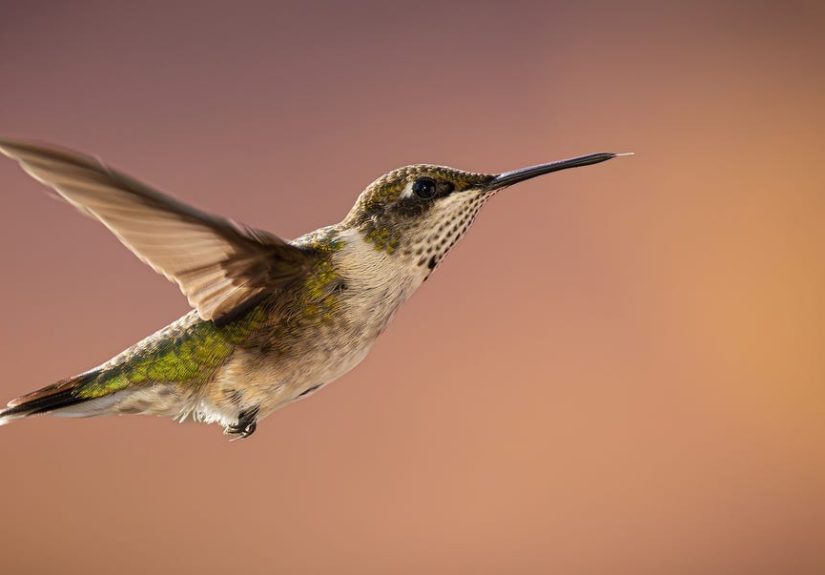
That depends on where you live. In the eastern United States, most Ruby-throated Hummingbirds migrate south, though some winter along the Gulf Coast, southern Atlantic areas, and Florida. In the West, Anna’s Hummingbirds are famous for sticking around in cooler weather and are common winter hummingbirds along much of the Pacific Coast. Rufous, Allen’s, and Black-chinned Hummingbirds also turn up in winter in parts of the United States more often than many people expect.
The main point is this: if a hummingbird is in your yard during winter, believe it. Backyard birders sometimes assume they must be imagining things because “hummingbirds aren’t supposed to be here now.” The hummingbird did not get that memo.
How to Build a Winter Hummingbird Routine
If you want to make this easy on yourself, create a simple winter system:
Morning
Check the feeder early, especially after a freezing night. Make sure nectar is liquid and ports are open.
Afternoon
Give the feeder a quick look. If activity is high, nectar may need topping off. If the weather is rough, confirm the feeder is still clean and accessible.
Every few days
Wash the feeder thoroughly and refill with fresh nectar. If your weather swings between chilly and mild, inspect more often because bacteria and mold do not care that it is technically winter.
All season long
Keep the surrounding yard friendly: avoid pesticides, leave some natural cover, support insect life, and include plants that offer nectar or shelter. The feeder may be the star, but habitat is the supporting cast that deserves an award too.
The Real Secret: Consistency Beats Fancy Gadgets
People love to ask for the best hummingbird hack, the ultimate birding trick, the magical product that turns a regular yard into hummingbird paradise. Usually the answer is into hummingbird paradise. Usually the answer is less glamorous than they hoped. The most effective help is not complicated. It is consistent.
A clean feeder with safe nectar, checked often, protected from freezing, and supported by a healthy yard does more good than any flashy “bird miracle” sold online. Hummingbirds do not need gimmicks. They need dependable energy, safe conditions, and a habitat that still offers something real when the season gets tough.
That is why the number one thing you can do is so wonderfully ordinary: keep the feeder up, keep it clean, and keep it full.
What This Looks Like in Real Life: Winter Hummingbird Experiences From the Backyard
If you have ever cared for winter hummingbirds, you know the experience gets personal fast. It starts innocently enough. You notice one bird at the feeder on a cold morning and think, “Well, that is unusual.” Then the next day it comes back. Then it starts showing up at almost the exact same time every morning, and suddenly your winter routine includes checking sugar water before you check your own coffee.
Many backyard bird lovers describe the same pattern. Cold dawn. Bare branches. Maybe a little frost on the railing. Then, out of nowhere, a tiny hummingbird appears like a spark with wings and zips straight to the feeder as if it has a standing reservation. Watching that moment changes how people think about winter wildlife. These birds are so small that they seem almost impossible in cold weather, and yet there they are, surviving on grit, strategy, and every calorie they can find.
One of the most memorable parts of the experience is how quickly hummingbirds learn a routine. Put out fresh nectar at the same hour for a few days, and they often seem to notice. Some perch nearby and wait. Some buzz past your shoulder like impatient customers at a bakery opening late. Some defend the feeder with the confidence of a bird ten times their size. A single winter hummingbird can make a quiet backyard feel surprisingly alive.
There is also a practical side to the experience. Winter hummingbird care teaches you to pay attention. You start noticing which corner of the yard stays out of the wind. You learn which feeder is easiest to clean. You figure out how quickly nectar cools, when it starts to freeze, and how early the birds arrive after a cold night. It becomes less about decoration and more about stewardship. You are not just hanging a feeder. You are managing a tiny fuel station for a high-performance migrant, resident, or wanderer trying to make it through the season.
And then there is the emotional part, which bird lovers know well. Seeing a hummingbird in winter has a way of making the whole season feel less empty. The garden may look asleep, the flowers may be gone, and the trees may be stripped down to sticks, but one tiny bird can still turn the yard into a place of motion and color. It is hard not to root for something so small and so determined.
That may be why people who start helping winter hummingbirds often keep doing it year after year. The reward is not just that the birds visit. It is that the visits feel earned. You cleaned the feeder. You mixed the nectar correctly. You checked it in the cold. And the next morning, there is that little hum in the air again, proof that your effort mattered.
For many households, winter hummingbirds become part of family memory too. Kids watch for “the first bird of the morning.” Neighbors text each other when one appears after a freeze. Someone in the house inevitably becomes “the feeder person,” which sounds unofficial until you realize the birds apparently agree. These are small experiences, but they add up. They connect people to the season in a way that feels active, hopeful, and real.
So yes, the number one thing you can do is keep a clean, reliable feeder available. But the experience of doing that becomes something bigger. It turns winter bird care into a daily act of attention. And in return, the hummingbirds give you one of the best gifts a backyard can offer in the coldest part of the year: proof that life, color, and stubborn little miracles are still very much out there.
Conclusion
If you want the simplest answer, here it is: keep a clean hummingbird feeder available all winter with fresh, properly mixed nectar, and make sure birds can access it during cold weather. That single habit does the most immediate good because it gives hummingbirds reliable energy when natural resources are scarce and mornings are hardest.
Everything else helps too. Native plants. Safe placement. Fewer pesticides. Better shelter. More insects. All of that matters. But if you are asking where to start, start with the feeder. Make it dependable. Make it safe. Make it part of your winter routine.
Hummingbirds may be tiny, but winter care does not have to be complicated. Often the best conservation action is simply showing up consistently with the right kind of help. For backyard hummingbirds, that help is sweet, clean, unfrozen, and waiting at first light.