Table of Contents >> Show >> Hide
- What MASH “Wants” From Your Diet (And Why Your Liver Cares)
- The Biggest Needle-Mover: Weight Loss (If You Need It)
- The “Core Template” Diet for MASH: Mediterranean-Style Eating
- Carb Changes That Actually Help: Quality, Fiber, and “Sugar You Drink”
- Fat Changes That Help: Less Saturated Fat, More Unsaturated Fat
- Protein for MASH: Staying Full Without Feeding the Problem
- What You Drink Matters More Than You Think
- A Practical Meal-Building System (So You Don’t Have to Live on Salad)
- Supplements, “Detoxes,” and Other Things Your Liver Would Like to Unsubscribe From
- How to Know Your Diet Is Working (Beyond the Scale)
- Conclusion: The Best MASH Diet Is the One You Can Repeat
- Experiences People Commonly Share When Changing Their Diet for MASH (About )
- SEO Tags
If you’ve recently heard the term MASH and thought, “Is that a new brunch place?”you’re not alone. MASH stands for metabolic dysfunction–associated steatohepatitis. Translation: your liver has fat in it, plus inflammation and liver-cell injury. It’s part of a spectrum now commonly grouped under MASLD (metabolic dysfunction–associated steatotic liver disease), which is what many people still know as “fatty liver disease.”
Here’s the good news (yes, really): for many people, dietary changes can improve liver fat and calm inflammation. Not with a miracle tea, not with a three-day “liver cleanse,” and definitely not by surviving on celery and vibes. The changes that help most are the boring-sounding ones that work: modest weight loss (if needed), better carb quality, healthier fats, and a steady pattern you can actually live with.
This article is for educationnot medical advice. If you have MASH, work with your clinician (and ideally a registered dietitian), especially if you also have diabetes, high blood pressure, high cholesterol, or advanced fibrosis.
What MASH “Wants” From Your Diet (And Why Your Liver Cares)
MASH is strongly tied to metabolic issues like insulin resistance, type 2 diabetes, and excess visceral fat (the deep “belly fat” that’s metabolically active). When the body struggles to handle energy efficiently, the liver often becomes the overworked storage unittaking in extra calories, converting some carbs to fat, and trying to manage inflammation at the same time.
So a helpful MASH eating pattern does three jobs at once:
- Reduces excess liver fat (often via a calorie deficit and improved food quality).
- Improves insulin sensitivity (smarter carbs, more fiber, less added sugar).
- Lowers inflammation (more unsaturated fats, plants, and minimally processed foods).
This is why most reputable medical organizations keep circling back to the same theme: There’s no single magic foodthere’s a pattern. The pattern that shows up again and again for fatty liver and metabolic health is Mediterranean-style eating.
The Biggest Needle-Mover: Weight Loss (If You Need It)
Let’s talk about the lever with the loudest “click.” If you’re overweight or have obesity, even a modest reduction in body weight can improve liver fat. Larger (still reasonable) losses can improve inflammation and may help fibrosis markers. Many expert resources cite ranges like 5% to 10% of body weight as clinically meaningful for fatty liver improvement, with higher targets often linked to bigger benefits.
But before your brain tries to turn that into “I must lose 47 pounds by next Tuesday,” here’s the part people miss: slow and steady wins. Rapid weight loss or crash dieting can backfire, stress your body, and is generally not the goal. A sustainable pace (think: habits you can repeat while still being a functioning human) matters.
A practical target that doesn’t feel like punishment
Instead of obsessing over a finish line, focus on a repeatable weekly rhythm: a small calorie deficit, higher-protein meals to stay full, fiber to stabilize appetite, and fewer ultra-processed calories that somehow disappear without making you feel satisfied.
The “Core Template” Diet for MASH: Mediterranean-Style Eating
If MASH had a preferred playlist, the Mediterranean diet would be on repeat. It’s less a “diet” and more a default way of building meals: lots of plants, beans, whole grains, fish, olive oil, nuts, and modest portions of poultry and dairywhile sweets and red meat show up less often.
The reason it works so well for MASH management is simple: it naturally improves the same things MASH worsensweight regulation, insulin resistance, and inflammation. It’s also easier to maintain long-term than a highly restrictive plan.
What to put on your plate most often
- Vegetables (especially non-starchy): leafy greens, broccoli, peppers, zucchini, asparagus.
- Fruit (whole fruit, not fruit “candy” in juice form): berries, apples, citrus.
- Whole grains: oats, quinoa, brown rice, whole-wheat pasta (portion matters).
- Legumes: lentils, chickpeas, black beansfiber + protein = satiety MVP.
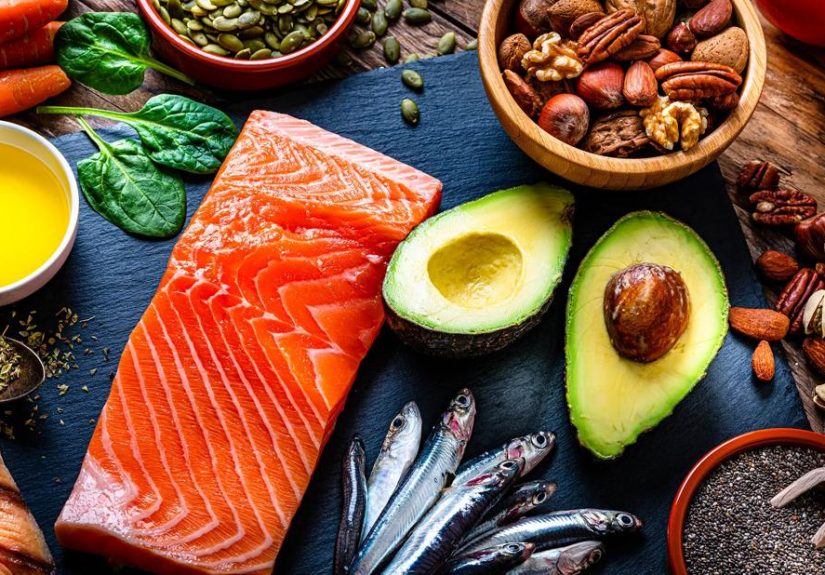
- Healthy fats: extra-virgin olive oil, nuts, seeds, avocado.
- Lean proteins: fish/seafood, poultry, tofu/tempeh, Greek yogurt, eggs (as tolerated).
Foods to limit (not because they’re “evil,” but because they’re unhelpful)
- Sugar-sweetened beverages (soda, sweet tea, many “coffee drinks” that are basically dessert).
- Refined carbs in large portions (white bread, pastries, many snack foods).
- Ultra-processed foods (chips, packaged sweets, many fast-food combos).
- Saturated and trans fats in excess (fried foods, fatty processed meats, lots of butter/cream).
- Alcohol (more on this belowMASH and alcohol do not make a cute couple).
Carb Changes That Actually Help: Quality, Fiber, and “Sugar You Drink”
Carbs aren’t automatically the villain in your liver storycarb quality is. Many MASH-friendly plans emphasize low-glycemic, high-fiber carbs because they’re gentler on blood sugar and help reduce overall calorie intake without leaving you ravenous.
Swap the “fast carbs” for “slow carbs”
- Swap: white bread → whole-grain bread (look for whole grain as the first ingredient).
- Swap: sugary cereal → oatmeal with berries and nuts.
- Swap: giant bowl of pasta → smaller portion + add vegetables + lean protein.
- Swap: chips → air-popped popcorn or roasted chickpeas.
Be extra skeptical of fructose and added sugars
A lot of expert patient guidance specifically calls out added sugars, especially fructose-heavy sources often found in sweetened beverages. Why? Because it’s easy to drink hundreds of calories quickly, and your liver is one of the main organs that has to process that load.
A realistic goal is to keep added sugars low enough that you’re not unknowingly “supplementing” your diet with liquid candy. Read labels, watch portions, and remember that “healthy” drinks can be sneaky. (Looking at you, 24-ounce smoothie that contains three bananas, a cup of juice, and enough honey to attract local wildlife.)
Fat Changes That Help: Less Saturated Fat, More Unsaturated Fat
When it comes to fats, MASH management is less about “low-fat everything” and more about choosing the fats your metabolism likes best. Many heart-health guidelines recommend keeping saturated fat relatively low and replacing it with unsaturated fats. This aligns well with MASH goals because cardiovascular risk is a big deal in fatty liver disease.
The easiest fat upgrade
- Use olive oil instead of butter most of the time.
- Choose nuts or hummus instead of processed snacks.
- Eat fatty fish (like salmon or sardines) when you can.
- Limit frequent portions of processed meats and fried foods.
If you’re thinking, “So I just drizzle olive oil on everything and my liver sends a thank-you card?” Not exactlybut these swaps can meaningfully improve overall dietary quality.
Protein for MASH: Staying Full Without Feeding the Problem
Protein is your friend when you’re trying to lose weight or maintain itbecause it helps with satiety and supports muscle while you improve metabolic health. The trick is picking protein sources that don’t come with a side of excessive saturated fat and sodium.
MASH-friendly proteins
- Fish and seafood (aim for variety).
- Skinless poultry.
- Beans, lentils, tofu, tempeh.
- Greek yogurt (plain) and cottage cheese (watch added sugars in flavored versions).
- Eggs (often fine in moderation; personalize with your clinician if you have lipid issues).
You don’t have to swear off red meat forever, but if it’s showing up dailyespecially processed formsyour liver plan may improve by shifting toward plant proteins and fish more often.
What You Drink Matters More Than You Think
Alcohol: the simplest rule is often “minimize or avoid”
Many clinical resources advise minimizing alcohol for fatty liver disease, and some patient guidance for MASH is especially strict: once you have MASH, the “safe” amount of alcohol can effectively become “not worth gambling on.” If you’re unsure what applies to you, ask your clinicianespecially if fibrosis is present.
Coffee: a surprisingly liver-friendly habit (for many people)
Coffee is one of the few things in nutrition that repeatedly shows up in liver discussions without immediately starting a food fight. Some liver clinics even recommend a few cups a day for patients with fatty liver disease. The caveat: this doesn’t mean coffee-flavored milkshakes. Keep it mostly unsweetened.
If you don’t tolerate caffeine (hello, anxiety and midnight ceiling-staring), decaf may still be worth discussing with your clinician, and unsweetened tea can be a solid “warm beverage” replacement.
Soda and sweet drinks: the “easy win” to cut back
If there’s one change that tends to pay off quickly, it’s replacing sugary beverages with water, sparkling water, or unsweetened drinks. It’s the lowest-effort way to drop a significant amount of added sugar and calorieswithout feeling like you’re eating less food.
A Practical Meal-Building System (So You Don’t Have to Live on Salad)
Let’s make this easy enough to do on a random Wednesday when you’re tired, busy, and one inconvenience away from ordering fries. Try this “plate method” as a default:
- ½ plate: non-starchy vegetables (raw or cooked).
- ¼ plate: lean protein (fish, chicken, beans, tofu, Greek yogurt).
- ¼ plate: high-fiber carb (beans, quinoa, oats, sweet potato, brown rice).
- Plus: a healthy fat (olive oil, nuts, seeds, avocado).
One-day sample menu (MASH-friendly, not joyless)
- Breakfast: oatmeal with blueberries, cinnamon, and walnuts + black coffee or unsweetened tea.
- Lunch: big salad bowl (greens, chickpeas, chopped veggies) + grilled salmon + olive oil & lemon dressing.
- Snack: plain Greek yogurt with berries (or carrots + hummus).
- Dinner: turkey-and-bean chili (or lentil chili) + roasted broccoli + a small portion of brown rice.
- Drink: water or sparkling water; skip the “liquid dessert.”
Grocery list that makes the week easier
- Produce: salad greens, broccoli, peppers, onions, tomatoes, berries, apples, lemons.
- Proteins: canned tuna/salmon, chicken breast, eggs, tofu, beans/lentils, plain Greek yogurt.
- Carbs: oats, quinoa, brown rice, whole-grain bread/wraps.
- Fats/flavor: olive oil, nuts, seeds, spices, salsa, vinegar, mustard.
Eating out without wrecking your plan
- Choose grilled/roasted instead of fried.
- Ask for sauces on the side (many are sugar + fat combos in disguise).
- Order vegetables twice: one as a side, one in the entrée.
- Skip sweet drinks; pick water or unsweetened options.
- If portions are huge, decide early: share, box half, or order a lighter entrée.
Supplements, “Detoxes,” and Other Things Your Liver Would Like to Unsubscribe From
The internet loves a dramatic storyline: “This ONE supplement melts liver fat!” Your liver, however, prefers boring consistency. Some nutrients (like omega-3s or vitamin E in select situations) are discussed in clinical resources, but they’re not DIY projectsespecially because supplements can interact with conditions and medications, and some “herbal” products can be hepatotoxic.
In plain English: don’t start supplements for MASH unless your clinician recommends them. And if a detox plan promises results in 72 hours, remember: your liver already detoxes you 24/7. It does not need an influencer’s permission slip.
How to Know Your Diet Is Working (Beyond the Scale)
Weight can be a helpful metric, but it’s not the only one. People often see improvements in:
- Energy and less “mid-afternoon crash.”
- More stable hunger (fewer snack attacks).
- Better blood sugar control (for those monitoring glucose).
- Improved triglycerides and cholesterol profiles over time.
- Follow-up labs and imaging as guided by your clinician.
Because MASH is a medical condition with potential long-term consequences, monitoring should be individualized. The goal is not perfectionit’s progress you can maintain.
Conclusion: The Best MASH Diet Is the One You Can Repeat
Managing MASH with diet isn’t about surviving on “clean” foods or banning everything you enjoy. It’s about building a repeatable patternoften Mediterranean-stylewhere plants show up often, added sugars and refined carbs are limited, saturated fats are kept in check, and beverages stop quietly sabotaging your liver.
Start with the highest-impact steps: cut sugary drinks, build balanced plates, and aim for gradual, sustainable weight loss if needed. Then keep going. Your liver likes consistency more than drama.
Experiences People Commonly Share When Changing Their Diet for MASH (About )
When people begin making dietary changes for MASH, the first “experience” is usually emotional, not nutritional: information overload. One person reads “low-fat,” another reads “low-carb,” and a third gets pulled into a rabbit hole where someone insists celery juice is basically a liver transplant. The result is the sameconfusion, frustration, and a kitchen full of foods that don’t fit together.
A common turning point is realizing that the most effective approach is also the least exciting: build a simple, Mediterranean-style routine and stop chasing extremes. People often say it feels like they’re “not doing enough” at firstuntil they notice the practical wins. Hunger becomes more predictable. Afternoon crashes ease up. Meals feel more filling because they finally include enough protein and fiber. And for many, the scale starts movingslowly, steadily, without the rebound that crash diets love to deliver.
Another frequent experience: the beverage wake-up call. Folks who never thought of themselves as “big sugar eaters” realize they were drinking most of their added sugarsweet tea, soda, energy drinks, flavored coffee beverages, or “healthy” smoothies that are basically fruit punch with a yoga mat. Replacing those with water, sparkling water, or unsweetened coffee/tea often feels surprisingly powerful because it doesn’t require eating less foodjust swapping what’s in the cup.
Social situations can be the hardest. People report that the toughest meals aren’t weekday lunchesit’s family dinners, holidays, work travel, and late-night takeout when willpower is low. The helpful shift is learning a few “default orders” that still feel normal: grilled chicken or fish, extra veggies, sauce on the side, and a portion of starch that doesn’t arrive in the shape of a mountain. Many say the biggest change wasn’t willpowerit was planning: having a quick protein at home, a bag of salad mix, and something like beans or microwavable brown rice ready to go.
People also talk about the “label-reading phase,” where they suddenly notice how many foods contain added sugar. It can feel annoying at first, but it usually becomes fasterespecially when focusing on the biggest offenders: sweetened drinks, desserts, packaged snacks, and ultra-processed convenience foods. Over time, many describe a new kind of confidence: not “I’m on a strict diet,” but “I know what keeps me steady.”
Finally, one of the most common experiences is learning to measure success beyond perfection. People who do best long-term often adopt a flexible mindset: consistent most days, realistic during life events, and quick to return to their baseline routine. The liver doesn’t need flawless. It needs better, repeated.