Table of Contents >> Show >> Hide
- Why a Pallet Playhouse Is Such a Smart Backyard Project
- Start with Safe Pallets, Not Mystery Wood
- Plan Before You Build
- Build a Strong Base First
- Design Features That Make a Pallet Playhouse Better
- How to Finish It So It Lasts
- Safety Rules You Should Not Skip
- Creative Pallet Playhouse Ideas
- Conclusion
- Extra Experiences and Practical Lessons From Real-World Pallet Playhouse Builds
If you have a backyard, a few tools, and a stubborn belief that wooden pallets deserve a second act, a pallet playhouse might be the most charming project on your to-do list. It is budget-friendly, customizable, delightfully rustic, and just quirky enough to make the neighbors slow down and pretend they were only admiring your landscaping. More importantly, it gives kids a place that feels like their own. Not a giant plastic spaceship. Not a blinking toy bunker. A real little house with personality.
A pallet playhouse is exactly what it sounds like: a children’s playhouse built partly or mostly from reclaimed shipping pallets. The idea sounds simple, but the best versions are more than “stack wood and hope for the best.” A great pallet playhouse blends creative design, smart material choices, weather resistance, and safety planning. When done right, it becomes a reading nook, pirate hideout, pretend bakery, art studio, fort, and backyard headquarters all in one compact structure.
This is also one of those rare DIY projects that can be both economical and genuinely beautiful. Pallet wood has texture, imperfections, and that slightly weathered character that new lumber spends years trying to imitate. The trick is using it intentionally. A pallet playhouse should look whimsical, not like a shipping accident with windows.
Why a Pallet Playhouse Is Such a Smart Backyard Project
There are plenty of reasons families love pallet playhouses. The first is cost. New lumber prices can turn a “cute weekend build” into a “maybe next tax season” conversation. Pallets, when sourced safely, can dramatically reduce material costs. That makes the project more accessible for families who want a memorable backyard feature without building a structure that costs more than their first car.
The second reason is flexibility. A pallet playhouse can be tiny and simple, with just three walls and a roof, or it can become a detailed miniature cottage with flower boxes, a mailbox, a chalkboard wall, and a pint-sized front porch. You can paint it bright white for a cottage look, stain it for a rustic cabin feel, or go with cheerful colors that look like a storybook exploded in the best possible way.
Third, it encourages imaginative play. Kids do not need a perfect structure. In fact, they usually prefer one with character. A slightly crooked little window and a handmade bench often inspire more creativity than something overly polished. A pallet playhouse becomes whatever they need it to be that day. One afternoon it is a lemonade stand. The next day it is a secret detective office where the family dog is under investigation for suspicious squirrel relations.
Start with Safe Pallets, Not Mystery Wood
This is the most important part of the whole project. Not the roof pitch. Not the paint color. Not whether the flower box should hold marigolds or fake succulents. Safe pallet selection comes first.
Not every pallet is suitable for a children’s structure. Some pallets are treated, some are damaged, and some have lived hard lives hauling things you absolutely do not want near kids. A smart build starts with clean, structurally sound pallets from a trustworthy source. Local hardware stores, furniture stores, or warehouses sometimes have pallets available, but you still need to inspect them carefully.
What to Look For
Choose pallets that are dry, sturdy, and free from major cracks, mold, rot, or loose nails. Avoid pieces with dark stains, oily spots, strange residue, or chemical smells. If a pallet looks like it has seen things it cannot unsee, let it go. You are building a playhouse, not auditioning contaminated lumber for a redemption arc.
Pay attention to pallet stamps. Heat-treated pallets are generally the better choice for DIY use. Pallets marked with methyl bromide should be avoided. Unmarked pallets are a gamble unless you know exactly where they came from and what they carried. Even then, caution wins. When kids are involved, “probably fine” is not a design principle.
Prep the Wood Properly
Once you have safe pallets, take the time to prep them. Remove every protruding nail, staple, and splinter-producing surprise. Sand rough surfaces, especially edges, corners, window openings, bench seats, and any surface at hand height. The goal is rustic charm, not accidental exfoliation. Wash off dust, let the wood dry fully, and sort boards by thickness and condition before you start building.
Plan Before You Build
The best pallet playhouses look effortless because someone actually planned them. Before cutting a single board, decide how the playhouse will be used. Will it be a small hideout for toddlers? A pretend café for siblings? A decorative backyard cottage that might one day become a garden shed or reading nook? Your answer shapes the size, height, roof style, and layout.
Pick the Right Location
Choose a level, well-drained spot with good visibility from the house. You want adults to keep an eye on things without hovering like an airport control tower. Avoid low areas where rainwater pools, and steer clear of overhanging branches, fences with limited clearance, or locations too close to other play equipment.
Also check local rules before building. Small backyard structures often fall into a gray area where permits may or may not be required depending on size, zoning, setbacks, and whether the structure is permanent. Even a small playhouse can create headaches if it sits too close to a property line or violates local rules. A quick check now beats an awkward conversation later.
Think About Size and Scale
A practical pallet playhouse does not need to be huge. A footprint around 4 by 4 feet or 5 by 6 feet can feel roomy for young kids while still being manageable for a DIY build. Keep ceiling height comfortable enough for play but not so tall that the structure becomes harder to brace and weatherproof. Remember: adorable is the goal. Backyard cathedral is optional.
Build a Strong Base First
A pallet playhouse is only as good as its base. If the floor rocks, sinks, or twists, the rest of the structure will eventually follow its lead into chaos. Start with a stable, level foundation. Depending on your yard and budget, this can be a gravel pad, concrete deck blocks, skids, or a simple framed base set on level supports.
Drainage matters. A slightly raised base helps keep wood away from standing moisture and extends the life of the structure. If you are framing a base, square it carefully by measuring diagonals and checking level more than once. Yes, more than once. Wood has a funny way of pretending it is square until the wall panels go up and your playhouse starts looking emotionally complicated.
Frame with Intention
Pallet wood can work beautifully as cladding, siding, trim, shutters, and decorative details, but it is often smart to use new framing lumber for the structural skeleton. That gives the playhouse better strength and consistency, while the pallet boards provide the visual character. Think of new framing lumber as the bones and pallet wood as the charming outfit.
Use corrosion-resistant exterior screws rather than relying only on nails. Drill pilot holes near the ends of pallet boards to reduce splitting. Add wall bracing as needed, especially if the structure includes a door opening, windows, or a pitched roof. A little extra bracing now is cheaper than rebuilding a wall after one enthusiastic game of “drive-through taco stand.”
Design Features That Make a Pallet Playhouse Better
Add Real Windows and Airflow
Kids love tiny windows, and grown-ups love ventilation. Good openings make the playhouse feel bright and inviting while keeping it from becoming stuffy in warm weather. Window cutouts can be simple framed openings, or you can add shutters, a flower box, or even a serving ledge for pretend shop play. Just keep edges smooth and proportions sensible.
Choose a Roof That Handles Weather
A roof is not just decoration. It is what keeps the project from turning into a soggy pile of good intentions. A simple sloped roof is often the easiest choice for beginners. Use solid sheathing where needed and top it with appropriate outdoor roofing material for your climate and style. Even a compact roof overhang can help protect the walls from rain and sun exposure.
Include Built-In Play Value
The most memorable pallet playhouses often include one or two extra details that invite kids to stay longer. A built-in bench creates a reading nook. A chalkboard wall turns the space into an art studio. A shelf under the window becomes a pretend bakery counter. A little porch ledge adds instant charm. You do not need every accessory on earth. Pick features that support the kind of play your child actually enjoys.
How to Finish It So It Lasts
Outdoor wood needs protection. After construction, seal, stain, or paint the playhouse with exterior-rated products appropriate for wood exposure. Clear sealers keep the rustic pallet look intact, while semi-transparent stains add color and UV protection without hiding the grain. Opaque finishes give the structure a more polished cottage appearance and help unify mismatched pallet boards.
If the wood is heavily weathered, a more solid finish can create a cleaner visual result. If the pallet grain is beautiful, a transparent or semi-transparent stain may be the better move. Either way, finish every exposed surface you can reasonably reach, especially end grain, trim, and roof edges. Water always finds the one spot you assumed would be fine.
Color choice matters more than people think. Soft sage green, white, pale blue, warm gray, and muted yellow all work beautifully for a pallet playhouse. Bright red can be fun. Neon orange can make it look like a traffic cone went to preschool. Choose wisely.
Safety Rules You Should Not Skip
A pallet playhouse should be magical, but it also has to be safe. That means no exposed fasteners, no sharp corners, no peeling finish, and no unstable flooring. Check doors so they open and close easily without pinching fingers. Keep any loft, platform, or elevated entry simple and secure. If your design includes a raised platform, railing, or slide, think carefully about openings, barriers, and fall protection.
Ground surface matters too. Grass alone is not ideal around active play structures. A safer setup may include impact-absorbing surfacing or a well-maintained loose-fill material beneath and around the play area, especially if there is any climbing element. Keep the surrounding zone clear of tripping hazards, yard tools, and decorative rocks that are cute right up until someone face-plants near them.
Maintenance is part of ownership. Check the structure regularly for splinters, loose screws, rot, peeling paint, shifting supports, or wasp nests. Children are excellent at testing structural optimism, so inspect the playhouse a few times each season. What felt solid in spring may deserve tightening by late summer.
Creative Pallet Playhouse Ideas
The Mini Farmhouse
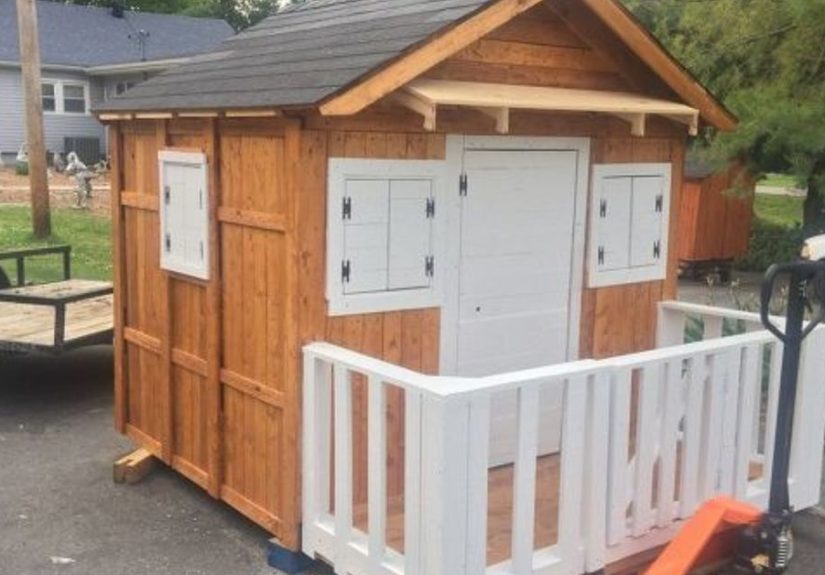
Use white or cream paint, black shutters, a tiny flower box, and a simple wood sign over the door. Add a pretend market stand window on one side. This look is timeless, photogenic, and suspiciously likely to become the star of your holiday card photos.
The Rustic Woodland Cabin
Leave much of the pallet grain visible, use a darker stain, and add lantern-style lighting, a little stool, and a simple pitched roof. This version looks especially good in shaded yards or garden-heavy landscapes.
The Lemonade Stand Hybrid
Design one wall with a lift-up serving window and shelf. Add hooks for aprons, a chalkboard menu, and a crate for pretend supplies. This style earns its keep because it supports imaginative play and neighborhood snack entrepreneurship.
Conclusion
A pallet playhouse is not just a craft project with walls. It is one of those rare builds that offers practical value, creative freedom, and emotional payoff all at once. It saves money, reuses materials, and creates a place where children can imagine, hide, read, perform, and invent entire worlds five feet from the patio. The best part is that it does not need to be perfect. It just needs to be thoughtful, sturdy, weather-ready, and safe.
If you choose clean materials, build on a level base, use outdoor-rated hardware and finishes, and add a few playful details, a pallet playhouse can become the most loved little structure in the yard. Years from now, nobody will remember how long it took to remove those stubborn pallet nails. They will remember the bakery games, the puppet shows, the “members only” signs, and the afternoons when that little wooden house felt bigger than the whole neighborhood.
Extra Experiences and Practical Lessons From Real-World Pallet Playhouse Builds
One thing people rarely mention before starting a pallet playhouse is that the project changes personality halfway through. At first, it feels like a simple upcycling idea. You gather pallets, sketch a tiny house, and imagine a sweet weekend build with coffee, sunshine, and maybe one inspirational playlist. Then you start disassembling pallets, and suddenly you are in a full negotiation with nails that appear to have sworn a lifelong oath against leaving the wood. This is normal. Every pallet project has a point where you question your life choices. Keep going.
In real builds, the biggest lesson is that prep work determines whether the final result feels charming or chaotic. Families who rush the early stages often end up with uneven walls, awkward gaps, and doors that behave like moody teenagers. The successful builds usually come from slowing down at the beginning. Sorting boards by length, checking for warp, preplanning the wall layout, and deciding which side of each board will face outward saves an enormous amount of frustration later.
Another common experience is discovering that kids become interested at exactly the wrong and the right times. They disappear while you are carrying gravel or leveling a base, then suddenly reappear when it is time to choose paint colors, window styles, and whether the playhouse needs a mail slot for “very urgent fairy correspondence.” This is actually part of the magic. The project becomes more meaningful when children help make a few design choices. Let them pick the sign, the shutters, or the flower box color. Maybe do not let them decide structural engineering matters, but absolutely let them name the place.
Weather also teaches valuable lessons. A pallet playhouse can look finished before it is truly finished. The structure might stand proudly on Saturday afternoon, but if the roof edges are not sealed and the base is too close to wet ground, the first heavy rain will provide brutally honest feedback. Builders who love their results long term are usually the ones who think like outdoor structure owners rather than casual crafters. They add drainage, seal end grain, leave room for airflow, and revisit the build after a storm to see what needs improvement.
There is also the aesthetic surprise. Reclaimed pallet wood often looks rough in a pile but becomes surprisingly attractive once cleaned, trimmed, and arranged with intention. Mixed board widths, visible grain, and a few old nail marks can give the playhouse a storybook quality that brand-new lumber sometimes lacks. In many cases, the imperfections become the design. A slightly weathered board under a crisp painted window frame can look far more interesting than a perfectly uniform wall.
Finally, the most memorable part of the experience is usually what happens after the build is done. Adults tend to focus on the structure itself, but kids immediately transform it into something bigger. A simple pallet playhouse becomes a café, then a fort, then a school, then a veterinary clinic for stuffed animals with severe but treatable fluff emergencies. That shift is the real payoff. You are not just building a small wooden shelter. You are building a stage set for imagination. And that is why a pallet playhouse, despite the splinters, the sawdust, and the suspiciously immortal pallet nails, is absolutely worth it.