Table of Contents >> Show >> Hide
- Before You Scrub: Smart Rules for Safer DIY Exfoliation
- The 13 Best Homemade Face Scrubs for Healthier Skin
- 1. Oatmeal and Honey Scrub for Calm, Soft Skin
- 2. Oatmeal and Yogurt Scrub for Dull Skin
- 3. Rice Flour and Aloe Vera Scrub for Smooth Texture
- 4. Green Tea and Oat Scrub for Stressed-Looking Skin
- 5. Banana and Oatmeal Scrub for Dry Skin
- 6. Cucumber and Yogurt Scrub for a Fresh Glow
- 7. Pumpkin and Yogurt Scrub for Uneven Texture
- 8. Papaya and Honey Scrub for Bright-Looking Skin
- 9. Chickpea Flour and Rose Water Scrub for Oil Balance
- 10. Flaxseed Gel and Oat Scrub for a Cushioning Feel
- 11. Avocado and Oat Scrub for Comfort After Dryness
- 12. Strawberry Yogurt Scrub for Occasional Brightening
- 13. Aloe, Oat, and Cucumber Scrub for Sensitive Days
- Ingredients to Avoid in Homemade Face Scrubs
- How Often Should You Use a Homemade Face Scrub?
- How to Choose the Right DIY Face Scrub for Your Skin Type
- Experience Notes: What Homemade Face Scrubs Teach You Over Time
- Conclusion
Homemade face scrubs sound wonderfully simple: open the kitchen cabinet, mix a few pantry ingredients, rub, rinse, glow, and pretend you just walked out of a spa where everyone whispers. But your face is not a frying pan, and not every “natural” ingredient deserves a promotion to skincare superstar. Lemon juice, coarse salt, baking soda, and gritty sugar may look innocent, yet they can irritate the skin barrier faster than a bad group chat.
The best homemade face scrubs for healthier skin are gentle, finely textured, and matched to your skin type. They help lift away dull surface buildup without sanding your face like a woodworking project. Used correctly, a DIY face exfoliator can leave skin feeling smoother, softer, and more refreshed. Used too often or too aggressively, it can cause redness, dryness, stinging, breakouts, or that shiny “I made a mistake” look.
This guide covers 13 homemade face scrub recipes using skin-friendly ingredients such as finely ground oats, plain yogurt, honey, aloe vera, cucumber, green tea, rice flour, banana, pumpkin, and papaya. You will also learn how often to exfoliate, what to avoid, and how to customize each scrub for dry, oily, combination, sensitive, or dull-looking skin.
Before You Scrub: Smart Rules for Safer DIY Exfoliation
Before we get into the recipes, let’s protect your face from enthusiasm. Exfoliation is not a daily personality trait. For most people, one gentle scrub per week is enough. Oily or thicker skin may tolerate exfoliation up to twice weekly, while dry, sensitive, acne-prone, rosacea-prone, or irritated skin should go slowly.
Do a Patch Test First
Apply a small amount of the scrub to the side of your jaw or inner arm. Wait 24 hours. If you notice burning, itching, swelling, bumps, or redness, skip that recipe. Your skin gets a vote, and sometimes it votes “absolutely not.”
Use Light Pressure
Massage in tiny circles for 20 to 30 seconds. Do not scrub hard. Healthy exfoliation should feel like polishing glass, not cleaning grout.
Avoid Scrubbing Broken or Inflamed Skin
Do not use a homemade face scrub on sunburn, open cuts, active eczema flares, painful acne, fresh waxing, or recently treated skin after peels, lasers, or retinoid irritation. When in doubt, use a gentle cleanser and moisturizer instead.
Finish With Moisturizer and Sunscreen
After rinsing, pat your face dry and apply a simple moisturizer. If you exfoliate during the day, follow with broad-spectrum sunscreen. Freshly exfoliated skin can feel smoother, but it also deserves protection from sun exposure.
The 13 Best Homemade Face Scrubs for Healthier Skin
1. Oatmeal and Honey Scrub for Calm, Soft Skin
Best for: dry, combination, and mildly sensitive skin.
Ingredients: 1 tablespoon finely ground oats, 1 teaspoon raw honey, and 1 teaspoon lukewarm water.
How to use: Mix into a soft paste. Apply to damp skin and massage gently for 20 seconds. Let it sit for another minute, then rinse with lukewarm water.
Finely ground oats are one of the friendliest ingredients in homemade skincare. They create a soft texture that helps remove surface dullness without harsh scraping. Honey adds slip and moisture, making this scrub feel cushiony rather than scratchy. This is a great beginner recipe because it is simple, affordable, and unlikely to make your face wonder what crime it committed.
2. Oatmeal and Yogurt Scrub for Dull Skin
Best for: normal, combination, and dull-looking skin.
Ingredients: 1 tablespoon finely ground oats and 1 tablespoon plain unsweetened yogurt.
How to use: Combine until creamy. Smooth over clean, damp skin. Massage lightly, leave on for 2 minutes, and rinse.
Plain yogurt contains lactic acid, a gentle alpha hydroxy acid, while oats provide mild physical exfoliation. Together, they make skin feel smoother and brighter without needing dramatic spa music. Choose plain yogurt only. Flavored yogurt belongs in breakfast, not on your cheeks, especially if it contains sugar, fragrance, or fruit chunks.
3. Rice Flour and Aloe Vera Scrub for Smooth Texture
Best for: normal, oily, and combination skin.
Ingredients: 1 teaspoon very fine rice flour and 1 tablespoon pure aloe vera gel.
How to use: Mix well, apply to damp skin, massage gently for 20 seconds, and rinse.
Rice flour can create a soft polishing effect when it is very finely milled. Aloe vera gel adds a cooling, slippery texture that reduces friction. This scrub is excellent when your skin feels rough around the nose, chin, or forehead. Make sure the rice flour is powdery, not gritty. If it feels sharp between your fingers, it is too harsh for your face.
4. Green Tea and Oat Scrub for Stressed-Looking Skin
Best for: tired, dull, or combination skin.
Ingredients: 1 tablespoon finely ground oats, 1 tablespoon cooled brewed green tea, and 1/2 teaspoon honey.
How to use: Stir into a loose paste. Apply, massage gently, leave on for 1 minute, then rinse.
Green tea is popular in skincare because it is rich in antioxidant compounds. In this homemade face scrub, it gives oats a refreshing base and helps the mixture feel light rather than sticky. Use cooled tea only. Hot tea on your face is not self-care; it is soup behavior.
5. Banana and Oatmeal Scrub for Dry Skin
Best for: dry or flaky skin that needs softness.
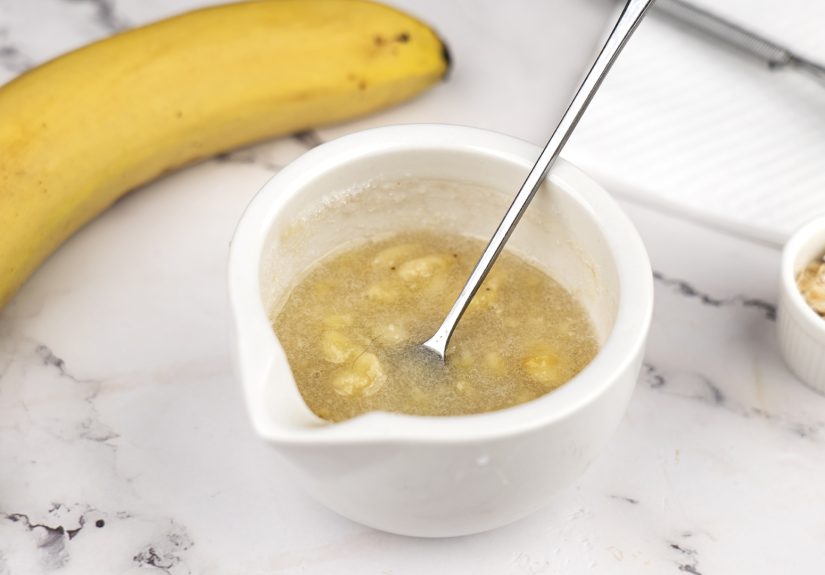
Ingredients: 1 tablespoon mashed ripe banana, 1 tablespoon finely ground oats, and a few drops of water if needed.
How to use: Mash until smooth. Apply to damp skin, massage gently, let sit for 3 minutes, and rinse well.
Banana gives this scrub a creamy, moisturizing feel, while oats help loosen dull flakes. It is especially nice in colder months when skin can feel tight and cranky. Use a ripe banana for easy blending. If the mixture is lumpy, mash it again because your face does not need banana boulders.
6. Cucumber and Yogurt Scrub for a Fresh Glow
Best for: normal, combination, and slightly oily skin.
Ingredients: 1 tablespoon grated cucumber, 1 tablespoon plain yogurt, and 1 teaspoon finely ground oats.
How to use: Mix, apply to clean skin, massage lightly, leave on for 2 minutes, and rinse.
Cucumber adds a fresh, water-rich feel, yogurt provides mild smoothing, and oats give gentle exfoliation. This recipe is perfect when your skin looks tired after travel, late nights, or too much time in air conditioning. It feels like a tiny salad for your face, minus the croutons.
7. Pumpkin and Yogurt Scrub for Uneven Texture
Best for: dull, rough, or mature-looking skin.
Ingredients: 1 tablespoon plain pumpkin puree, 1 teaspoon plain yogurt, and 1 teaspoon oat flour.
How to use: Mix into a smooth paste. Apply gently, leave on for 2 to 3 minutes, and rinse without aggressive rubbing.
Pumpkin puree contains naturally occurring fruit enzymes and nutrients that make it a popular ingredient in glow-focused masks. Combined with yogurt and oat flour, it becomes a creamy homemade exfoliating face scrub. Use plain pumpkin puree, not pumpkin pie filling. Your skin wants softness, not cinnamon, nutmeg, and holiday confusion.
8. Papaya and Honey Scrub for Bright-Looking Skin
Best for: dull or uneven-looking skin, not sensitive skin.
Ingredients: 1 tablespoon mashed ripe papaya, 1 teaspoon honey, and 1 teaspoon finely ground oats.
How to use: Blend until smooth. Apply to damp skin, leave on for 1 to 2 minutes, massage lightly, and rinse.
Papaya contains papain, an enzyme often associated with exfoliating products. This scrub can make skin feel smoother, but it should be used carefully. Enzymes can irritate some people, especially if the skin barrier is already compromised. Patch test first and do not leave it on longer thinking “more glow” will happen. Skin is not a microwave burrito; extra time is not always better.
9. Chickpea Flour and Rose Water Scrub for Oil Balance
Best for: oily and combination skin.
Ingredients: 1 tablespoon chickpea flour and enough rose water or plain water to form a paste.
How to use: Apply a thin layer, let it sit for 1 minute, then massage lightly with damp fingertips before rinsing.
Chickpea flour has been used in traditional beauty routines for generations. It gives a soft cleansing feel and can help remove excess oil without using harsh detergents. Choose fragrance-free rose water if possible, or use plain water to keep the formula simple. Avoid letting the paste dry completely because dry paste can tug at the skin.
10. Flaxseed Gel and Oat Scrub for a Cushioning Feel
Best for: dry, normal, and combination skin.
Ingredients: 1 tablespoon flaxseed gel and 1 teaspoon finely ground oats.
How to use: Mix well, apply to damp skin, massage softly, and rinse thoroughly.
Flaxseed gel has a slippery, soothing texture that makes this scrub feel extra gentle. It helps the oat flour glide over the skin instead of dragging. To make flaxseed gel, simmer 1 tablespoon flaxseeds in 1/2 cup water for several minutes, strain, cool, and refrigerate. Use within a few days.
11. Avocado and Oat Scrub for Comfort After Dryness
Best for: dry or normal skin.
Ingredients: 1 tablespoon mashed avocado, 1 teaspoon finely ground oats, and 1/2 teaspoon honey.
How to use: Mash until creamy. Apply, massage gently for 20 seconds, leave on for 2 minutes, and rinse with lukewarm water.
Avocado adds richness and a soft, fatty texture that dry skin often loves. Oats polish gently, while honey adds moisture and helps the mixture spread evenly. This scrub is best when skin feels tight, flaky, or weather-beaten. Rinse carefully around the hairline unless you want to smell faintly like expensive toast.
12. Strawberry Yogurt Scrub for Occasional Brightening
Best for: normal or oily skin, used occasionally.
Ingredients: 1 small mashed strawberry, 1 tablespoon plain yogurt, and 1 teaspoon oat flour.
How to use: Mix until smooth. Apply for 1 minute, massage very gently, and rinse.
Strawberries contain natural acids, which is why this recipe should be used cautiously. It can help dull skin look fresher, but it is not ideal for sensitive skin. Use only once in a while and patch test first. If your skin tingles strongly, rinse immediately. A little freshness is nice; facial drama is not.
13. Aloe, Oat, and Cucumber Scrub for Sensitive Days
Best for: skin that wants the gentlest possible option.
Ingredients: 1 tablespoon pure aloe vera gel, 1 teaspoon cucumber juice, and 1 teaspoon colloidal oatmeal or very finely ground oats.
How to use: Mix into a smooth gel-paste. Press onto damp skin, massage for only 10 to 15 seconds, then rinse.
This is the softest recipe on the list. It is ideal when you want a mild homemade face scrub without strong acids, gritty particles, or heavy oils. Colloidal oatmeal is especially useful because it is finely milled and commonly used in skin-soothing products. Keep the pressure feather-light and stop if your skin feels uncomfortable.
Ingredients to Avoid in Homemade Face Scrubs
Some DIY ingredients are famous online because they look good in photos, not because they are kind to your face. Avoid coarse sugar, salt, crushed walnut shells, baking soda, toothpaste, lemon juice, cinnamon, undiluted essential oils, and rough coffee grounds. These can irritate, scratch, sting, or disrupt the skin barrier.
If you love coffee scrubs, save them for tougher body areas like elbows, knees, or feet, and still use gentle pressure. Facial skin is thinner and more reactive than body skin, so it needs a softer touch. The goal is healthier skin, not proving your pain tolerance.
How Often Should You Use a Homemade Face Scrub?
For most skin types, once weekly is a sensible starting point. If your skin feels calm, smooth, and comfortable, you may continue. If it feels tight, shiny, itchy, red, or unusually sensitive, reduce the frequency or stop exfoliating for a while.
Dry or sensitive skin may only need exfoliation every 10 to 14 days. Oily skin may tolerate one to two times per week, but acne-prone skin should be handled carefully. Scrubbing inflamed pimples can make irritation worse and may increase the risk of post-breakout marks.
How to Choose the Right DIY Face Scrub for Your Skin Type
For Dry Skin
Choose creamy recipes with oats, banana, avocado, honey, aloe, or yogurt. Avoid clay-heavy, acidic, or drying ingredients. Always moisturize immediately afterward.
For Oily Skin
Try chickpea flour, cucumber, yogurt, green tea, or rice flour. Keep the formula lightweight and avoid heavy oils if you are prone to clogged pores.
For Sensitive Skin
Stick with colloidal oatmeal, aloe vera, cucumber, and honey. Skip strawberry, papaya, strong acids, essential oils, and anything gritty. Use the shortest massage time possible.
For Dull Skin
Yogurt, pumpkin, papaya, and rice flour can help skin look fresher when used carefully. Do not combine these recipes with retinoids, chemical exfoliants, or strong acne treatments on the same night.
Experience Notes: What Homemade Face Scrubs Teach You Over Time
The biggest lesson with homemade face scrubs is that gentleness wins. Many people start DIY skincare with the excitement of a kitchen scientist. They mix sugar, lemon, coffee, and whatever else looks “fresh,” then wonder why their face feels angry. After a few attempts, the smarter pattern becomes obvious: the best homemade face scrubs are not the most dramatic ones. They are the ones your skin barely notices until it feels softer afterward.
One useful experience is learning texture by touch. Before putting any scrub on your face, rub it between your fingers. If the particles feel sharp, uneven, or crunchy, they will probably feel worse on facial skin. Finely ground oats, oat flour, colloidal oatmeal, and very fine rice flour tend to feel much more comfortable than coarse pantry exfoliants. A scrub should glide. It should not drag, scrape, or leave your cheeks looking like they just had an argument with sandpaper.
Another common discovery is that less product works better. A thick layer may look luxurious, but a thin, even layer is easier to control. You only need enough scrub to cover your face lightly. The same goes for massage time. Twenty seconds of gentle circular motion is often enough. Longer scrubbing does not automatically mean smoother skin. In fact, it often means irritation dressed up as dedication.
Timing matters too. Evening is usually the most comfortable time to use a homemade face exfoliator because you can rinse, moisturize, and let your skin rest. Exfoliating right before applying makeup may sound clever, but it can backfire if your skin becomes pink or sensitive. A simple nighttime routine feels calmer: cleanse, scrub gently, rinse, moisturize, and leave your face alone. Sometimes the most advanced skincare move is knowing when to stop touching your face.
People with dry skin often learn to love oat, banana, avocado, and honey recipes because they feel comforting. People with oily skin may prefer yogurt, cucumber, chickpea flour, or green tea because those mixtures feel lighter. Sensitive skin usually does best with the boring recipes, and boring is not an insult. Boring skincare is often peaceful skincare. If a recipe has five ingredients, a strong smell, and a warning from your instincts, your instincts are probably the dermatologist in the room.
The final experience worth remembering is that homemade scrubs are helpers, not heroes. They can make skin feel smoother, remove dull flakes, and create a fresh glow, but they cannot replace sunscreen, sleep, hydration, a balanced routine, or professional care for persistent acne, eczema, rosacea, melasma, or painful irritation. Think of DIY face scrubs as a small weekly reset. When they are gentle, simple, and used with restraint, they can be a lovely part of a healthier skin routine. When they become a daily obsession, your skin may file a formal complaint.
Conclusion
The best homemade face scrubs for healthier skin are gentle, finely textured, and easy to customize. Oatmeal, honey, yogurt, aloe vera, cucumber, green tea, banana, pumpkin, papaya, chickpea flour, flaxseed gel, avocado, and rice flour can all play useful roles when handled wisely. The secret is not scrubbing harder; it is choosing better ingredients, using lighter pressure, and respecting your skin’s limits.
If you are new to DIY skincare, start with the oatmeal and honey scrub or the aloe, oat, and cucumber scrub. They are simple, soft, and beginner-friendly. If your skin is oily or dull, try yogurt-based recipes once a week. If your skin is sensitive, keep everything fragrance-free, smooth, and minimal. And if your face ever burns, stings, or turns red, rinse immediately and return to the basics: gentle cleanser, moisturizer, sunscreen, and patience.