Table of Contents >> Show >> Hide
- Why the '60s Are Speaking to 2026 So Loudly
- 1. Curved Furniture Is Still Leading the Charge
- 2. Rich Wood Tones Are Replacing Flat, Lifeless Finishes
- 3. Earthy Colors and Optimistic Pops Are Sharing the Spotlight
- 4. Chrome and Other Shiny Finishes Are Back From Their Little Vacation
- 5. Geometric Patterns Are Returning, Just With Better Manners
- 6. Texture Is Becoming the Real Luxury
- 7. Retro Kitchens Are Getting Playful Again
- 8. Vintage Lighting and Statement Glass Are Doing What Recessed Lights Never Could
- 9. “Collected Character” Is Winning Over Cookie-Cutter Design
- How to Use the Trend Without Making Your Home Look Like a TV Set
- The Real Secret: The Best '60s-Inspired Rooms Feel Human
- Experience: What It Feels Like to Live With These '60s-Inspired Trends in 2026
If 2025 was the year people politely backed away from sterile, too-perfect interiors, 2026 is the year they kick off their shoes, turn on a moody lamp, and say, “You know what this room needs? More personality.” Enter the return of the 1960s spiritnot in a costume-party kind of way, and definitely not in a “please install avocado shag wall-to-wall immediately” kind of way. Instead, designers are pointing to a smarter, fresher remix of the decade: softer curves, richer woods, playful geometry, gleaming metallics, tactile fabrics, and colors that feel both grounded and upbeat.
What makes this revival so interesting is that it is not really about copying one era piece-for-piece. The most compelling homes in 2026 are borrowing the confidence of the ’60s while filtering it through modern life. That means rooms that feel expressive without becoming chaotic, nostalgic without looking dusty, and stylish without acting like you are afraid to sit on the sofa. In other words, the new retro look is less museum exhibit, more “someone cool actually lives here.”
So what exactly are the ’60s-inspired design trends pros expect to dominate in 2026? Below, we break down the biggest looks, why they are returning now, and how to use them in ways that feel current instead of cartoonish.
Why the ’60s Are Speaking to 2026 So Loudly
The renewed love for 1960s-inspired interiors is not random. It reflects a broader shift in the way people want their homes to feel. For years, many interiors chased sameness: white walls, safe furniture, muted palettes, and rooms so edited they looked like they had signed a nondisclosure agreement. Now homeowners want warmth, emotion, memory, and visual interest. They want their spaces to feel collected and alive.
The ’60s offer a natural design vocabulary for that mood. The decade embraced optimism, experimentation, social living, and a sense of fun. It celebrated curves over harsh lines, conversation over formality, and materials that had obvious presence. In 2026, that energy feels incredibly relevant. People still want comfort and practicality, but they also want homes with soul. The new version of ’60s style gives them both.
1. Curved Furniture Is Still Leading the Charge
If one trend is doing the heaviest lifting in the retro revival, it is curved furniture. Rounded sofas, crescent-shaped lounge chairs, oval coffee tables, and flared silhouettes all tap into that late midcentury softness designers cannot seem to quit. And honestly, it makes sense. Straight lines can look sharp and polished, but curves feel friendlier. They relax a room before anyone even sits down.
In practice, this means more living rooms anchored by sofas with soft backs instead of hard right angles, more dining spaces with oval tables that make conversation easier, and more bedrooms that swap severe bed frames for rounded headboards. Curves also help smaller rooms feel less rigid. A round-edged console or sculptural side chair can break up a boxy layout without a full renovation.
The trick is moderation. A room full of aggressively blobby furniture can start to look like it was designed by a marshmallow. The most stylish 2026 interiors use one or two statement curves, then balance them with cleaner shapes elsewhere.
2. Rich Wood Tones Are Replacing Flat, Lifeless Finishes
The pale, washed-out look that dominated so many mass-market interiors is losing ground. In its place, designers are embracing richer woods that feel rooted, elegant, and unmistakably retro. Think walnut credenzas, teak dining chairs, oak case goods, and cabinetry with real depth instead of that sad “greige laminate trying its best” vibe.
This is one of the easiest ways the ’60s influence is showing up in 2026. Wood was central to the era’s interiors, especially in pieces that combined beautiful grain with clean, practical forms. Today’s update leans warmer and more layered. A walnut media console under modern art. A teak bench in a minimal entryway. Oak shelving paired with chrome lighting. The result is nostalgic, but not frozen in time.
Rich wood tones also help rooms feel more human. They bring in natural variation, visual warmth, and a kind of tactile credibility that cheaper, trend-driven finishes just do not have. If 2026 interiors have a mission statement, “less fake, more feeling” would be a strong contender.
3. Earthy Colors and Optimistic Pops Are Sharing the Spotlight
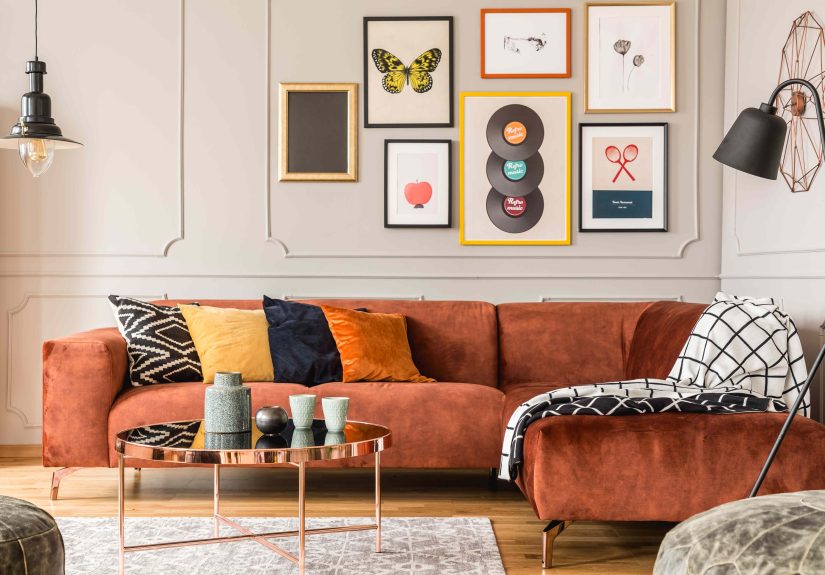
Color is getting bolder, but not reckless. One of the defining features of the ’60s-inspired look in 2026 is the balance between earthy grounding shades and upbeat accent colors. Moss green, clay, burnt orange, aubergine, brown, and warm neutrals are showing up alongside baby blue, soft pink, butter yellow, and other joyful hues that keep a room from feeling too serious.
This combination works because it mirrors how people actually want to live now. They want comfort, but they are also tired of homes that whisper. A room might start with a calm brown sofa and walnut table, then wake up with a glossy blue lamp, a pink accent chair, or a patterned rug that refuses to be ignored. That tension between mellow and mischievous is exactly what makes the look fresh.
For homeowners who are color-shy, this trend is very forgiving. You do not need to paint your ceiling paprika and buy a chartreuse sectional before lunch. Start with small, high-impact accents: a throw pillow, a lamp, a side table, or art with retro color blocking. Let the room build confidence before you do.
4. Chrome and Other Shiny Finishes Are Back From Their Little Vacation
Matte-everything had a long run, but 2026 is ready for a little gleam. Chrome, polished metal, and reflective surfaces are making a noticeable comeback, especially in lighting, hardware, and decorative accents. This feels very connected to the sleek side of the ’60s, when interiors often mixed warm materials with futuristic touches.
Today’s version is more controlled than flashy. You are more likely to see chrome on a sculptural table lamp, ribbed cabinet hardware, or a coffee table base than in a full sci-fi fantasy kitchen. The point is not to make your home look like a spaceship. The point is to catch light, add contrast, and introduce a crisp edge that keeps all those warm woods and velvets from feeling heavy.
If brass has started to feel a little expected in your space, chrome is a smart way to modernize it. It has that retro cool factor, but it also reads fresh when used with restraint.
5. Geometric Patterns Are Returning, Just With Better Manners
The 1960s loved geometry, and 2026 is clearly taking notes. Designers are embracing checks, micro-checks, chevrons, fan motifs, rounded stripes, and other repeating patterns that add movement without total chaos. These patterns are appearing in rugs, textiles, tile, wallpaper, upholstery, and even smaller decor items like trays or lampshades.
The key difference between then and now is scale and softness. Instead of giant, high-contrast patterns screaming across a room, many of today’s best spaces use subtler palettes and smaller repeats. A tonal micro-check backsplash. A rounded geometric rug in rust and cream. A chevron detail in hardware or millwork. It is retro, but with better impulse control.
This makes geometric pattern a great entry point for homeowners who want to try the trend without committing to a giant statement wall that may start yelling at them six months later. Use it where personality counts most: mudrooms, breakfast nooks, powder rooms, and anywhere a bit of charm can do the heavy lifting.
6. Texture Is Becoming the Real Luxury
One of the clearest lessons from 2026 interiors is that visual style alone is not enough. Rooms are being designed to feel good, not just photograph well. That is where texture comes in. Velvet, mohair, alpaca-like softness, embroidered fabrics, tactile weaves, hand-blown glass, terrazzo, and layered textiles are all part of the conversation.
This is where the ’60s influence becomes especially powerful. The decade was never afraid of materials with presence. In 2026, that translates into upholstered pieces that feel plush and inviting, vintage textiles repurposed for headboards or chairs, and surfaces that reward a closer look. A room with three beige flat textures now feels unfinished. A room with boucle, velvet, wood grain, woven shades, and a glossy ceramic lamp feels intentional.
Texture is also how you make retro inspiration feel sophisticated. You do not need to chase novelty when craftsmanship can do the talking. A beautifully upholstered chair or a vintage-pattern textile can communicate far more style than ten trendy accessories ever could.
7. Retro Kitchens Are Getting Playful Again
The kitchen is no longer content being the sensible adult in the house. In 2026, retro-inspired kitchens are having a real moment, and they are doing it with charm. Designers are seeing renewed interest in colorful cabinetry, nostalgic appliances, cheerful curtains, vintage glassware, and palettes that nod to the past without sacrificing modern function.
Pink gets a lot of attention here, but it is hardly working alone. Mint green, butter yellow, soft blue, and even avocado-adjacent greens are stepping back into the room. Used carelessly, yes, these colors can drift into theme-restaurant territory. Used well, they feel warm, spirited, and full of life.
The smartest approach is to keep one foot in the present. Pair a retro color with practical layouts, updated lighting, durable surfaces, and clean detailing. A pale pink island in an otherwise neutral kitchen can be brilliant. So can a vintage-style appliance beside streamlined cabinetry. The best retro kitchens in 2026 are not parody kitchens. They are functional spaces with a wink.
8. Vintage Lighting and Statement Glass Are Doing What Recessed Lights Never Could
If your room still relies on one overhead fixture and a prayer, 2026 would like a word. Vintage-inspired lighting is becoming a major part of the retro revival, especially pieces with patina, sculptural metalwork, hand-blown glass, and unmistakable midcentury lines. This includes pendants, table lamps, sconces, and dramatic accent lighting that feels collected instead of generic.
Lighting matters because it does double duty: it shapes the mood of a room and acts like jewelry for the architecture. A chrome mushroom lamp, a smoked-glass pendant, or a vintage Murano-style fixture can instantly make a room feel more layered and distinctive. And unlike a costly renovation, lighting is one of the faster ways to change the emotional temperature of a space.
Designers are also thinking more about atmosphere overall. Softer glow, better lamp placement, and more expressive fixtures all support the move away from flat, overlit rooms. In 2026, nobody is trying to make the living room feel like a dentist’s office.
9. “Collected Character” Is Winning Over Cookie-Cutter Design
Perhaps the most important shift of all is philosophical. The retro revival is not just about shapes, colors, or materials. It is about character. More homeowners are moving away from catalog-perfect rooms and leaning into spaces that feel storied, layered, and a little imperfect. That means vintage finds, restored details, reupholstered pieces, thrifted ceramics, interesting mirrors, meaningful tableware, and homes that look like they were assembled over time.
This mindset pairs beautifully with ’60s-inspired decorating because the era itself valued strong identity. A room did not need to look neutral to feel sophisticated. In 2026, that confidence is back. Homes are becoming more personal, more emotionally expressive, and more comfortable mixing old with new.
That also explains why period-sensitive renovations are getting more attention. Instead of stripping homes of their original personality, many designers and homeowners now want to protect or reintroduce it. A midcentury house, after all, should not be forced to pretend it was born yesterday.
How to Use the Trend Without Making Your Home Look Like a TV Set
Start with silhouette, not theme
Choose a curved chair, an oval table, or a rounded mirror before buying overtly retro novelty pieces. Shape is often enough to suggest the decade without going full time capsule.
Let wood and texture do the heavy lifting
Rich walnut, teak, velvet, woven textiles, and terrazzo can instantly reference the era in a grown-up way. They bring depth without screaming for attention.
Use color strategically
An earthy foundation with one or two cheerful accents usually works better than turning every surface into a personality test. Think balance, not chaos.
Mix vintage with modern
The best 2026 interiors are hybrids. A retro lamp beside a contemporary sofa. A teak credenza under abstract art. A pink island in an otherwise updated kitchen. Contrast makes the old feel current.
The Real Secret: The Best ’60s-Inspired Rooms Feel Human
The reason these trends are taking off is simple: they make homes feel good again. The ’60s-inspired design wave of 2026 is not about copying a decade because it is trendy. It is about borrowing what still workscomfort, optimism, boldness, craftsmanship, and sociabilityand translating it for modern living.
That is why this movement has staying power. Curves make rooms more welcoming. Rich woods add warmth. Tactile textiles invite touch. Pattern adds life. Vintage pieces add story. And color, when used with confidence, makes a home feel like it has a pulse. The result is a house that looks stylish, yes, but also feels like someone with an actual personality lives there. What a concept.
Experience: What It Feels Like to Live With These ’60s-Inspired Trends in 2026
Living with this style is a very different experience from living in the all-neutral, ultra-minimal interiors that dominated for years. The first thing you notice is that the room feels more relaxed. Curved seating changes the mood immediately. Instead of furniture that seems arranged for a formal photo shoot, everything feels a little more social, a little more inviting. People naturally gather. They sit longer. They lean back. The room starts doing what a room is supposed to do: host life.
Then there is the emotional effect of color. A space with warm woods, clay tones, mossy greens, soft pinks, or powdery blues does not just look more interesting; it feels more awake. Even subtle color has a way of shifting your energy. Morning coffee in a kitchen with a retro-inspired accent wall or cheerful tile backsplash feels more playful. Evening light bouncing off a chrome lamp or glossy ceramic vase adds that tiny cinematic moment that makes a regular Tuesday feel slightly upgraded.
Texture might be the most underrated part of the whole experience. A velvet chair, a nubby woven rug, a terrazzo side table, linen curtains, or a hand-finished wood cabinet all create a layered environment that feels calm but not boring. There is something deeply satisfying about a room that offers visual softness and tactile variety. It feels finished in a way that flat-pack sameness rarely does.
Another major difference is that these spaces tend to feel more personal. When you bring in vintage lighting, thrifted accessories, a reupholstered chair, or a statement piece with patina, your home stops looking like everybody else’s saved inspiration board. It starts reflecting your taste, your curiosity, and your sense of humor. That is a huge part of why this trend resonates in 2026. People are tired of perfection that feels anonymous. They want beauty with fingerprints on it.
There is also a practical pleasure to this style. Contrary to what some people assume, retro-inspired design does not have to be fragile or precious. In fact, many of the best ’60s-referencing interiors are highly livable. Rounded tables are easier to move around. Deeper seating is more comfortable. Wood tones hide everyday wear better than stark white finishes. Patterned textiles are often more forgiving than plain ones. Even the decorative details, when chosen well, can make a home work harder while looking better.
Most of all, these rooms tend to create memory. You remember the funky lamp. You remember the rust-colored chair. You remember the hand-blown pendant over the table where everyone ended up talking for hours. That is the real magic of the trend. It is not just visually stylish. It is emotionally sticky. It gives a space a point of view.
And that may be the biggest reason designers believe ’60s-inspired trends will keep showing up everywhere in 2026. They do not just help homes look better in photos. They help homes feel warmer, more expressive, and more alive in everyday use. Honestly, after years of playing it safe, that sounds less like a trend and more like a relief.