Table of Contents >> Show >> Hide
- What Is a Leaf Mulcher (And Which Type Do You Actually Need)?
- How to Compare Leaf Mulchers Without Getting Lost in Numbers
- The 8 Best Leaf Mulchers (Based on The Spruce’s Tested Picks)
- 1) Best Overall: WORX 13-Amp Electric Leaf Mulcher (Freestanding)
- 2) Best Budget: BLACK+DECKER BV3600 3-in-1 Leaf Vacuum and Mulcher (Corded)
- 3) Best Gas: ECHO Shred-N-Vac (Gas Blower/Vacuum/Mulcher)
- 4) Best Corded: WORX WG509 TRIVAC 3-in-1 Blower/Mulcher/Vacuum
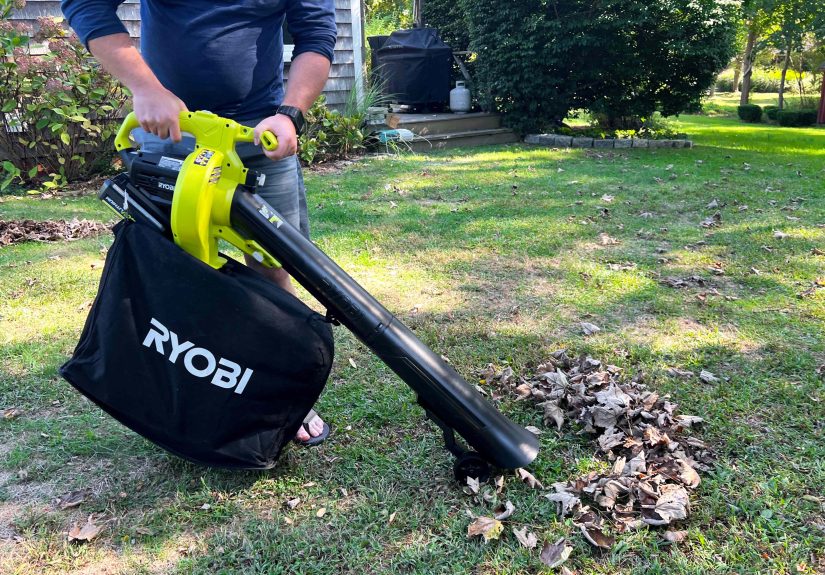
- 5) Best Portable: RYOBI 40V Vac Attack Leaf Vacuum/Mulcher (Cordless)
- 6) Best Walk-Behind: Troy-Bilt CSV070 Self-Propelled Chipper/Shredder/Vacuum
- 7) Best Features: Earthwise 13 Amp Leaf Mulcher (Adjustable)
- 8) Best for Small Yards: BLACK+DECKER LSWV36 40V Cordless Sweeper/Vac
- How to Choose the Right Leaf Mulcher in 5 Questions
- Mulching Like a Pro: Tips That Save Time (and Sanity)
- FAQ: Leaf Mulchers, Answered Without the Fluff
- Real-World Leaf Mulcher Experiences ( of “Here’s What You’ll Notice Fast”)
- Conclusion
Leaves are nature’s glitter: beautiful for about 12 seconds, then suddenly they’re everywherein your gutters, under your shrubs,
and somehow inside your shoes. The good news? A solid leaf mulcher can turn that crunchy chaos into neat, usable mulch (or compost-ready “brown” material),
while cutting your bag count down from “too many” to “why didn’t I do this sooner?”
This guide synthesizes hands-on testing insights from The Spruce plus practical, real-world advice from reputable U.S. home-and-garden
publications, university extension services, and manufacturer specs. Translation: you’ll get the “what to buy,” the “why it works,” and the “how not to
redecorate your face with leaf dust.”
What Is a Leaf Mulcher (And Which Type Do You Actually Need)?
“Leaf mulcher” is a catch-all term for tools that shred leaves into smaller pieces so they take up less space and break down faster. The main styles are:
-
Freestanding mulchers (stationary “leaf shredders”): you feed leaves in from the top; the mulch drops into a yard bag below.
These are fantastic for big leaf volume in a smaller areathink: “I can rake a mountain, I just don’t want to bag a mountain.” -
Handheld blower/vac/mulchers: these switch between blowing and vacuuming (and mulching while vacuuming). Great for patios,
driveways, decks, and smaller yards where mobility matters. -
Walk-behind chipper/shredder/vacuums: the heavy hitters. If your property is leaf-heavy, stick-heavy, and you’d like your fall cleanup
to feel more like mowing than wrestling, this is your lane.
How to Compare Leaf Mulchers Without Getting Lost in Numbers
Specs can be usefuluntil they’re not. Here are the few that consistently matter in everyday yard life:
-
Mulching ratio (volume reduction): A 10:1 ratio means 10 bags of loose leaves become 1 bag of mulch.
Higher ratios usually mean fewer bag-emptying breaks. - Power source: Corded electric is lighter and reliable; cordless is freedom (with runtime limits); gas is strong and loud.
- Debris tolerance: Dry leaves are easy mode. Wet leaves, pine needles, and twigs demand better suction and stronger shredding.
- Ergonomics: Weight distribution, straps, wheels, and handle comfort matter more than you thinkespecially after minute 18.
- Bag size & emptying: Small bags fill fast. Awkward zippers turn “quick cleanup” into “interpretive dance.”
The 8 Best Leaf Mulchers (Based on The Spruce’s Tested Picks)
The categories below mirror The Spruce’s tested approach: different yards, different leaf problems, different best answers.
Use the “Best For” line to jump straight to your situation.
1) Best Overall: WORX 13-Amp Electric Leaf Mulcher (Freestanding)
If you want the purest “turn leaves into mulch” experiencewithout needing a blower-vac transformation montagethis freestanding WORX model is the
crowd-pleaser. The Spruce highlights quick setup, lightweight storage, and a design that feels safer than bladed units. It’s built to process piles fast,
and the resulting mulch is fine enough for garden-bed top dressing.
- Best for: Heavy leaf volume in small-to-medium yards; gardeners who want mulch for beds.
- Why it stands out: Fast processing, simple operation, and a “feed leaves, get mulch” workflow.
- Watch-outs: Wet leaves can slow things down; windy conditions can make the unit feel less stable. Paper bags can be fussier than plastic.
- Pro tip: Keep eye protection and a dust mask handydry leaf shredding is basically a fall-themed smoke machine.
2) Best Budget: BLACK+DECKER BV3600 3-in-1 Leaf Vacuum and Mulcher (Corded)
Budget doesn’t have to mean “sad mulch confetti.” The BV3600 is a practical 3-in-1 tool that converts between blowing, vacuuming, and mulching without tools.
The Spruce notes comfort features like the two-handle design and shoulder strap help reduce strain, especially when you’re vacuuming long stretches of driveway.
- Best for: Value shoppers who want one tool for light-to-moderate leaf cleanup.
- Why it stands out: Solid everyday performance for the price, with a reputable brand ecosystem for bags and accessories.
- Watch-outs: Expect more dust when vacuuming dry debris (especially if the ground is gritty). Storage can be a little awkward.
- Pro tip: Vacuum in short passes and let the impeller worktrying to “gulp” a whole pile at once is how clogs audition for the lead role.
3) Best Gas: ECHO Shred-N-Vac (Gas Blower/Vacuum/Mulcher)
When wet leaves, twigs, and stubborn debris show up to ruin your weekend, gas power still has an edge. The Spruce calls out strong vacuum performance
and the ability to handle sticks in addition to leaves. In plain English: this is the “get it done” pick for tougher conditionsjust bring hearing protection.
- Best for: Heavier debris, damp leaf piles, and users who don’t want cords or runtime limits.
- Why it stands out: Strong suction and shredding performance that keeps moving when conditions get messy.
- Watch-outs: Louder and heavier than electric models; shoulder straps may not feel deluxe out of the box.
- Pro tip: Keep the intake clear of rocks and hidden sticksgas power is strong, but your impeller is not a black hole.
4) Best Corded: WORX WG509 TRIVAC 3-in-1 Blower/Mulcher/Vacuum
If your yard cleanup happens in predictable zones (patio, driveway, front walk, small lawn edges), corded power can be a sweet spot: consistent output,
lighter weight, and no “battery anxiety.” The Spruce praises quiet operation and a high mulching ratioideal when you want fewer bag changes and less neighbor drama.
- Best for: Small-to-medium suburban yards; users who want strong mulching without gas maintenance.
- Why it stands out: High reduction ratio, comfortable handling, and a tidy all-in-one tool approach.
- Watch-outs: Wet leaves can reduce efficiency. You’re tethered to an outlet, so plan your route like you’re playing a very wholesome video game.
- Pro tip: Use a heavy-duty extension cord and manage slack behind youaccidentally unplugging mid-pass is a rite of passage, but it’s optional.
5) Best Portable: RYOBI 40V Vac Attack Leaf Vacuum/Mulcher (Cordless)
The Spruce’s best portable pick is all about maneuverability: cordless freedom plus wheels to reduce fatigue. It’s designed to get under shrubs and into
leaf-trap corners, and it’s particularly appealing if you have under an acre of wooded land and want a battery-powered alternative to gas.
- Best for: Larger yards that still demand agility; users who want cordless power and don’t mind a beefier tool.
- Why it stands out: Wheels help with handling; strong suction for scattered leaves and garden edges.
- Watch-outs: Heavier than many handheld options (even with wheels). Not as effective when you try to inhale an entire leaf mountain in one go.
- Pro tip: Treat big piles like a buffet, not a smoothiework the edges first, then collapse inward.
6) Best Walk-Behind: Troy-Bilt CSV070 Self-Propelled Chipper/Shredder/Vacuum
This is the “serious property” option. The Spruce notes it feels like using a self-propelled lawn mowerexcept instead of mowing grass, you’re vacuuming,
chipping, and mulching. It’s built for wet leaves, sticks, and uneven ground, with the kind of suction that makes handheld units feel like they’re politely asking leaves to move.
- Best for: Large yards with heavy leaf fall and mixed debris (leaves + twigs + the occasional “where did that come from?” stick).
- Why it stands out: Self-propelled ease, wide intake, and real productivity gains on big cleanups.
- Watch-outs: Assembly can be confusing; the bag can be awkward to empty; it’s loud (as in: “announce your presence to the neighborhood” loud).
- Pro tip: Use the hose strategically for beds and under shrubssave your back for literally anything else in life.
7) Best Features: Earthwise 13 Amp Leaf Mulcher (Adjustable)
Some people want “mulch,” and some people want options. Earthwise leans into adjustability with multiple mulching settings so you can choose how fine
you want your output. The Spruce highlights its sturdy base and simple bagging approach, plus the flexibility of dialing in shred size based on what you’re doing:
compost wants finer; decorative ground cover can tolerate coarser.
- Best for: Gardeners who want control over mulch texture; users who like tuning tools to the job.
- Why it stands out: Adjustable settings and a more customizable mulching experience.
- Watch-outs: Can be loud for an electric unit; works better in smaller batches than nonstop dumping.
- Pro tip: If leaves are damp, feed slowly and alternate with drier material to reduce clumping.
8) Best for Small Yards: BLACK+DECKER LSWV36 40V Cordless Sweeper/Vac
If your “yard” is more like “a charming outdoor area with opinions,” the LSWV36 is designed for light-duty cleanup with low noise and easy maneuvering.
The Spruce recommends it for small yards and quick jobs, especially when you want cordless convenience without a bulky system.
- Best for: Small yards, patios, decks, driveways, and quick touch-ups.
- Why it stands out: Lightweight, simple controls, and a straightforward switch between blowing and vacuuming.
- Watch-outs: Lower power levels may not move stubborn, wet, or matted leaves; the bag is small, so you’ll empty it more often.
- Pro tip: Use it like a broom with benefitssmall sections, steady pace, and you’ll be done before your coffee gets cold.
How to Choose the Right Leaf Mulcher in 5 Questions
-
How big is your cleanup area?
Under ~0.25 acre and mostly hard surfaces? Handheld electric or compact cordless is plenty. Bigger yards with heavy leaf fall? Consider cordless with wheels,
or a walk-behind if you’re processing a seasonal leaf apocalypse. -
Are your leaves usually dry, damp, or “soggy blanket” wet?
Dry leaves shred easily. Wet leaves often clump and can reduce mulching efficiencygas and higher-powered vacuums handle this better. -
Do you want mulch for gardens, or just less volume for disposal?
Fine mulch breaks down faster and is great for compost and garden beds. If you’re simply reducing bag volume, a high ratio matters most. -
How much do you hate cords?
If your outlets are convenient and your cleanup route is simple, corded tools are cost-effective and consistent. If your yard is spread out, cordless wins. -
What’s your tolerance for maintenance and noise?
Electric is lower-maintenance. Gas can be more powerful but demands fuel, upkeep, and hearing protection.
Mulching Like a Pro: Tips That Save Time (and Sanity)
Start with the right leaf conditions
When possible, mulch leaves when they’re dry. Dry leaves shred finer, move more easily, and produce less clogging. If you’re forced to work after rain,
go slower and reduce intake volume.
Make “leaf logistics” easier
- Rake or blow into windrows (long lines) instead of giant pilesvacuums feed more consistently from the edge of a line.
- Keep gravel and rocks out of the intake area. Impellers don’t enjoy surprise geology.
- Empty bags before they’re stuffed. Overfilled bags reduce airflow and make tools feel weaker than they really are.
Turn shredded leaves into something useful
Shredded leaves are a gold-standard “brown” for compost, balancing wetter “green” materials like kitchen scraps. You can also use shredded leaves as mulch
around shrubs and in beds to help retain moisture and suppress weeds. If you want a slow, soil-building amendment, consider making leaf mold (compost made
mostly from leaves)it takes time, but it’s fantastic for soil texture.
FAQ: Leaf Mulchers, Answered Without the Fluff
Do leaf mulchers work on wet leaves?
They canbut performance varies. Many electric tools work best on dry leaves, while gas units and higher-powered vacuums tend to handle wet material better.
Wet leaves also clump, which can reduce airflow and slow mulching.
Can I mulch sticks too?
Some models can handle small twigs, but none of these tools are meant for big branches unless they’re specifically a chipper/shredder/vacuum.
If your yard is twig-heavy, look at the gas or walk-behind categories.
Is a “leaf mulcher” the same thing as a wood chipper?
Not quite. Freestanding leaf mulchers and blower-vac mulchers are primarily for leaves (and light debris). A wood chipper is designed for branches and
woody material. If your fall cleanup includes lots of sticks, you’ll want a chipper/shredder style machine.
Real-World Leaf Mulcher Experiences ( of “Here’s What You’ll Notice Fast”)
The first “experience” almost everyone has with a leaf mulcher is realizing that leaf volume is a lie. A fluffy pile that looks like it could fill
ten bags suddenly shrinks down to one or two once it’s shredded. It feels a little like a magic trickuntil you remember you’re the magician and you’re also
the person who has to empty the bag. (Still: satisfying.)
Second: you learn the difference between vacuuming leaves and vacuuming everything that happens to be near leaves.
On patios and driveways, it’s smooth sailing. On lawns and garden edges, you’ll pick up the occasional twig, seed pod, or mystery debris that’s been hiding
since last summer. The best rhythm is controlled passeswork the perimeter of a pile, let the tool shred steadily, then move inward. When people get frustrated,
it’s usually because they try to inhale a whole mound in one dramatic gulp. Leaf tools prefer snacks, not buffets.
Dry leaves are the “easy mode” you’ll want whenever possible. They shred finer, reduce bag changes, and generally behave like responsible citizens.
Wet leaves are different. They cling to surfaces, clump into mats, and occasionally form little leaf dumplings that challenge airflow. When working wet,
a common strategy is alternating damp material with drier leaves, feeding smaller amounts, and resisting the urge to force the tool to do what physics
clearly does not want it to do.
With freestanding mulchers, the experience is wonderfully simple: rake/blow into a pile, feed, repeat. The surprise is how much prep work
matters. If your leaves are scattered across an acre, you’ll spend most of your time corralling them. But if your yard setup makes it easy to form piles
(or you already own a blower), a stationary mulcher becomes a fast “mulch factory.” People who love these units tend to be gardeners who want mulch for beds,
not just fewer bags for the curb.
Corded tools create their own kind of story: the “extension cord dance.” Once you get the hang of routing the cord behind you and working in sections,
it’s not a big dealjust mildly annoying, like carrying a water bottle you keep forgetting is in your hand. Cordless tools feel liberating, but your experience
shifts to “battery management”: you’ll start timing your cleanup in chunks and saving the heaviest work for fresh battery life. If you already use a battery
platform for other yard tools, this becomes easier (and cheaper) over time.
Finally, you’ll notice leaf mulch isn’t just “waste”it’s a resource. Shredded leaves disappear faster in compost, spread more evenly in beds, and store more
neatly. Many people end up changing their fall routine: they mulch some leaves into the lawn, compost some, and use some as bed mulch. The best leaf mulcher
doesn’t just clean your yardit quietly upgrades your whole system.
Conclusion
The “best” leaf mulcher isn’t one universal machineit’s the one that matches your yard, your leaf type, and your tolerance for cords, noise, and bag-emptying.
If you want fast, dedicated shredding for big leaf volume, the freestanding WORX style is hard to beat. If you need a do-it-all tool for quick cleanups,
corded and cordless blower/vac/mulchers shine. And if your property demands serious suction plus twig-handling muscle, gas and walk-behind options earn their keep.
Choose based on the job you actually have (not the fantasy version where leaves politely stack themselves), and you’ll end up with less yard waste, more usable
mulch, and a fall cleanup routine that doesn’t require a motivational speech.