Table of Contents >> Show >> Hide
- Why a Garage Door Keypad Belongs on Every Driveway
- How Garage Door Keypads Work (Without Melting Your Brain)
- Key Features to Look for in the Best Garage Door Keypads
- Types of Garage Door Keypads
- Top Garage Door Keypad Picks and What They’re Best At
- How to Install a Garage Door Keypad
- Troubleshooting Common Garage Door Keypad Problems
- Safety and Security Best Practices
- Real-World Experiences: Living With a Garage Door Keypad
- Conclusion: A Small Upgrade with a Big Everyday Payoff
If you’ve ever sat in your driveway in the rain, frantically patting your pockets for the missing garage remote, you already understand why the best garage door keypads feel a little bit like magic. With a keypad, your garage door opens with a simple PIN codeno key, no remote, no drama. It’s one of those small upgrades that quietly boosts security, convenience, and everyday sanity.
Inspired by the kind of rigor you’ll find in Bob Vila–style reviews, this guide walks through how garage door keypads work, what features actually matter, and how to pick the right one for your home. We’ll draw on expert advice from garage door pros, security specialists, and product reviewers across the U.S. to help you sort the flimsy gadgets from the heavy-duty, weatherproof workhorses.
Why a Garage Door Keypad Belongs on Every Driveway
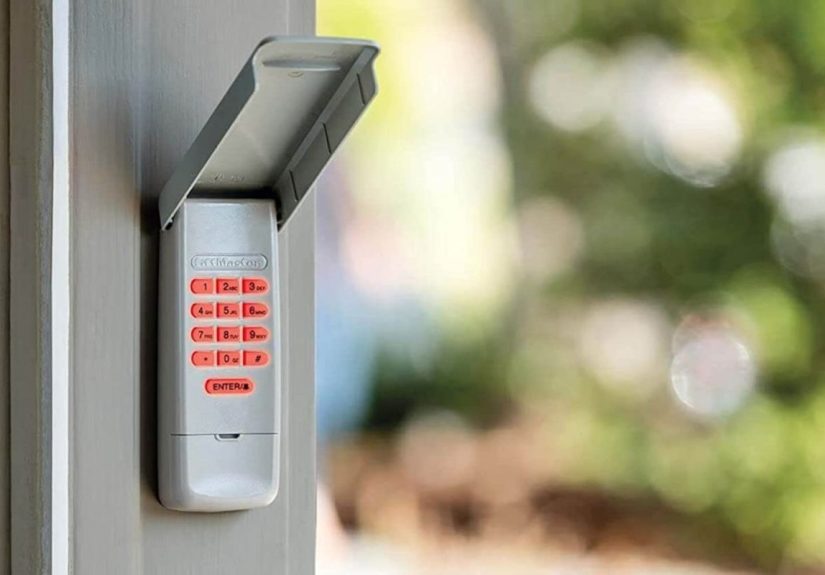
A garage door keypad is a small, weather-resistant control panel mounted outside your garage. Enter a numeric code andclickthe opener receives a wireless signal and raises the door. No key, no phone, no remote needed. That simple setup unlocks a surprising number of benefits:
- Backup when remotes fail. Batteries die, remotes get lost, cars go to the shop. A keypad gives you guaranteed access.
- Safer than hiding a key. Stashing a spare under the mat or in a fake rock is basically an invitation to burglars. A keypad with rolling code technology is much harder to exploit.
- Flexible access for family and guests. Give kids, dog walkers, house cleaners, or contractors a code instead of handing over a key.
- Hands-free convenience. Jogging, biking, or walking the dog? You don’t need to carry a remotejust remember the code.
- Smart-home integration (with some models). Certain keypads work alongside Wi-Fi–enabled openers so you can monitor activity from an app.
In other words, a garage door keypad is a low-cost upgrade that pays you back dailyespecially in households with multiple drivers, service providers, or teenagers who lose everything except their phones.
How Garage Door Keypads Work (Without Melting Your Brain)
Most modern garage door keypads are wireless. They talk to your opener the same way a handheld remote doesusing a radio-frequency signal and a bit of clever security tech.
- You enter your personal identification number (PIN) on the keypad.
- The keypad checks your code and, if it’s correct, sends a signal to the opener.
- The opener confirms the signal and operates the motor to open or close the door.
Better models use rolling code technology or similar encryption. Each time you use the keypad, a new code is generated so thieves can’t simply “listen” to the signal once and replay it later. Many units also include:
- Backlit keys so you can see the buttons in the dark.
- Weather-resistant housings and covers to protect electronics from rain, snow, and UV exposure.
- Battery power (often 9-volt or AA) so you don’t have to run wires to the keypad.
The basics are simple. The real difference between a keypad you love and one you regret lies in the details: compatibility, build quality, and ease of use.
Key Features to Look for in the Best Garage Door Keypads
1. Compatibility with Your Opener
Not every keypad works with every opener. Some are brand-specific (made for Genie, LiftMaster, Chamberlain, or Overhead Door), while others are universal and can be programmed to work with multiple brands and frequencies.
Before you add anything to your cart, check:
- Your opener’s brand and model number (usually on a sticker on the motor housing).
- The radio frequency it uses (commonly 315 MHz, 390 MHz, or a dual-frequency system).
- Whether the keypad specifically lists your brand or “works with” your opener system.
When in doubt, universal keypads from well-known brands that explicitly list compatibility with LiftMaster, Chamberlain, Craftsman, and Genie usually cover a huge percentage of openers installed in U.S. homes.
2. Security Technology
The best garage door keypads protect your home, not just your convenience. Look for:
- Rolling code or Security+ type encryption to prevent code-grabbing attacks.
- Lockout after multiple failed attempts to stop brute-force guessing.
- Support for temporary or one-time codes so you can let in a contractor or Airbnb guest without sharing your main PIN.
3. Weather Resistance and Durability
Your keypad lives outside in the real world, which means it needs to shrug off blazing summer heat, freezing winters, UV rays, and sideways rain. Many top-rated models feature sealed housings, UV-stable plastics, and weather-resistant covers. One universal keypad retailer specifically highlights rugged, outdoor-ready construction and long-lasting electronics as a differentiator.
If you live somewhere with extreme cold, heavy snow, or coastal humidity, durability is not optionalit’s the difference between a keypad that works for years and one that dies after the first storm.
4. Ease of Use: Backlighting and Big Buttons
On paper, every keypad is “easy to use.” In practice, some have tiny, unlit buttons that you can barely see at night. Reviewers consistently praise models with large, backlit keys and clear, intuitive layouts that are easy for kids, older adults, and guests to operate.
5. Power and Battery Management
Most keypads run on batteries and can operate for a long timeoften a year or more, depending on use and climate. Some models offer:
- Low-battery indicators (lights or beeps).
- Tool-free battery compartments so you don’t need a screwdriver every time.
These small touches become big quality-of-life upgrades the first time your keypad dies on a freezing night.
6. Smart-Home–Ready Options
If you already have a Wi-Fi–enabled garage door opener, certain keypads integrate seamlessly into that ecosystem. While the keypad itself may not be “smart,” pairing it with an opener that logs events means you can see when a PIN was used and confirm that the door is closedhandy for busy families or short-term rentals.
Types of Garage Door Keypads
As you explore your options, you’ll notice a few basic categories:
- Brand-specific replacement keypads. Designed to pair with a specific manufacturer (e.g., Genie or LiftMaster). Great when you simply want a drop-in replacement.
- Universal wireless keypads. Programmed to work with multiple brands and frequenciesperfect if you have two different openers or might replace the opener later.
- Smart-compatible keypads. Designed to complement Wi-Fi or app-controlled opener systems, often sold by the same brand.
- Heavy-duty or commercial keypads. Built for harsher environments, often with metal housings and higher ingress protection ratings.
Top Garage Door Keypad Picks and What They’re Best At
Because models change and new versions launch regularly, it’s smart to focus less on a single “it” product and more on categories and specs. Drawing on testing and expert guides, here’s how the best performers typically stand out.
Best Overall: Universal Wireless Keypad for Major Brands
A strong all-around keypad usually offers:
- Compatibility with most Chamberlain, LiftMaster, and Craftsman openers (and often others).
- Rolling code security and multi-door support (control two or more doors with one keypad).
- Backlit keys and a weather-resistant flip-down cover.
- Simple programming that doesn’t require tools or complicated wiring.
These models tend to hit the sweet spot of price, security, and convenienceexactly what many “best overall” recommendations highlight.
Best Keypad for Genie Openers
Homeowners with Genie openers often find that brand-matched keypads offer the most painless setup. They’re built for Genie’s specific encoding and frequently include detailed step-by-step programming instructions. However, some users on homeowner forums note that cheaper or older Genie keypads can be finicky in bad weather, so it’s worth upgrading to the latest models with improved sealing and better buttons.
Best Budget Garage Door Keypad
Budget keypads usually trade extras (like smart features or metal housings) for a lower price, but you should still expect:
- Reliable basic security with at least rolling code or secure pairing.
- Clear, readable digits and a reasonably robust housing.
- Compatibility with one or two popular brands.
Skimping too much can backfirethere are plenty of stories of ultra-cheap keypads failing after a winter or losing their programming. Spending a little more for a trusted brand often saves money and headaches over time.
Best for Harsh Weather
In areas with scorching sun, snow, or salty ocean air, look for keypads marketed as weatherproof or outdoor-rated, ideally with gasketed covers and high ingress protection ratings. Some models are specifically tested to operate across wide temperature ranges and resist water spray, much like heavy-duty gate and door keypads.
Best Smart-Home–Friendly Option
If your opener already supports Wi-Fi, you can combine a standard wireless keypad with app-based control for the best of both worlds: physical access via PIN plus phone notifications and logs. In smart garage setups highlighted by home-improvement experts, owners use temporary keypad codes along with app access to track exactly when the door was openedhandy for deliveries, cleaners, or teen curfew enforcement.
How to Install a Garage Door Keypad
Installation sounds intimidating, but most homeowners can handle it with a drill, a screwdriver, and a bit of patience. Garage door service companies outline a similar basic process:
- Pick a mounting location. Typically on the jamb of the garage door opening, 4–5 feet above the groundhigh enough for adults, low enough for kids, and within easy line-of-sight of the opener.
- Mount the keypad base. Mark the screw holes, drill small pilot holes, insert anchors if needed, then screw the base into place.
- Install or connect the battery. Open the battery compartment, insert the recommended battery, and close it securely.
- Program the keypad. Follow your manufacturer’s instructionsusually pressing a “learn” button on the opener, then entering a PIN on the keypad within a set time window.
- Test thoroughly. Try multiple PIN entries, confirm the door responds, and check the range and reliability.
If programming steps make you break out in a sweat, don’t worrymost manuals include diagrams, and plenty of manufacturers post video tutorials as well.
Troubleshooting Common Garage Door Keypad Problems
Even the best keypad will eventually give you attitude. Here are some common issues and how pros and experienced homeowners usually tackle them:
- Keypad doesn’t respond at all. Check or replace the battery first. Corroded battery terminals may need gentle cleaning.
- Backlight works, but the door won’t move. The keypad may have lost its programming. Re-run the pairing process using your opener’s “learn” button.
- Inconsistent operation in bad weather. Moisture intrusion or temperature extremes can affect cheaper units. Inspect the housing, clean around the buttons, and consider upgrading to a more weather-resistant model.
- Some keys don’t register. Over time, rubber keypads wear outespecially on heavily used digits like 1, 2, or 0. Replacement is often more cost-effective than repair.
- PIN feels compromised. If someone guesses or sees your code, change it immediately and, if available, delete old guest codes.
Safety and Security Best Practices
To get maximum security from your keypad, experts recommend treating it like a digital front door:
- Use a 4–6 digit code that’s not obvious (avoid street numbers and “1234”).
- Change your main PIN periodically, especially after sharing it widely.
- Take advantage of temporary guest codes when your keypad supports them.
- Mount the keypad where it’s visible and convenient, but not easily observed from the street.
- Combine the keypad with other basic security measures, like a solid service door lock and good exterior lighting.
Real-World Experiences: Living With a Garage Door Keypad
Specs and feature lists are helpful, but what truly sells a garage door keypad is how it behaves in real lifeafter a few summers, a blizzard or two, and a teenager learning to drive.
Families with kids tend to become keypad evangelists. Instead of handing every child a remote that’s bound to end up in a backpack black hole, parents assign a simple PIN and teach kids how to safely enter and close the door. When someone leaves for school without keys, they can still get back into the house through the garage. A quick PIN change is all it takes if the code gets shared a little too widely.
Homeowners with dog walkers, cleaners, or lawn services like the way keypads solve the “access but not a full house key” dilemma. Rather than hiding a physical key (which can be lost, copied, or misused), they give a temporary or secondary code and change it when the arrangement ends. For short-term rentals, hosts often combine keypad access with smart garage apps to track when guests arrive and leave, adding an extra layer of accountability without hovering.
On the flip side, cheap or poorly sealed keypads can become a repeating headache. Homeowner forum threads are full of stories about bargain models that work perfectly for a year and then start failing every time the weather changesbuttons stick, codes don’t register, or the keypad loses its programming. Many of those users eventually replace their bargain buys with universal models from more reputable brands and immediately notice the difference in build quality, button feel, and reliability.
Another common lesson from seasoned users is to respect battery life. It’s easy to ignore a dim backlight or occasional glitch until the keypad fails completelyusually when you come home late or during a storm. People who’ve been burned by that experience often set a calendar reminder to swap batteries annually or at the first sign of laggy response. That tiny bit of maintenance keeps the system feeling invisible and dependable.
Garage door pros also point out how often they see keypads installed in awkward spotstoo low, too high, or hidden behind trim. When placement is wrong, you end up stretching out of the car window or standing in the mud to punch in the code. Installers recommend thinking like a user: stand where you’ll naturally approach the door, imagine your hands full of groceries or tools, and mount the keypad where it’s easy to reach without contortions.
Finally, people who upgrade from “no keypad” to “good keypad” almost always say the same thing in reviews and blog comments: they didn’t realize how much friction the old routine created until it disappeared. Instead of juggling remotes, keys, and doors, they punch in four digits, hear the opener hum, and move on with life. It’s not dramaticbut like a great thermostat or a rock-solid deadbolt, it quietly makes every day a little easier and a little safer.
Conclusion: A Small Upgrade with a Big Everyday Payoff
The best garage door keypads combine solid security, everyday convenience, and rock-steady reliability. Focus on compatibility with your opener, rolling code or equivalent encryption, sturdy weather-resistant construction, and user-friendly designespecially backlit keys and straightforward programming.
Whether you’re channeling your inner Bob Vila and comparing specs, or you simply want to stop fumbling for a remote in the rain, a keypad is one of the most practical, affordable garage upgrades you can make. Pick a quality model once, install it correctly, and you’ll probably stop thinking about ituntil the moment you’re standing at your garage door, hands full, and deeply grateful that all you need is a code.